Global internet speed is picking up. In 2017, world internet speeds increased more than 30%. Adriane Blum, Head of Communications at Ookla, a company specialized in broadband testing, network diagnostic applications, and data, was with us to discuss what's driving this improvement.
With the FCC rolling back net neutrality regulations, many questions about the future of the internet are beginning to surface. Internet speed is one of the factors that could potentially be impacted by the vote. Blum says the key takeaway is transparency of data, as we face new risks.
Despite improved global speed, Ookla says there were far too many countries and regions where internet speed decreased. Hurricane Maria put a dent in Puerto Rico's internet capabilities, contributing to the island's 39.8% drop in mobile download speed over the past year.
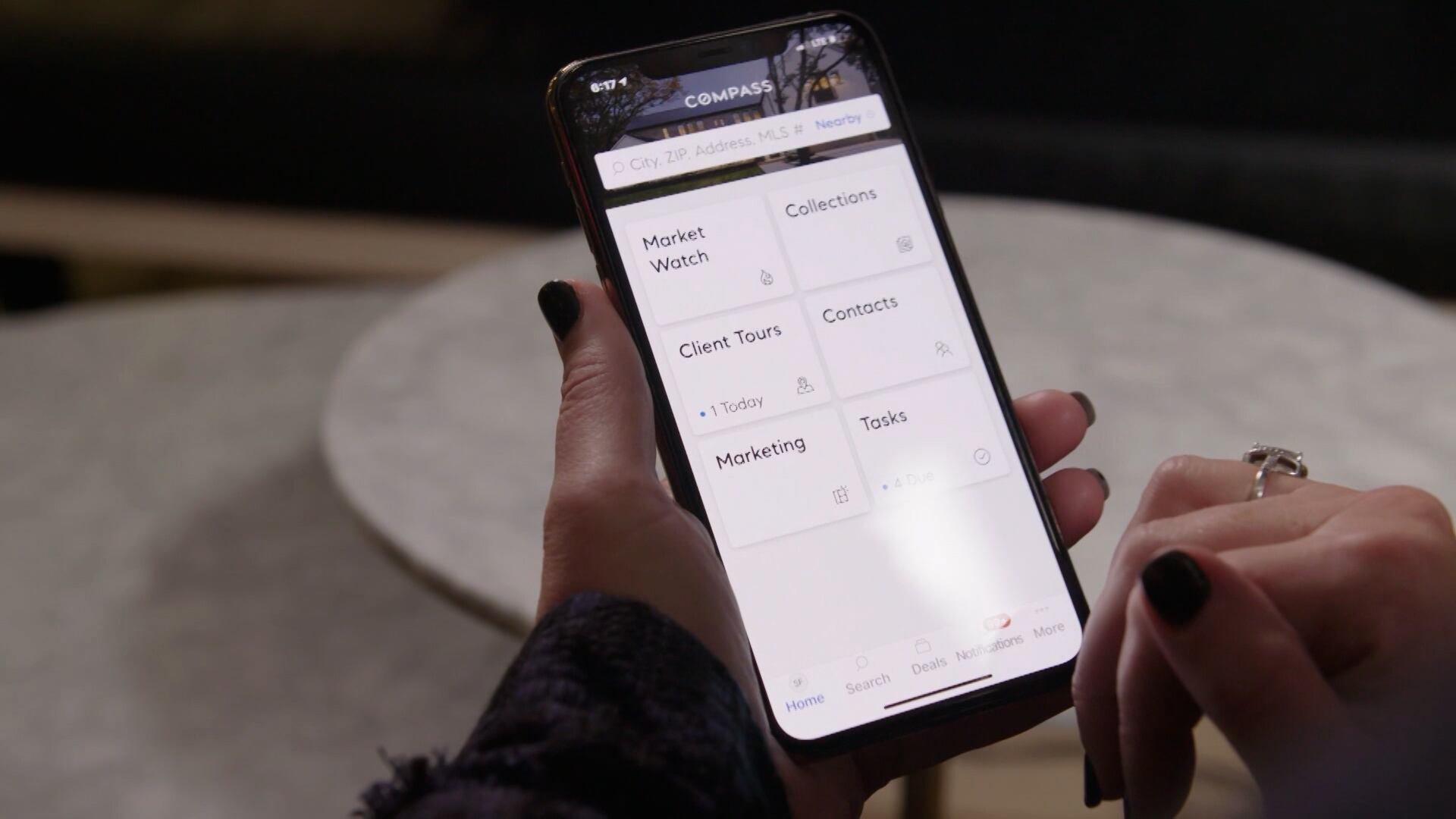
Compass Inc. reported its Q4 earnings on Wednesday, noting a 31 percent surge in quarterly revenue year over year. The real estate brokerage platform allows agents to promote and market their properties online and saw a 90 percent agent retention rate as well. Compass CEO Robert Reffkin joined Cheddar News to discuss the company's earnings, what ongoing inflation means for the housing market and how they help agents directly. "Let me start by saying my mom is actually a real estate agent, has been the majority of my life. She's a real estate agent today at Compass, and so I built Compass with her in mind," Reffkin said. The goal for an agent is to grow their business and have a better quality of life, more income to support their family, more time to be with their family, and it's not just software. It's a platform of software and services."
While many are excited to watch the final two NFL teams square-off and see which one ultimately takes home the trophy, some, on the other hand, are there for another mian attraction -- the commercials. Companies during this year's game are looking towards the future From electric vehicles, to robots, and crypto-currency, several first-time advertisers are expected to join long-time advertisers like Pepsi, Budweiser and Doritos during the NFL's biggest game. Tom Morton, Global Chief Strategy Officer at R/GA, joined Cheddar News' Big Game Special to discuss.
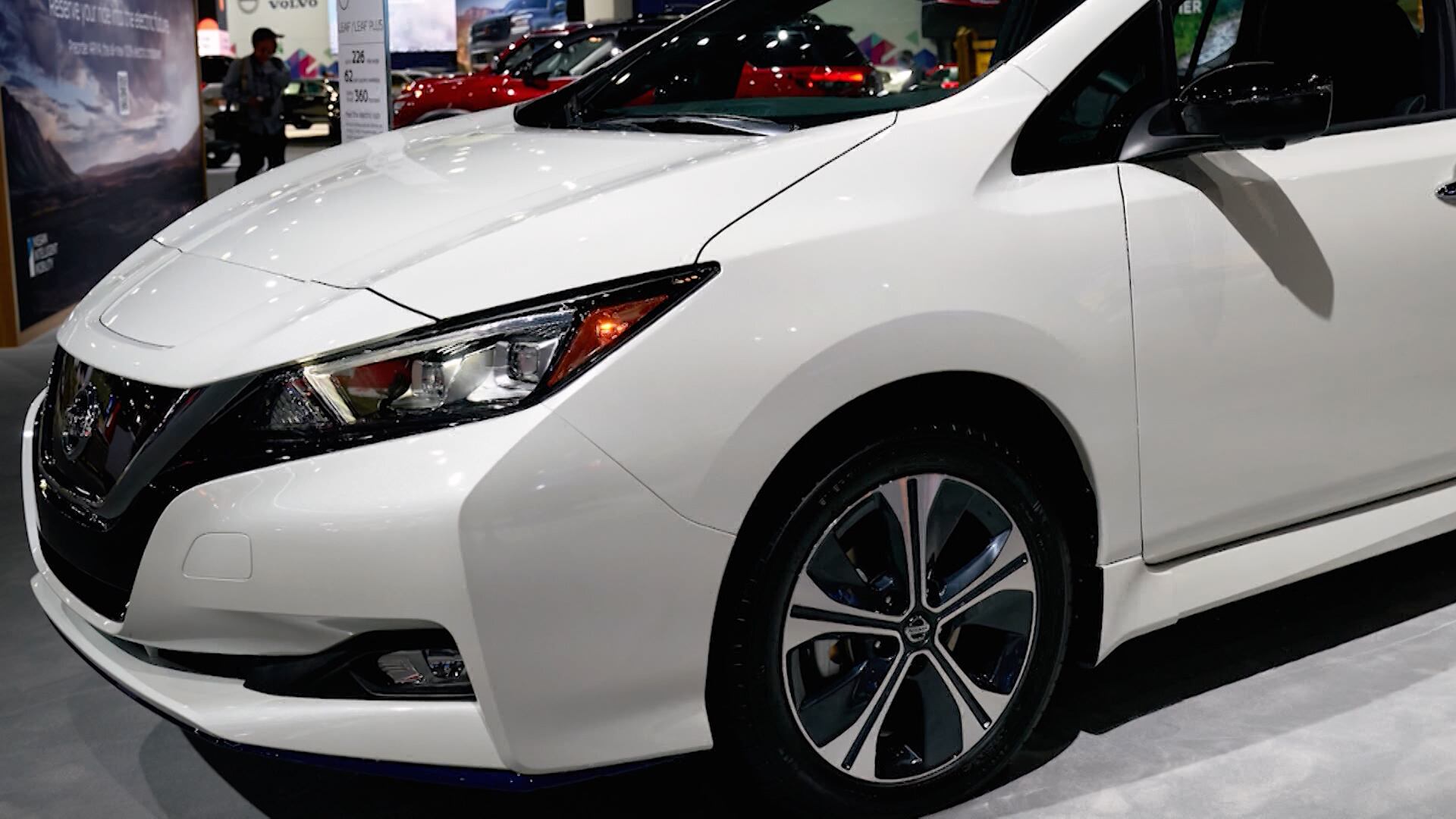
Nissan is revving up its commitment to electric vehicles. the Japanese automaker announcing plans to invest $500 million to transform its assembly plant in Mississippi to build two all-new EV models starting in 2025. It's all part of Nissan's goal to have 23 electrified models for the Nissan and Infiniti brands globally by 2030. Ashwani Gupta, Nissan's COO, joined Cheddar's Opening Bell to discuss this announcement and the company's EV goals moving forward.
Cepton made its debut on the Nasdaq under the ticker symbol ‘CPTN’ on Thursday. Jun Pei, the co-founder and CEO, joined Cheddar News to discuss going public and its lidar-based solutions for improving safety in autonomous features in cars. "It's really just a huge benefit in addition to radar and camera, and becomes an entire sensor suite that will bring cars to a higher level, both for safety and autonomy."
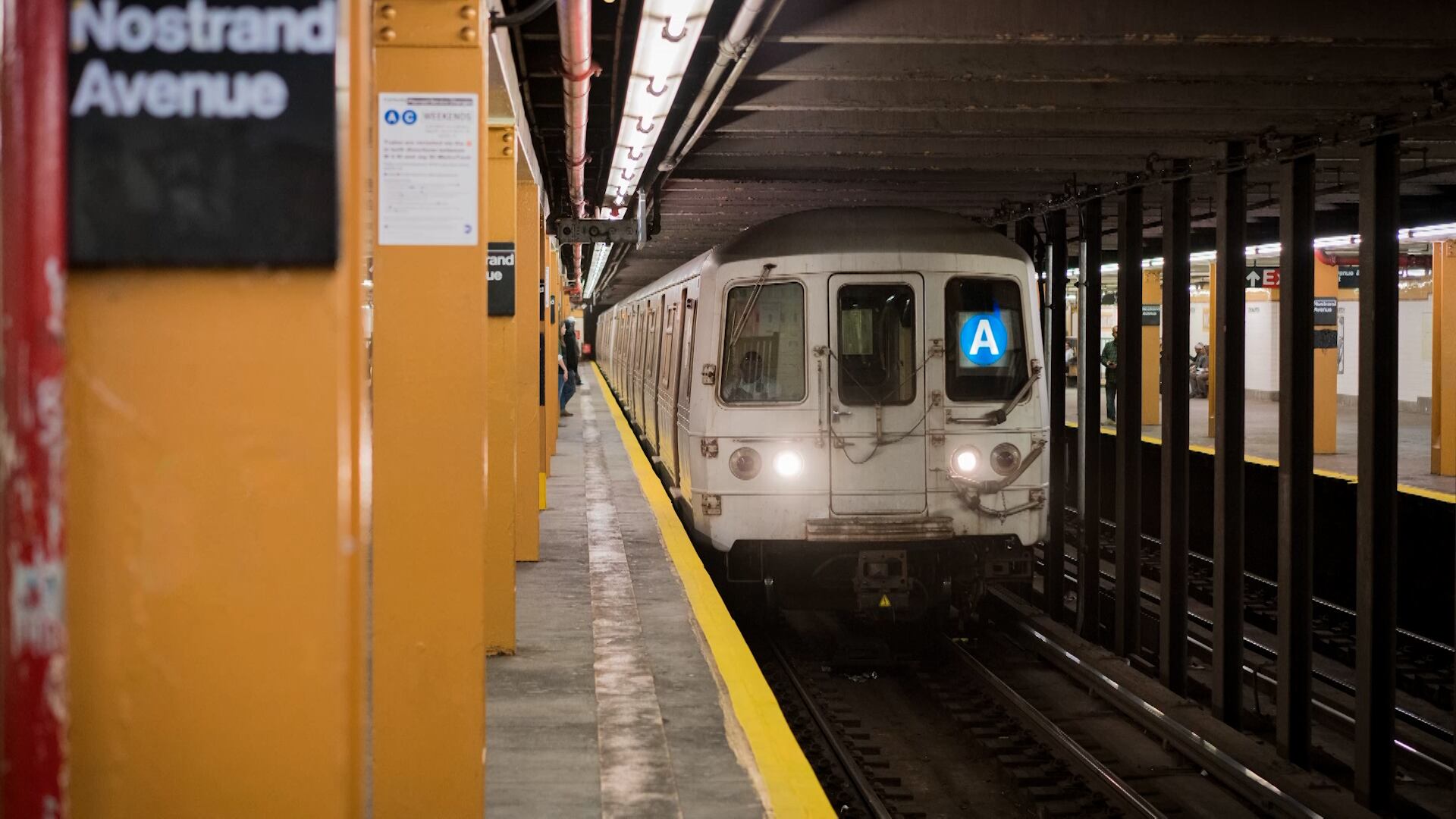
New York City's famous subway system is currently facing scrutiny after several recent attacks on platforms. Now, local leaders in the Big Apple are calling on the MTA. To step in and take action.
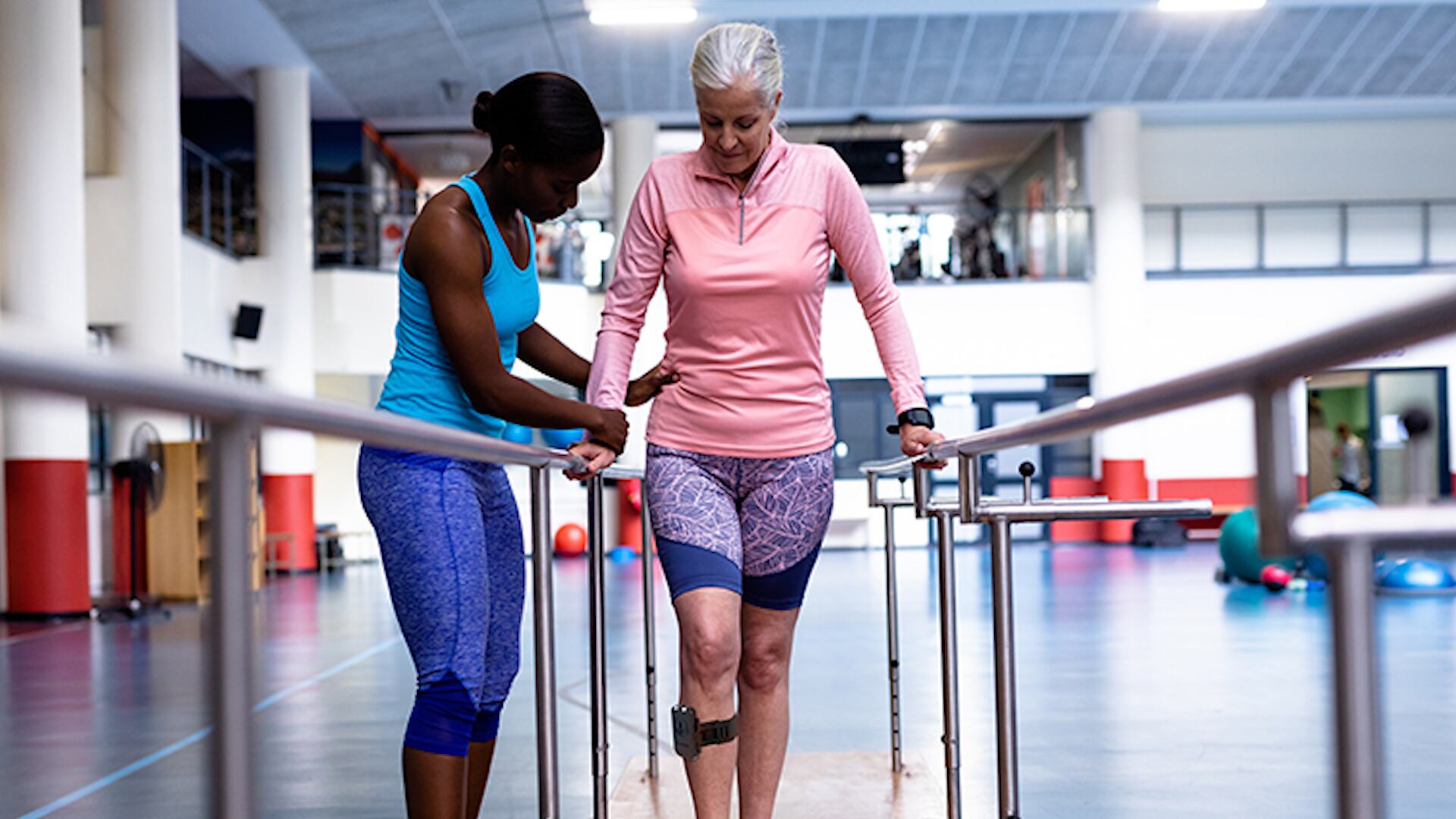
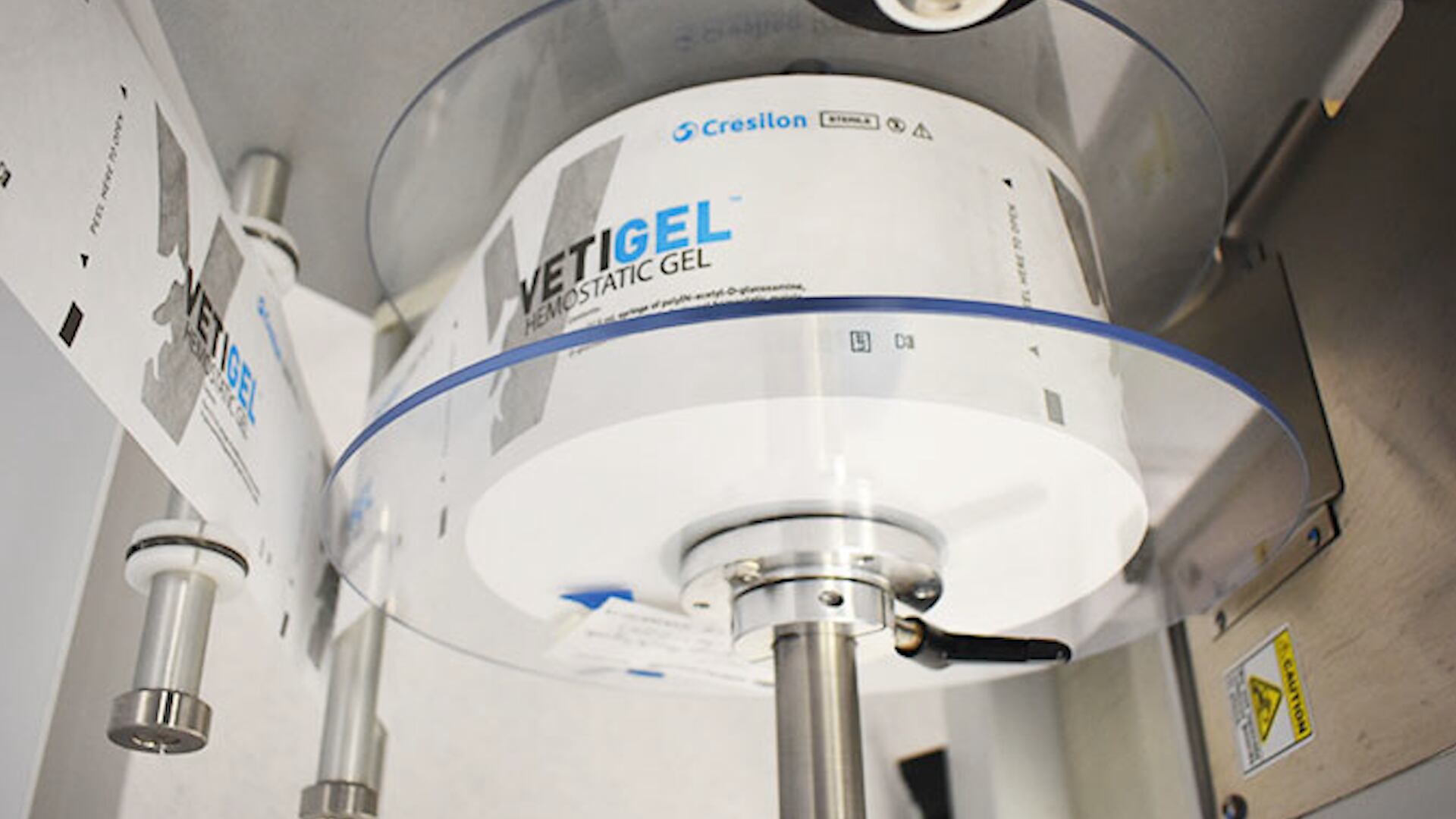
On this episode of Cheddar Innovates: Evolution Devices CEO breaks down how the Evowalk wearable device can help those with walking impairments; Cresilon CEO explains how he's created a plant-based gel to easily treat wounds in both humans and animals; A look at Curiosity Stream's 'The Colorado Problem.'
Pier Mantovani, Founder and CEO of Evolution Devices, joins Cheddar Innovates to discuss how the Evowalk wearable device can help those with walking impairments, and how remote physical therapy is becoming a reality.
Joe Landolina, CEO and Co-Founder of Cresilon, joins Cheddar Innovates to discuss how he's created a plant-based gel to easily treat wounds in both humans and animals.
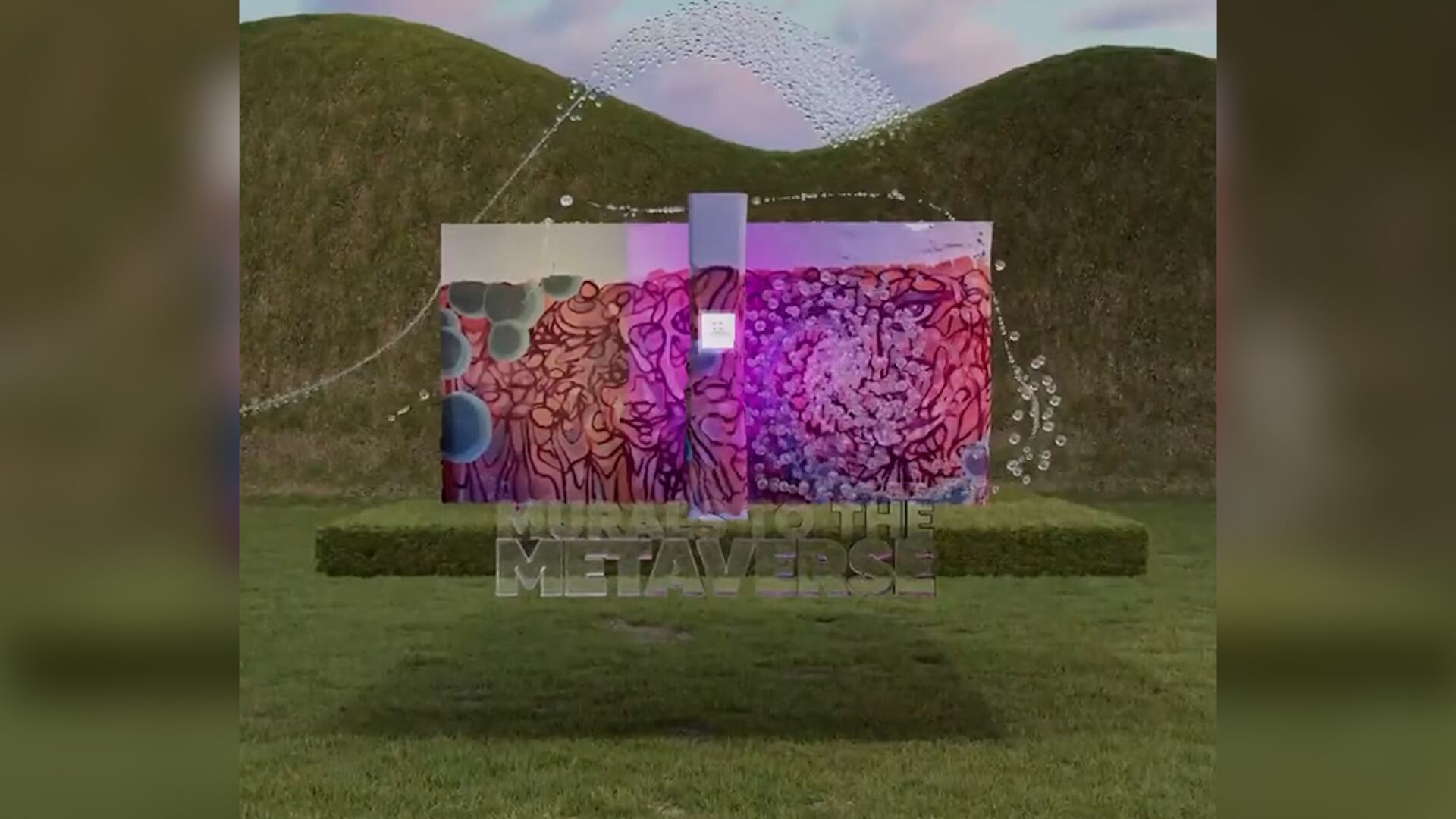
The virtual world of the metaverse continues to present a bright future for many artistic creators. A group of six mural artists from the Bay Area have decided to turn their painted and installed murals into a one-of-a-kind collectible. Thanks to NFTS these murals can be enhanced and extend far beyond just their physical walls. Muralist and Creative Director of the Bay Area mural program Rachel Wolfe Goldsmith, joined Cheddar to discuss more.
New York City ride-hailing app drivers are about to get a pay raise. According to the city's Mayor Eric Adams, New York will increase its minimum driver pay rate for both Uber and Lyft drivers. This means both platforms would now be required to pay their drivers a minimum of $1.61 cents per mile and about 0.50 cents per minute. Ultimately, the move would give riders at least a 5.3% race. New York City Comptroller Brad Lander, joined Cheddar to discuss more.