Global internet speed is picking up. In 2017, world internet speeds increased more than 30%. Adriane Blum, Head of Communications at Ookla, a company specialized in broadband testing, network diagnostic applications, and data, was with us to discuss what's driving this improvement.
With the FCC rolling back net neutrality regulations, many questions about the future of the internet are beginning to surface. Internet speed is one of the factors that could potentially be impacted by the vote. Blum says the key takeaway is transparency of data, as we face new risks.
Despite improved global speed, Ookla says there were far too many countries and regions where internet speed decreased. Hurricane Maria put a dent in Puerto Rico's internet capabilities, contributing to the island's 39.8% drop in mobile download speed over the past year.
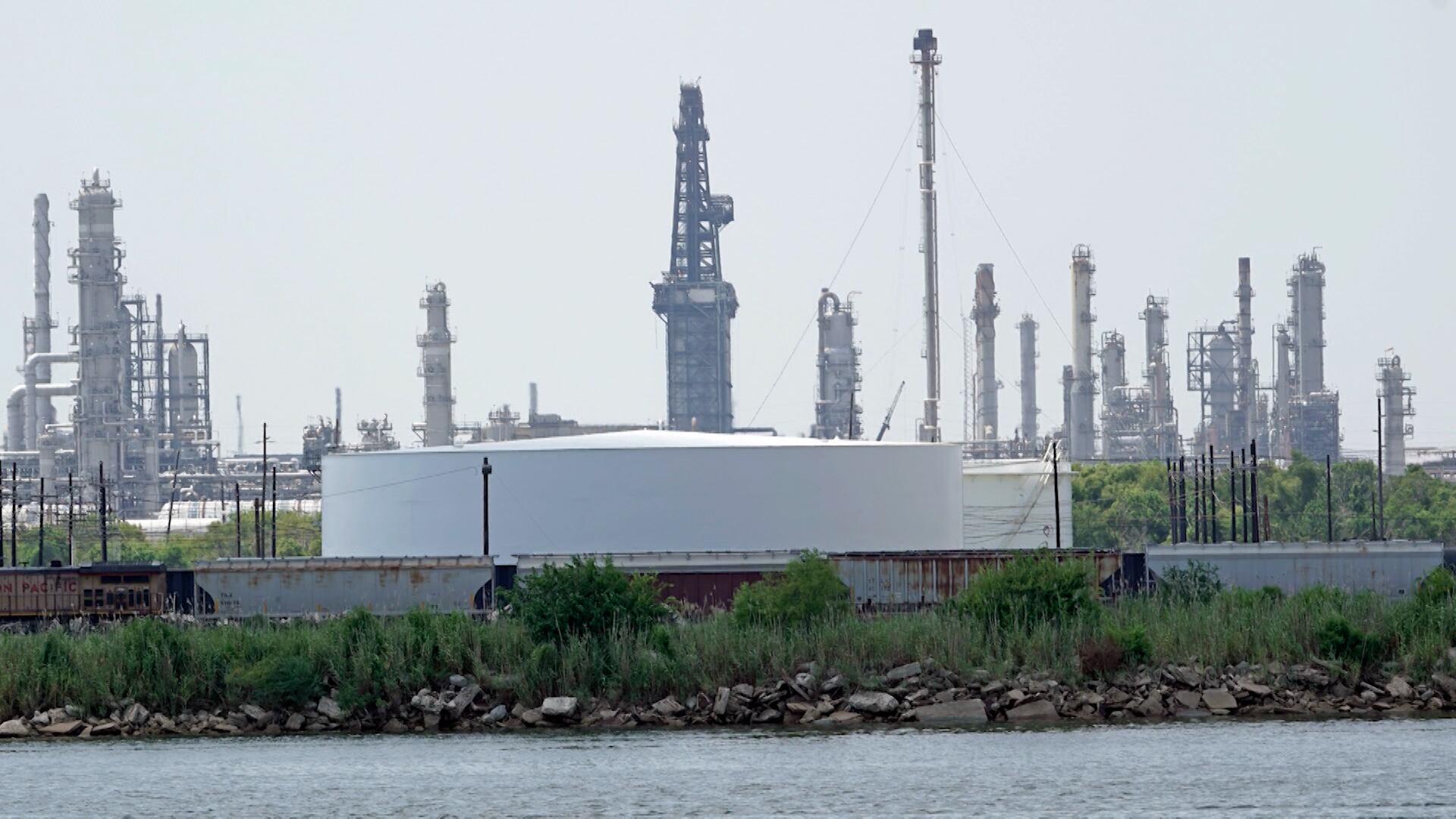
As Russia intensifies its war on Ukraine, President Biden announced a ban on oil imported from the aggressor nation. Critics of Russia have said this would be the best way to force Putin to pull back, but curbs on Russian oil exports are expected to send already skyrocketing oil and gas prices even higher, further impacting consumers, businesses, financial markets, and the global economy. Leslie Beyer, CEO of the Energy Workforce and Technology Council, joined Cheddar News' Closing Bell to discuss. "It's certainly going to increase pricing, but it is the right thing to do," she said. "The industry itself has already pulled out of the significant portion of its operations in Russia."
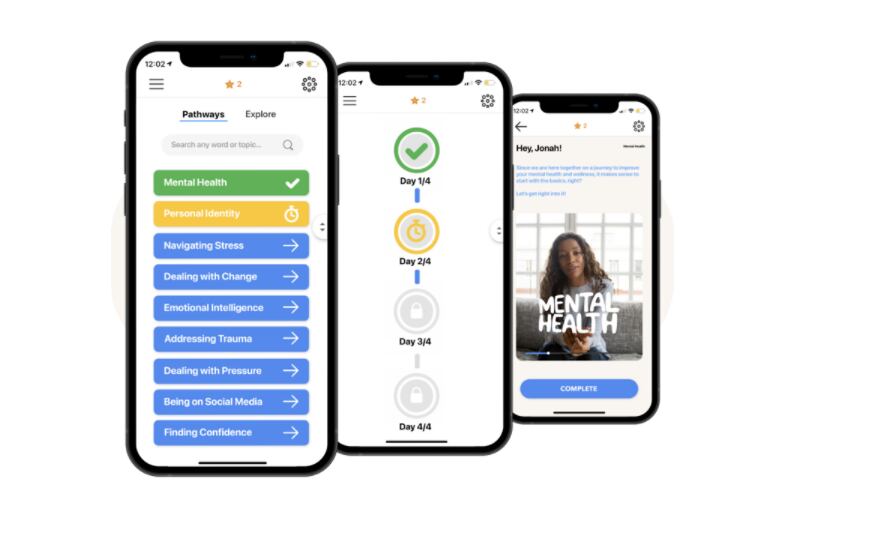
Two friends have joined forces to come up with an app dedicated to making mental health more approachable and to provide users with the tools needed to improve their mental health and overall well-being. Co-Founders of the Dial App Jonah Salita and Marcel Johnson, joined Cheddar to discuss more.
On this International Women’s Day, Deb Cupp, president of Microsoft U.S., joined Cheddar News to talk about the implementation of her pillars to extend the company's culture, such as acting with care and putting the team first. "What I like about the pillars is they're very simple, so it's easy for us to think about how they show up every day in our lives," Cupp said.