Global internet speed is picking up. In 2017, world internet speeds increased more than 30%. Adriane Blum, Head of Communications at Ookla, a company specialized in broadband testing, network diagnostic applications, and data, was with us to discuss what's driving this improvement.
With the FCC rolling back net neutrality regulations, many questions about the future of the internet are beginning to surface. Internet speed is one of the factors that could potentially be impacted by the vote. Blum says the key takeaway is transparency of data, as we face new risks.
Despite improved global speed, Ookla says there were far too many countries and regions where internet speed decreased. Hurricane Maria put a dent in Puerto Rico's internet capabilities, contributing to the island's 39.8% drop in mobile download speed over the past year.
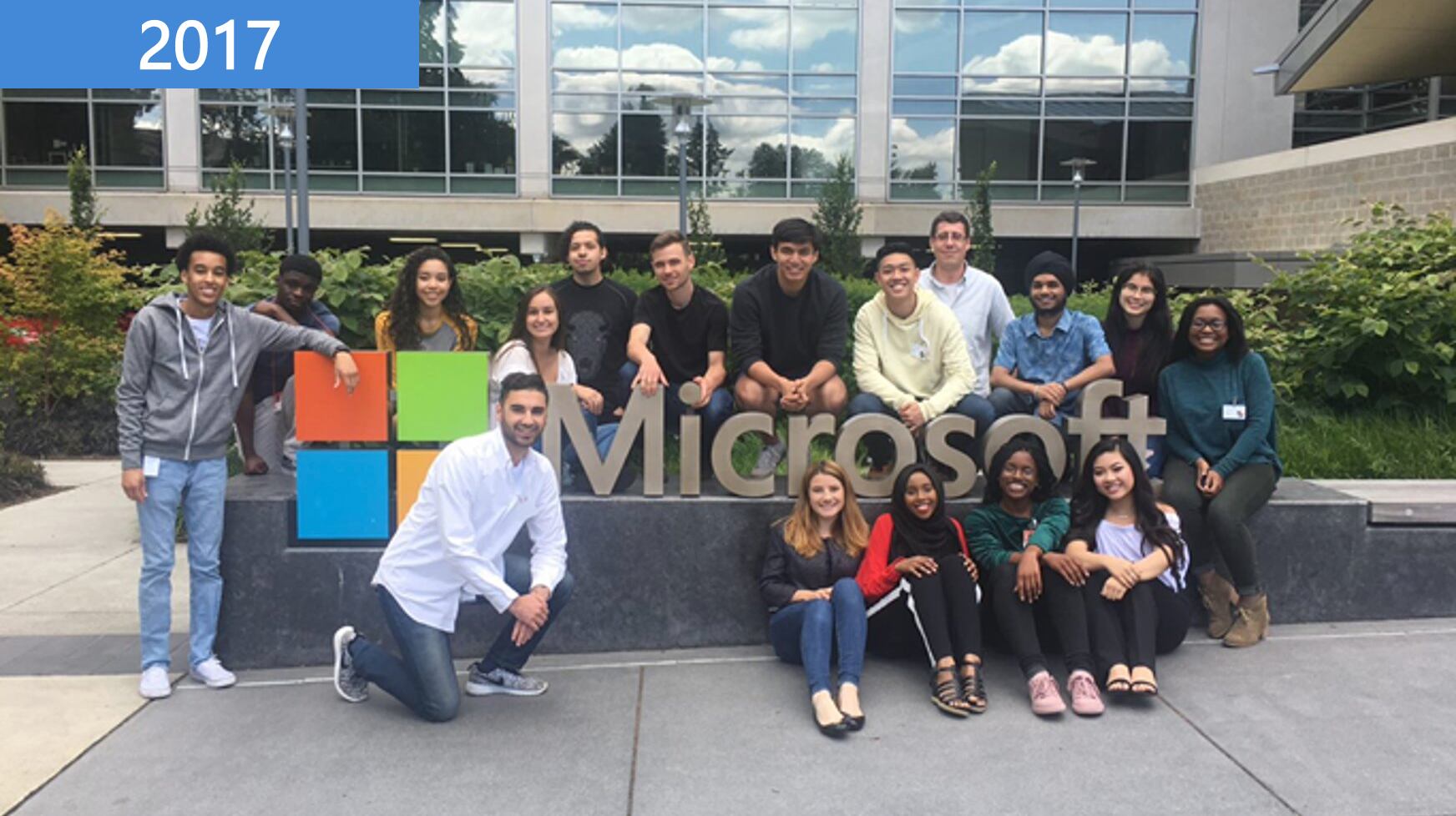
The founder and president of Cyborg Mobile Kobie Hatcher has been on a strong trajectory to disrupt his industry with a program called The New Technologists. It's not only meant to address the diversity gap within large tech companies but also help pave the way to transform the lives of young BIPOC students. He joined Cheddar News to talk about how he's working to make a difference with the lack of diversity in tech. “There's truly no lack of talent out there. It's just identifying them and letting them know that, hey, I've been in the tech sector for over 20 years. I see you. I know what you can bring, bring it, we need it," Hatcher said.
Constituent service platform Indigov recently raised $25 million in a Series B funding round. Indigov bills itself as a constituent relationship management tool that helps elected officials improve the way they organize, respond to, and engage those they serve. The startup's services are being used by federal, state, and local governments across the country, including the U.S. House of Representatives. Alex Kouts, founder & CEO of Indigov, joins Cheddar News' Closing Bell to discuss.
The 2022 NBA playoffs are intensifying as four teams vie for an NBA finals berth. Tonight, Stephen Curry and the Golden State Warriors can book their finals ticket with a win over the Dallas Mavericks, while Miami will be feeling the 'heat' tomorrow night, facing elimination against the Boston Celtics.
And with the growing popularity of sports betting, the NBA playoffs offers a potential money-making opportunity for fans. Trysta Krick, host of BetMGM Tonight, joins Cheddar News' Closing Bell to discuss.
Snap stock saw the worst day ever after a large drop in price on Tuesday following warnings of revenue and earnings slowdown. This trend caught on with other social and digital media stocks due to fears that brands heavily relying on advertising get hit with the same inflation struggles. However, some analysts note that Snap may be a unique case due to a rapid, possibly unsustainable, expansion leading to the current grim forecast.
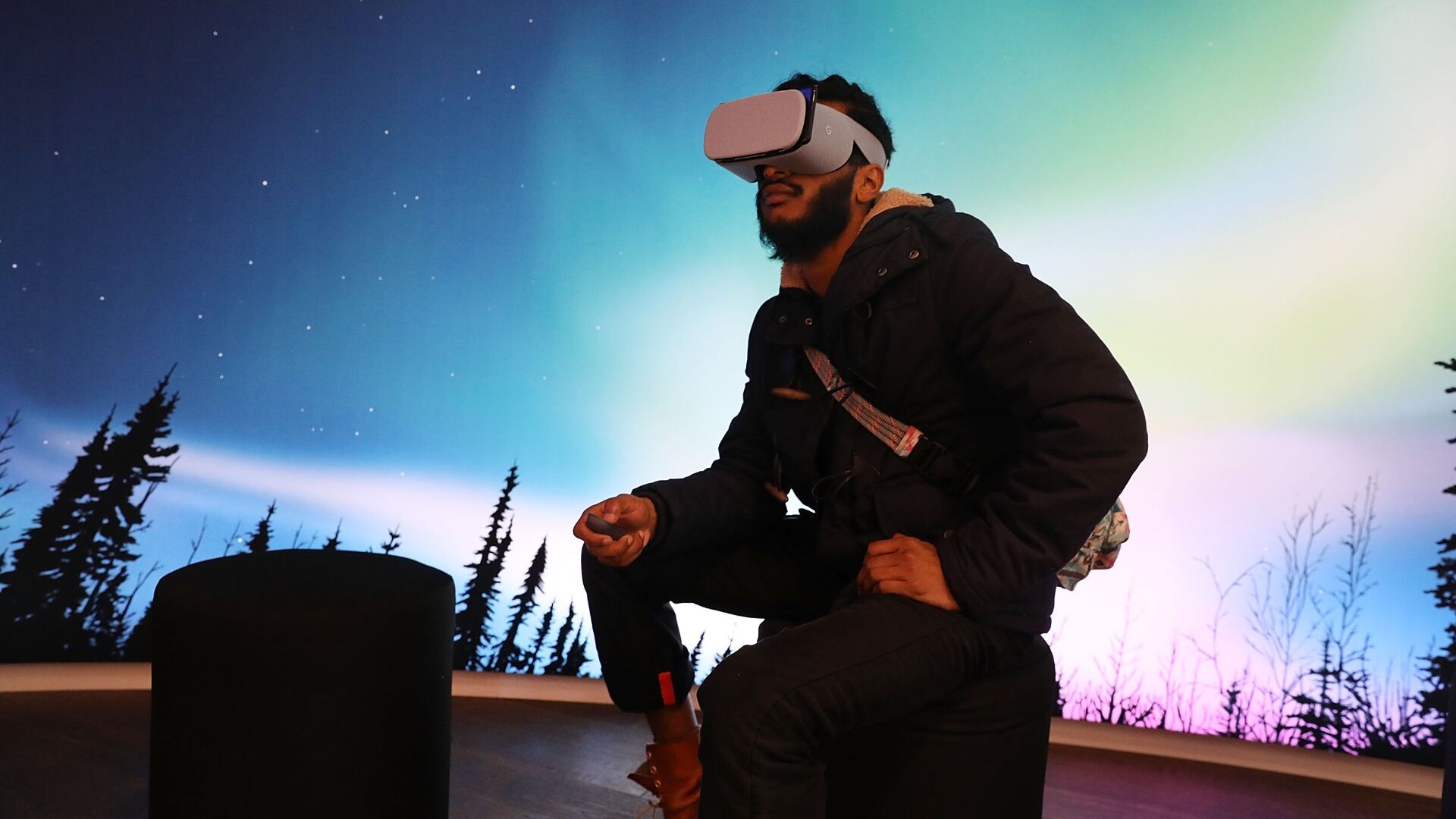
From Meta’s Oculus to PlayStation’s VR headsets, Cheddar News anchors Ken Bufa and Kristen Scholer cover the potential for this tech in Cheddar Connected as more heavy hitters like Apple look to take the stage.