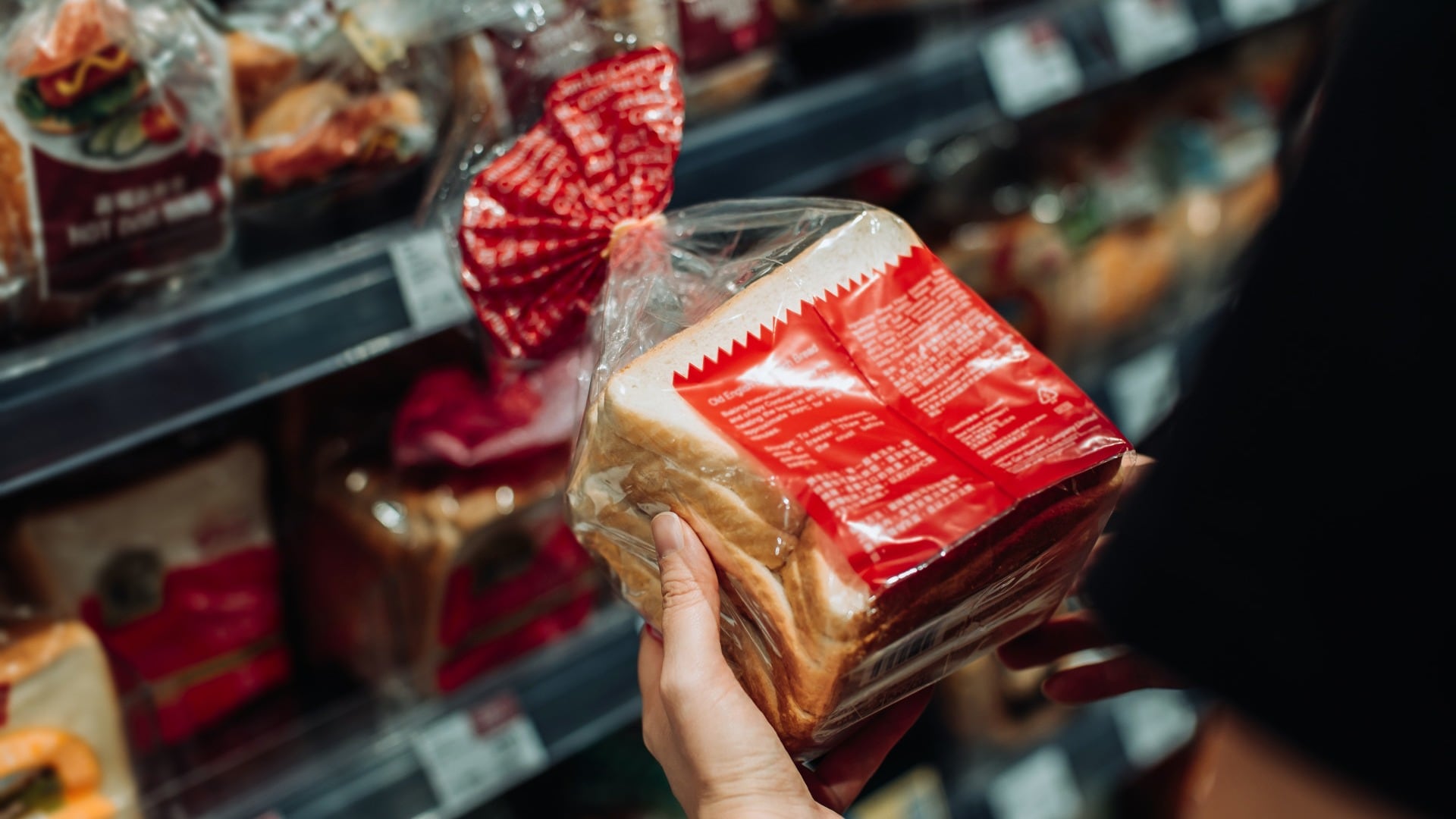
The United Nations' global index for tracking food prices fell 1.9 percent in December after hitting an all-time high in 2022 amid drought, war, pandemic, and supply chain challenges.
The Food and Agriculture Organization of the United Nations (FAO) Food Price Index, which tracks commonly traded food commodities, averaged 143.7 points in 2022. That is down one percent from the number one year ago, but 14.3 percent above the average value in 2021.
Over that period, essential goods have seen sizable price drops. The price of vegetable oil, for example, was down 6.7 percent from November, hitting their lowest levels since before the war in Ukraine. Cereal prices, meanwhile, were down 1.9 percent from November, while meat was down 1.2 percent.
While welcoming the improvement, the United Nation is urging nations to stay vigilant to avoid the kind of global food shortages that come with higher prices.
"Calmer food commodity prices are welcome after two very volatile years," said FAO Chief Economist Maximo Torero in a news release. "It is important to remain vigilant and keep a strong focus on mitigating global food insecurity given that world food prices remain at elevated levels, with many staples near record highs, and with prices of rice increasing, and still many risks associated with future supplies"
One exception to the steady price declines: dairy products. The FAO Dairy Price Index was up 1.2 percent in December, mostly due to higher international cheese prices.
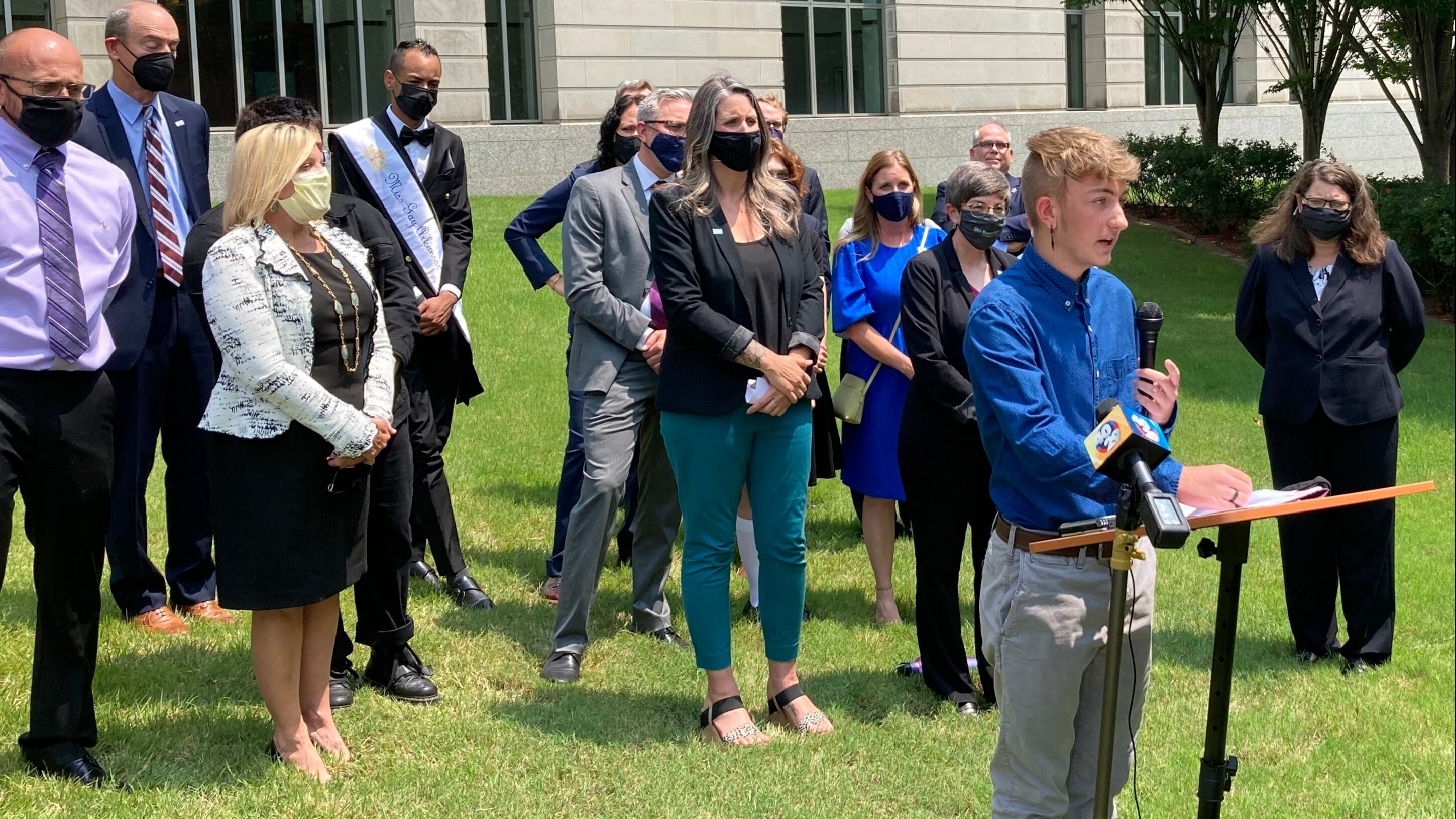
A federal judge struck down Arkansas' first-in-the-nation ban on gender-affirming care for children as unconstitutional Tuesday, the first ruling to overturn such a prohibition as a growing number of Republican-led states adopt similar restrictions.
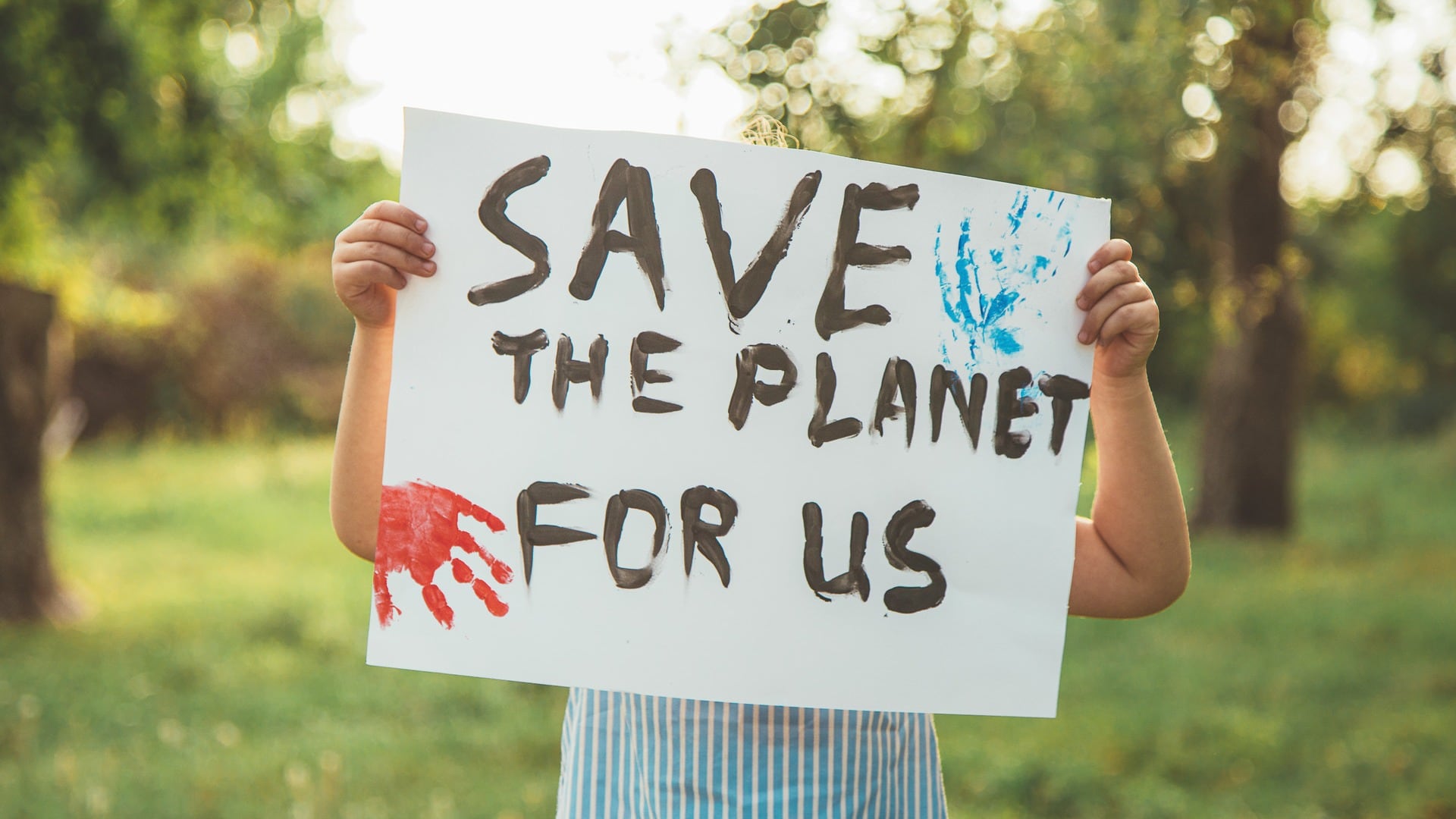
Climate change is on trial in Montana. In a landmark case, 16 young people are suing the state over effects like smoke, heat, and drought. It's just the first in a series of cases intended to pressure lawmakers into taking action on the environment. Here with more is Cheddar News Senior Reporter Chloe Aiello.
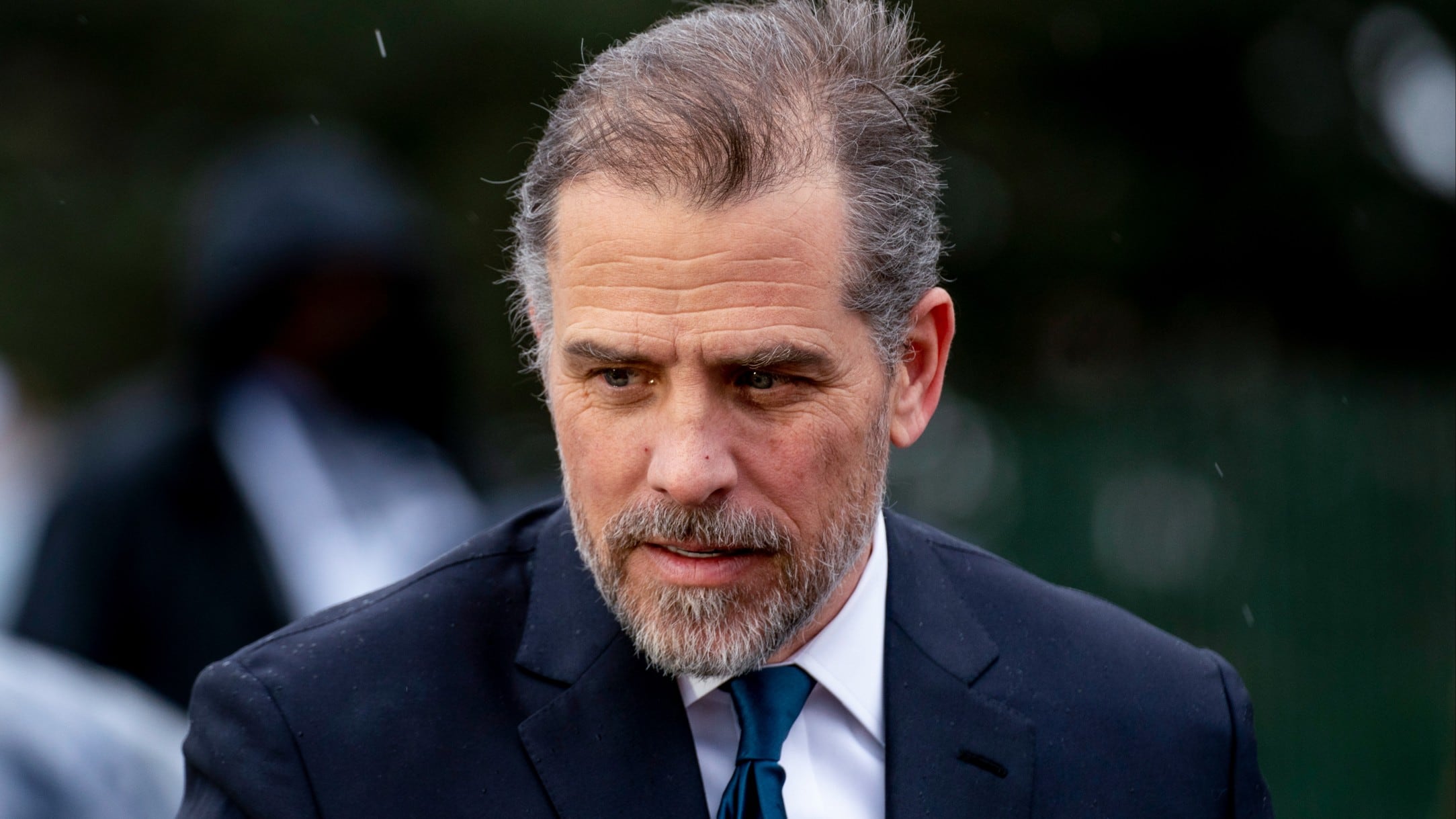
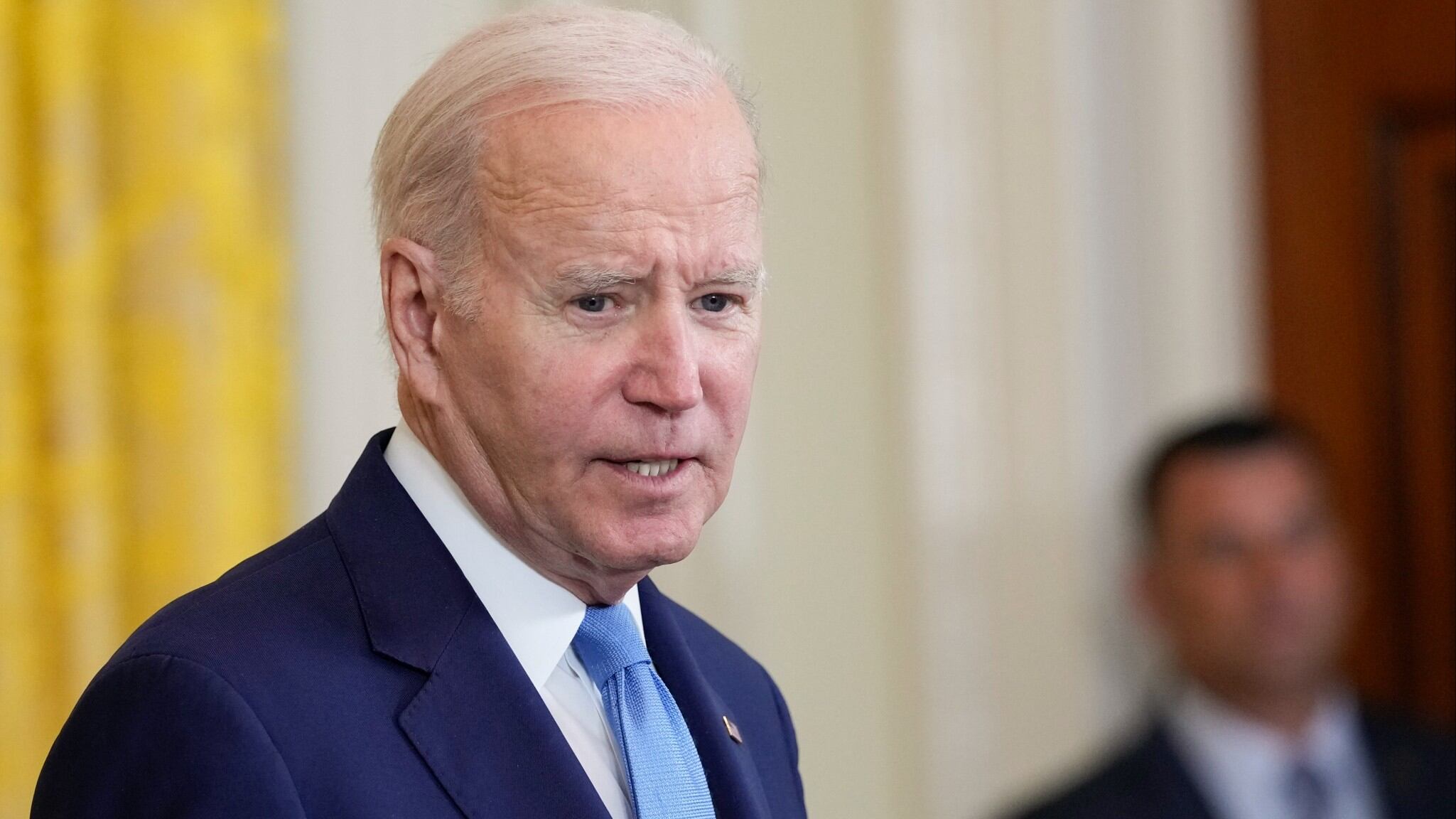
President Joe Biden’s son Hunter will plead guilty to federal tax offenses and avoid prosecution on a separate gun charge in a deal with the Justice Department that likely spares him time behind bars.
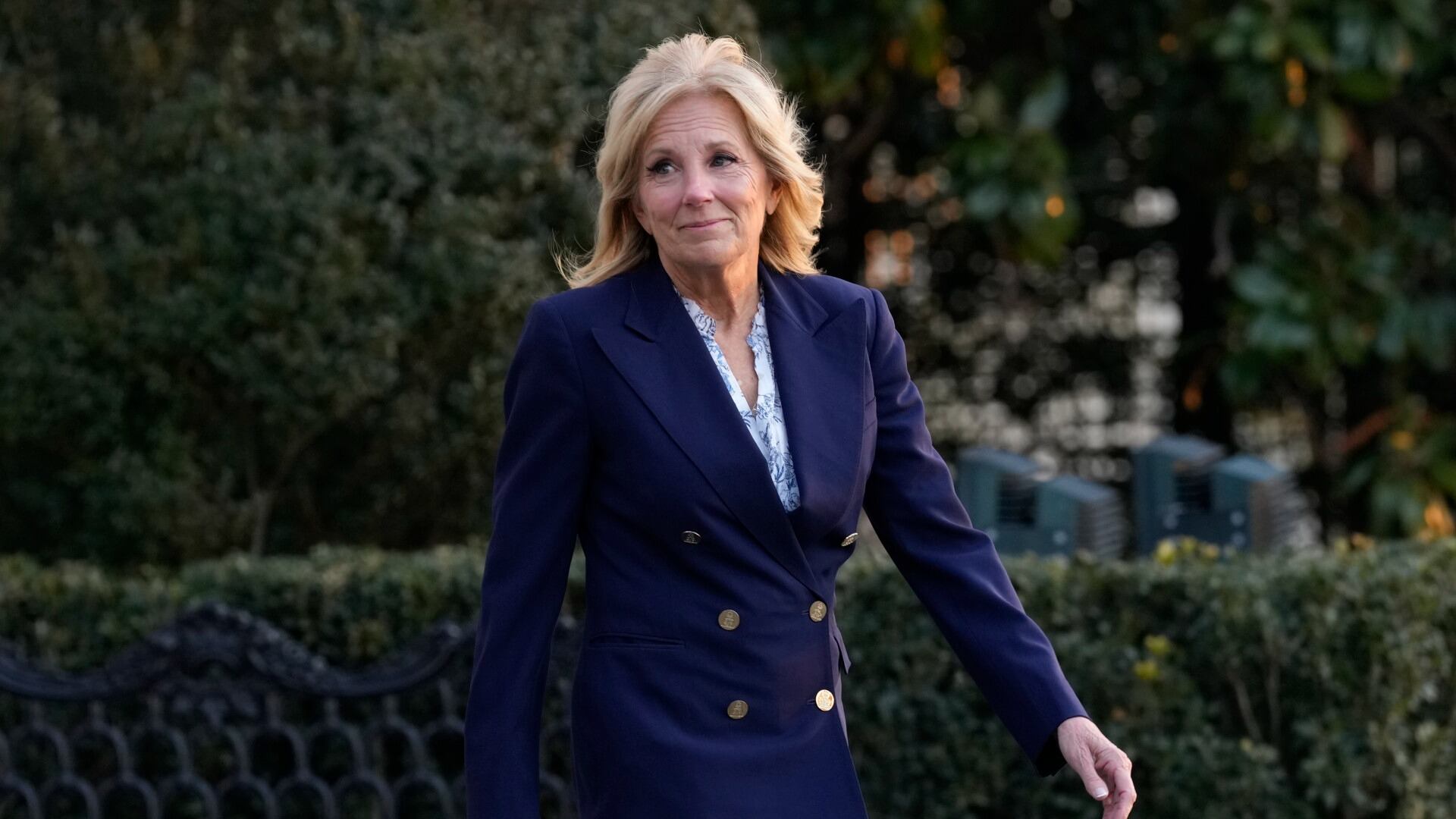
A White House official said First lady Jill Biden is hosting a roundtable conversation on Tuesday that will bring together women who have been denied medical care since the overturning of Roe v. Wade last year.
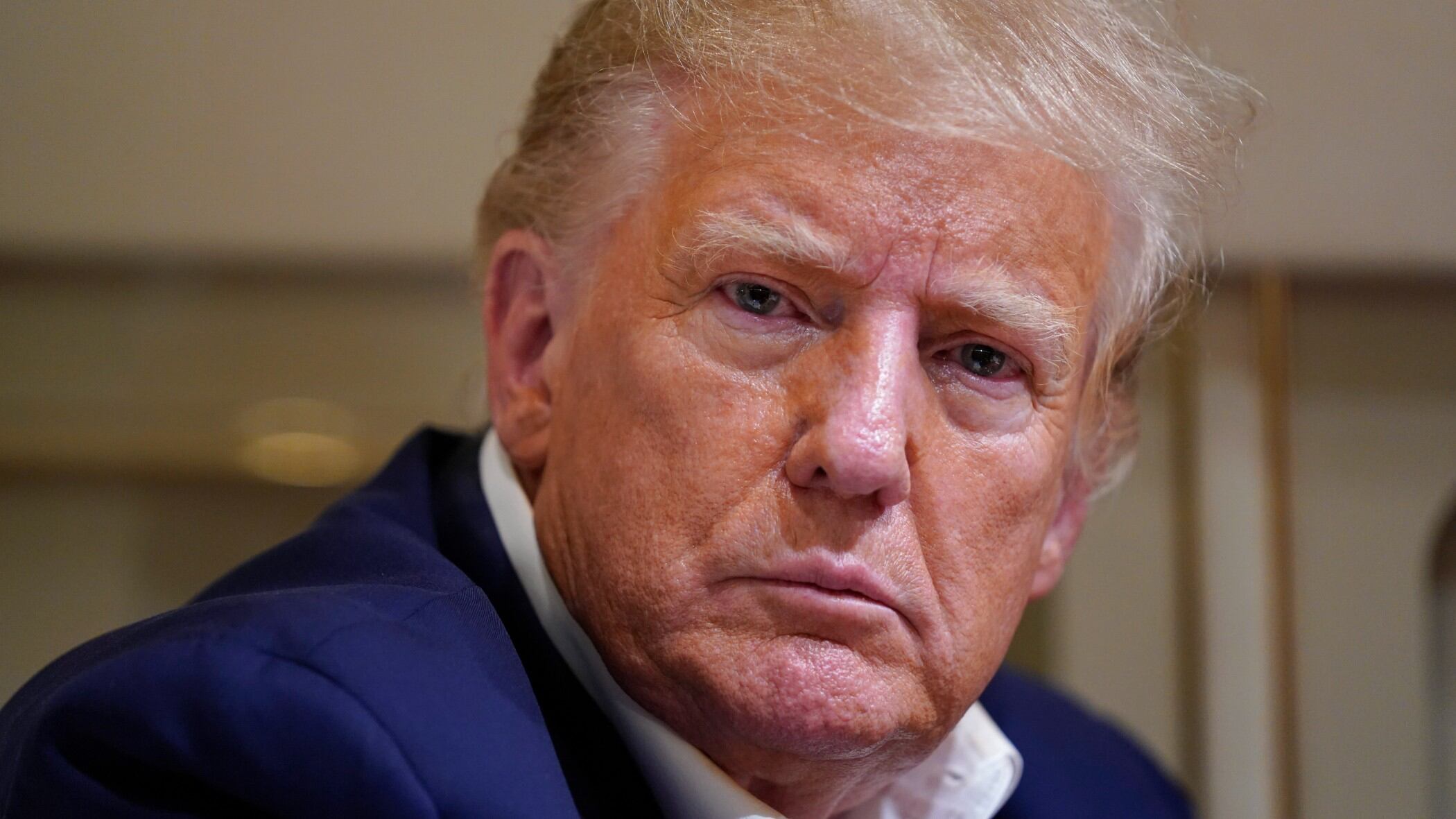
Former president Donald Trump told Fox News' Bret Baier said on Monday that he did not show classified documents to anyone else after his term.
President Joe Biden will convene a group of technology leaders on Tuesday to debate artificial intelligence.
More than 1 million people have been dropped from Medicaid in the past couple of months as some states moved swiftly to halt healthcare coverage following the end of the coronavirus pandemic.
Thousands of Iraqis, many of whom risked their lives by working closely with Americans during the war and its aftermath, are trying to enter the U.S.
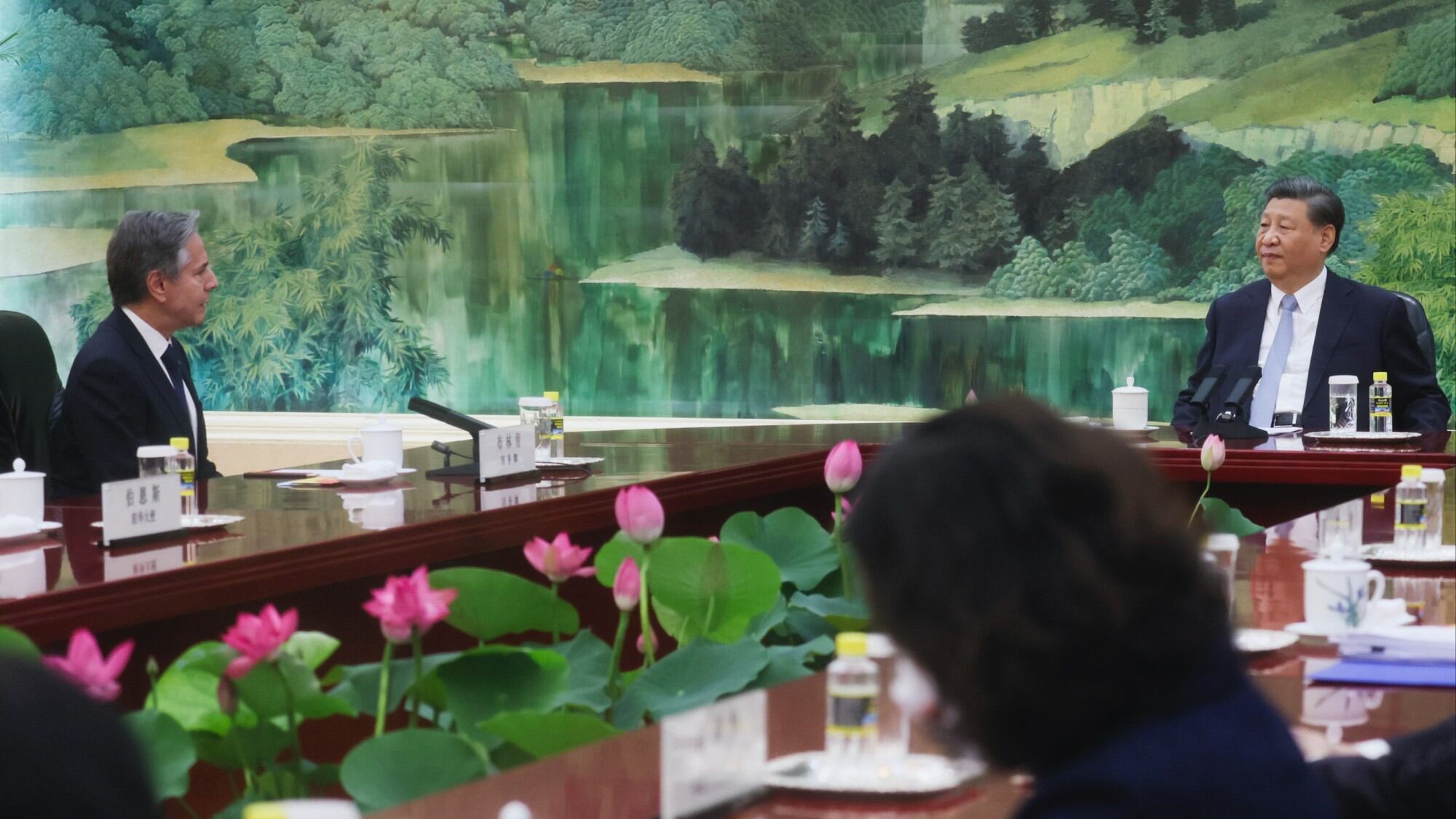
U.S. Secretary of State Antony Blinken met on Monday with Chinese President Xi Jinping and said they agreed to “stabilize” badly deteriorated U.S.-China ties, but America’s top diplomat left Beijing with his biggest ask rebuffed: better communications between their militaries.
The Massachusetts Air National Guardsman accused of leaking highly classified military documents has been indicted on federal felony charges, the Justice Department said Thursday.