*By Carlo Versano*
Condé Nast's shift to digital continued this week with an announcement that Glamour, the 80-year-old women's fashion magazine, would cease monthly print publication after its January 2019 issue. It follows similar moves by Teen Vogue and Self, other female-focused brands in the Condé stable. The vaunted magazine publisher lost $120 million last year amid a consolidation of its print properties.
Samantha Barry, the editor-in-chief of Glamour, explained the decision in an interview with Cheddar Wednesday as a natural evolution of the brand ー to make sure it's "front and center" for its readers on the digital platforms they use most. She said she will invest in new initiatives, like digital covers, video series, and special projects for web and social audiences. Condé Nast said no layoffs were planned as part of the shift, [according to Variety](https://variety.com/2018/biz/news/glamour-ceases-print-magagazine-conde-nast-1203033464/).
In order to focus on digitally-native content , Barry "wanted to come off a monthly cycle," she said. She noted that while Glamour's print circulation was robust and stable ー 2.2 million subscribers get the magazine every month ー it paled in comparison to its online audience, which totals 20 million people a month across platforms, according to a company spokesperson.
In particular, Glamour's brand of "service journalism" that addresses wellness, sex, and fertility has been increasingly moving to online platforms. It was anachronistic to think that women were still waiting by their mailboxes each month to read and talk about those issues, Barry said.
While revenues from glossy print ads are generally far higher than what media brands can charge for digital ads, Barry said she plans to offset that difference by diversifying Glamour's revenue model with new opportunities for sponsors, such as branded content and live events like the recent Women of the Year Awards. Barry added that Glamour would continue to produce two to three print issues a year, tied to flagship events like Women of the Year. She also said she was "exploring" a paywall that would be narrow in scope, and target certain areas ー career and negotiating tips, as an example ー but said a decision has not been made.
As a Condé Nast title, Glamour is known for its high-quality content and lush photography. Barry said the shift to digital will not change that. "I want to take all of the quality that we've been doing in photography and fashion and beauty, and invest in that digitally."
The last regular print issue of Glamour will hit newsstands Tuesday.
For full interview click [here](https://cheddar.com/videos/glamour-eic-samantha-barry-says-goodbye-to-print-goes-digital).
Ross Gerber, Co-Founder, President, and CEO of Gerber Kawaski Wealth and Investment Management, joins Cheddar News' Closing Bell, where he says now is a great opportunity to buy low on Tesla after shares fell in light of the EV giant's latest earnings report.
High-speed connectivity solutions provider Credo went public on the Nasdaq on Thursday, raising $200 million in its IPO. CEO Bill Brennan, joined Cheddar to discuss its entry into the capital markets and the next chapter for the company. "We're going to be focused on what we have been focused on, which is really creating, creating innovative connectivity solutions that really pushed the edge on efficient power as well as very effective cost," he said.
BD Veritor is a variation of the at-home COVID test that uses a smartphone to interpret the results. The test is taken via a nose swab test strip that is then scanned by your phone’s camera with the result clearly displayed as positive or negative. James Walker, vice president of integrated diagnostics USA for BD, joined Cheddar to discuss how the test hopefully takes the "guesswork out of testing." Walker also went into what BD is doing to deal with the surging demand for at-home tests amid the omicron spread. "While we don't disclose how much we produce, we have capacity to manufacture up to 12 million rapid antigen tests per month and are delivering on our commitments to distributors and retailers," he said.
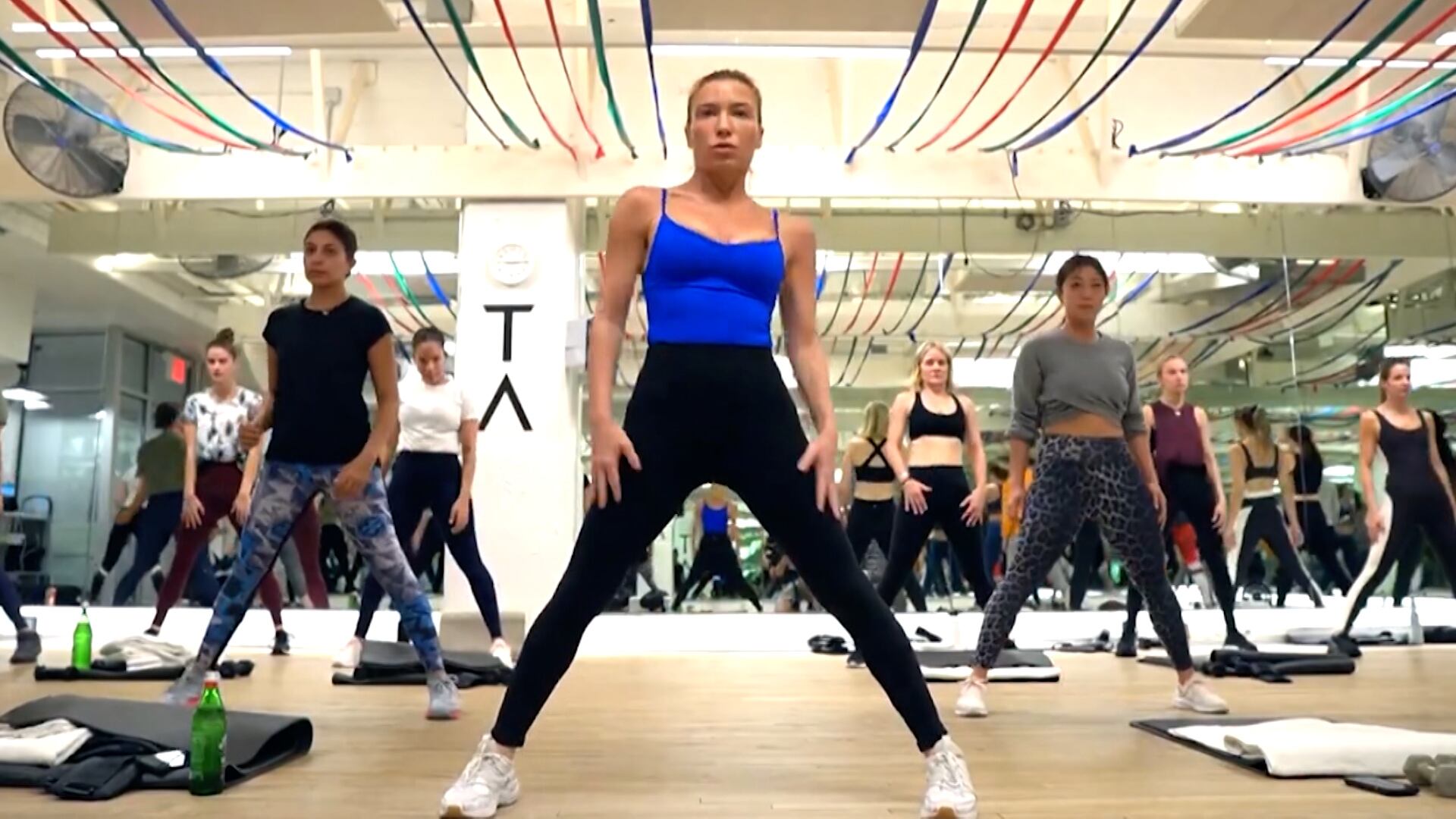
Citi recently began collaborating with fitness entrepreneur Tracy Anderson to promote its Custom Cash Credit card. Pam Habner, CEO of U.S. Branded Cards for Citi, along with Tracy Anderson, creator of The Tracy Anderson Method, joined Cheddar to discuss how health and fitness matched up with a cash back credit card. "The fact that Citi is going 'hey if you lead a healthy lifestyle, we're going to help you out. We understand that it's more expensive and we're going to give you cash back for living your best life,'" Anderson said about the partnership, which also includes a custom promotional Spotify playlist.
Stocks closed lower Thursday amid continued volatility. The S&P 500 was down 10% from its record high, the Dow was down 7%, and the Nasdaq was 4% away from bear market territory as it closed 16% below its record high. Investors are still processing this week's Federal Reserve announcement about a potential first rate hike in March. Chris Gaffney, President of World Markets at TIAA Bank, joins Cheddar News' Closing Bell to discuss today's close, the Fed's announcement, predictions about interest rate hikes, and more.
Low-code app development platform Crowdbotics raised $22 million in a Series A funding round led by Jackson Square Ventures. Crowdbotics has helped more than 14,000 customers launch apps without having to learn how to code. The company can offer a team of expert developers to help companies launch custom apps, or provide the means for companies to develop apps themselves. Crowdbotics CEO Anand Kulkarni joined Cheddar News' Closing Bell to discuss.
Comcast announced that the company has beaten its projected earnings for Q4. However, the telecommunications giant fell short of its predictions for customer growth.
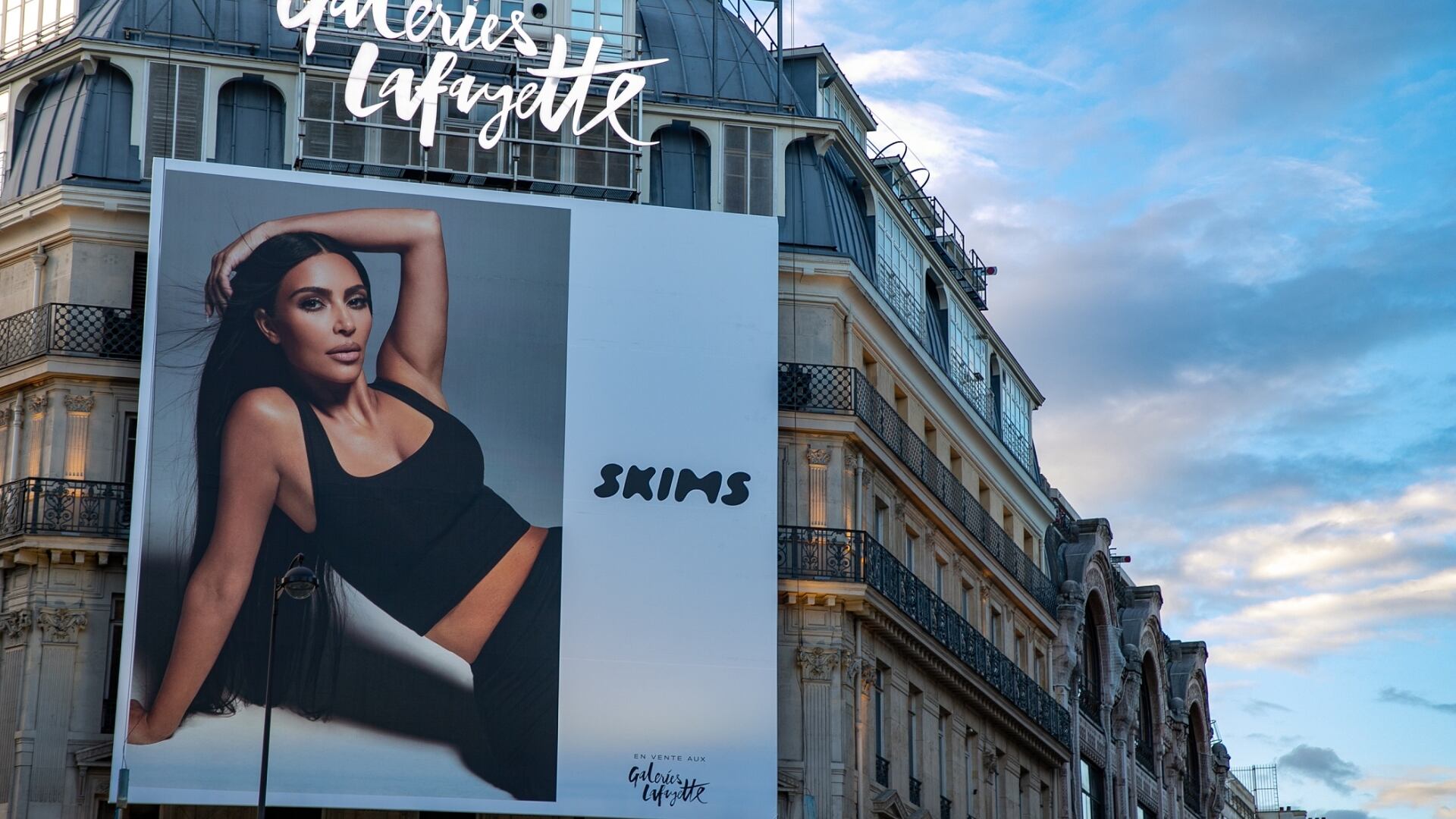
Kim Kardashian’s shapewear brand Skims has doubled its valuation to $3.2 billion. Investors have taken a bet on the success of this brand in the form of fresh funds for the two-year-old company.