*By Carlo Versano*
Condé Nast's shift to digital continued this week with an announcement that Glamour, the 80-year-old women's fashion magazine, would cease monthly print publication after its January 2019 issue. It follows similar moves by Teen Vogue and Self, other female-focused brands in the Condé stable. The vaunted magazine publisher lost $120 million last year amid a consolidation of its print properties.
Samantha Barry, the editor-in-chief of Glamour, explained the decision in an interview with Cheddar Wednesday as a natural evolution of the brand ー to make sure it's "front and center" for its readers on the digital platforms they use most. She said she will invest in new initiatives, like digital covers, video series, and special projects for web and social audiences. Condé Nast said no layoffs were planned as part of the shift, [according to Variety](https://variety.com/2018/biz/news/glamour-ceases-print-magagazine-conde-nast-1203033464/).
In order to focus on digitally-native content , Barry "wanted to come off a monthly cycle," she said. She noted that while Glamour's print circulation was robust and stable ー 2.2 million subscribers get the magazine every month ー it paled in comparison to its online audience, which totals 20 million people a month across platforms, according to a company spokesperson.
In particular, Glamour's brand of "service journalism" that addresses wellness, sex, and fertility has been increasingly moving to online platforms. It was anachronistic to think that women were still waiting by their mailboxes each month to read and talk about those issues, Barry said.
While revenues from glossy print ads are generally far higher than what media brands can charge for digital ads, Barry said she plans to offset that difference by diversifying Glamour's revenue model with new opportunities for sponsors, such as branded content and live events like the recent Women of the Year Awards. Barry added that Glamour would continue to produce two to three print issues a year, tied to flagship events like Women of the Year. She also said she was "exploring" a paywall that would be narrow in scope, and target certain areas ー career and negotiating tips, as an example ー but said a decision has not been made.
As a Condé Nast title, Glamour is known for its high-quality content and lush photography. Barry said the shift to digital will not change that. "I want to take all of the quality that we've been doing in photography and fashion and beauty, and invest in that digitally."
The last regular print issue of Glamour will hit newsstands Tuesday.
For full interview click [here](https://cheddar.com/videos/glamour-eic-samantha-barry-says-goodbye-to-print-goes-digital).
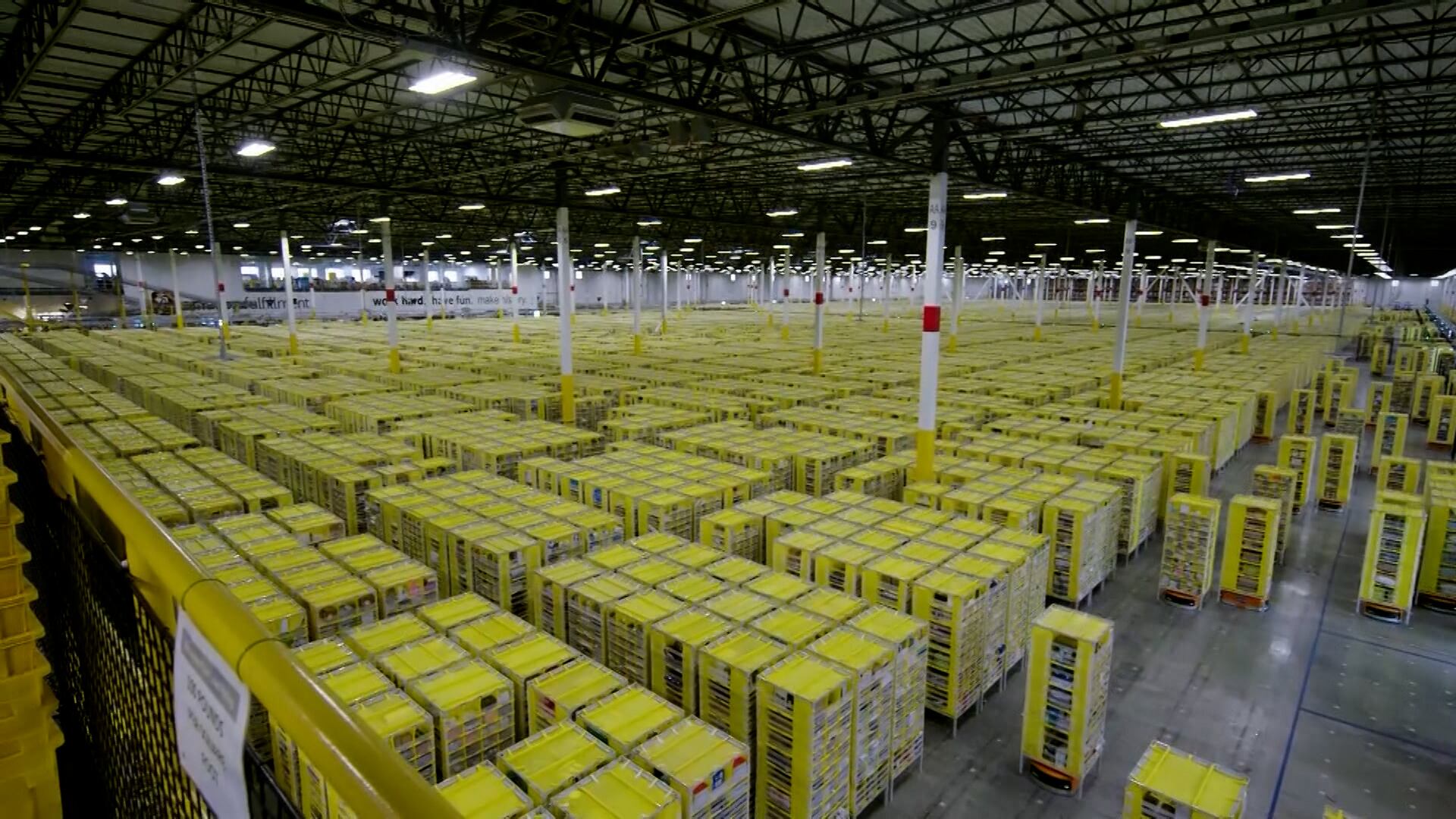
Amazon warehouse workers in Alabama are set to begin voting to unionize for a second time after workers at the facility in the town of Bessemer overwhelmingly voted against forming a union during an election early last year; but in November, the National Labor Relations Board overturned the vote, upholding a union challenge of the results which argued that Amazon undermined the conditions for a fair election. Another round of ballots will now be mailed out to works at the warehouse for a so-called re-run election. Director of Labor and Employment Studies at San Francisco State University John Logan and National Field Director for Our Revolution Mike Oles joined Cheddar News' Closing Bell to discuss.
Stocks closed near session highs Tuesday as investors eyed more strong corporate earnings reports, and prepped for Thursday CPI data which will give an idea of how hot inflation may still be running. Hugh Johnson, Chairman and Chief Economist of Hugh Johnson Economics, joined Closing Bell to discuss today's close, earnings season so far, predictions about the Federal Reserve's plan to raise interest rates, and more.
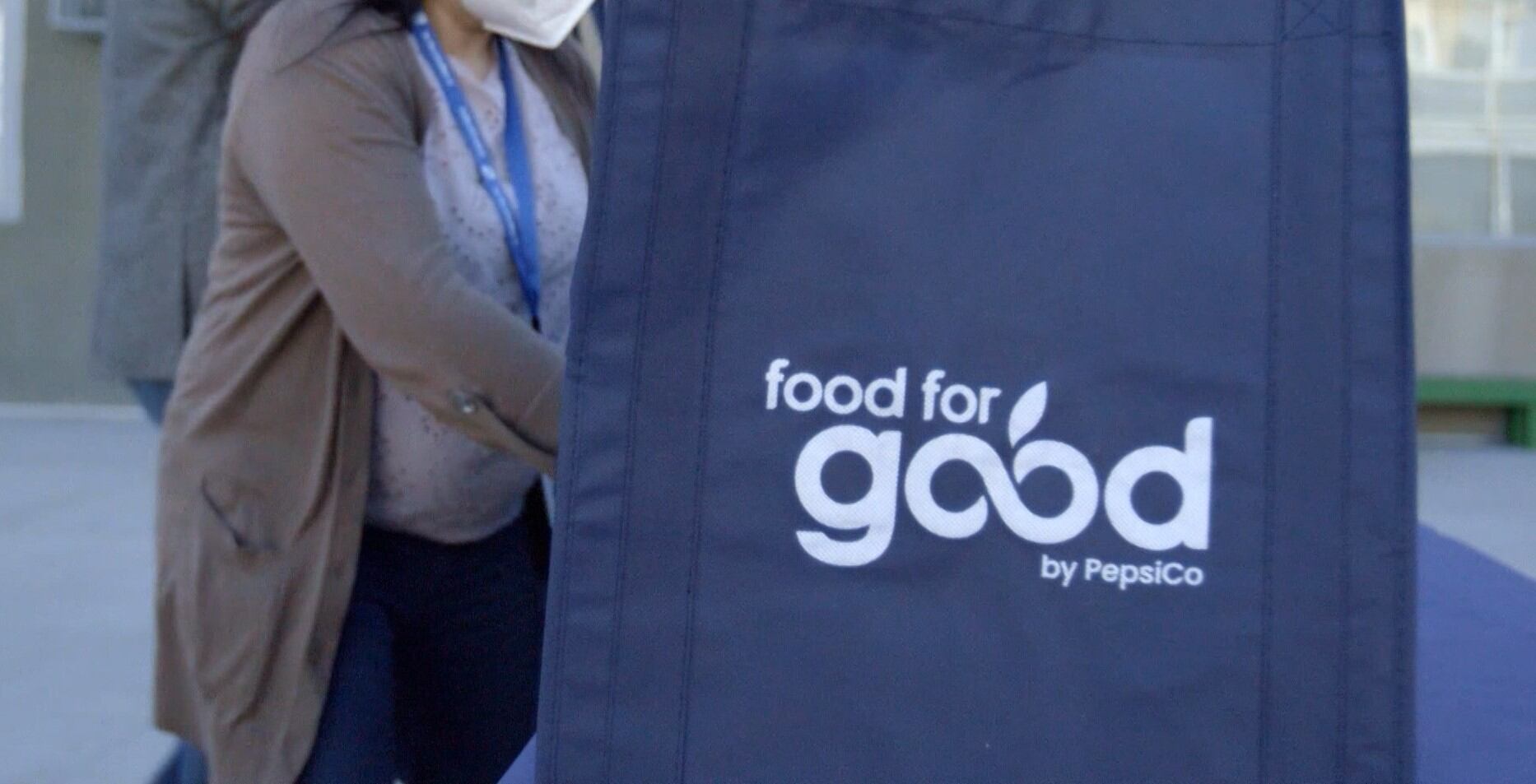
Johannes Evenblij, President of PepsiCo Beverages North America for the West Division, joins Cheddar News to discuss giving back at the Super Bowl this year
Youth sports coaching service MOJO has partnered with Major League Baseball, named the "trusted grassroots coaching app" of the MLB. The app provides content for parents and coaches to help young players grow their skills. Ben Sherwood, founder & CEO of MOJO joined Cheddar News to talk about how his app works to improve coaching to keep players interested. "The number one reason that kids drop out of sports and all of the surveys is that sports aren't fun, and one of the big reasons that sports aren't fun is that the coach doesn't know what she or he is doing," he said. "We think there's a great coach in everyone, and we just have to have the right resources and tools and inspiration."
Big tech companies such as Amazon and Google are garnering criticism for failing at their proposed climate pledges, most of which rely on carbon offsets — a potential loophole where companies pay others to address their omissions. Gilles Dufrasne, policy officer at Carbon Market Watch, joined Cheddar News to explain the organization's negative evaluation. "The objective here is not to bash companies and say everybody is doing the wrong thing," he said. "The objective is to also provide lessons, and there are some companies that are doing the right thing."