*By Carlo Versano*
Condé Nast's shift to digital continued this week with an announcement that Glamour, the 80-year-old women's fashion magazine, would cease monthly print publication after its January 2019 issue. It follows similar moves by Teen Vogue and Self, other female-focused brands in the Condé stable. The vaunted magazine publisher lost $120 million last year amid a consolidation of its print properties.
Samantha Barry, the editor-in-chief of Glamour, explained the decision in an interview with Cheddar Wednesday as a natural evolution of the brand ー to make sure it's "front and center" for its readers on the digital platforms they use most. She said she will invest in new initiatives, like digital covers, video series, and special projects for web and social audiences. Condé Nast said no layoffs were planned as part of the shift, [according to Variety](https://variety.com/2018/biz/news/glamour-ceases-print-magagazine-conde-nast-1203033464/).
In order to focus on digitally-native content , Barry "wanted to come off a monthly cycle," she said. She noted that while Glamour's print circulation was robust and stable ー 2.2 million subscribers get the magazine every month ー it paled in comparison to its online audience, which totals 20 million people a month across platforms, according to a company spokesperson.
In particular, Glamour's brand of "service journalism" that addresses wellness, sex, and fertility has been increasingly moving to online platforms. It was anachronistic to think that women were still waiting by their mailboxes each month to read and talk about those issues, Barry said.
While revenues from glossy print ads are generally far higher than what media brands can charge for digital ads, Barry said she plans to offset that difference by diversifying Glamour's revenue model with new opportunities for sponsors, such as branded content and live events like the recent Women of the Year Awards. Barry added that Glamour would continue to produce two to three print issues a year, tied to flagship events like Women of the Year. She also said she was "exploring" a paywall that would be narrow in scope, and target certain areas ー career and negotiating tips, as an example ー but said a decision has not been made.
As a Condé Nast title, Glamour is known for its high-quality content and lush photography. Barry said the shift to digital will not change that. "I want to take all of the quality that we've been doing in photography and fashion and beauty, and invest in that digitally."
The last regular print issue of Glamour will hit newsstands Tuesday.
For full interview click [here](https://cheddar.com/videos/glamour-eic-samantha-barry-says-goodbye-to-print-goes-digital).
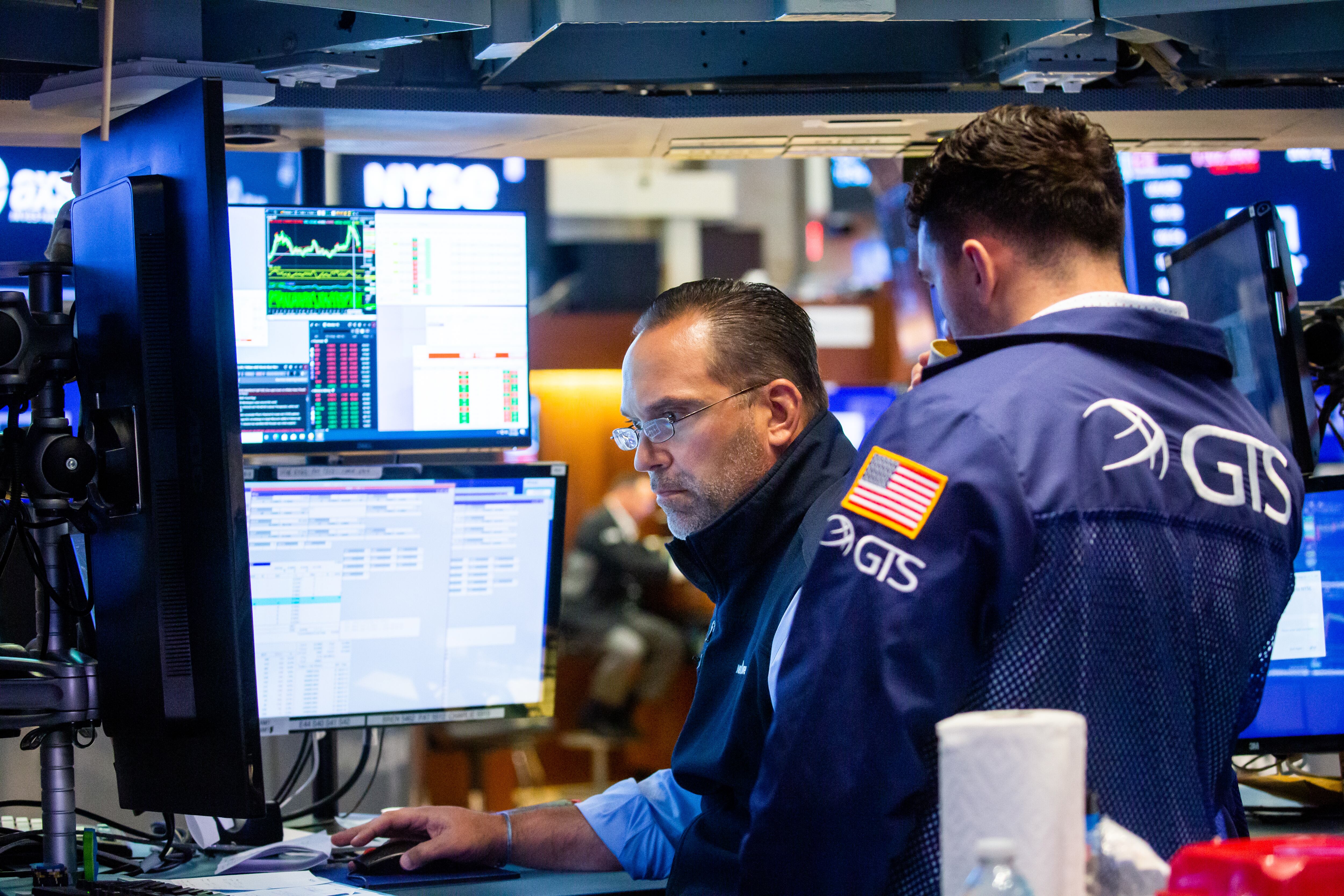
Stocks closed lower to end the last trading day of May, but the S&P 500 and the Dow Jones both rose over the past month. The Federal Reserve in early May raised interest rates by half a percentage point as it tries to fight inflation, but the question continues to linger: will we enter a recession as we try to tame inflation? Anthony Saccaro, Founder & President of Providence Financial, joins Closing Bell to discuss today's close, the possibility of a recession, where he is telling clients to look for opportunities, and more.
The semiconductor industry is at an inflection point as it tries to fully recover from the worst of pandemic-era headwinds. While Broadcom has announced it will buy cloud computing company VMware, Nvidia is lowering its current quarterly outlook. Meanwhile, TSMC and Intel are contemplating raising prices -- again -- thanks to higher materials costs. Where does the industry go from here? Ted Mortonson, technology strategist at Baird, joins Closing Bell to discuss.
Memorial Day rang in the unofficial start of summer here in the United States -- and with it, the unofficial start of summer travel. Whether consumers traveled by air or by land, they probably experienced some form of frustration over the weekend. Flyers faced delays and cancellations, and drivers faced the most expensive gas prices ever recorded on Memorial Day. Zach Griff, Senior Aviation Reporter for the Points Guy, joins Cheddar News' Closing Bell to discuss.
Next-generation gaming ecosystem Joystick recently raised $8 million in a seed round and is in the process of raising a $110 million Series A funding round. Gaming ecosystems are a relatively new type of platform in the Web3 space, allowing users to maximize their play-to-earn gaming opportunities, exchange crypto-currencies, and sell their digital assets. Joystick says its platform is flipping the current model on its head by giving players the opportunity to keep 100% of the revenue they earn. Robin Defay, co-founder and CEO of Joystick, and Michael Le, co-founder of Joystick and TikTok content creator, join Cheddar News' Closing Bell to discuss.
Abe Stein, Head of Innovation at Sports Innovation Lab, joins Cheddar News' Closing Bell, where he explains why the top four spots on his company's 2022 list are European soccer clubs and discusses Sports Innovation Lab's plan to publish data on women's pro sports teams in the not-too-distant future.
Joel Birch, Co-Founder and CEO of Stacked, joins Cheddar News' Closing Bell, where he explains why he doesn't see any new catalysts that would lead to a Bitcoin rally at the moment. He also reiterates that now is a good time for long-term Bitcoin investors to buy low.
The dating app Bumble has sponsored bills and pushed lawmakers to criminalize the online practice of sending unsolicited nudes or “cyberflashing." Payton Iheme, Bumble's head of public policy for the Americas, joined Cheddar News to discuss why the app was going after the harassing behavior beyond its own platform. "Now, while we went to work internally in the company, and we created something called private detector to automatically blur those images so the user can decide if they want to see them, there's nothing for the rest of the internet," she said. "And so that's why we went to work with these laws."