This image taken from video and provided by the Louisville Metro Police Department shows a 6-year old Kentucky girl who was rescued by Louisville Metro Police after she was kidnapped, Friday, July 2, 2021 in Louisville, Ky. A 6-year-old Kentucky girl who was snatched from her bicycle by a stranger was found quickly, returned to her family and a suspect was charged with kidnapping thanks to the quick actions of neighbors and police, authorities said. (Louisville Metro Police Department via AP)
A 6-year-old Kentucky girl who was snatched from her bicycle by a stranger was found quickly, returned to her family and a suspect was charged with kidnapping thanks to the quick actions of neighbors and police, authorities said.
Those who witnessed the girl being taken from her Louisville neighborhood July 2 swiftly called 911 with a detailed description of the vehicle and a partial license plate number, police spokesperson Beth Ruoff told news outlets.
She said officers responded immediately and saturated the area.
“You just can’t get there fast enough,” said officer Jason Burba, who was among those responding. “Seconds feel like hours. Your only thought is getting there as fast as you can.”
Police found a car matching the description given within 30 minutes and arrested Robby Wildt, 40, who was charged with kidnapping a minor. He has pleaded not guilty.
Neighbor Prentiss Weatherford, who witnessed the child being taken, told WHAS-TV he saw a car come around a corner and park in the middle of the street. He said a man got out and grabbed the girl “by the collar, threw the bike, put her in the passenger seat, and then took off.”
Weatherford said he chased the vehicle and was able to get a partial license plate number.
When officers found the vehicle, body camera video shows Burba opening the passenger's side door to find the crying girl while Sgt. Joe Keeling places Wildt under arrest.
“I want my daddy!” the little girl cries as Burba carries her from the car.
Stranger abductions are rare, police said.
"Although we do not want the community to be alarmed, this is certainly an educational opportunity for parents to remind their children that ‘stranger danger' is real. It is important to talk to your kids about any adult who tries to use a ruse to lure them to their vehicles or away from public view,” Ruoff said.
On December 25, 2021, NASA got into the holiday spirit by launching the James Webb Space Telescope, the largest and most powerful space science observatory in history.
It is intended to succeed the Hubble Space Telescope as NASA's flagship mission in astrophysics and is able to view objects too old and distant for Hubble. Gregory Robinson, director of NASA's James Webb Space Telescope program, joins Cheddar News' Closing Bell to discuss the mission. "I think a lot of what we don't know today is what I'm expecting to find and certainly really understand what took place more than 13.5 billion years ago and see the formation of some of the first galaxies in our universe," said Robinson.
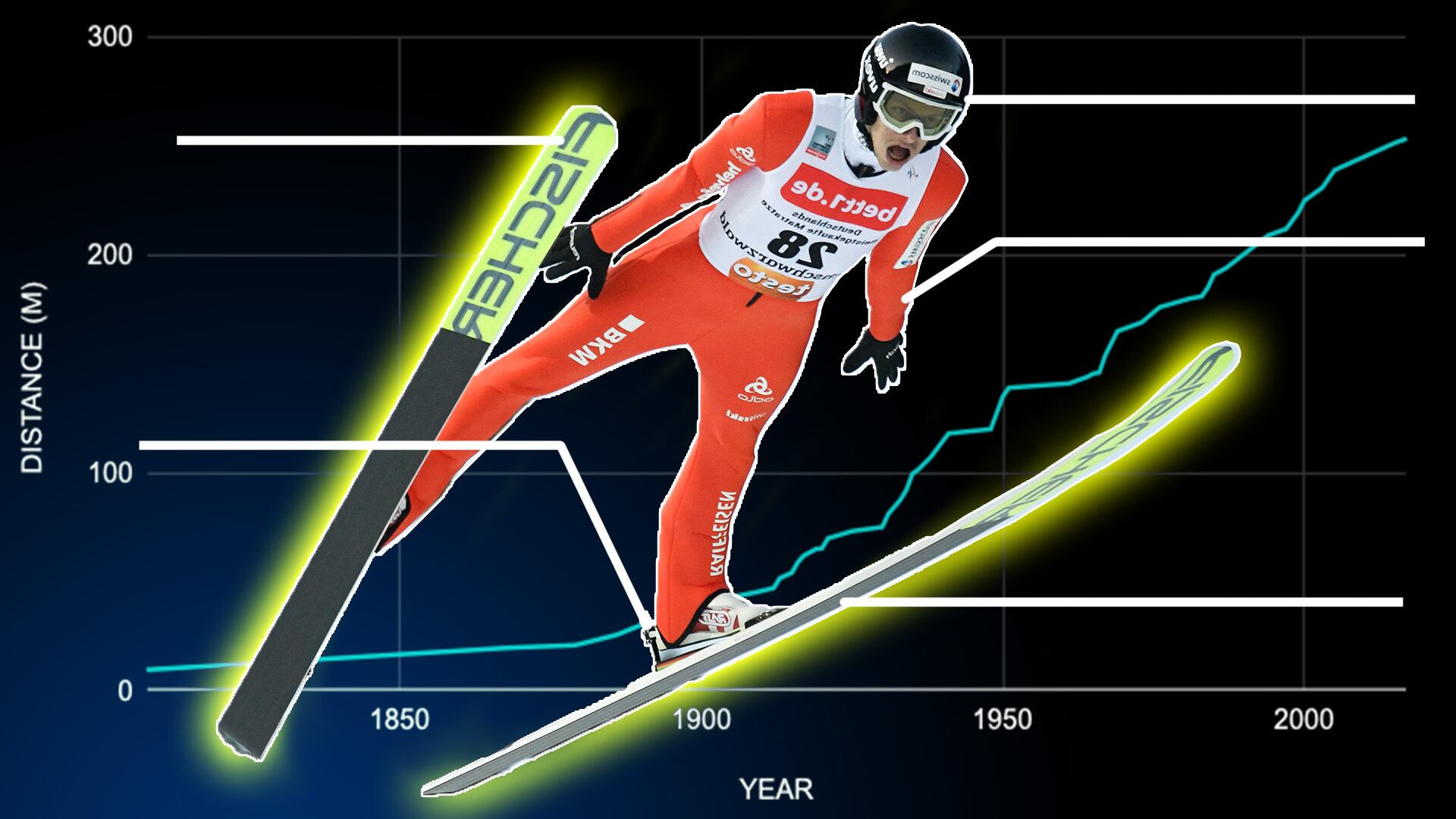
Every few years, the Olympics roll around to prove that, yes, the world’s best athletes can jump farther, swim faster, and generally crush records that would’ve been impossible just a few decades ago. Take ski jumping - the world record has increased by well over 200 meters in fewer than 100 years. Responsible for this is a lot of intentional engineering of equipment and hills, but perhaps the biggest change is thanks to one act of human daring. Watch to find out how!
YouTube creator platform Spotter recently announced $200 million in Series D financing at a valuation of $1.7 billion, led by SoftBank Vision Fund 2. Spotter allows YouTubers to license the rights to their video catalogs in exchange for large sums of cash paid upfront. The company's clients include some of YouTube's most popular personalities, with a combined total of more than 1.2 billion subscribers. Aaron Debevoise, founder and CEO of Spotter, joins Cheddar News' Closing Bell to discuss.
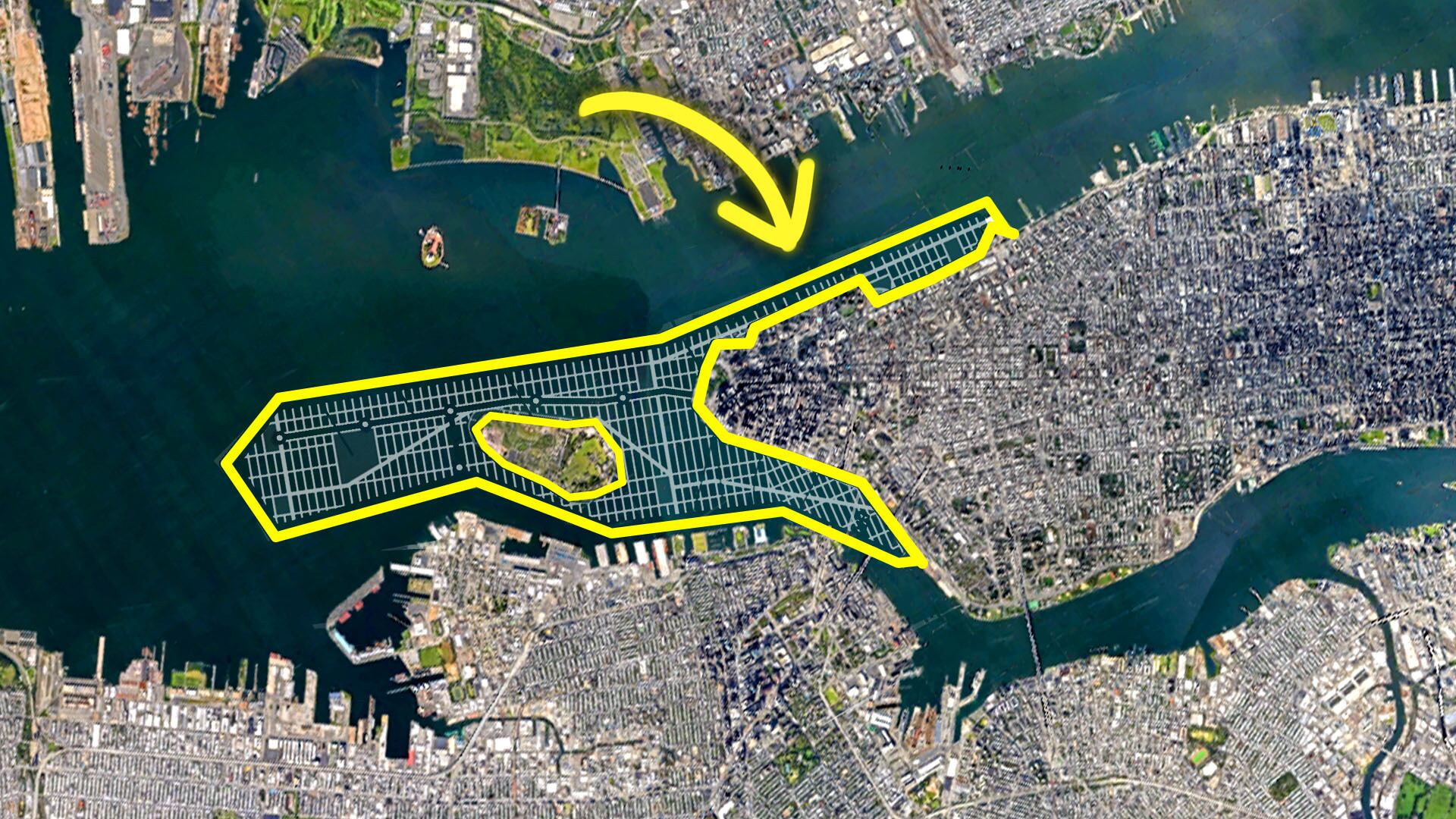
What if we added the equivalent of over 1300 football fields to the tip of Manhattan? This was the proposal of a recent op-ed in The New York Times - increasing the size of the borough by about 12% in order to mitigate two of its most pressing problems. There’s evidence from all over the world that doing this can be a useful technique for crowded ocean-side cities. But the process to do so - reclaiming land from the ocean - is rife with potential downsides. So is this a proportional response to gigantic problems? Or a zany harebrained scheme that’ll do more harm than good?
Marti Bledsoe Post, executive director of On Our Sleeves, joins Cheddar News to discuss the latest study finding the impact children's mental health can have on working parents.
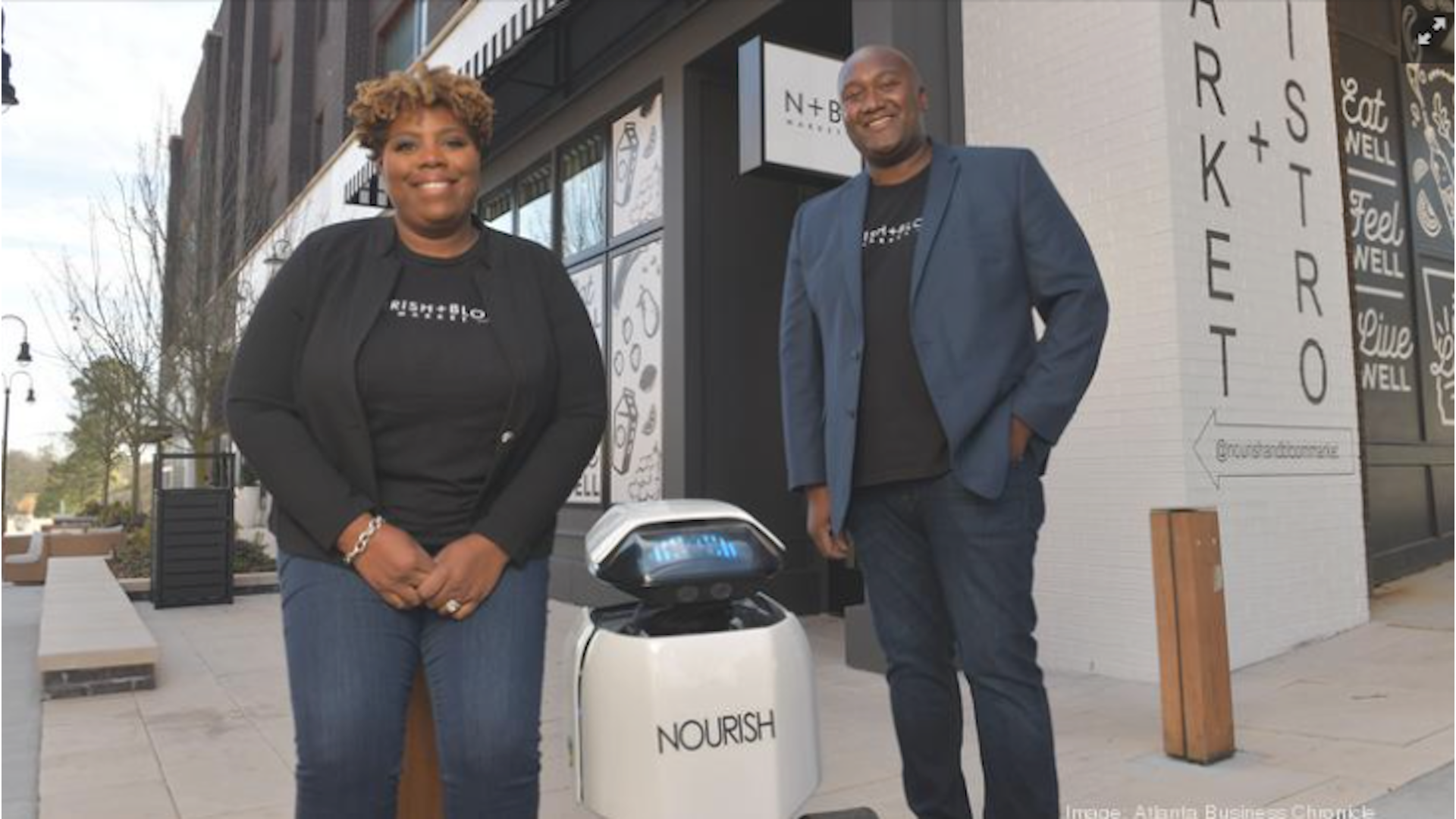
Jamie Hemmings and Jilea Hemmings, owners and founders of Nourish + Bloom Market, join Cheddar News to talk about the inspiration behind creating their cashierless grocery store.
Bartholomew Jones and Renata Henderson, co-owners of Cxffeeblack, join Cheddar News to discuss how they are merging Black culture with coffee in Memphis.
Dr. Daniel Bober, psychiatrist and certified addiction medicine physician, joins Cheddar News to offer tips on how parents and guardians can talk to their children about what's happening in Ukraine.