*By Conor White*
Giphy, the internet's largest search engine for gifs, is turning its attention to advertising ー and it has a simple strategy.
"We need to make ads that don't suck," said Adam Leibsohn, the company's COO. "We always say, you should entertain, not advertise."
Giphy has worked on six- and seven-figure deals with major brands like [Absolut Vodka](https://giphy.com/absolutvodka) and [Dunkin' Donuts](https://giphy.com/dunkindonuts), as well as a campaign for the film ["Sorry to Bother You"](https://giphy.com/sorry2botheryou). Leibsohn said Monday in an interview on Cheddar the advertising angle is a natural approach for Giphy.
"Paid search is our revenue model," he said. "So, you can basically place content in relevant searches, so that your content comes back as the first result, and then people use it a lot more."
With 300 million daily active users who serve up 5 billion gifs, Leibsohn said, the platform is looking to turn a profit for the first time in its five-year history.
"People really love to use \[gifs\], in messaging, in communication, in social," Leibsohn said. "What we've been starting to do is work with brands to help them get involved in those conversations."
Though the company isn't openly discussing its revenue goals, Leibsohn said he expects significant growth, thanks to the new partnerships ー and he doesn't expect the public to get sick of the medium any time soon.
"It's not really fatigue because every day a different piece of culture, a different piece of content is what's driving the conversation, so as long as culture remains moving, gifs remain popular."
For full interview, [click here] (https://cms.cheddar.com/videos/VmlkZW8tMjE5OTQ=).
According to a recent report from T-Mobile, spam call traffic doubled in 2021. The company says so far they have been able to block just 21 billion spam calls for their customers this year. Despite telecom giants blocking these calls, a number of customers continue to receive these spam calls, especially during the holiday season. Founder and President of Vertical Consultants Hugh Odom, joined Cheddar to discuss more.
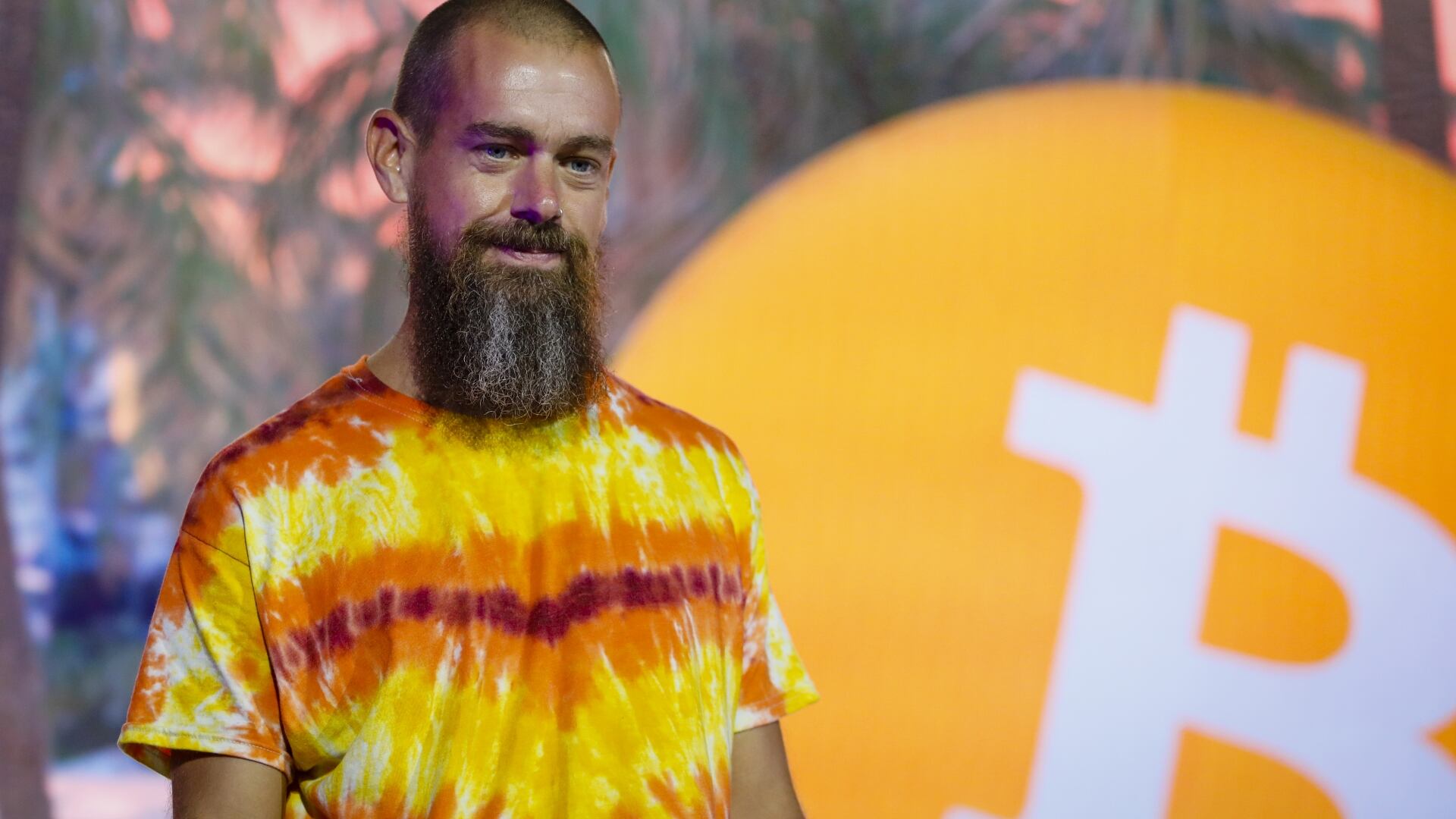
Venture capitalists and CEOs are clashing over the future of the internet. Web3 is the tech world's name for a decentralized, blockchain-based internet that runs on cryptocurrency. It was recently the topic of a tweet from Block CEO and former Twitter CEO Jack Dorsey who wrote that Web3 will not actually be owned by users, and instead be controlled by rich venture capitalists. Dorsey later shared that he was blocked on Twitter by Marc Andreesen, co-founder of VC firm Andreesen Horowitz, which has invested billions of dollars into Web3 and crypto projects. Correspondent for DealBook from the New York Times, Ephrat Livni, joins Cheddar News' Closing Bell to discuss what this could mean for the future of Web3.
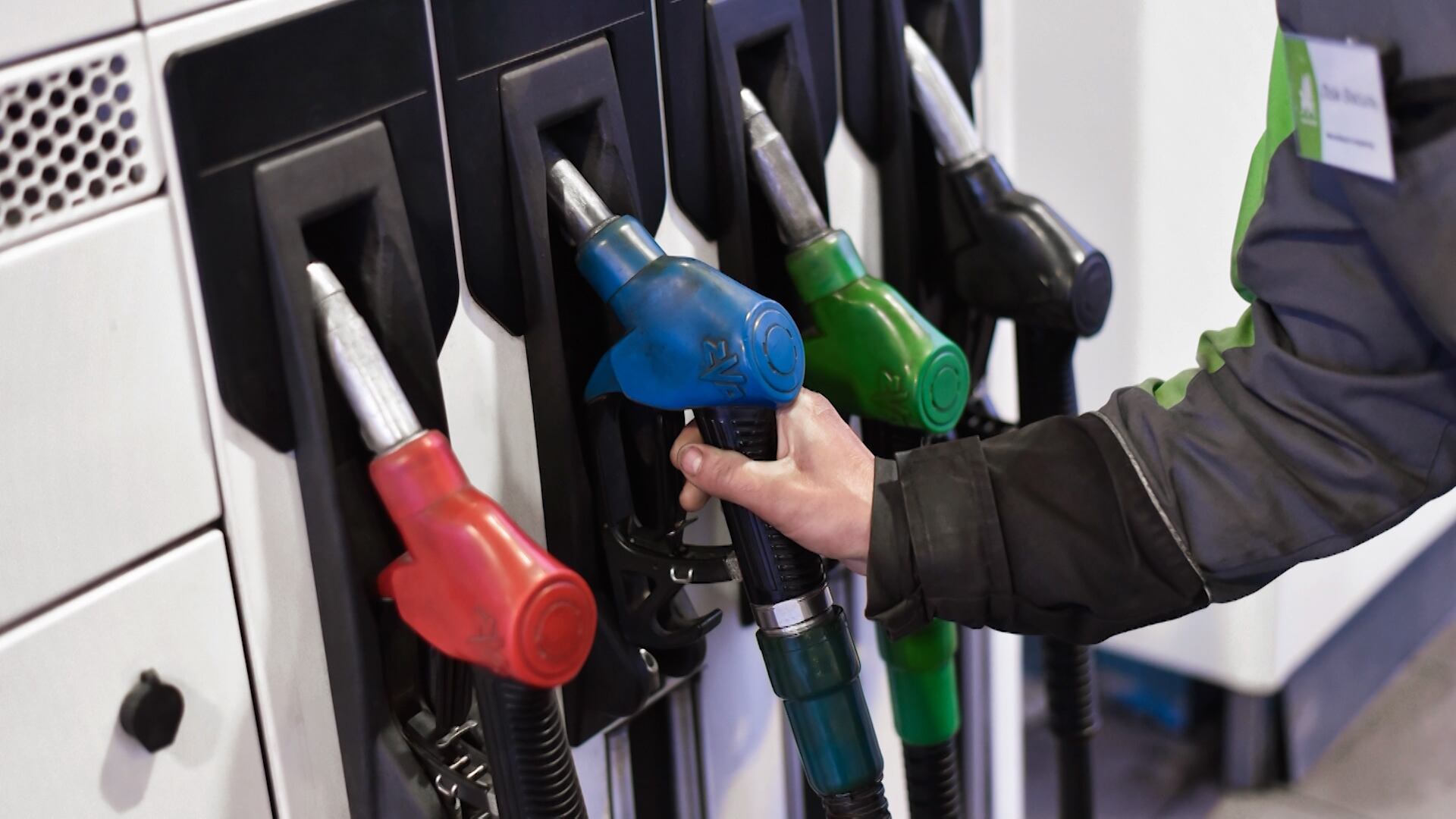
Prices at the pump this year reached a seven-year high, and a new forecast from GasBuddy shared with CNN predicts that gas prices will only continue to rise in 2022 and that the national average could even reach $4.00 a gallon; however, analysts at GasBuddy say anything could happen when it comes to gas prices in the future, as the pandemic has made it difficult to make any predictions about the economy. Consumer Energy Alliance federal policy advisor Michael Zehr joins Cheddar News' Closing Bell to discuss.