*By Conor White*
Giphy, the internet's largest search engine for gifs, is turning its attention to advertising ー and it has a simple strategy.
"We need to make ads that don't suck," said Adam Leibsohn, the company's COO. "We always say, you should entertain, not advertise."
Giphy has worked on six- and seven-figure deals with major brands like [Absolut Vodka](https://giphy.com/absolutvodka) and [Dunkin' Donuts](https://giphy.com/dunkindonuts), as well as a campaign for the film ["Sorry to Bother You"](https://giphy.com/sorry2botheryou). Leibsohn said Monday in an interview on Cheddar the advertising angle is a natural approach for Giphy.
"Paid search is our revenue model," he said. "So, you can basically place content in relevant searches, so that your content comes back as the first result, and then people use it a lot more."
With 300 million daily active users who serve up 5 billion gifs, Leibsohn said, the platform is looking to turn a profit for the first time in its five-year history.
"People really love to use \[gifs\], in messaging, in communication, in social," Leibsohn said. "What we've been starting to do is work with brands to help them get involved in those conversations."
Though the company isn't openly discussing its revenue goals, Leibsohn said he expects significant growth, thanks to the new partnerships ー and he doesn't expect the public to get sick of the medium any time soon.
"It's not really fatigue because every day a different piece of culture, a different piece of content is what's driving the conversation, so as long as culture remains moving, gifs remain popular."
For full interview, [click here] (https://cms.cheddar.com/videos/VmlkZW8tMjE5OTQ=).
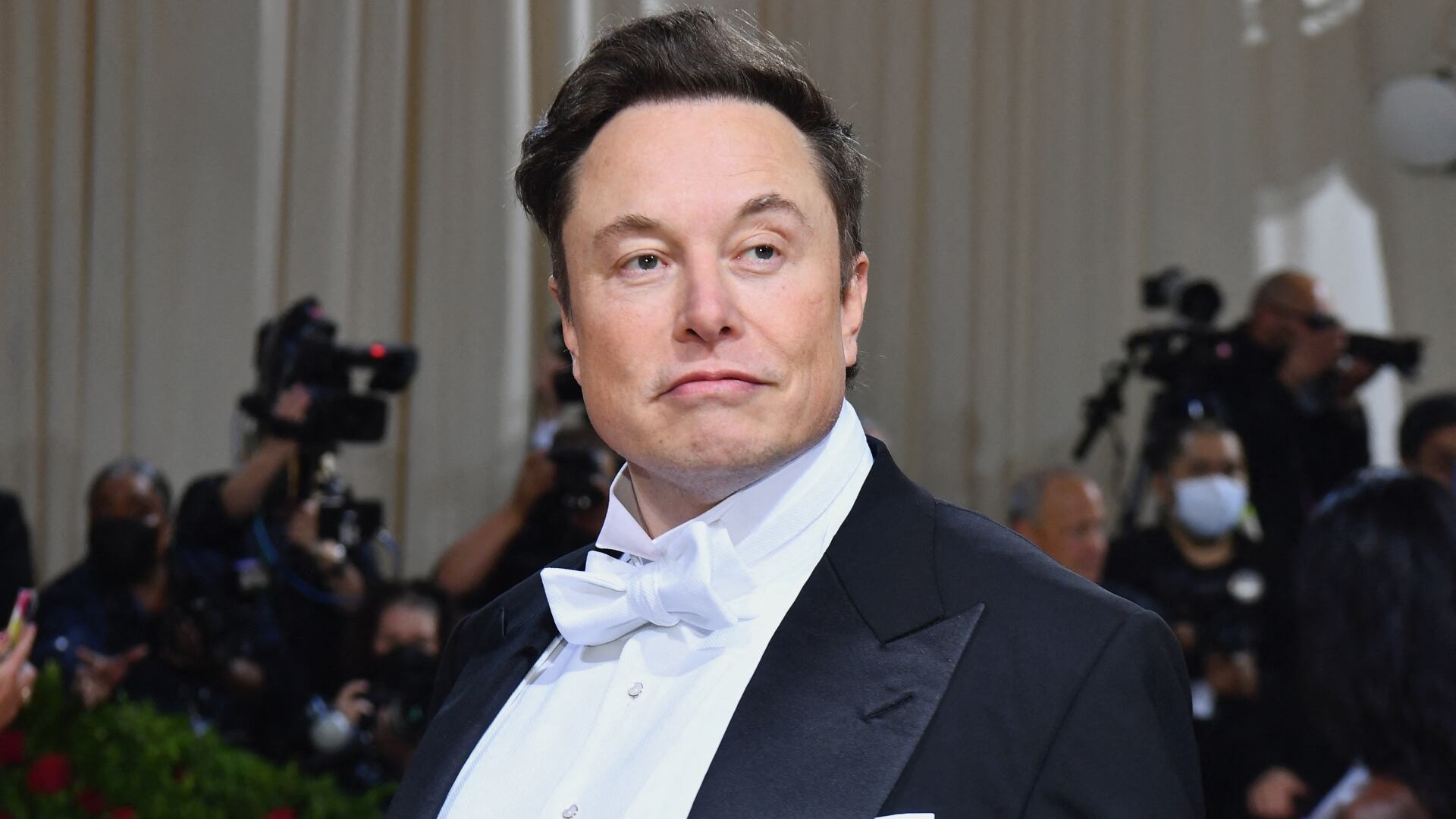
Elon Musk is demanding his Tesla employees to return to the office full time, a minimum of at least 40 hours a week. The CEO also took a shot at other companies who have some form of work-from-home status. The ultimatum comes at a tumultuous time for Musk with the reveal of a sexual misconduct scandal and his attempted Twitter purchase.
Bindu Sundaresan, Director, AT&T Cybersecurity, joins Cheddar to discuss best practices and important cybersecurity milestones to hit for any organization, and how small business owners can think about cyber beyond technology and compliance.
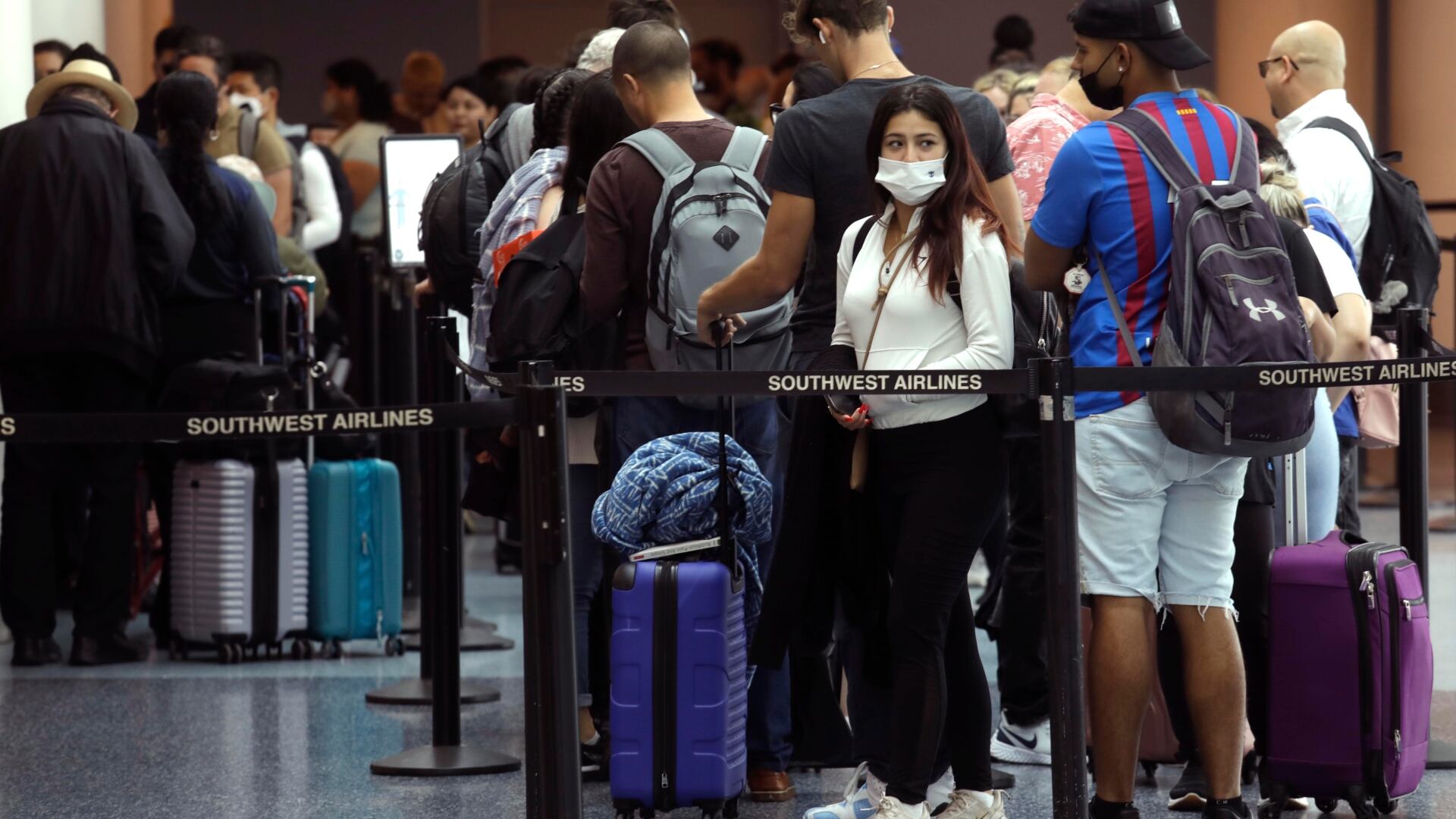
Memorial Day rang in the unofficial start of summer here in the United States -- and with it, the unofficial start of summer travel. Whether consumers traveled by air or by land, they probably experienced some form of frustration over the weekend. Flyers faced delays and cancellations, and drivers faced the most expensive gas prices ever recorded on Memorial Day. Zach Griff, Senior Aviation Reporter for the Points Guy, joins Cheddar News' Closing Bell to discuss.
Next-generation gaming ecosystem Joystick recently raised $8 million in a seed round and is in the process of raising a $110 million Series A funding round. Gaming ecosystems are a relatively new type of platform in the Web3 space, allowing users to maximize their play-to-earn gaming opportunities, exchange crypto-currencies, and sell their digital assets. Joystick says its platform is flipping the current model on its head by giving players the opportunity to keep 100% of the revenue they earn. Robin Defay, co-founder and CEO of Joystick, and Michael Le, co-founder of Joystick and TikTok content creator, join Cheddar News' Closing Bell to discuss.
The dating app Bumble has sponsored bills and pushed lawmakers to criminalize the online practice of sending unsolicited nudes or “cyberflashing." Payton Iheme, Bumble's head of public policy for the Americas, joined Cheddar News to discuss why the app was going after the harassing behavior beyond its own platform. "Now, while we went to work internally in the company, and we created something called private detector to automatically blur those images so the user can decide if they want to see them, there's nothing for the rest of the internet," she said. "And so that's why we went to work with these laws."