More than 90 million square feet of retail space has been shuttered this year, and with the retailer Bon-Ton announcing this week it would close 200 of its stores, 2018 is on track to break last year's record for lost stores.
"This is just another example of one of those big box retailers who weren't nimble enough and really listening to the changing times," said Melissa Gonzalez, founder and CEO of Lionesque Group.
In the first four months of 2018, retail giants like Toys "R" Us, Sears, and Sam's Club have closed all or some of their locations. Moody's distressed-level watch list predicted that others, such as Guitar Center, J. Crew, and David's Bridal could be next.
There have already been more store closures in 2018 than there were in all of 2016. And as each brick-and-mortar shop shutters, it creates potential customers for online retailers like Amazon.
"They have data at their fingertips, they're really at the pulse of understanding what consumers want," said Gonzalez in an interview Friday on Cheddar. "They can serve up the items that you know we want, and present things online before we even know we want them, and they can target us in ways department stores aren't able to do."
For full interview, [click here](https://cheddar.com/videos/2018-the-year-of-retail-closures).
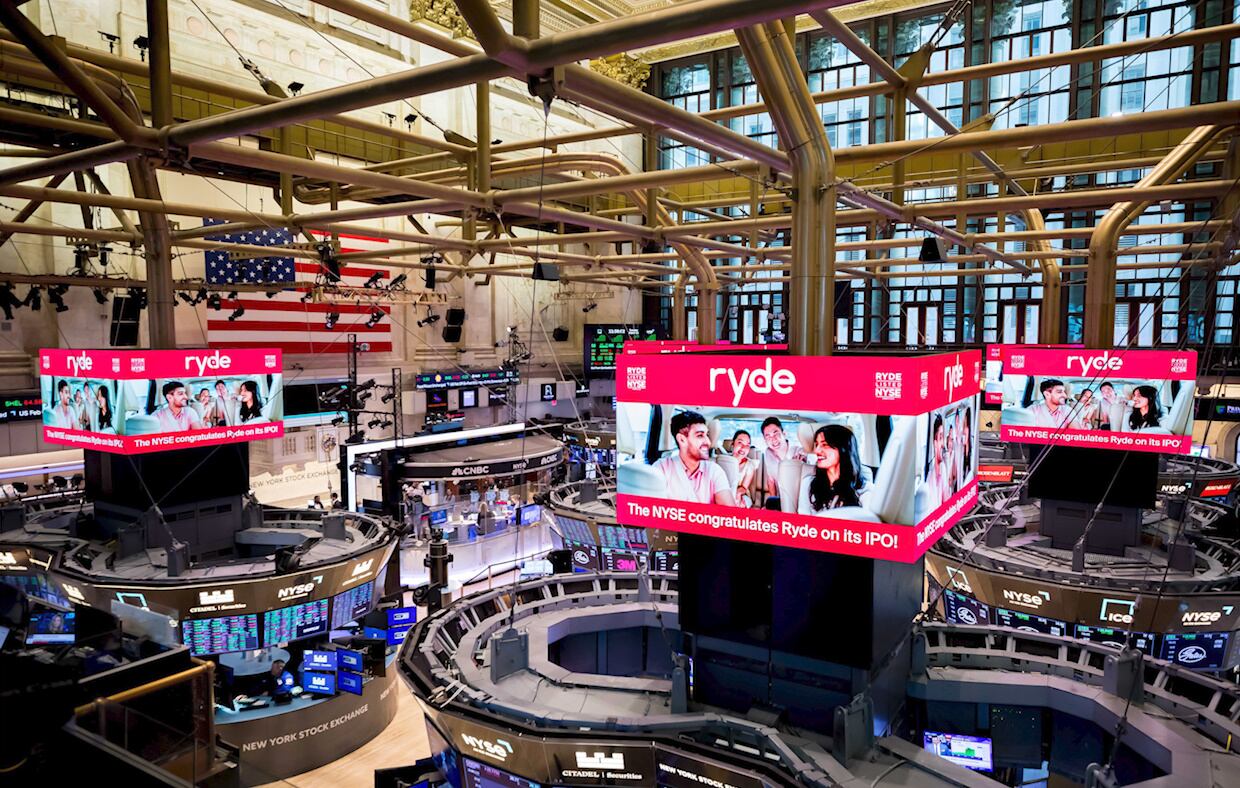
With inflation and prices still on the rise, it might be worth considering a carpool app. One of them, Singapore-based Ryde, just went public in the U.S.
Full Glass Wine Co., the company behind Bright Cellars, Wine Insiders, and Winc, knows you fell in love with home delivery during the pandemic – and it’s investing millions into making it even better.
It might sound counterintuitive, but the Fed cutting interest rates three times this year could cause inflation to spike and actually be worse for markets and the economy as a whole.
Imagine a world with just a handful of mediocre beer options. Terrible, right? That was the U.S. before the explosion of craft breweries, the Samuel Adams founder says.
March was a blockbuster month for jobs, with 303,000 new positions – and paired with slower wage growth, an economist and a portfolio manager agree this could be the ‘best of both worlds.’