More than 90 million square feet of retail space has been shuttered this year, and with the retailer Bon-Ton announcing this week it would close 200 of its stores, 2018 is on track to break last year's record for lost stores.
"This is just another example of one of those big box retailers who weren't nimble enough and really listening to the changing times," said Melissa Gonzalez, founder and CEO of Lionesque Group.
In the first four months of 2018, retail giants like Toys "R" Us, Sears, and Sam's Club have closed all or some of their locations. Moody's distressed-level watch list predicted that others, such as Guitar Center, J. Crew, and David's Bridal could be next.
There have already been more store closures in 2018 than there were in all of 2016. And as each brick-and-mortar shop shutters, it creates potential customers for online retailers like Amazon.
"They have data at their fingertips, they're really at the pulse of understanding what consumers want," said Gonzalez in an interview Friday on Cheddar. "They can serve up the items that you know we want, and present things online before we even know we want them, and they can target us in ways department stores aren't able to do."
For full interview, [click here](https://cheddar.com/videos/2018-the-year-of-retail-closures).
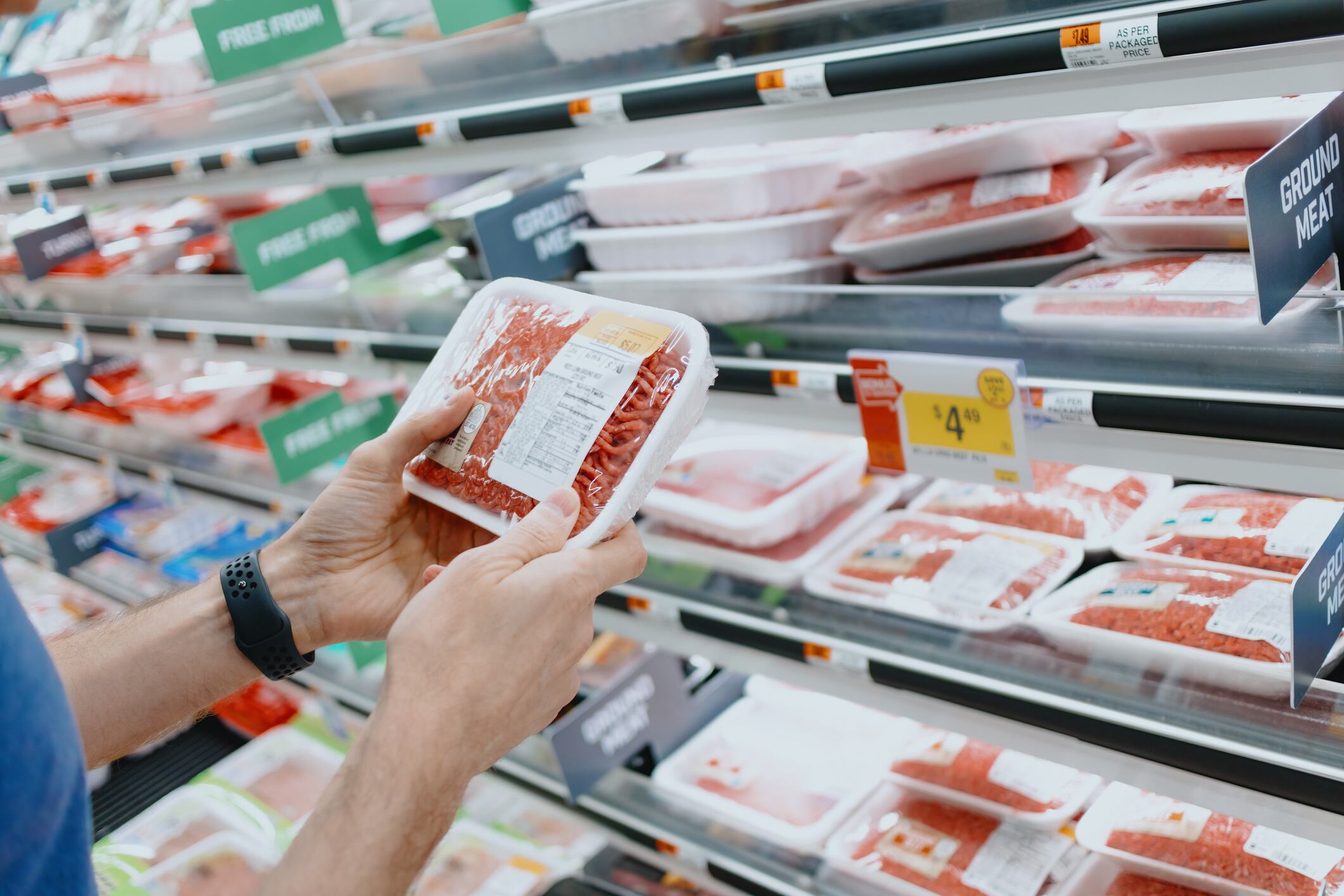
The U.S. Department of Agriculture is proposing a new rule to narrow what products qualify for a "Product of USA” or “Made in the USA” label. Now only meat, poultry and egg products from animals "born, raised, slaughtered, and processed in the United States" will make the grade.
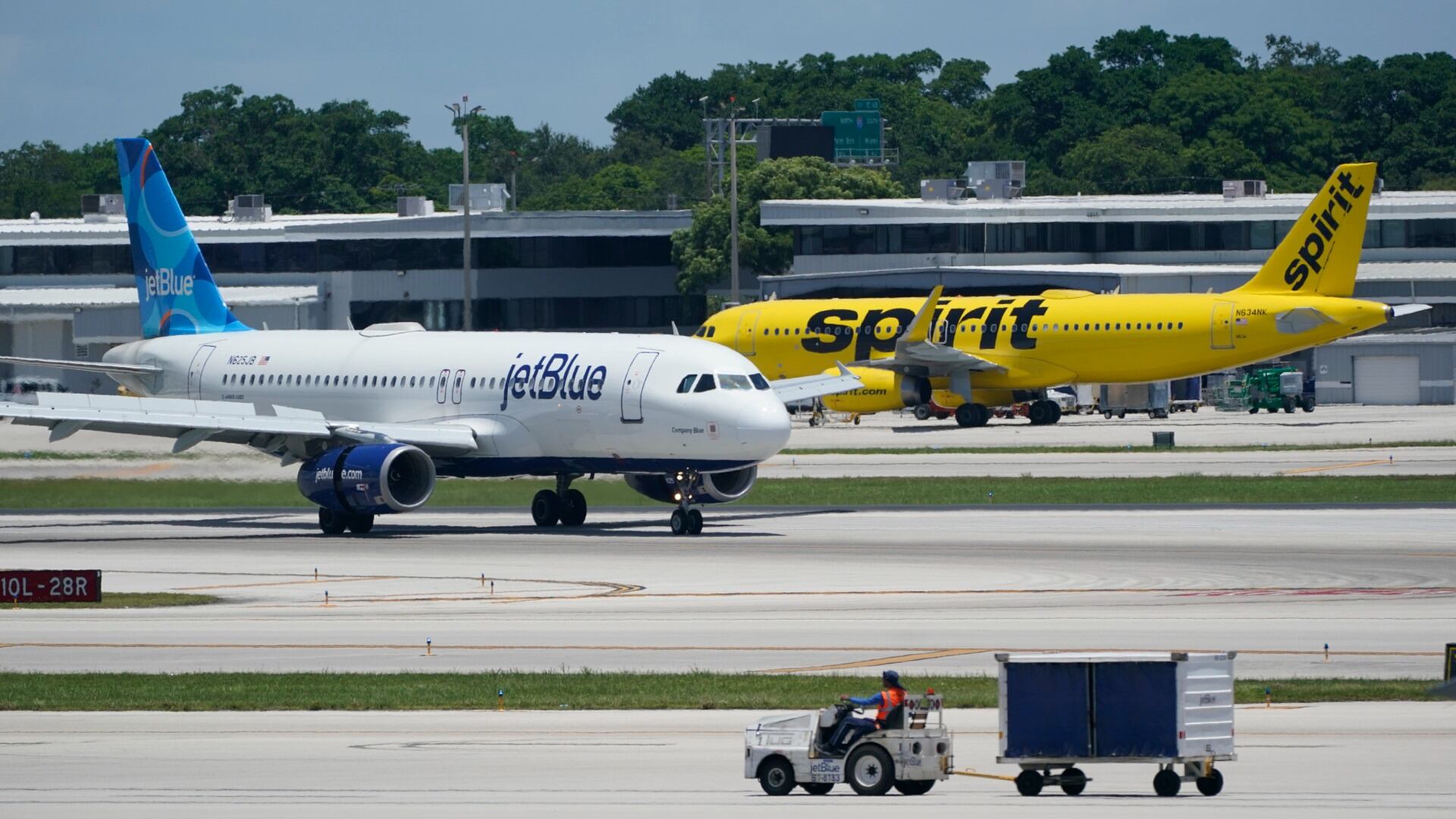
The Biden administration sued to block JetBlue Airways' $3.8 billion purchase of Spirit Airlines, saying Tuesday that the deal would reduce competition and drive up air fares for consumers.
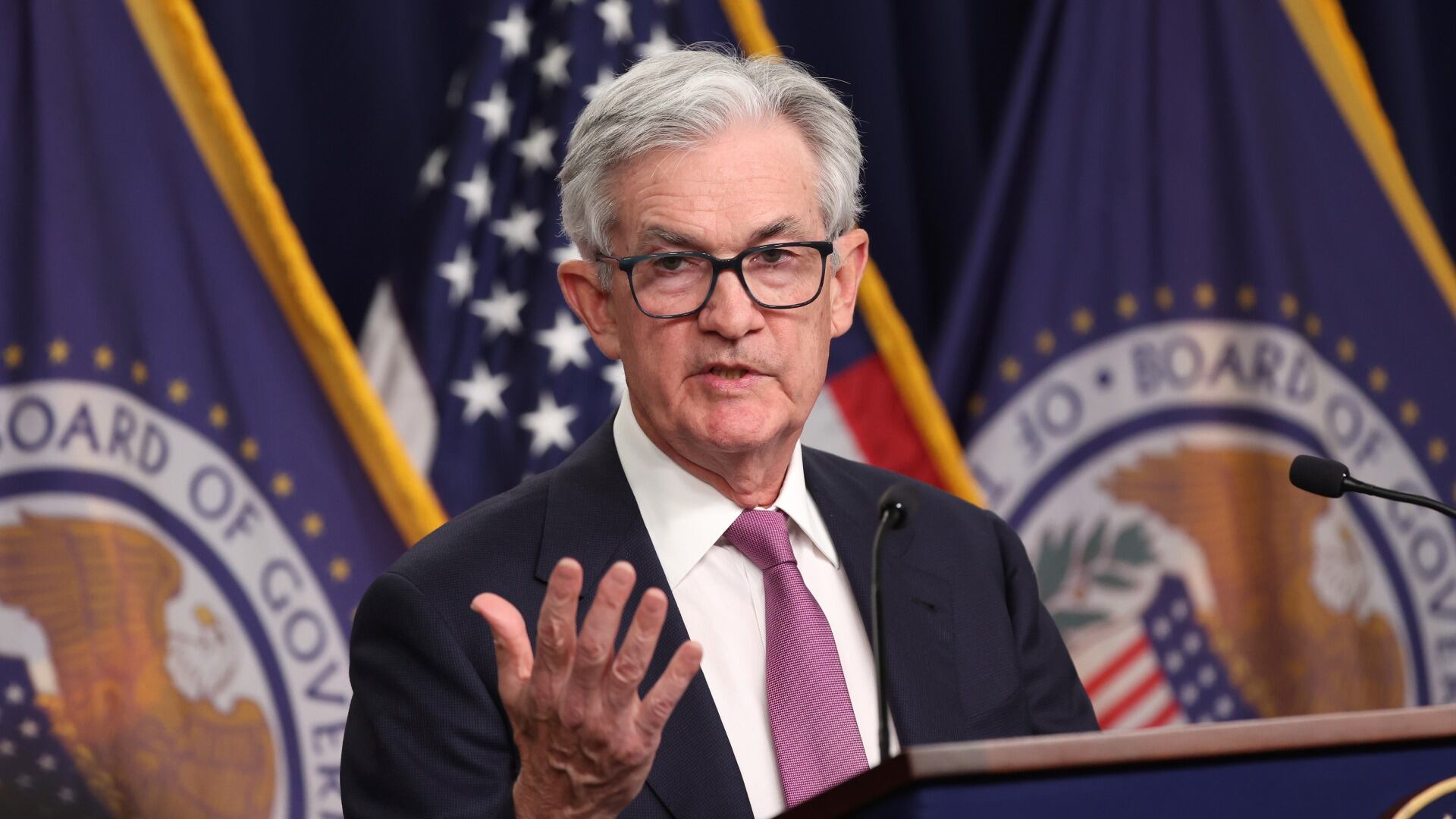
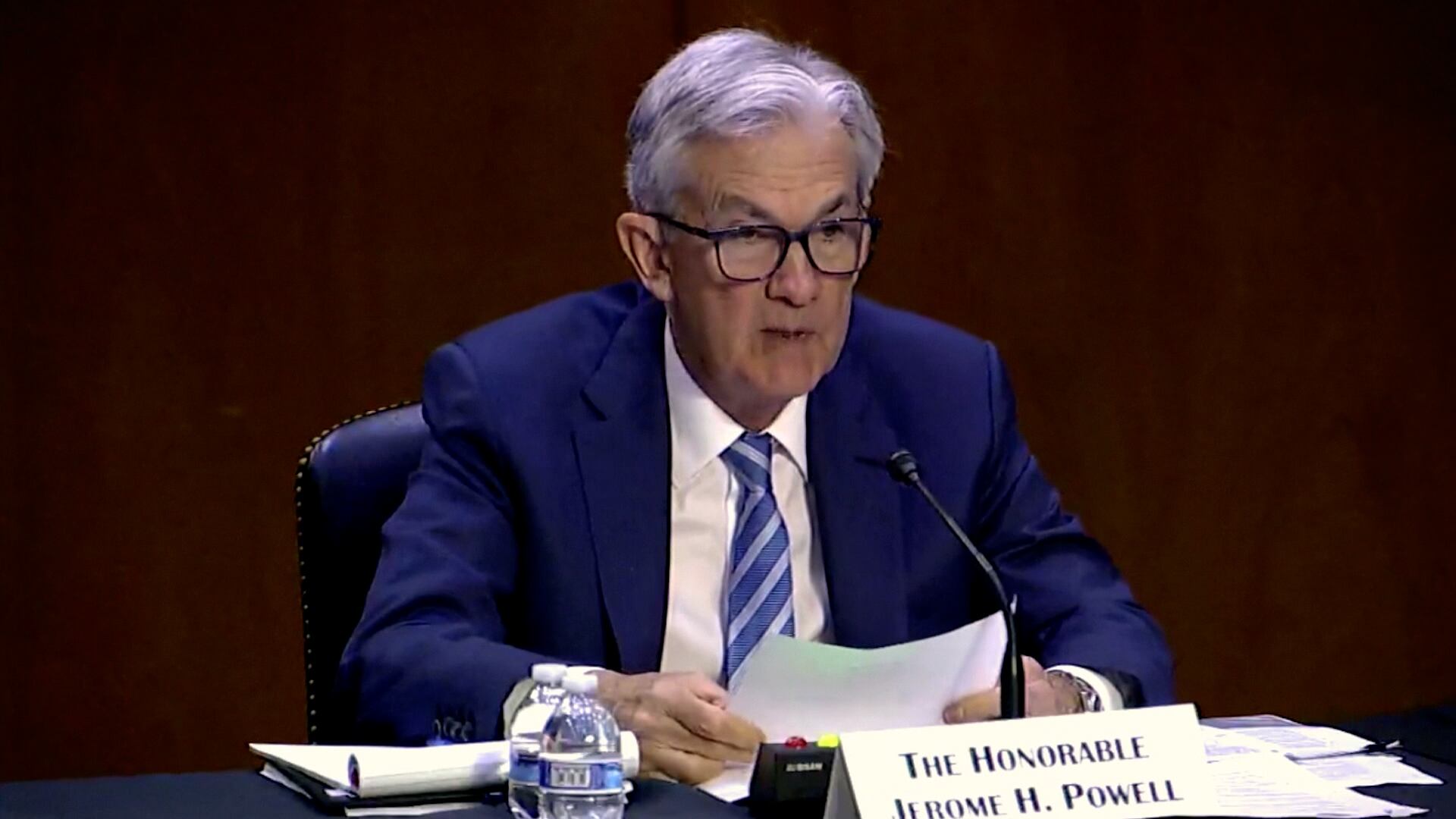
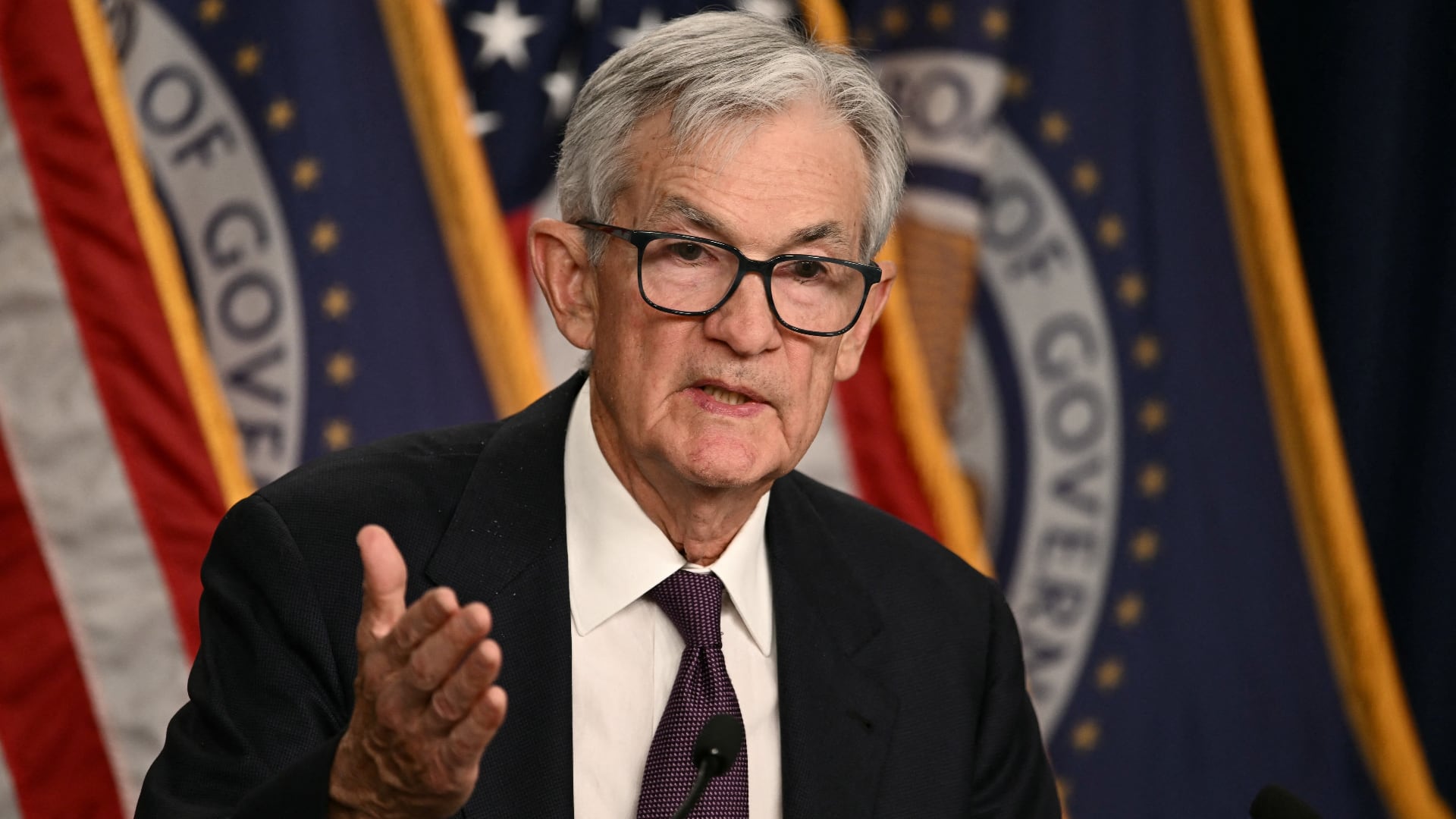
Federal Reserve Chair Jerome Powell will hint that the central bank could increase the pace of interest rate hikes if data indicate price pressures continuing.
Stocks sank on Wall Street after the head of the Federal Reserve warned it could speed up its economy-rattling hikes to interest rates if pressure stays high on inflation.
If measures of the U.S. economy keep coming in hot, as they did in January, the Federal Reserve will likely have to raise interest rates even higher than it has already signaled — and keep them there longer — Chair Jerome Powell will likely warn in testimony to Congress on Tuesday.