More than 90 million square feet of retail space has been shuttered this year, and with the retailer Bon-Ton announcing this week it would close 200 of its stores, 2018 is on track to break last year's record for lost stores.
"This is just another example of one of those big box retailers who weren't nimble enough and really listening to the changing times," said Melissa Gonzalez, founder and CEO of Lionesque Group.
In the first four months of 2018, retail giants like Toys "R" Us, Sears, and Sam's Club have closed all or some of their locations. Moody's distressed-level watch list predicted that others, such as Guitar Center, J. Crew, and David's Bridal could be next.
There have already been more store closures in 2018 than there were in all of 2016. And as each brick-and-mortar shop shutters, it creates potential customers for online retailers like Amazon.
"They have data at their fingertips, they're really at the pulse of understanding what consumers want," said Gonzalez in an interview Friday on Cheddar. "They can serve up the items that you know we want, and present things online before we even know we want them, and they can target us in ways department stores aren't able to do."
For full interview, [click here](https://cheddar.com/videos/2018-the-year-of-retail-closures).
Tyson Foods is eliminating about 10 percent of corporate jobs and 15 percent senior leadership positions, according to a memo obtained by Reuters. The cuts are just the latest attempt to trim costs amid falling profits.
Verizon is taking steps to speed up its 5G network in rural areas. The company said it plans to extend its C-band 5G network across a larger suburban and rural footprint, meaning faster speeds for customers in those areas.
Facebook parent company Meta's first-quarter results surpassed Wall Street's modest expectations on both profit and revenue, sending its stock soaring in after-hours trading.
Another automaker is trying to cut its workforce to trim expenses and stay competitive as the industry makes the long and costly transition to electric vehicles.
The U.S. economy slowed sharply from January through March, decelerating to just a 1.1% annual pace as higher interest rates hammered the housing market and businesses reduced their inventories.
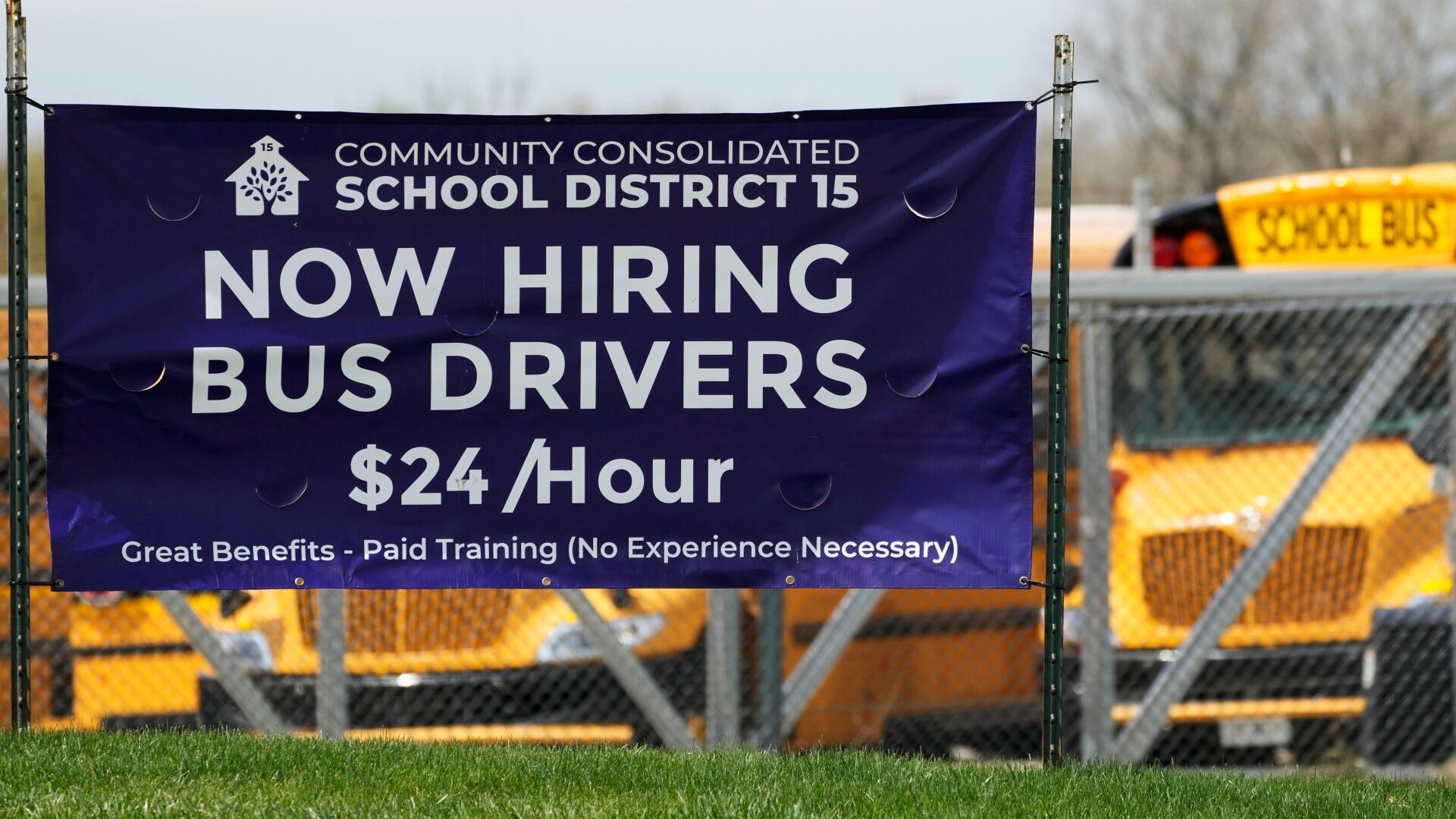
Applications for unemployment benefits in the U.S. fell last week as the labor market continues to show strength despite some weakness in other parts of the economy.