American pocketbooks are taking a blow as COVID-19 continues to surge in the U.S. and for minority communities, the pandemic is highlighting long-standing economic disparities that are likely to continue, Damon Jones, an associate professor at Harris School of Policy at the University of Chicago told Cheddar.
"The difference in wealth are for many reasons that have historical roots. They're driven by past events related to structural racism and discrimination, and then they persist over generations," Jones said.
Jones recently co-authored a working paper on how income shocks, like the one many Americans are facing due to coronavirus-related shutdowns, affect people in various racial groups.
While minority communities have been hardest hit by COVID-19 from a health standpoint, the economic impact is just as great, according to Jones, who said, "Black households had to cut spending more than 50 percent more than white households when they lose income."
"Latinx households had to cut their spending by 20 percent more than their white counterparts, and we think those patterns are likely to continue during the pandemic," he added.
Jones said there is a path toward economic equality in the United States, but in order to get there we must first work to stop the spread of coronavirus.
"The primary thing we need to do is get a handle on the pandemic itself and the public health crisis," he stated.
Last month during a hearing focused on health and the wealth gap in America, Jones testified before Congress and outlined potential steps the government could take to address wealth disparities, starting with a plan to expand Medicaid eligibility as Americans — particularly Black people — lose employment and health insurance coverage. Other steps Jones suggested included federal funding to state and local governments that are better equipped to address issues like homelessness and affordable housing.
"All of the economic solutions that I have been talking about, sort of don't work unless you address the issues with the public health crisis," Jones said.
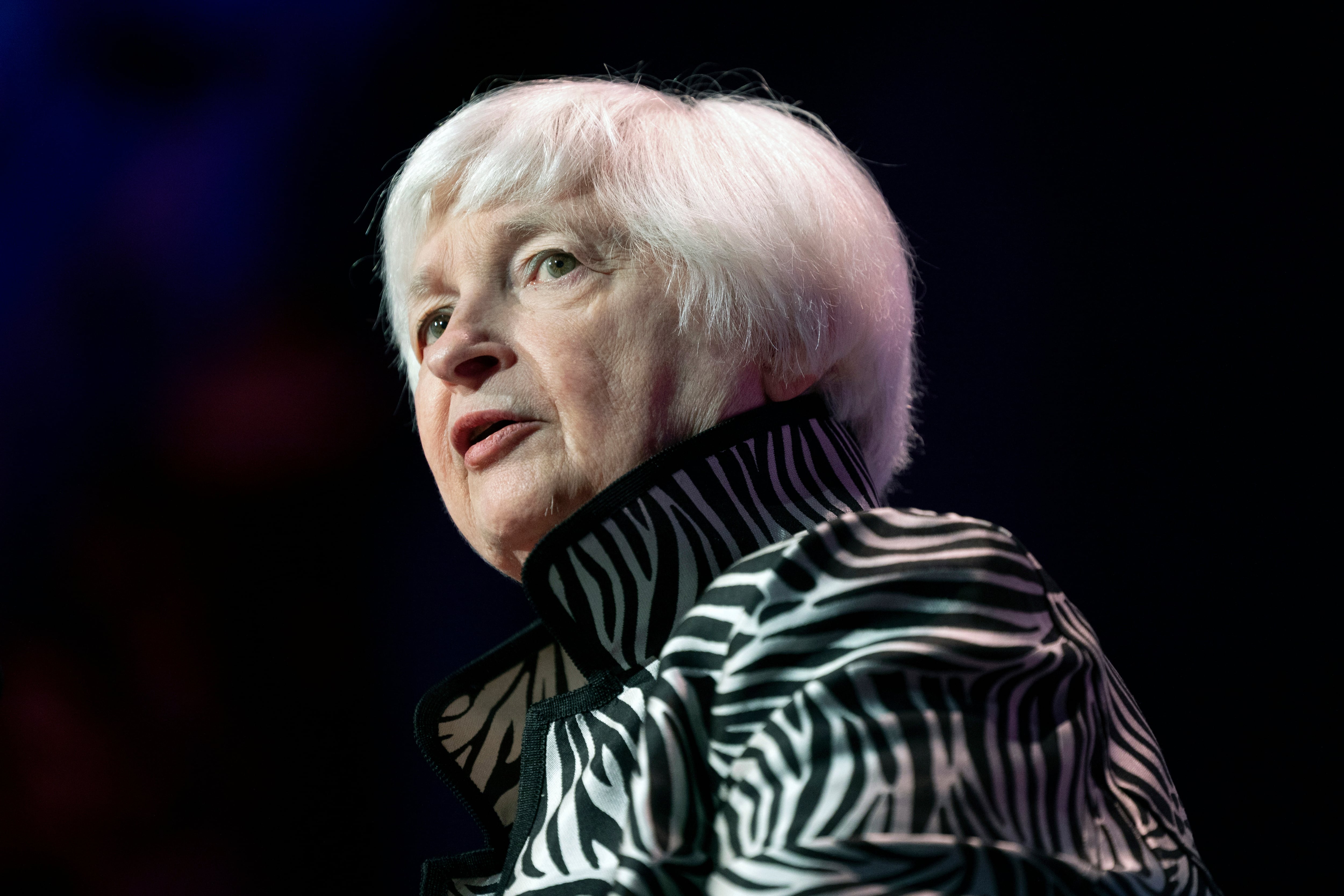
Treasury Secretary Janet Yellen has announced that 100,000 businesses have signed up for a new database that collects ownership information intended to help unmask shell company owners. Yellen says the database will send the message that “the United States is not a haven for dirty money.”
A new version of the federal student aid application known as the FAFSA is available for the 2024-2025 school year, but only on a limited basis as the U.S. Department of Education works on a redesign meant to make it easier to apply.
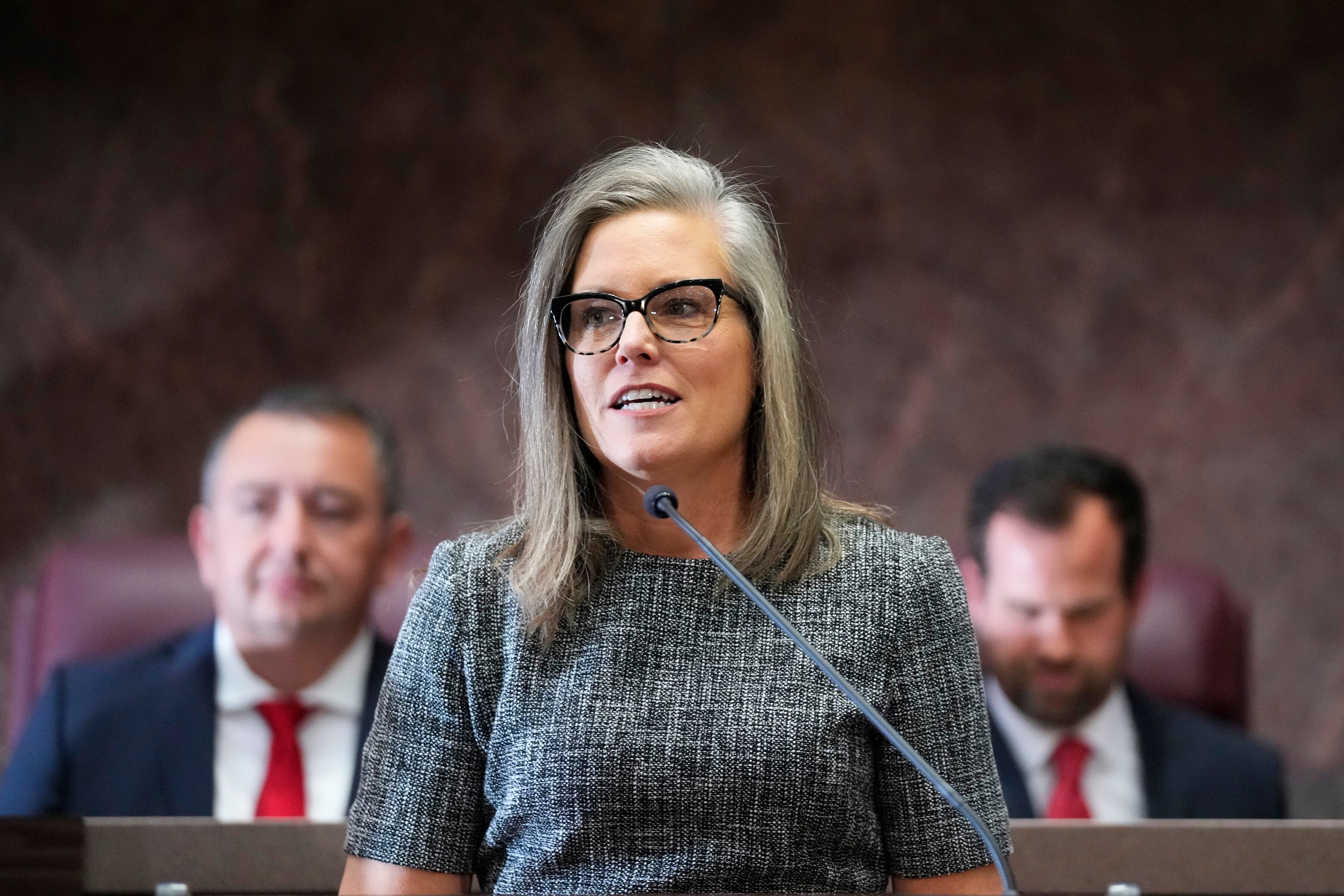
A steep budget deficit caused by plummeting tax revenues and escalating school voucher costs will be in focus Monday as Democratic Gov. Katie Hobbs and the Republican-controlled Arizona Legislature return for a new session at the state Capitol.
The first U.S. lunar lander in more than 50 years is on its way to the moon. The private lander from Astrobotic Technology blasted off Monday from Cape Canaveral, Florida, catching a ride on United Launch Alliance's brand new rocket Vulcan.
Global prices for food commodities like grain and vegetable oil fell last year from record highs in 2022, when Russia’s war in Ukraine, drought and other factors helped worsen hunger worldwide, the U.N. Food and Agriculture Organization said Friday.
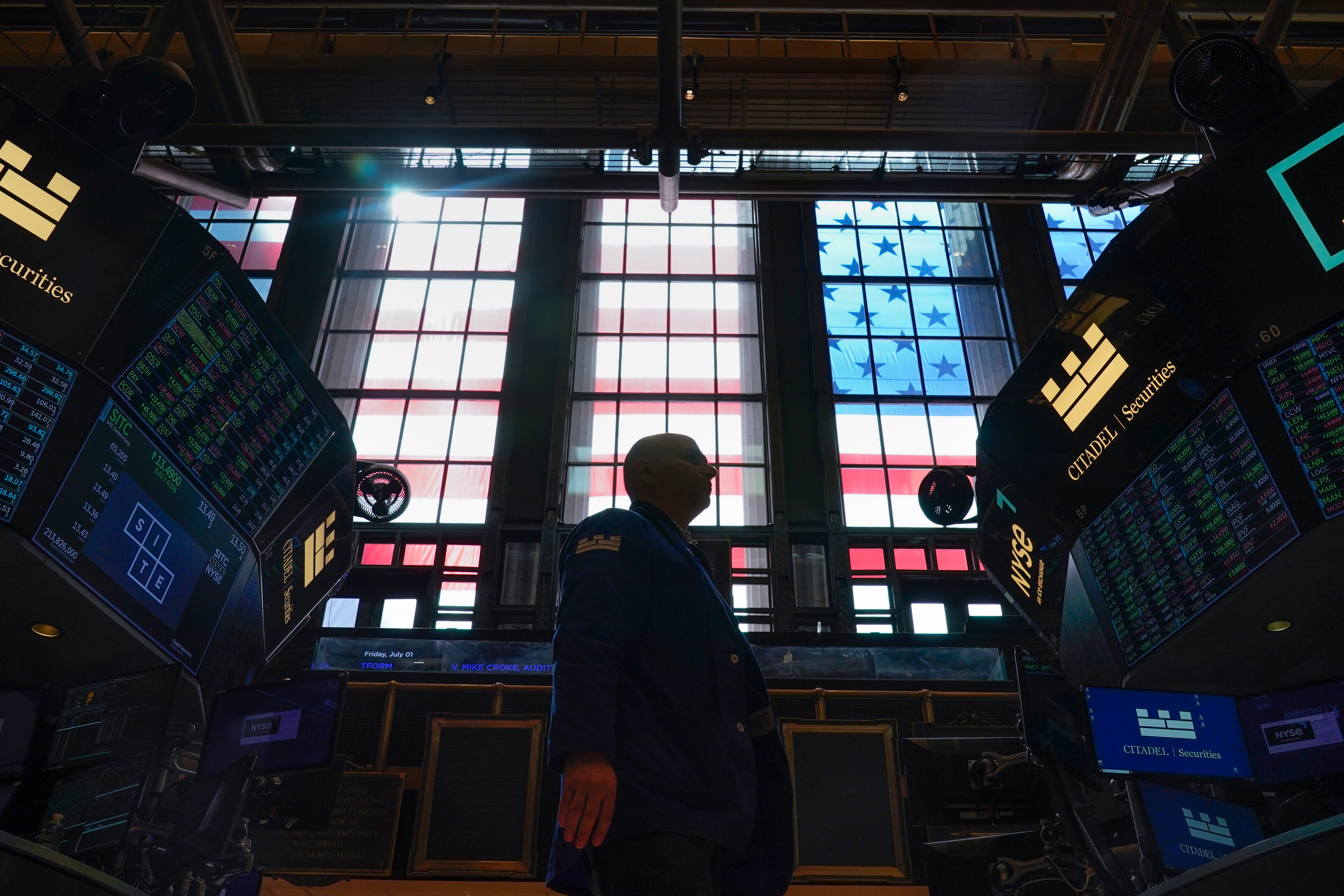
Wall Street is drifting higher after reports showed the job market remains solid, but key parts of the economy still don’t look like they’re overheating.
The Biden administration is docking more than $2 million in payments to student loan servicers that failed to send billing statements on time after the end of a pandemic payment freeze.
The nation’s employers added a robust 216,000 jobs last month, the latest sign that the American job market remains resilient even in the face of sharply higher interest rates.
A U.S. labor agency has accused SpaceX of unlawfully firing employees who penned an open letter critical of CEO Elon Musk and creating an impression that worker activities were under surveillance by the rocket ship company.