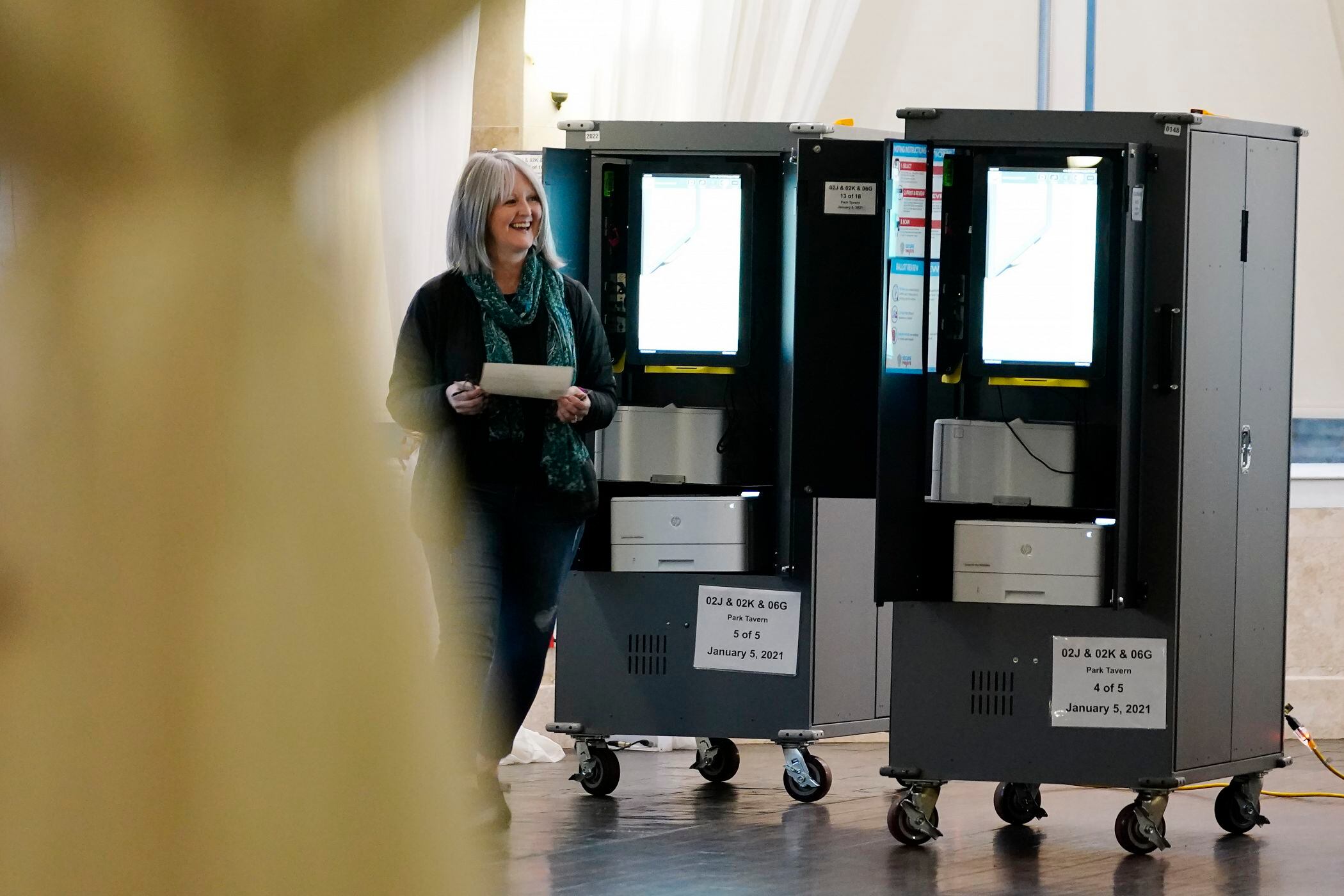
A voter walks away after casting their ballot in Georgia's Senate runoff election on Tuesday, Jan. 5, 2021, in Atlanta. (AP Photo/Brynn Anderson)
The stakes are high in Georgia as voters flock to the polls to decide which party will take control of the U.S. Senate. The state has been under fire this election cycle from Republican President Donald Trump and his supporters after voters flipped to elect Democrat Joe Biden in November.
Rep. Carolyn Bourdeaux (D-Ga. 7th District), a freshman member of the 117th Congress, told Cheddar that Democrats are confident voters will carry the party across the finish line once again.
“What we’ve seen so far is that in a number of the congressional districts, the ones that are very heavily Democratic districts, we are already at 80 percent of the November 3 turnout, and in the more Republican districts, we are much, much lower,” she said.
According to Bourdeaux, Democrats reclaiming the majority in the Senate, through victories for both Rev. Raphael Warnock and Jon Ossoff, is essential to advancing critical pieces of legislation that can immediately aid Americans.
“It is everything from actually addressing COVID, getting some relief to families that is desperately needed, to health care and reform and making sure that people have quality affordable health care, investing in education, making sure that our young people today don’t have that ball and chain of student debt around their ankle. All of this is on the line in these Senate races,” she said.
Both Republicans and Democrats have eyes on suburban Georgia as voters in those areas were instrumental in pushing the Biden-Harris ticket to victory. But when it comes to the Senate race, the suburbs are a toss-up, where, in many instances, voters supported a presidential candidate but did not necessarily vote along party lines down the entire ballot.
Bourdeaux described the suburban vote as a “make or break area for Georgia.”
“The bigger problem is that it undermines confidence in democracy…”
The newly-elected representative is also calling on Americans to be patient when it comes to getting the results of today’s runoff races, particularly after it took officials five weeks to certify Biden’s victory in the state.
“I tell everybody, ‘This is Georgia and we have to be very, very patient and wait for all of the votes to be counted.’ We do expect it to be a close race and that generally takes a lot longer,” she added.
Congress will face even more adversity this week as the body gears up to count electoral votes in the presidential contest. At least 13 senators and 140 GOP House members are expected to challenge the results, which, according to Bourdeaux, is unlikely to bear any fruit.
“The bigger problem is that it undermines confidence in democracy. It undermines confidence in the idea that people’s votes count and we need to make sure that we not only address this challenge but that we renew our democracy and make sure that people understand that it does matter if you vote. It does matter if you’re engaged,” she explained.
If Democrats do manage to win in the runoff elections, Bourdeaux said the focus has to be shifted to restoring bipartisan agreement among lawmakers as well as re-establishing integrity of the voting process in the eyes of Americans, especially for those that have not accepted the president’s loss.
Inflation remains hot as the January PPI has increased by 1 percent, twice what analysts had been expecting with a jump of 9.7 over the year. Beth Ann Bovino, the U.S. chief economist, for S&P Global Ratings, joined Cheddar News to discuss the rapid pace of inflation alongside higher wages, predicting the Federal Reserve will act quickly and forcefully this year. "They haven't changed their forecast, yet, that's gonna come out soon. But we expect that a March rate hike is basically pretty much baked in the cake," she said. "We think six rate hikes in total for 2022."
For black history month, Cheddar is highlighting black business leaders who are driving the need for representation forward. On February 10, the U.S. Chamber of Commerce hosted an event called 'Developing the Black-Owned Business Ecosystem.' The virtual event was organized under the lobbying group's two initiatives -- the Equality of Opportunity Initiative, and the Coalition to Back Black Businesses. The event highlighted the developments needed to develop more black-owned businesses in the U.S. Dr. Anthony Wilbon, Dean of the School of Business at Howard University, joined Cheddar News' Closing Bell to discuss his experience as a speaker at the event.
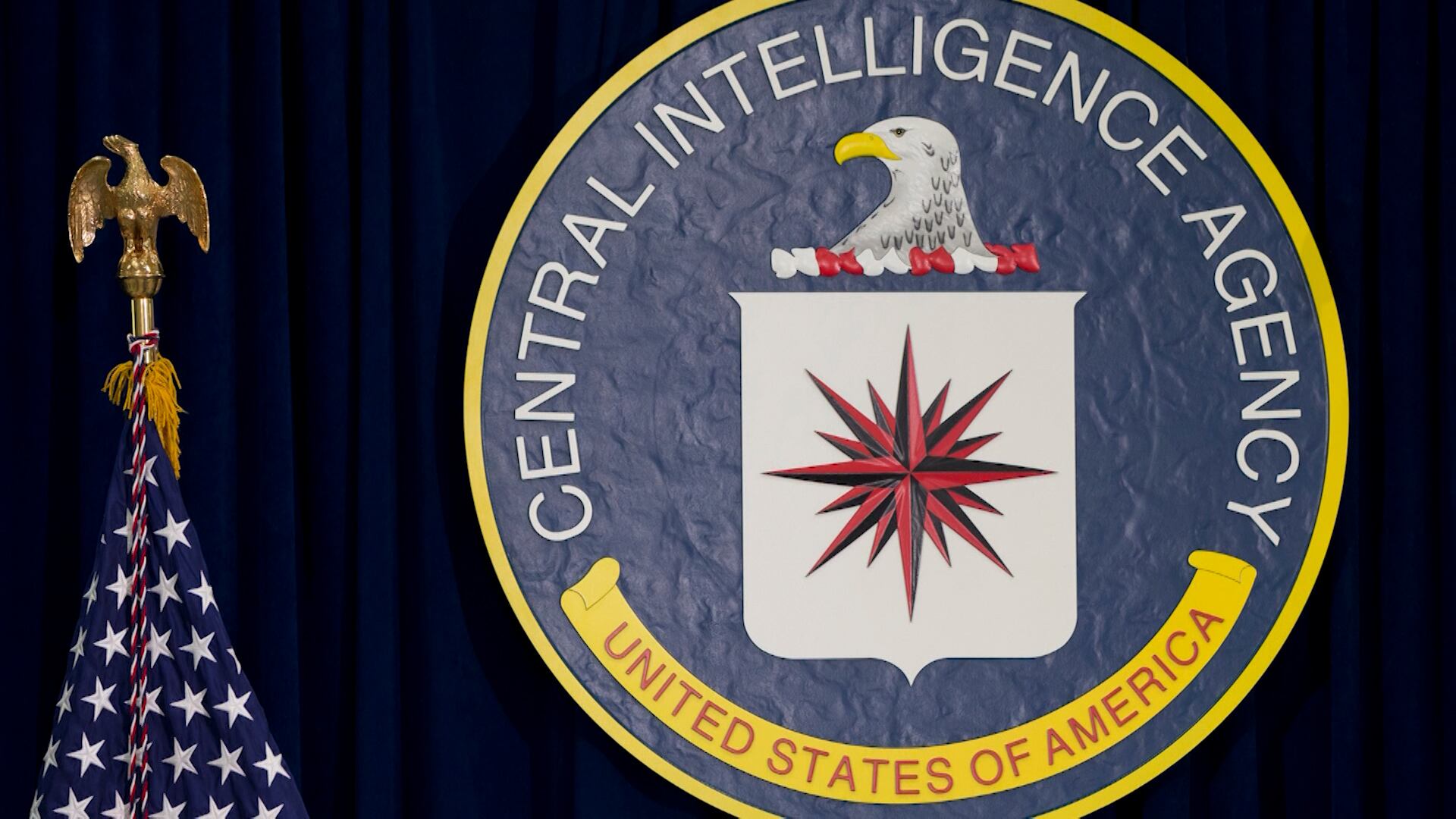
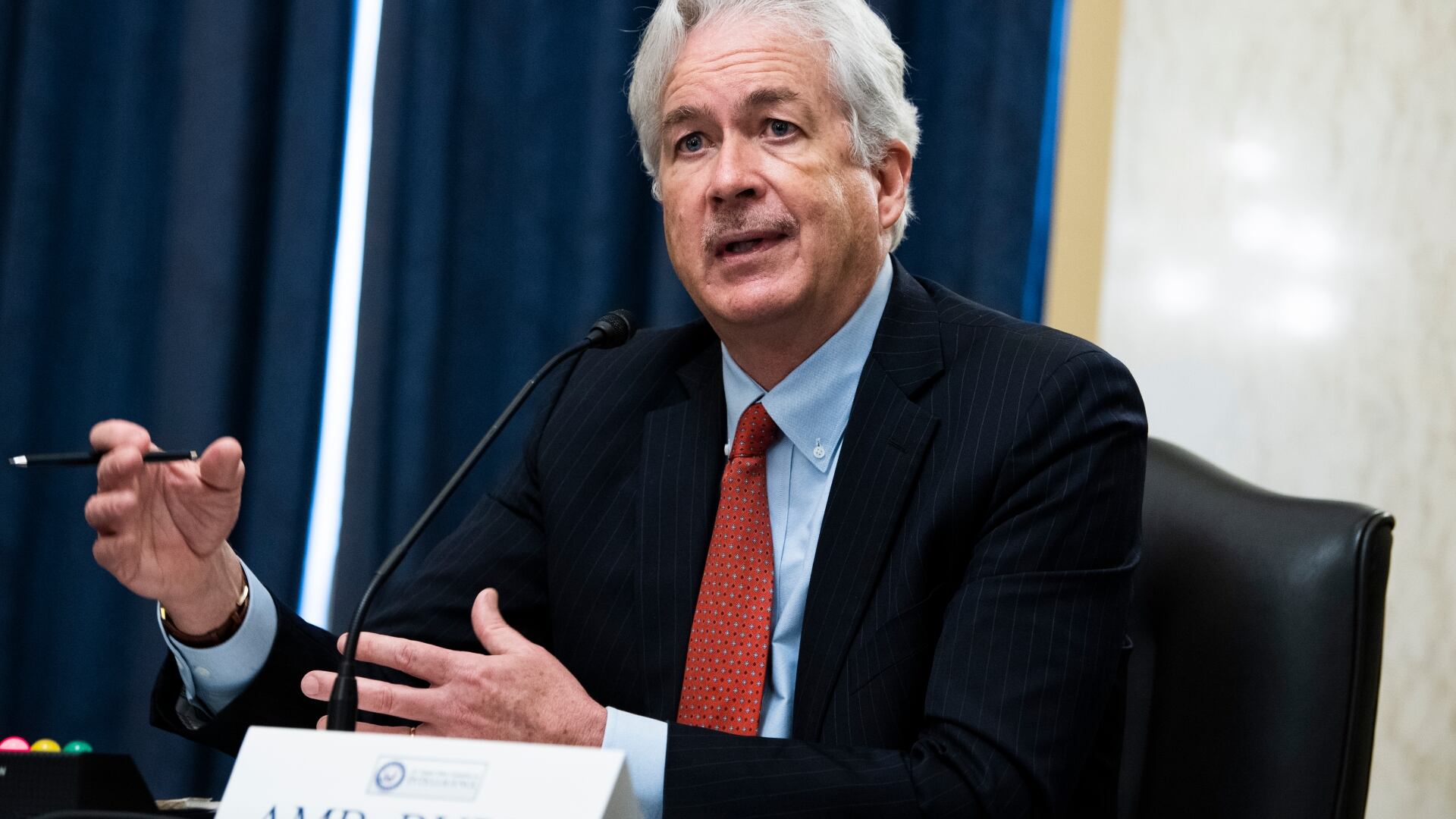
A newly declassified letter by senators Ron Wyden and Martin Heinrich claimed the CIA. has been conducting a Secret Surveillance Program which has been collecting a bulk of data from American citizens. The letter which was written in April of 2021 urges the CIA to come clean about the kind of data it collects and how many Americans have been impacted. According to these two senators, the program did not have the safeguards of congressional oversight.
Art Hogan, Chief Market Strategist at National Securities, joined Cheddar News' Closing Bell, where he says investors are taking a wait-and-see approach when it comes to the situation between Russia and the Ukraine and elaborates on the impact higher oil prices stemming from the conflict would have on the market.
Last week, Senators Ron Wyden of Oregon and Martin Heinrich of New Mexico, Democrats on the Senate Intelligence Committee, wrote a a letter airing concerns that the CIA is collecting the data of American citizens without their consent. The lawmakers fear that the program might be exploiting private data. Morgan Wright, the chief security advisor at cybersecurity firm SentinelOne, joined Cheddar News to discuss the ramifications of the letter. "We don't have all the dots in one place to connect them," said Wright, cautioning against jumping to conclusions.
Russian President Vladimir Putin and his Foreign Minister Sergey Lavrov said that diplomacy is still possible, while U.S. officials warn that an attack on Ukraine is imminent. Cheddar News speaks with James Astill, Washington bureau chief of The Economist on the latest developments in Eastern Europe.
As the number of Russian troops rose to 130,000 along its Ukrainian border, hopes for a diplomatic solution remain among world leaders. Jason McMann, head of geopolitical risk analysis at Morning Consult, joined Cheddar News to break down the fluid situation. "We saw signs pointing towards an increase in tensions between Ukraine and Russia, whereas today we're seeing some signs that the Russian government may be willing to continue down a path of diplomatic negotiations to try and find some sort of non-military solution," he said.
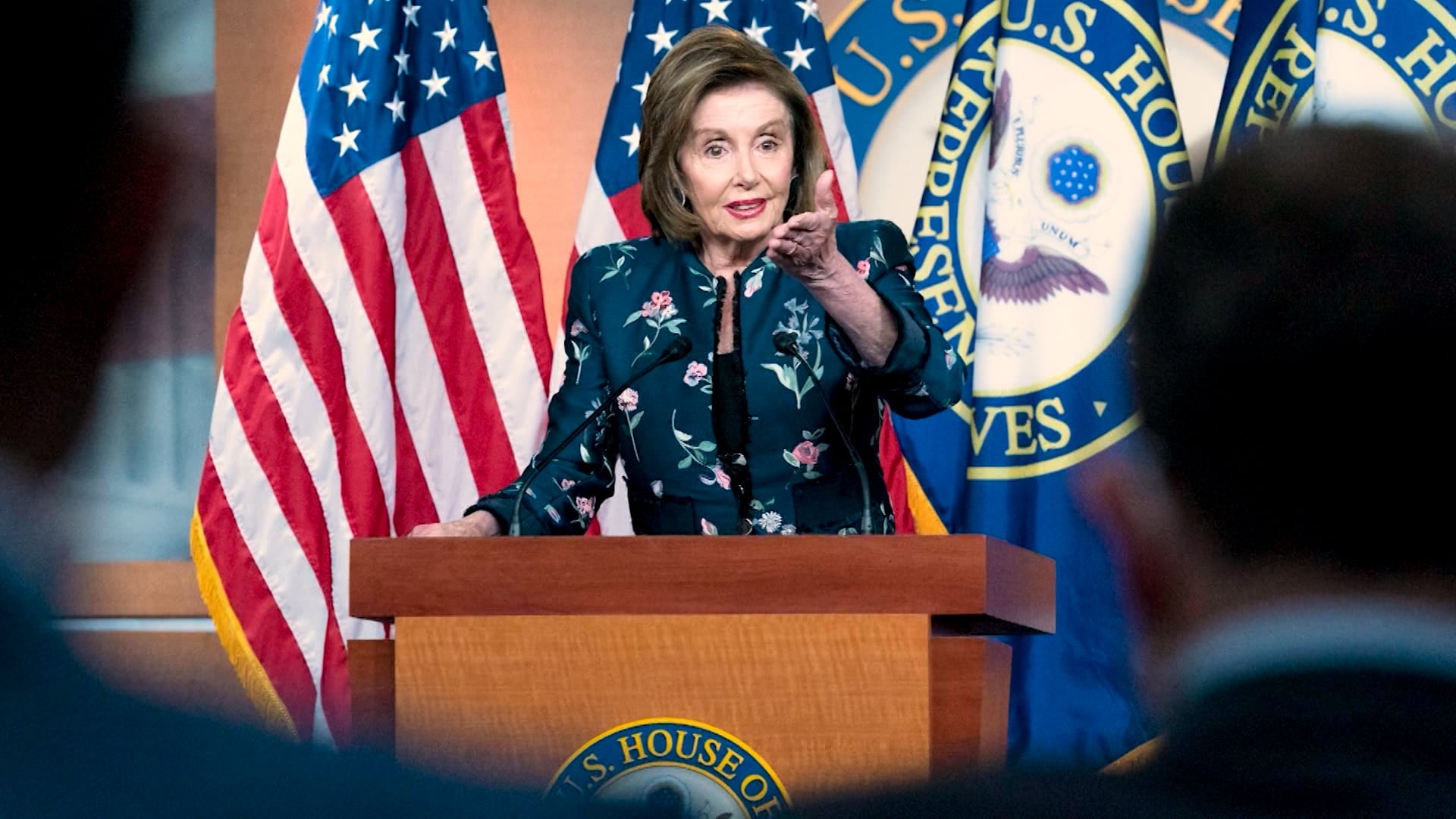
Nancy Pelosi and House Democratic leaders are now planning to amend the stop trading on congressional knowledge act, otherwise known as the 'Stock' Act. This 2012 law governs how members disclose the purchase or sale of stocks and amending it would close a loophole, eliminating the trading of individual stocks by members of congress. Pelosi has consistently opposed a ban on stock trading by lawmakers and congressional staff...so what's changed? Kedric Payne, Vice President of Campaign Legal Center, joins Cheddar News to discuss.
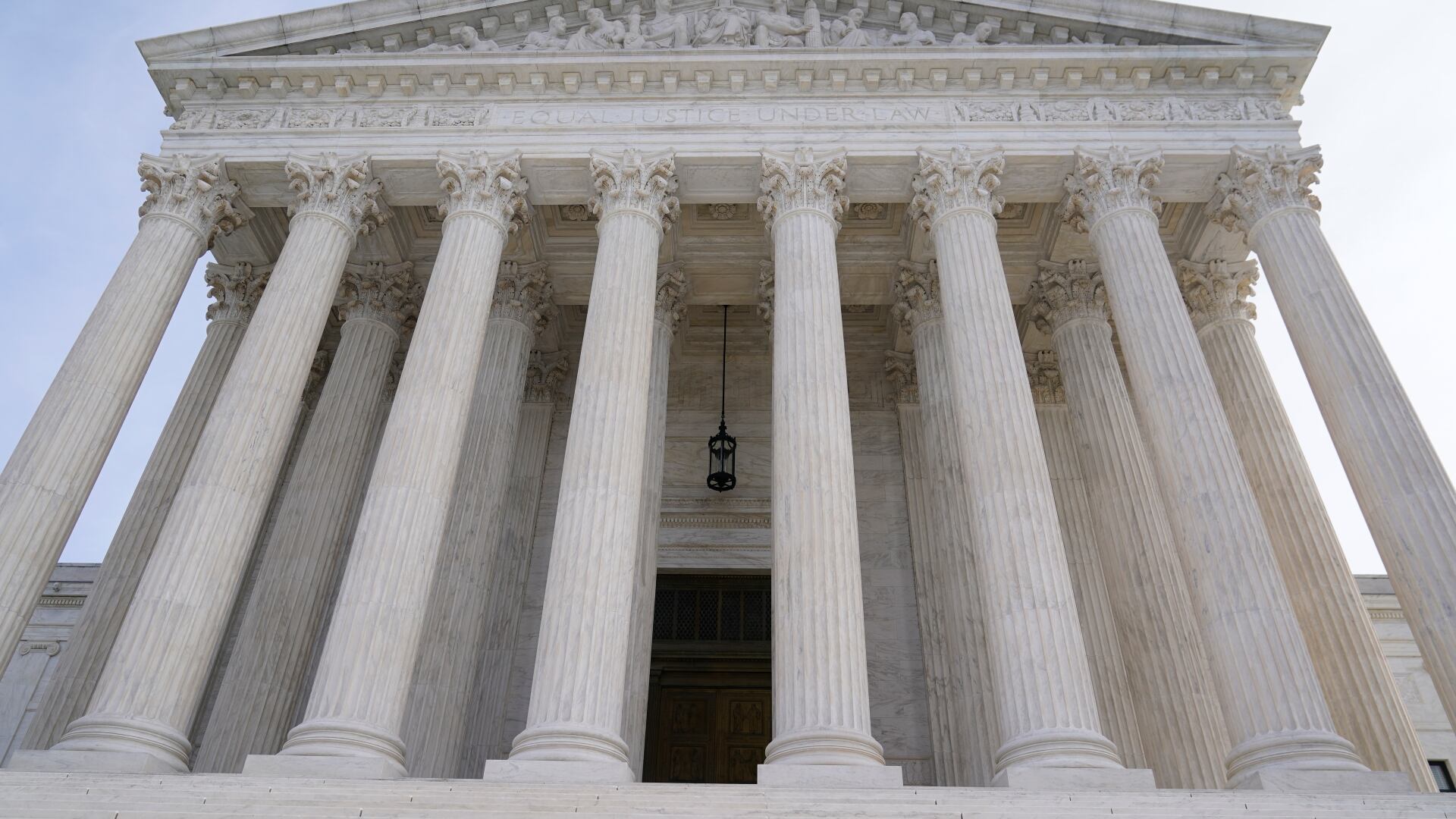
In a 5-4 vote, the U.S. Supreme Court allowed for a controversial new version of the Alabama congressional map to remain in place. The lower court had previously ordered that the state must redraw that congressional map because it violates the Voting Rights Act by diluting the political power of Black voters. Redistricting expert Yurij Rudensky joins Cheddar News to weigh in.