In this Wednesday, Nov. 20, 2019 file photo, Tom Perez, left, chair of the Democratic National Committee, and Nikema Williams, chair of the Georgia Democratic Party, speak with reporters, in Atlanta. Georgia Democrats have selected state Sen. Nikema Williams, chair of the state party, to replace Rep. John Lewis on the ballot in November. (AP Photo/Ron Harris, File)
Georgia Democrats have selected state Sen. Nikema Williams, chair of the state party, to replace Rep. John Lewis on the ballot in November.
The executive committee of the Democratic Party of Georgia voted overwhelmingly on Monday for Williams to take Lewis' spot on the ballot for the Atlanta-area 5th Congressional District after the longtime congressman and civil rights leader's death last week.
Williams, 41, was chosen from a list of five finalists as the group works to quickly fill the spot in accordance with state law. She is nearly assured of winning in November in the heavily Democratic district.
The state party said it received 131 applications for the spot. The group was then narrowed down to five finalists, who spoke before the committee of senior state party officials.
Williams beat out state Rep. Park Cannon, Georgia NAACP President James Woodall, Atlanta city councilman Andre Dickens and Robert Franklin, former president of Morehouse College in Atlanta.
Williams has served in the state Senate since 2017 and is the current chair of state Democratic Party. She will face Republican Angela Stanton-King in November. Stanton-King is a reality TV personality and was pardoned earlier this year by President Donald Trump for her role in a stolen car ring, after serving six months of home confinement in 2007.
Lewis won more than 84 percent of the vote when he last faced a Republican opponent in the district in 2016.
The seat will remain empty until Georgia Gov. Brian Kemp schedules a special election. The Republican governor has given no indication when he will hold an election with just over six months left in Lewis' term.
Lewis, 80, died Friday, several months after he was diagnosed with advanced pancreatic cancer. Funeral plans have not been announced. Kemp declared flags in Georgia will be at half-staff until sunset of the day of Lewis' funeral.
Hundreds of people came to a giant mural of Lewis near his downtown Atlanta home Sunday to pay their respects.
Flowers, balloons, photos, candles, and cards piled up at the base of the building where "HERO" was written above the painting of Lewis speaking.
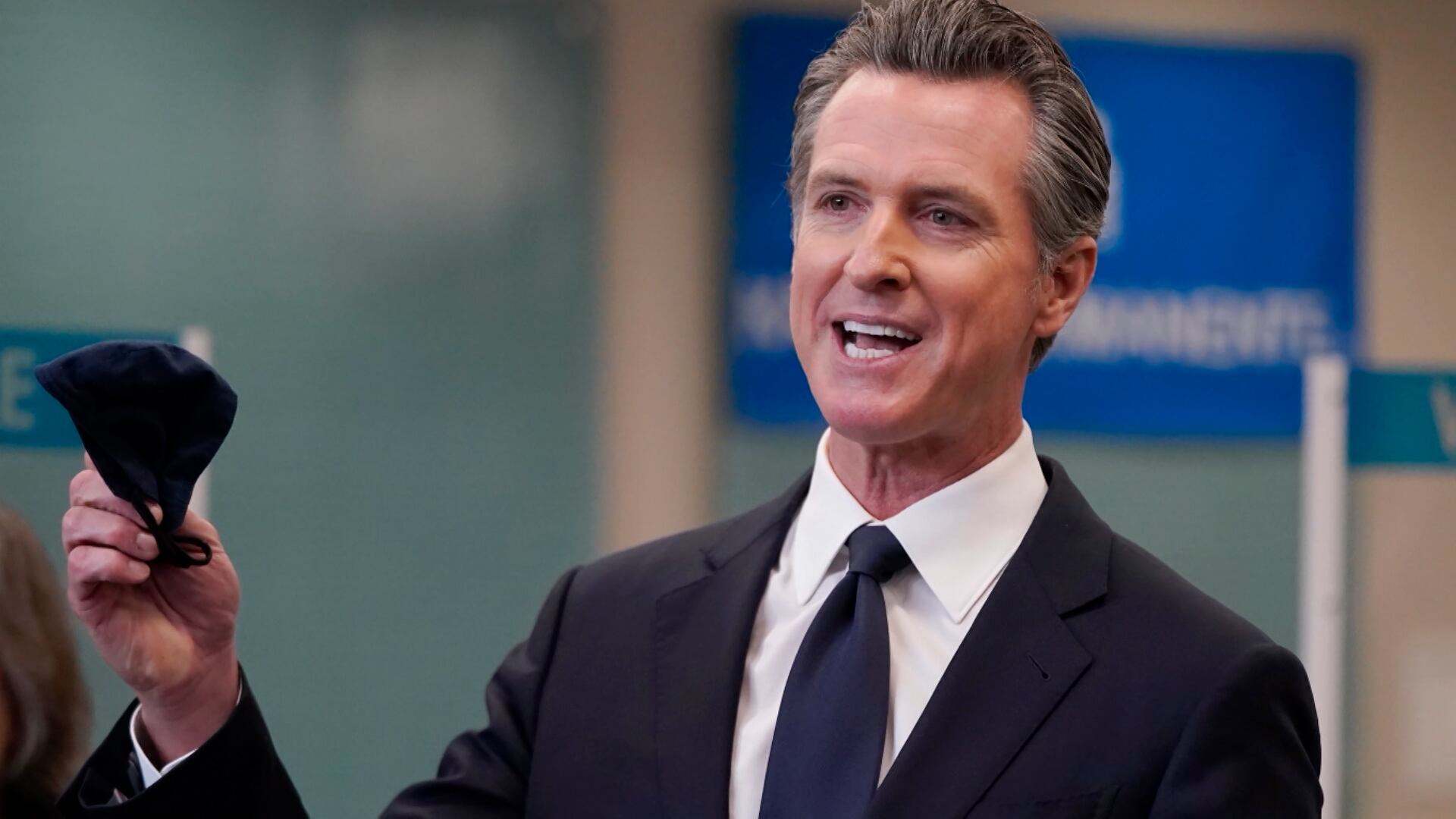
California Governor Gavin Newsom is projected to keep his job. Around two-thirds of the votes have been reported, and roughly 64% of those votes are in favor of keeping Newsom as their governor.
Daniel Strauss, senior political correspondent at The New Republic, joined Cheddar's Opening Bell to discuss more about what Newsom's win means to both political parties moving into Midterm elections season.
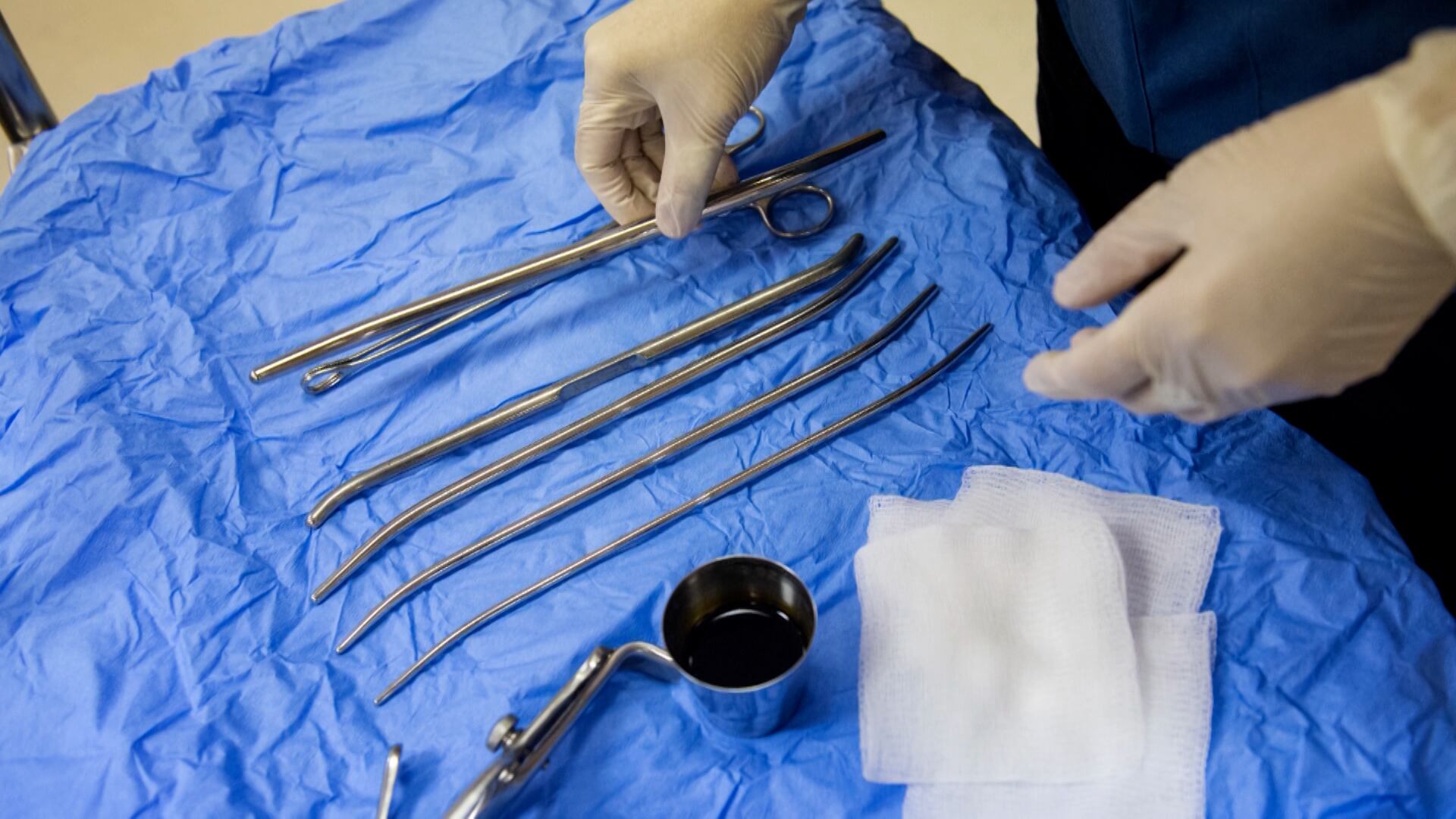
The Department of Justice is suing Texas over the state's new abortion law that prohibits abortions after six weeks, well before many women even know they're pregnant. The lawsuit argues the law is unconstitutional under long-standing Supreme Court precedent. It was filed last week in federal court in Texas, but could go all the way to the high court within weeks. Josh Blackman, a constitutional law professor at South Texas College of Law Houston, discusses the DOJ lawsuit and what it could mean for other abortion laws across the country.
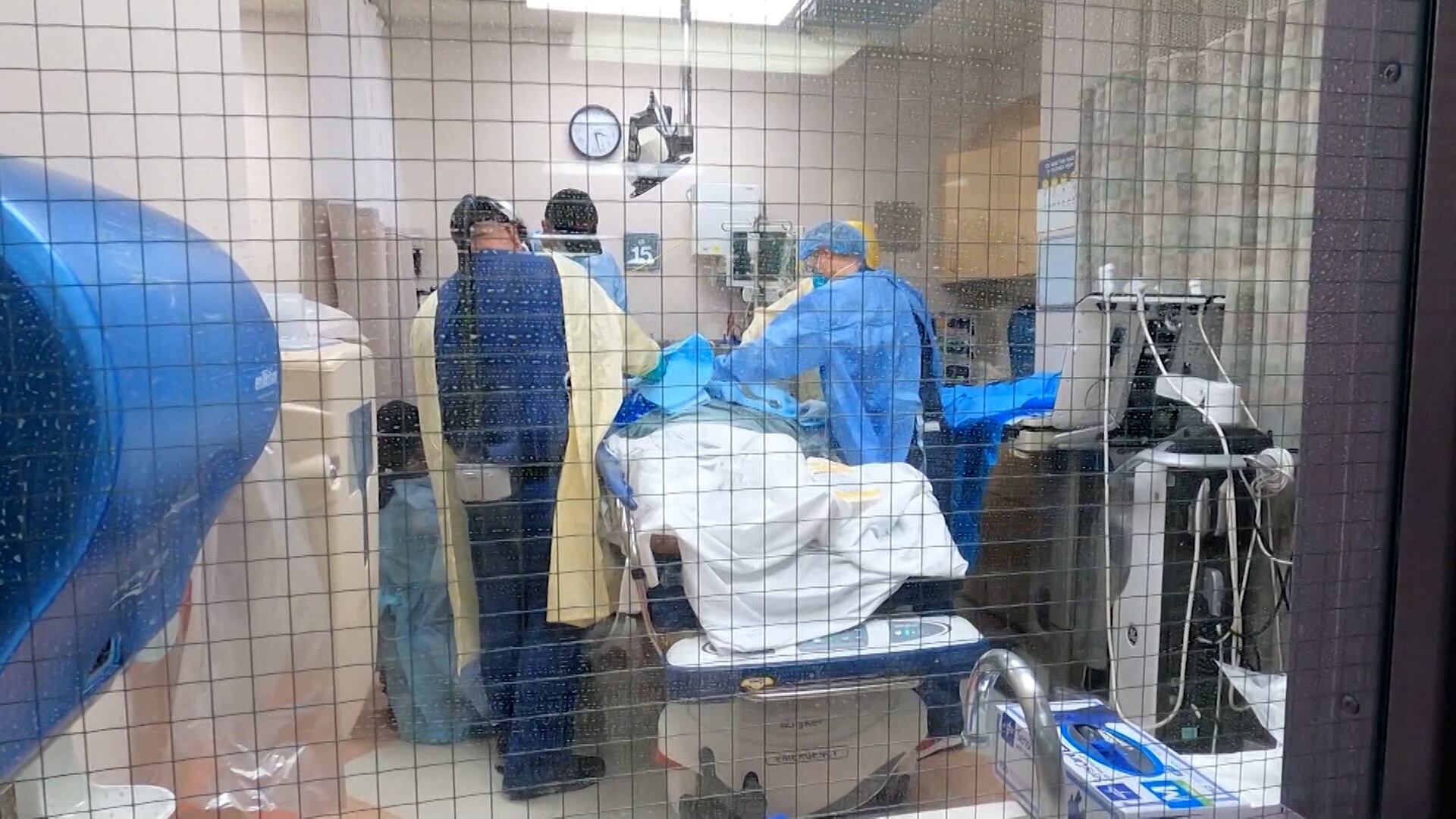
26 states have now fully vaccinated more than half of their population with Vermont, Connecticut, and Massachusetts fully vaccinating at least two-thirds of their residents. These three states are among the ones with the lowest new Covid-19 cases per capita, but in states with low vaccination rates, hospitals are filling up again.
Dr. Rob Davidson, ER doctor and executive director of Committee to Protect Health Care, joined Cheddar's Opening Bell to discuss more.
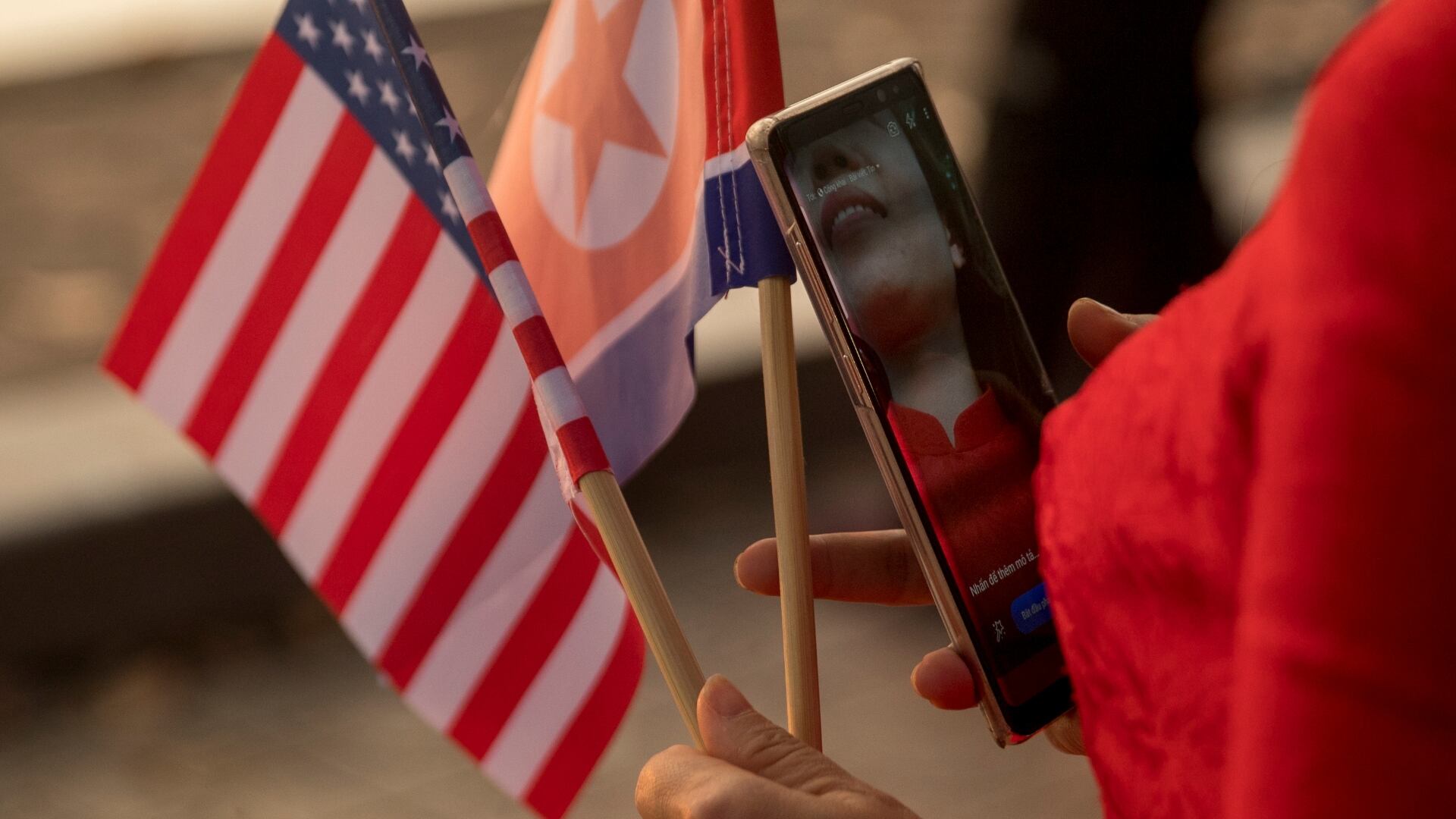
The Biden Administration has officially extended a ban on a Trump-era policy that prohibits traveling with a U.S. passport to North Korea. The extension is expected to last until August 2022. The ban was initially enforced after the death of Otto Warmbier, who entered a vegetative state while in North Korean custody. Advocates against the ban argue that it has caused crippling impacts on Korean Americans who have not been able to reunite with their families back home. Senior Fellow at The Foundation For Defense of Democracies Anthony Ruggiero joined Cheddar's News Wrap to discuss more.