GameSpot's Tamoor Hussain: "Star Wars Battlefront 2" Will Win Out Fans
Electronic Arts is in some trouble with its Star Wars fan base.
"Star Wars Battlefront 2," officially comes out on Friday, but many players are already upset over the expensive in-game transactions necessary to unlock certain characters. Tamoor Hussain, editor at GameSpot and Russell Holly, managing editor of VRHeads.com joined Cheddar to discuss the concept of paying extra within a game.
Hussain says that it used to take a significant number of hours to gain points in order to unlock certain characters, which upset players. So, companies began to add the option to buy the power to unlock them. But people are still upset. He says it could impact sales this week, but many people won't be looking into the issue too deeply.
Holly says in-game transactions are a tremendous business for Electronic Arts, which just bought Respawn Entertainment for over $400 million.
To ease some of the pressure, EA said that it will reducing the amount of resources it'll take to access key players in the upcoming game.
"They kind of changed the discoursed around the game," Hussain said, adding that this move will sway public opinion positively.
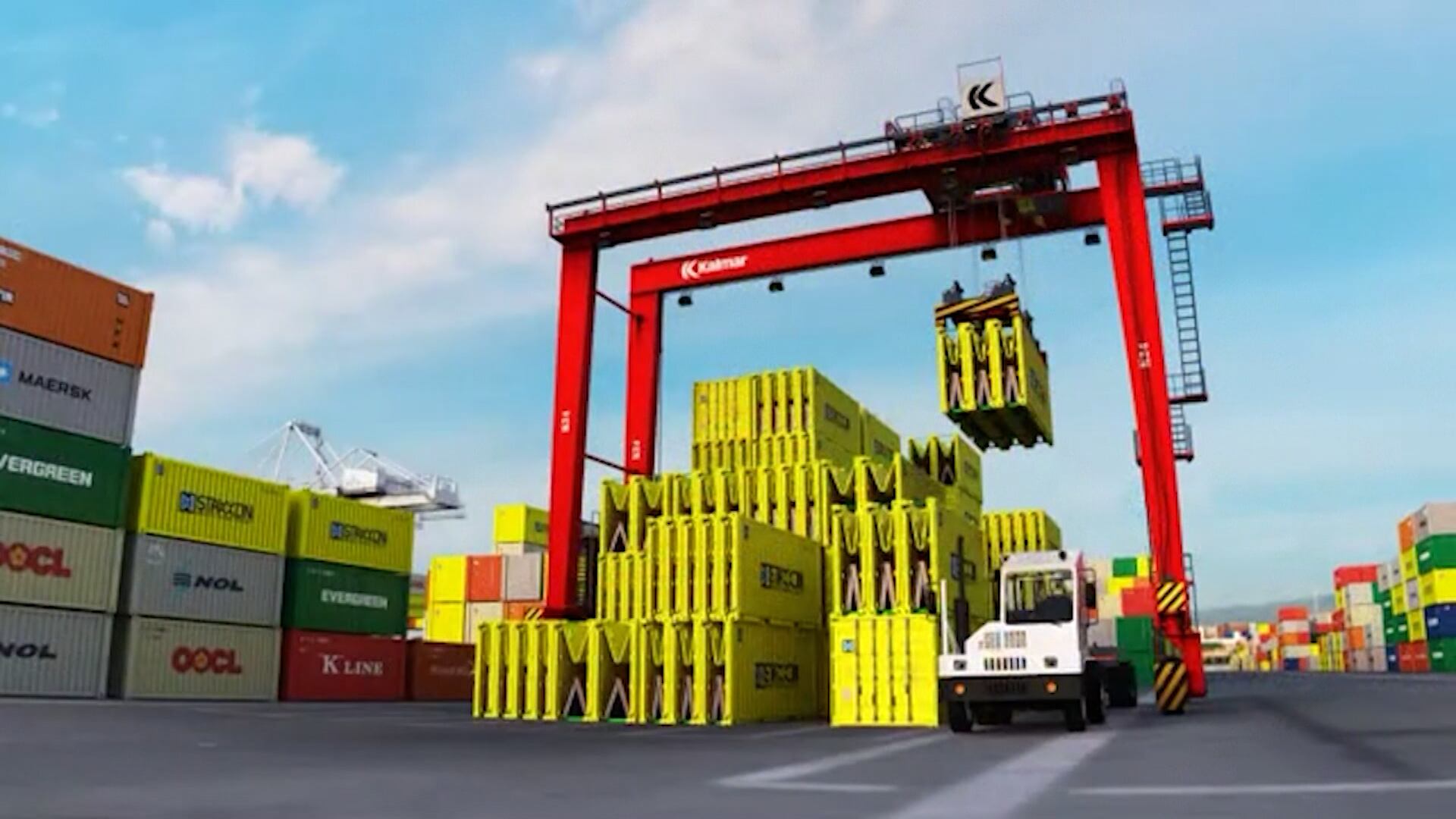
You've probably seen a traditional shipping container, but did you know that thousands of them sit empty at ports around the world and make supply chain issues worse? Staxxon says it has a solution: a foldable shipping crate that can be stacked with several others in order to save space, time, money, and even carbon emissions. George Kochanowski, CEO and CTO of Staxxon, joins Closing Bell to discuss its foldable containers, how the containers work with current shipping technology, and how they might save retailers money and space.
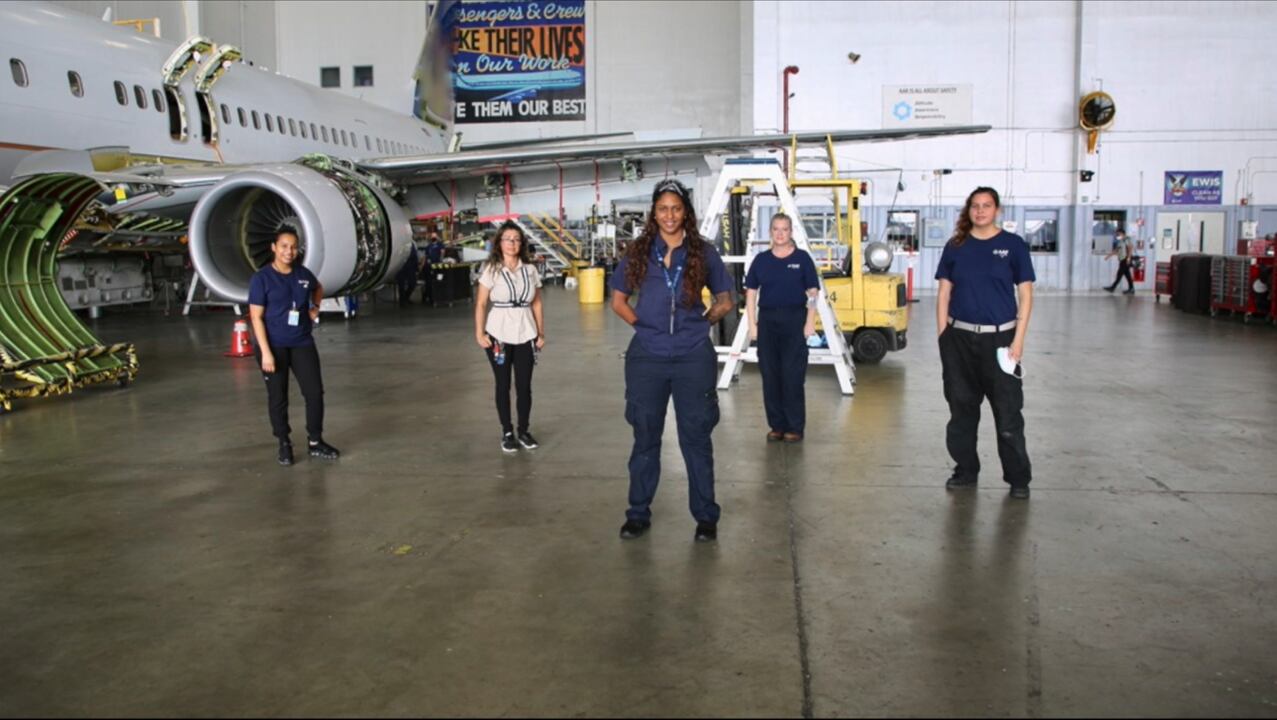
Stacey Rudser, president of the Association for Women in Aviation Maintenance, joins Cheddar News to talk about the lack of diversity in the aviation maintenance sector and what needs to change.
Intel CEO Patrick Gelsinger recently warned Congress that the U.S. 'must act now' to boost chip manufacturing domestically before it's too late. The chipmaking giant is working to ramp up its own domestic chip production with plans for a mega-site in Ohio as the global chip shortage only intensifies, hitting everything from smartphones to cars. Daniel Newman, a founding partner and principal analyst at Futurum Research, joined Cheddar's Opening Bell to discuss Intel's plans, Gelsinger's push for Congress to pass the CHIPS Act, and the potential political ramifications of boosting semiconductor manufacturing in parts of the United States.