Game engine developer Unity Software ($U) went public on the New York Stock Exchange Friday. The San Francisco-based company's cross-platform gaming engine has fueled a boom in 3D game development, with a focus on mobile games and virtual reality content.
The company offered up 25 million shares and trading began at $75 per share as the market opened, up from its $52 initial listing price. The pop brought the company's market cap as high as $20 billion, closer to big-league game developers such as EA and Nintendo, although share price edged lower to $68 by the close of the trading day.
Unity says it isn't looking to be pigeon-holed in the gaming industry. As investors scramble to put money into tech stocks, the company is making the case that it spans multiple industries.
"We are in the gaming industry, but we're also in a lot of other industries," CFO Kimberly Jabal told Cheddar. "We have empowered creators. We've democratized game development, but we're not actually a gaming company. We're a technology company."
Jabal said Unity is creating solutions for all types of real-time 3D developers, not just gamers.
"We help them to design and to build their applications," she said. "Then we help them monetize and to operate and to grow their customer base."
Unity is also extending the benefits of the IPO to its employees by allowing them to sell 15 percent of their shares on the first day of trading, rather than after 180 days as is usually stipulated in public offerings.
"We wanted them to be able to sell right away," Jabal said. "They've been working hard, some of them for 15 years."
Accrue CEO and founder Michael Hershfield explains why Americans' credit card delinquencies are on the rise, advice on what can help, and the key difference between Boomers and Gen Z when it comes to money.
Senior Economist at Morning Consult Kayla Bruun shares thoughts on what to expect from the Fed's January meeting and where monetary policy is headed, as well as how consumers are faring.
Former Medtronic CEO and author of 'True North' Bill George explains the steps Boeing leadership must take to regain client and consumer trust after 737 Max 9 production was stopped.
Amazon blamed "regulatory hurdles" for calling off its proposed acquisition of robot vacuum maker iRobot. Not even a Roomba could clean up the deal's antitrust scrutiny.
To celebrate Flutter Entertainment's debut on the NYSE, FanDuel CEO Amy Howe shares her thoughts on the company's plans for growth, the future of online sportsbetting, and Super Bowl Sunday.
Investopedia's Caleb Silver shares thoughts on the upcoming Fed meeting, why individual investors are still slightly skeptical, and what he's looking for from mega cap tech earnings.
Season's greetings! Tax season, that is. January 29 is the first day you can file your tax return. We walk you through each step — plus a checklist you can download.
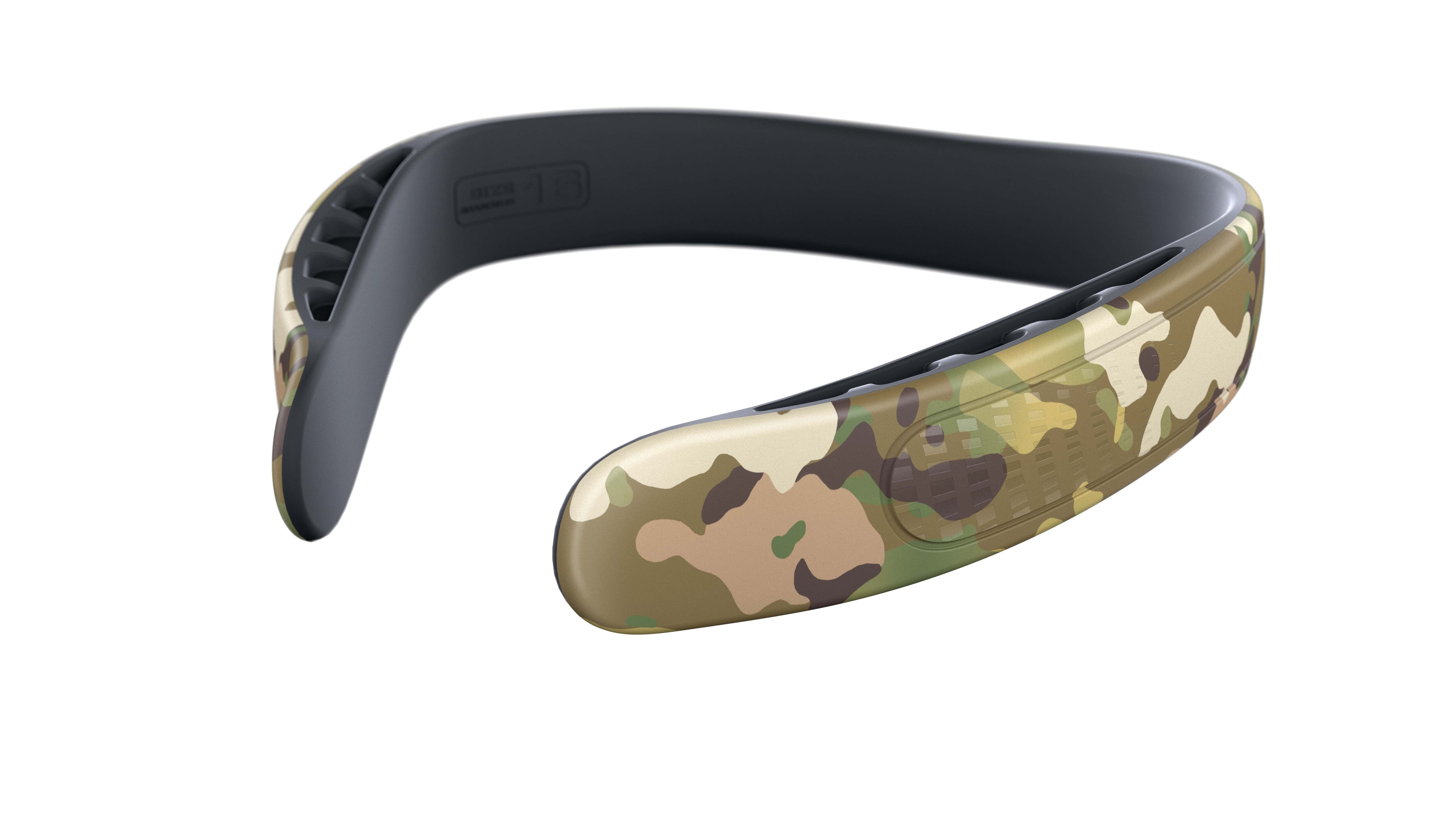
The Q-Collar helps protect athletes from impact-related concussions. Now, the U.S. Army is evaluating if the device could help reduce traumatic brain injury cased by blast weapons.