By Mari Yamaguchi
The operator of the wrecked Fukushima nuclear power plant said Wednesday it plans to build an undersea tunnel so that massive amounts of treated but still radioactive water can be released into the ocean about 1 kilometer (0.6 mile) away from the plant to avoid interference with local fishing.
The operator, Tokyo Electric Power Company Holdings, said it hopes to start releasing the water in spring 2023. TEPCO says hundreds of storage tanks at the plant need to be removed to make room for facilities necessary for the plant's decommissioning.
An official in charge of the water discharge project, Junichi Matsumoto, said TEPCO will construct the undersea tunnel by drilling through bedrock in the seabed near its No. 5 reactor, which survived the meltdowns at the plant, to minimize possible underground contamination or leakage of radioactive ground water into the tunnel.
Increasing amounts of radioactive water have been stored in about 1,000 tanks at the Fukushima Daiichi plant since 2011, when a massive earthquake and tsunami damaged three reactors and their cooling water became contaminated and began leaking. The plant says the tanks will reach their capacity late next year.
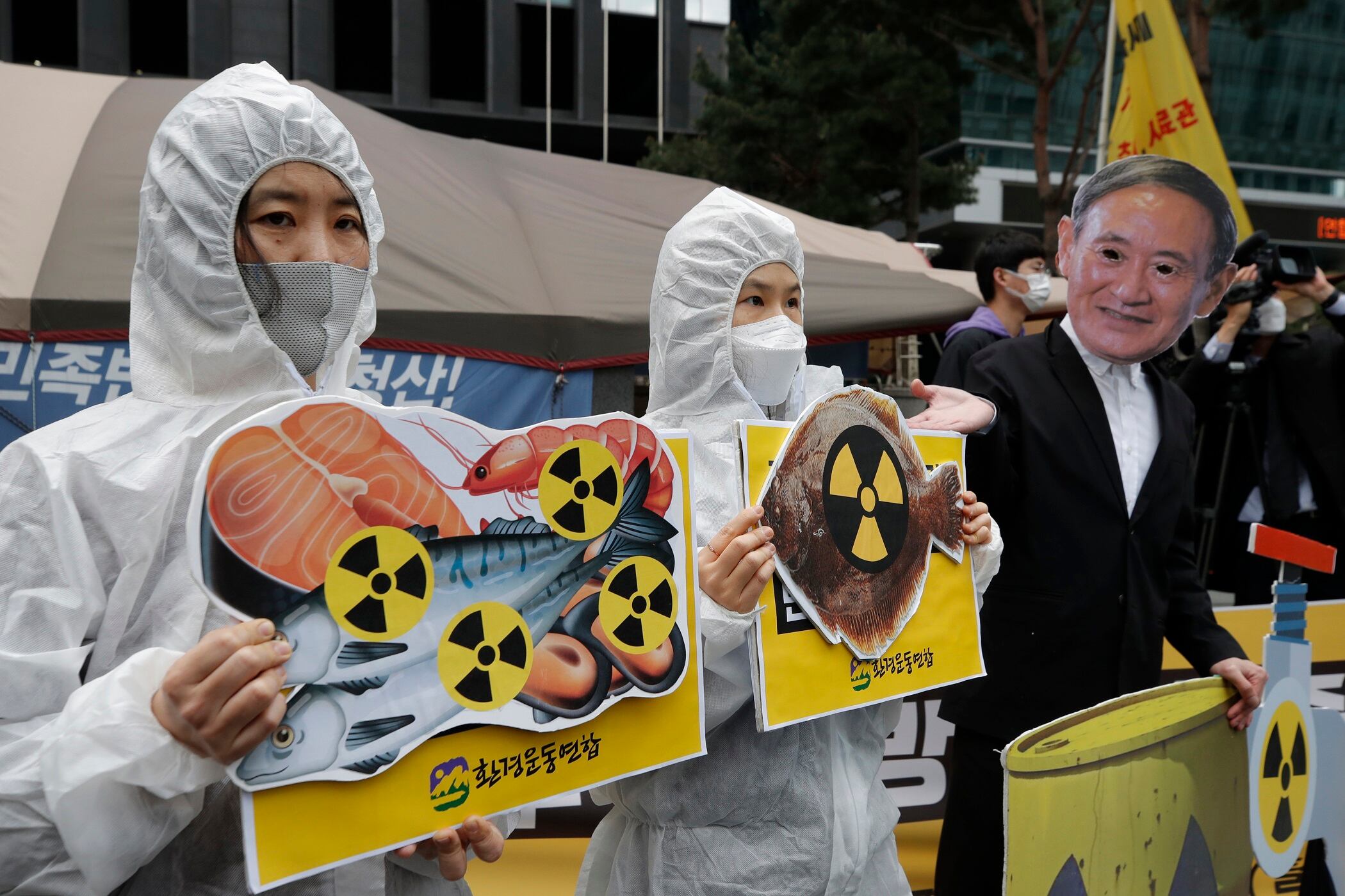
The government decided in April to start discharging the water, after further treatment and dilution, into the Pacific Ocean in spring 2023 under safety standards set by regulators. The idea has been fiercely opposed by fishermen, residents and neighboring countries including China and South Korea.
The offshore discharge using a pipeline enclosed inside a concrete tunnel is an attempt to minimize the “reputational damage” that would occur if the contaminated water is released close to marine life off the Fukushima coast.
Under the plan released Wednesday, the water will be released at a depth of about 12 meters (40 feet) below the ocean's surface, said Matsumoto, who works for Fukushima Daiichi Decontamination & Decommissioning Engineering Co., a company created by TEPCO.
A pipeline enclosed in undersea tunnel is safer than simply laying a pipe under the seafloor in the event of a major earthquake or tsunami, he said at a news conference.
TEPCO plans to dilute the contaminate water with large amounts of seawater to reduce the concentration of radioactive materials below allowable limits. Plant workers are to sample the water ahead of its release and examine samples of seawater from multiple locations daily. Japan has obtained the International Atomic Energy Agency's agreement to cooperate in the water sampling and monitoring.
The controlled release, with an annual cap on radioactive materials, will continue for about 30 years, or until the plant's decommissioning ends, Matsumoto said.
TEPCO said it plans to apply to the Nuclear Regulation Authority for a safety review of the tunnel plan after gaining support from local fishermen and other residents. It hopes to start construction so the discharge can start in spring 2023.
The government on Tuesday adopted an interim plan that includes a fund to cushion the impact of any negative reports about the discharge and compensate fisheries and other local businesses for any damage.
Japanese officials have said the ocean release is the most realistic option for disposing the water, which they say is required for the decommissioning of the plant. Government and TEPCO officials say tritium, which is not harmful in small amounts, cannot be removed from the water, but all other isotopes selected for treatment can be reduced to safe levels before release.