The San Francisco-based company said Wednesday it's making the change because the Square name has become synonymous with the company’s commerce and payments business. But it has grown since its start in 2009 and now owns the Tidal music streaming service, Cash App and TBD54566975, a financial services platform whose primary focus is Bitcoin.
The move comes just two days after Dorsey resigned as CEO of Twitter. He's still CEO of the newly named Block.
The company said the name change to Block “distinguishes the corporate entity from its businesses or building blocks.” It said there will be no organizational changes as a result of the name change.
“The name has many associated meanings for the company — building blocks, neighborhood blocks and their local businesses, communities coming together at block parties full of music, a blockchain, a section of code, and obstacles to overcome," Block said.
Co-founder and executive chairman of the board at Vaxxinity Lou Reese shares how the company is working to bring vaccines for chronic illnesses like heart disease and Parkinson’s to market with an eye for accessibility.
Mario Veneroso, Kingsview Asset Management Partner, weighs in on the latest economic data and whether the market is pricing in too many rate cuts for the coming year.
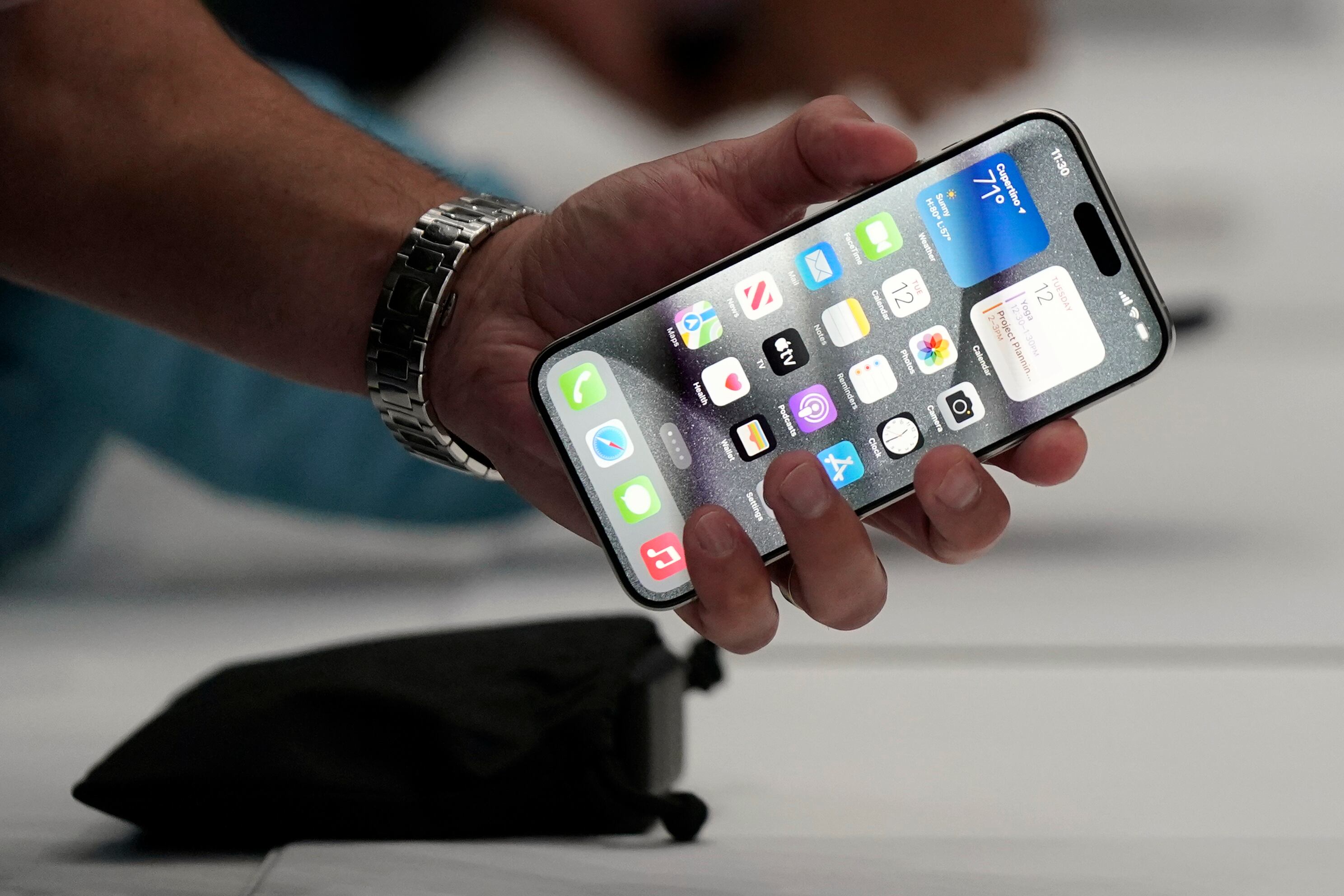
Apple has rolled out an update to its operating system this week with a feature called Stolen Device Protection. It makes it a lot harder for phone thieves to access key functions and settings, and users are being urged to turn it on immediately.
The U.S. economy grew at an unexpectedly brisk 3.3% annual pace from October through December as Americans showed a continued willingness to spend freely despite high interest rates and frustrating price levels.
Alan Becker, CEO and Investment Adviser Representative at Retirement Solutions Group and RSG Investments, shares his thoughts on the latest GDP data plus why he's not sold cryptocurrency as a long-term asset.
The Biden administration wants to ban another type of bank “junk fee," targeting fees that are typically charged by banks when a transaction is declined in real time.