Forward Uses Technology to Enhance Experience at Doctor's Office
Forward is all about proactive versus reactive healthcare and at the center of it is founder and CEO Adrian Aoun. He joins Alyssa Julya Smith at Forward's Los Angeles location to talk about some of the benefits of Forward and how technology is being used to help with preventative healthcare.
He explains that Tesla's and iPhone's can predict when they're likely to break down and intervene to fix things before it happens and that should be the same with healthcare. Forward created
personalized health plans through an in-depth understanding of a person's genetics, blood test results, biomarkers and daily lifestyle.
Aoun also explains that Forward doesn't use insurance, but is based on a monthly membership cost that allows Forward to do full diagnostic tests without hidden fees or bills from blood work or other lab testing, explaining that it's all done in the office.
Stocks closed lower Monday as investors continued to price in COVID-19 omicron variant fears. Reopening stocks like airlines, financial companies, restaurants and hotels, and more, dragged on the major indexes as businesses and events took a pause over the weekend amid rising case numbers in metropolitan areas. This comes a week after the Federal Reserve announced it plans to speed up its asset tapering timeline in January and institute three rate hikes next year. Is that plan aging well? Robert Conzo, CEO of The Wealth Alliance, joins Cheddar News' Closing Bell to discuss market movement, how stocks could close out the year, what the Fed could do in 2022, and more.
After a vote in one Buffalo, New York-area Starbucks created the first workers union in the coffee chain's history, the company has announced that it is ready to negotiate in good faith with the new bargaining unit. But a tense process where labor organizers leveled accusations of anti-union activity at the coffee giant may make that difficult. Cortlin Harrison, a barista at the unionized store, spoke to Cheddar about making a deal. "We can move past all the dirty tricks, the union-busting, the captive audience meetings," he said. "I'm ready to go to the table, and my fellow baristas are ready to go to the table, and just move forward."
This year's worldwide semiconductor shortage limited the supply of everything from new cars to smartphones; and now, many in the chip industry expect the shortage to continue deep into 2022, and maybe even 2023. Semiconductor senior research analyst for Robert W. Baird & Co., Tristan Gerra, joins Cheddar News' Closing Bell to discuss.
Direct health care company Nomi Health recently raised $110 million in a Series A round. Nomi Health lets public and private organizations directly purchase healthcare at reduced costs, and pay providers in real-time. It also delivers healthcare directly to under-served communities via its fleet of mobile care units, which the company says is the largest in the country. Nomi Health says its mission is to improve the health care experience for all Americans. Nomi Health CEO Mark Newman joined Cheddar News' Closing Bell to discuss.
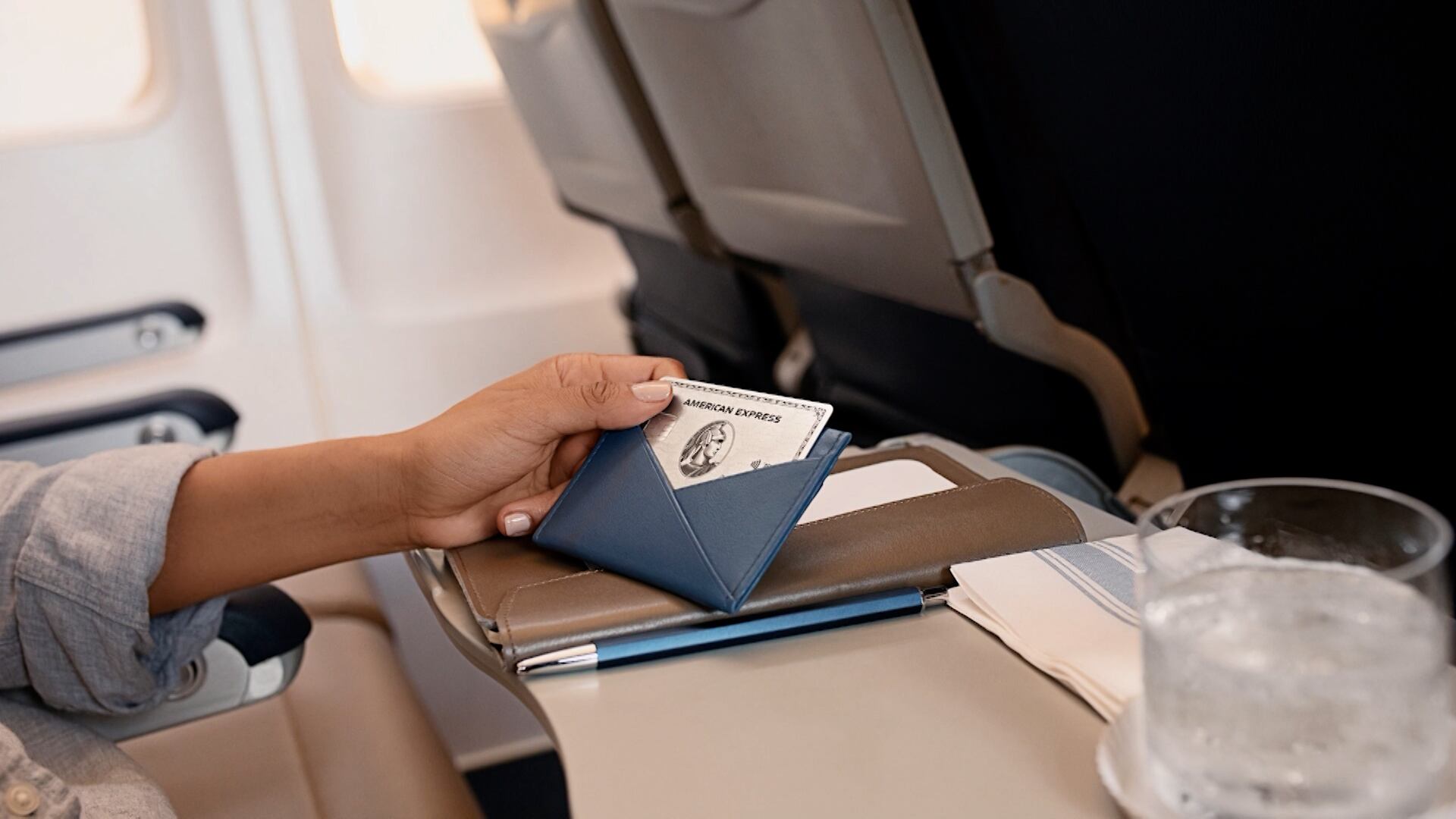
American Express and Nova Credit have partnered the credit passport program aimed at expanding access to credit for immigrants from the Dominican Republic, Nigeria, Kenya, and Brazil. Misha Esipov, co-founder and CEO of Nova Credit, joined Cheddar's Ken Buffa to talk about the program's benefits for immigrants who have to start over in the U.S. and are looking to establish a credit history. "If you were a good borrower in your home country — and you can prove you were a borrower in your home country — when you first arrive here, you can use that information to continue to be a good borrower," he said of the service.
Despite the rising cost of a home in the U.S., sales rose 1.9 percent in November, and according to Zillow, prices are expected to climb even higher in 2022. M. Ryan Gorman, president and CEO of Coldwell Banker Real Estate, told Cheddar's "Closing Bell" that while median prices are high, demand for a new home is just as high, particularly in "tax and weather favorable" destinations like Florida, Tennessee, and Texas. Gorman also said he sees buyer demand remaining high next year even if interest rates rise somewhat, noting that the already tight housing inventory is expected to slim down even more and foreign purchasers return to the market. "As we get past the holidays and those foreign buyers are able to come back and actually acquire homes and go shopping, I think that may be a bigger driver of some of that increase in buyer demand," he said.