*By Max Godnick*
Some child psychologists are starting to see young patients struggling with the effects of playing too much Fortnite, the apocalyptic survival video game played by more than 125 million people since it launched last summer.
"They are seeing kids who are coming in, their parents are concerned, they're having a lot of trouble putting the game down," Sara Miller, the health editor at Live Science, said in an interview with Cheddar about some anecdotal reports from mental health professionals.
Miller said some of the child psychologists who spoke to Live Science [described](https://www.livescience.com/62796-fortnite-addiction-therapy.html) children developing an addiction to the battle royale-style game from Epic Games. One psychologist told Live Science that parents should cap their children's Fortnite gameplay at no more than six hours a week.
Children obsessively playing video games is not a new phenomenon, but there may be some aspects of Fortnite that have a particularly strong pull on young gamers. The game's colorful cartoonish aesthetic obscures its violent goal ー kill everyone. It's relatively short rounds (about 20 minutes) keep gamers coming back for more. "It's like pulling a slot machine," said Miller.
Fortnite's popularity can also be attributed to its accessibility: It is available on XBox One, PlayStation 4, Microsoft Windows, iOS, and Nintendo's Switch. It's also free.
"That makes the barrier of entry really, really low," said Miller.
Some Fortnite proponents said the game is potentially beneficial to young gamers' development by helping them figure out how to construct solutions to unexpected problems. Users can build walls and other structures for cover during firefights. Microsoft leveraged similar world-building tactics for learning purposes when it launched Minecraft: Education Edition in 2016.
Miller says constructing barriers to protect from grenade launchers is no substitute for actual social interaction.
"Nothing really beats going out and making eye contact with people and interacting with them in person," she said.
For the full interview, [click here](https://cheddar.com/videos/is-fortnite-sending-kids-to-therapy).
Uber Lyft and Doordash are all set to spend $1 million dollars on a campaign and efforts to stop lawmakers from classifying their gig workers as employees. The campaign features TV and online ads highlighting Washington area workers who say they prefer the flexibility of being an independent contractor rather than following the model of a company employee. Professor at NYU. Stern School of Business and author of the sharing economy, Arun Sundararajan, joined Cheddar to discuss more.
Rachel Van Nortwick, CEO and Founder of Vinylly, joins Cheddar Innovates to discuss how this dating app is designed with music lovers in mind, pairing matches based on each individual's unique taste in music.
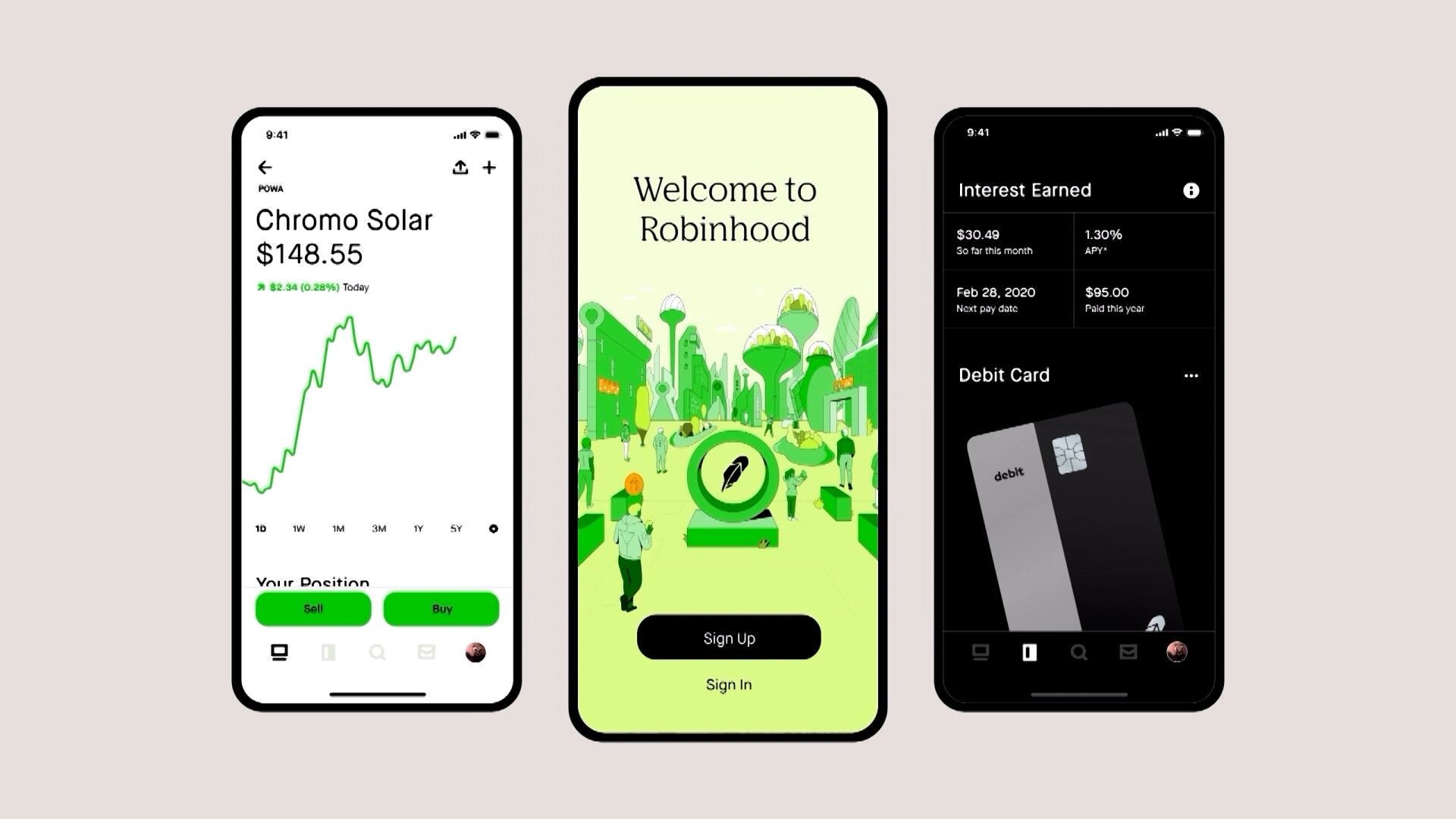
Stock trading app Robinhood already has been offering cryptocurrency investments but seems further excited about the asset class following President Biden's recent announcement of an executive order. Dan Gallagher, the chief legal and corporate affairs officer for Robinhood, joined Cheddar News to talk about the White House's tentative vision for digital currency. "I think this executive order firmly states that, yes, crypto is here to stay, which it talks about the important competitive issues around crypto and how the United States needs to be a leader, a global leader, in innovation and technology regarding crypto," he said. Gallagher also discussed having clarity around meme stocks going forward but worried about overregulation slowing down innovation.
American private aviation company Wheels Up saw a substantial revenue increase in its Q4 earnings. With bookings ramping up for the summer — along with hopes of being on the tail-end of COVID-19 — the company is looking at a promising upcoming quarter as well. CEO Kenny Dichter joined Cheddar News to talk about the earnings reports as well as the company's new app development. "We’re following that Uber, Airbnb, Amazon playbook and are really going to disrupt this space through technology," he said.
In this edition of Tik Talk, musicians use tech to make songs with plants. The process turns electrodes in the plants into musical notes and the results just might blow your mind.