*By Max Godnick*
Some child psychologists are starting to see young patients struggling with the effects of playing too much Fortnite, the apocalyptic survival video game played by more than 125 million people since it launched last summer.
"They are seeing kids who are coming in, their parents are concerned, they're having a lot of trouble putting the game down," Sara Miller, the health editor at Live Science, said in an interview with Cheddar about some anecdotal reports from mental health professionals.
Miller said some of the child psychologists who spoke to Live Science [described](https://www.livescience.com/62796-fortnite-addiction-therapy.html) children developing an addiction to the battle royale-style game from Epic Games. One psychologist told Live Science that parents should cap their children's Fortnite gameplay at no more than six hours a week.
Children obsessively playing video games is not a new phenomenon, but there may be some aspects of Fortnite that have a particularly strong pull on young gamers. The game's colorful cartoonish aesthetic obscures its violent goal ー kill everyone. It's relatively short rounds (about 20 minutes) keep gamers coming back for more. "It's like pulling a slot machine," said Miller.
Fortnite's popularity can also be attributed to its accessibility: It is available on XBox One, PlayStation 4, Microsoft Windows, iOS, and Nintendo's Switch. It's also free.
"That makes the barrier of entry really, really low," said Miller.
Some Fortnite proponents said the game is potentially beneficial to young gamers' development by helping them figure out how to construct solutions to unexpected problems. Users can build walls and other structures for cover during firefights. Microsoft leveraged similar world-building tactics for learning purposes when it launched Minecraft: Education Edition in 2016.
Miller says constructing barriers to protect from grenade launchers is no substitute for actual social interaction.
"Nothing really beats going out and making eye contact with people and interacting with them in person," she said.
For the full interview, [click here](https://cheddar.com/videos/is-fortnite-sending-kids-to-therapy).
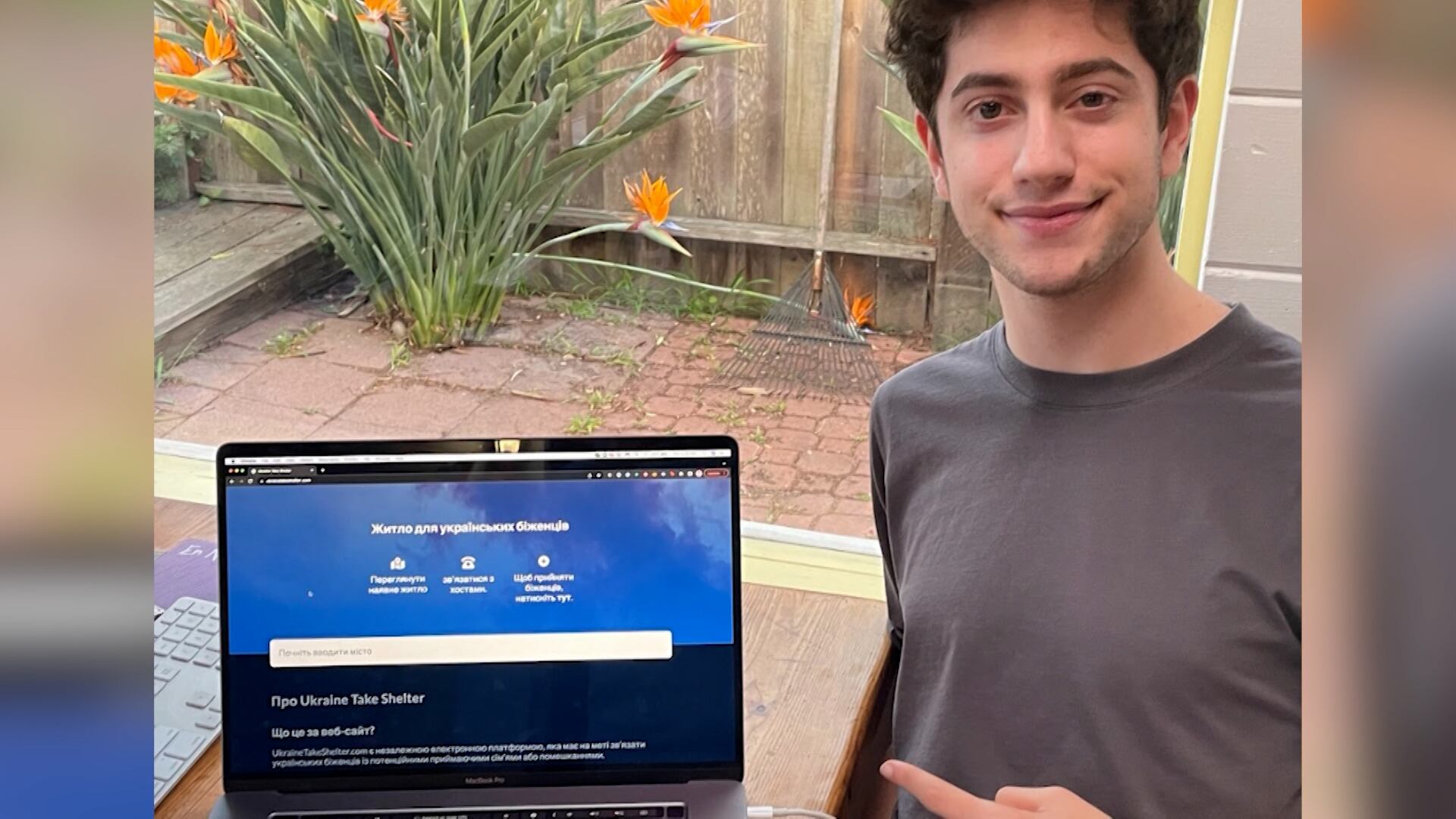
With the number of Ukrainians being displaced due to the Russian invasion surging, two students from Harvard took it on themselves to develop a website to help connect potential hosts with refugees seeking housing. The co-founder of the website Ukraine Takes Shelter, Marco Burstein, joined Cheddar news to discuss working together with fellow freshman Avi Schiffmann to streamline the effort to aid Ukrainian refugees. "We basically worked for three days straight developing the website, and since then the response has been pretty incredible," Burstein said.
Image-sharing social media platform Pinterest is marking Women's History Month through its Pinterest Elevates program, designed to help grow 10 underrepresented businesses with monetary and strategic support. Alise Marshall, senior global lead for public affairs at Pinterest, joined Cheddar News to explain how the program is helping to uplift women and women of color with businesses of their own. “This was in response to issues that we saw happening in the community, and ways that we thought that we were uniquely positioned to respond," she said.
Twitter is pulling back its latest change after receiving major pushback from users. The feature pushed the user timeline experience onto a "home" feed that used individualized algorithms for displaying tweets rather than posting them in chronological order.
Cheddar catches up with Lior Keet, EY Emerging Technology Managing Director, at South by Southwest to discuss what's on the minds of today's tech leaders, and how IT can play a role in an organization's ESG agenda.
The future of entertainment is interactive, according to the creators of the Fireside app. Mark Cuban and Falon Fatemi say that more and more, audience members will want to be part of the live content they are watching, and Fireside helps content creators do just that. They can create a live audience Q&A, facilitate a discussion, and more, all with the click of a button in the app. Creators also have full control of how they distribute and monetize each piece of content they create. Fatemi, CEO & Co-Founder of Fireside, joins Cheddar to discuss the app's interactive content features, what users and creators can get out of the app, plans for NFT and other virtual products, and more.