*By Max Godnick*
Some child psychologists are starting to see young patients struggling with the effects of playing too much Fortnite, the apocalyptic survival video game played by more than 125 million people since it launched last summer.
"They are seeing kids who are coming in, their parents are concerned, they're having a lot of trouble putting the game down," Sara Miller, the health editor at Live Science, said in an interview with Cheddar about some anecdotal reports from mental health professionals.
Miller said some of the child psychologists who spoke to Live Science [described](https://www.livescience.com/62796-fortnite-addiction-therapy.html) children developing an addiction to the battle royale-style game from Epic Games. One psychologist told Live Science that parents should cap their children's Fortnite gameplay at no more than six hours a week.
Children obsessively playing video games is not a new phenomenon, but there may be some aspects of Fortnite that have a particularly strong pull on young gamers. The game's colorful cartoonish aesthetic obscures its violent goal ー kill everyone. It's relatively short rounds (about 20 minutes) keep gamers coming back for more. "It's like pulling a slot machine," said Miller.
Fortnite's popularity can also be attributed to its accessibility: It is available on XBox One, PlayStation 4, Microsoft Windows, iOS, and Nintendo's Switch. It's also free.
"That makes the barrier of entry really, really low," said Miller.
Some Fortnite proponents said the game is potentially beneficial to young gamers' development by helping them figure out how to construct solutions to unexpected problems. Users can build walls and other structures for cover during firefights. Microsoft leveraged similar world-building tactics for learning purposes when it launched Minecraft: Education Edition in 2016.
Miller says constructing barriers to protect from grenade launchers is no substitute for actual social interaction.
"Nothing really beats going out and making eye contact with people and interacting with them in person," she said.
For the full interview, [click here](https://cheddar.com/videos/is-fortnite-sending-kids-to-therapy).
What you Need to Know on Thursday, March 17. Updates from Ukraine, President Biden refers to Putin as a ‘war criminal’ for the first time, Walmart has ambitious hiring targets for Q1, and Netflix takes steps to crack down on password sharing.
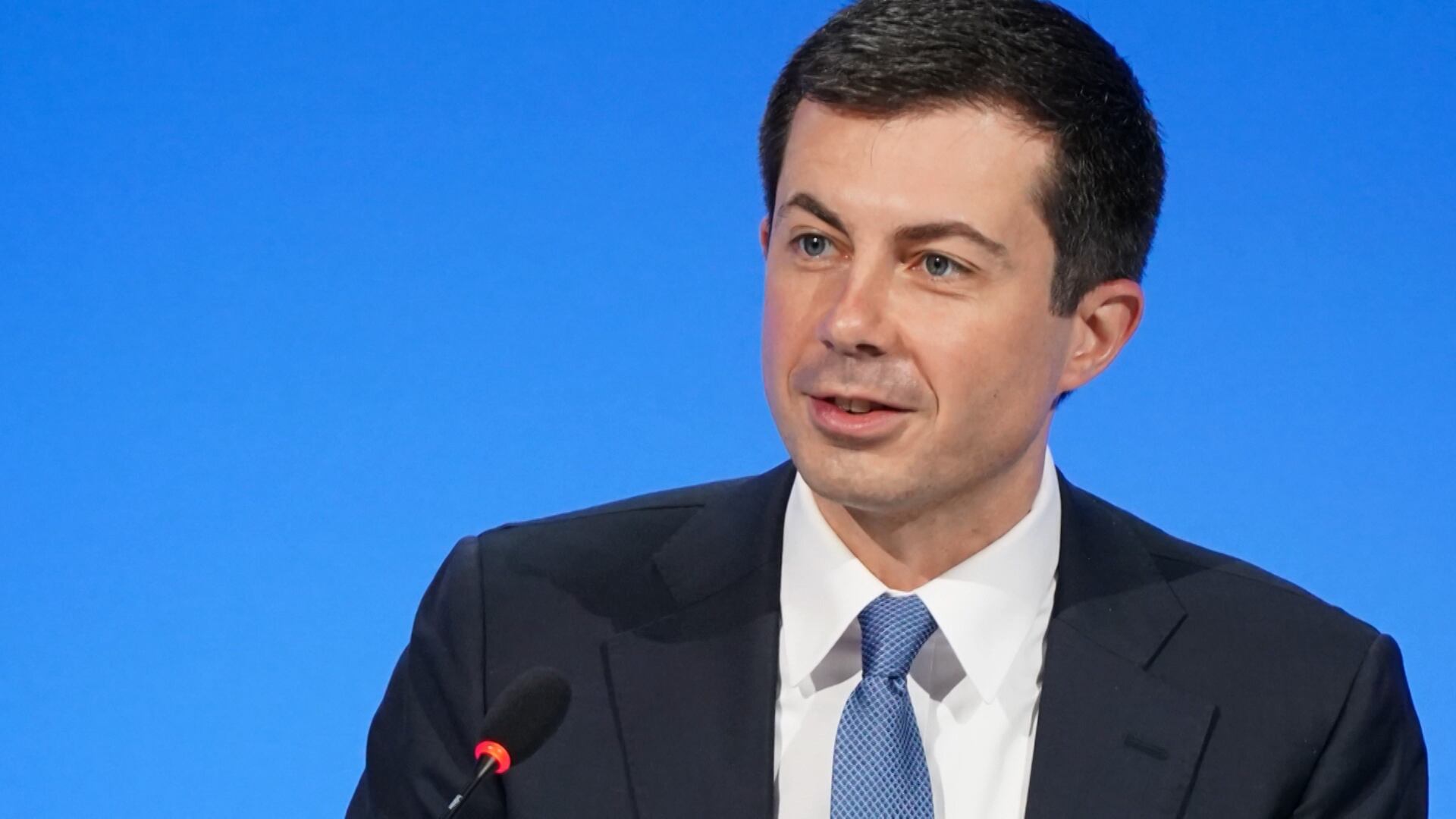
Transportation Secretary Pete Buttigieg joined Cheddar's Michelle Castillo from South By Southwest to boost President Biden's bipartisan infrastructure legislation and talk about the big transportation issues of the day, including electric vehicle charging infrastructure and the future of public transit. "It means we have a huge wind at our back delivering on the kinds of transportation solutions that are going to define the 2020's 2030s, 2040s even," he said. "And that's what makes it exciting to come to South by Southwest and talk with some of the people who are following these technologies and ideas the most closely and talk about where we're headed." Buttigieg also touched on the "Don't Say Gay" legislation in Florida, noting that such legislative pushes were likely coming from politicians deflecting from lacking answers to pressing economic concerns, in his opinion.
Social audio app Clubhouse reached $1 billion valuation milestone this January, and Fadia Kader, head of strategic media partnerships at Clubhouse, joined Cheddar News to talk about what its been doing to keep the drive going. "We are the category first leaders. We are 100 percent focused on social audio. It's not just a feature that we've just like bottled up and put on there. We are a medium that is 100 percent focused on community and social audio," she said.
Last year, CD sales grew for the first time since 2004, according to a new Recording Industry Association of America report. CDs were a leading format in the music industry in the 1990s when Spice Girls and TLC had us groovin'. If it feels like you've been hearing more golden oldies lately, you aren't alone. Classic music is having a serious moment, and it isn't likely to change any time soon. Baker Machado takes a closer look at what's driving this shift in the industry.