*By Max Godnick*
Some child psychologists are starting to see young patients struggling with the effects of playing too much Fortnite, the apocalyptic survival video game played by more than 125 million people since it launched last summer.
"They are seeing kids who are coming in, their parents are concerned, they're having a lot of trouble putting the game down," Sara Miller, the health editor at Live Science, said in an interview with Cheddar about some anecdotal reports from mental health professionals.
Miller said some of the child psychologists who spoke to Live Science [described](https://www.livescience.com/62796-fortnite-addiction-therapy.html) children developing an addiction to the battle royale-style game from Epic Games. One psychologist told Live Science that parents should cap their children's Fortnite gameplay at no more than six hours a week.
Children obsessively playing video games is not a new phenomenon, but there may be some aspects of Fortnite that have a particularly strong pull on young gamers. The game's colorful cartoonish aesthetic obscures its violent goal ー kill everyone. It's relatively short rounds (about 20 minutes) keep gamers coming back for more. "It's like pulling a slot machine," said Miller.
Fortnite's popularity can also be attributed to its accessibility: It is available on XBox One, PlayStation 4, Microsoft Windows, iOS, and Nintendo's Switch. It's also free.
"That makes the barrier of entry really, really low," said Miller.
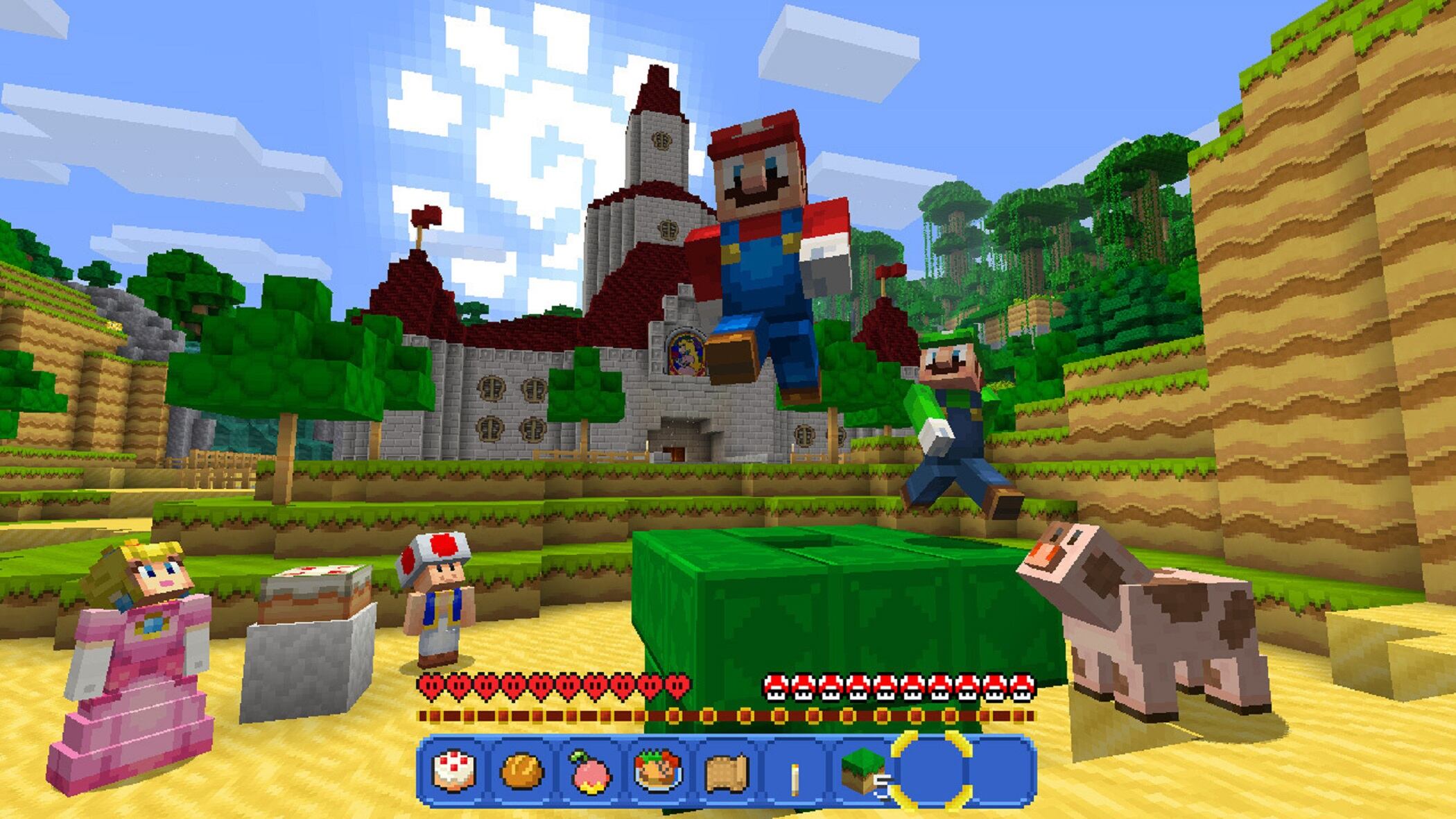
Some Fortnite proponents said the game is potentially beneficial to young gamers' development by helping them figure out how to construct solutions to unexpected problems. Users can build walls and other structures for cover during firefights. Microsoft leveraged similar world-building tactics for learning purposes when it launched Minecraft: Education Edition in 2016.
Miller says constructing barriers to protect from grenade launchers is no substitute for actual social interaction.
"Nothing really beats going out and making eye contact with people and interacting with them in person," she said.
For the full interview, [click here](https://cheddar.com/videos/is-fortnite-sending-kids-to-therapy).
Venus Aerospace is joining the space tourism race in a nonconventional way. Instead of taking passengers to Mars or the Moon, the startup’s goal is to take passengers around the Earth — in less than an hour. Sarah "Sassie" Duggleby, CEO and co-founder, joined Cheddar News to talk about her company's innovative approach to travel and when she expects to carry passengers. "We would hope in the next five years we'll have our plane fully developed and then start entering into all the FAA certifications and qualifications in order to get to commercial flights," she said.
Ride-hailing service Uber has unveiled its plans to become a travel super app, which will include options for users to make plane and train arrangements directly.
If you've sold or exchanged any crypto in 2021, the IRS wants to know. Henry Yoshida, Co-founder & CEO, OF Rocket Dollar joined Cheddar's Opening Bell to discuss which crypto activities are taxable and how to best spend your tax refund.
The $2 trillion crypto market will soon be subject to much greater governmental oversight. SEC Chair Gary Gensler announced this week that his agency plans to register and regulate digital currencies. He also revealed that the U.S. will focus on three different areas - crypto platforms, stablecoins, and crypto tokens. Jarrod Loadholt, partner at the law firm Ice Miller, LLP, joined Cheddar News' Closing Bell to discuss.
Blueprints and paper maps might soon be a thing of the past as more cities potentially turn to digital twin technology to create virtual models of urban environments. Michael Jansen, CEO of the digital twin platform CityZenith, broke down how this technology works, what it's being used for, and how it might be a game-changer for the future of urban planning.
"Our focus at CityZenith is on helping cities to decarbonize," Jansen said. "We joined the World Economic Forum recently to work in their net-zero carbon cities program. So what digital twins can do here with cities is aggregate all this complex data around that issue: transport, building emissions, etc., and scenario-ize how they interrelate and then how to optimize the entire process of decarbonizing, which is itself complex."
General Motors and Honda are teaming up to produce more affordable electric vehicles. The two carmaking giant are looking to hit a price point of less than $30,000, a much lower price when compared to most other electric vehicles priced toward luxury buyers..