*By Max Godnick*
Some child psychologists are starting to see young patients struggling with the effects of playing too much Fortnite, the apocalyptic survival video game played by more than 125 million people since it launched last summer.
"They are seeing kids who are coming in, their parents are concerned, they're having a lot of trouble putting the game down," Sara Miller, the health editor at Live Science, said in an interview with Cheddar about some anecdotal reports from mental health professionals.
Miller said some of the child psychologists who spoke to Live Science [described](https://www.livescience.com/62796-fortnite-addiction-therapy.html) children developing an addiction to the battle royale-style game from Epic Games. One psychologist told Live Science that parents should cap their children's Fortnite gameplay at no more than six hours a week.
Children obsessively playing video games is not a new phenomenon, but there may be some aspects of Fortnite that have a particularly strong pull on young gamers. The game's colorful cartoonish aesthetic obscures its violent goal ー kill everyone. It's relatively short rounds (about 20 minutes) keep gamers coming back for more. "It's like pulling a slot machine," said Miller.
Fortnite's popularity can also be attributed to its accessibility: It is available on XBox One, PlayStation 4, Microsoft Windows, iOS, and Nintendo's Switch. It's also free.
"That makes the barrier of entry really, really low," said Miller.
Some Fortnite proponents said the game is potentially beneficial to young gamers' development by helping them figure out how to construct solutions to unexpected problems. Users can build walls and other structures for cover during firefights. Microsoft leveraged similar world-building tactics for learning purposes when it launched Minecraft: Education Edition in 2016.
Miller says constructing barriers to protect from grenade launchers is no substitute for actual social interaction.
"Nothing really beats going out and making eye contact with people and interacting with them in person," she said.
For the full interview, [click here](https://cheddar.com/videos/is-fortnite-sending-kids-to-therapy).
Prices at the pump this year reached a seven-year high, and a new forecast from GasBuddy shared with CNN predicts that gas prices will only continue to rise in 2022 and that the national average could even reach $4.00 a gallon; however, analysts at GasBuddy say anything could happen when it comes to gas prices in the future, as the pandemic has made it difficult to make any predictions about the economy. Consumer Energy Alliance federal policy advisor Michael Zehr joins Cheddar News' Closing Bell to discuss.
The two tech- billionaires Elon Musk and Jack Dorsey are the latest voices to discuss the new hypothetical internet called Web 3.0. According to the billionaires, the new concept is just a "marketing buzzword" and cannot exist without venture capitalists or large backing. However, advocates of the Web 3.0 believe this decentralized space is the next big thing to help put ownership back into the hands of the people. Senior News Editor at The Verge, Richard Lawler, joined Cheddar to discuss more.
This year, the games market will generate total revenues of $180.3 billion dollars, a significant increase from 2020. While the industry continues to grow and expand into new spaces, such as the metaverse, there is still plenty of room for growth and reform in this male-dominated market. Katie Robinson, content creator, joins Cheddar News to discuss.
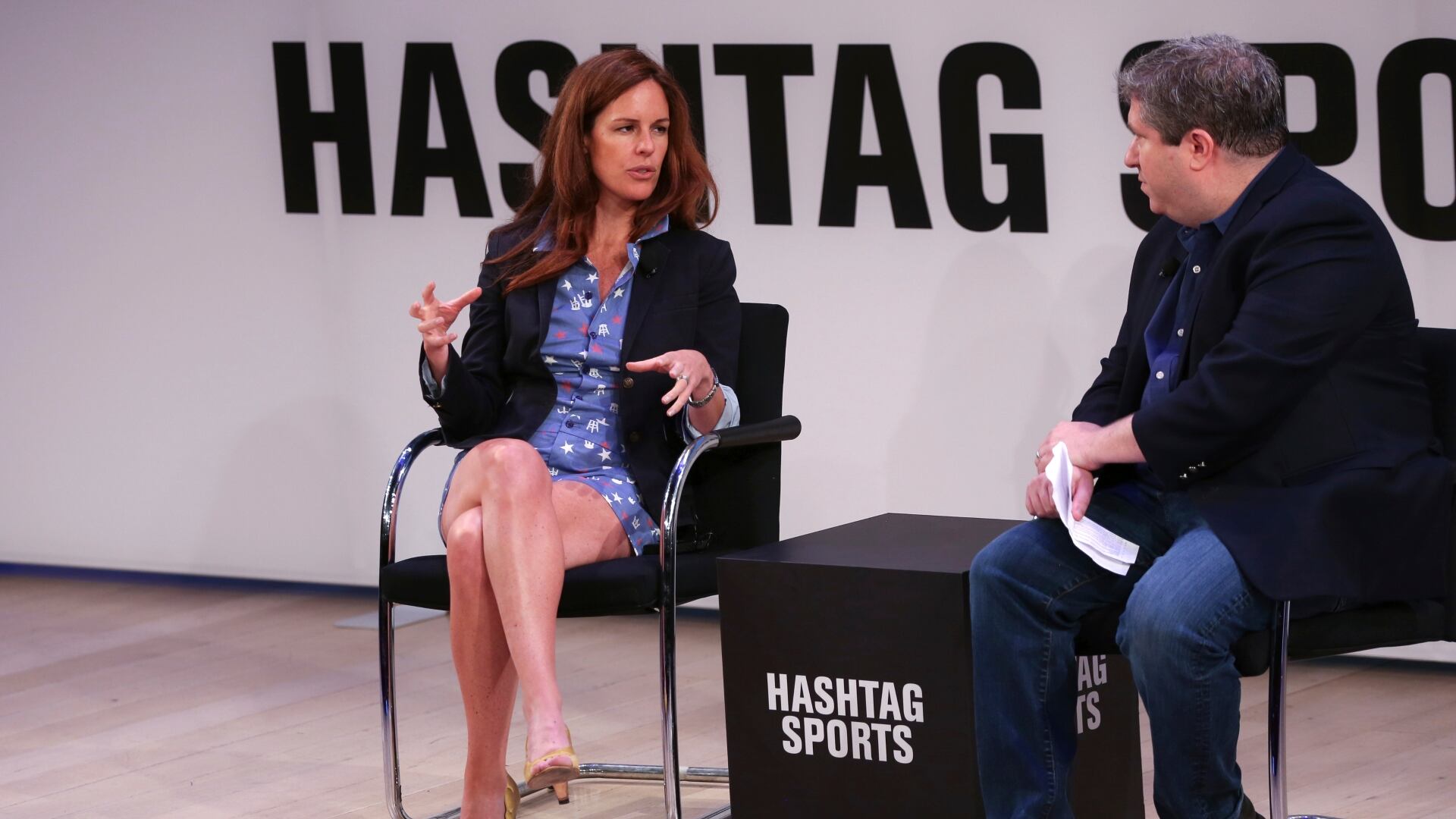
Barstool Sports CEO Erika Nardini joined Cheddar's Kristen Scholer to discuss plans for the future even as COVID-19 upended Barstool's sponsorship of the Arizona Bowl featuring the Boise State Broncos and the Central Michigan Chippewas due to the spreading omicron variant. "In our case as a company, coronavirus has been a big boom for us," she noted. "We've been able to create a lot of new programming, launch a lot of different personalities, and frankly take share from traditional media, and that's what we've done the entire pandemic." While she admitted to taking a hit on the canceled Bowl game, live events aren't completely off the table for Barstool in 2022. Nardini also talked about potential sports betting expansion following its partnership with Penn National Gaming.
Interest in the concept of the metaverse is heating up as more companies get on board, and Cathy Hackl, CEO of Futures Intelligence Group, a metaverse-focused consultancy, joined Cheddar to talk about trends to watch out for in 2022 and what it will take for it to be more than just a buzzword. Hackl noted that businesses likely will have to consider big technology upgrades in the upcoming year in order to keep up. "We're going to need new levels of computing power to be able to enable shared virtual experiences, both in VR but also in augmented reality," she said.
Ron Gutman, Co-CEO of Intrivo, joins Cheddar News to discuss how the company is creating a test and tech solution for Covid testing called 2Gather, and how it's using data-driven digital diagnostics to make these tests widely available and affordable.
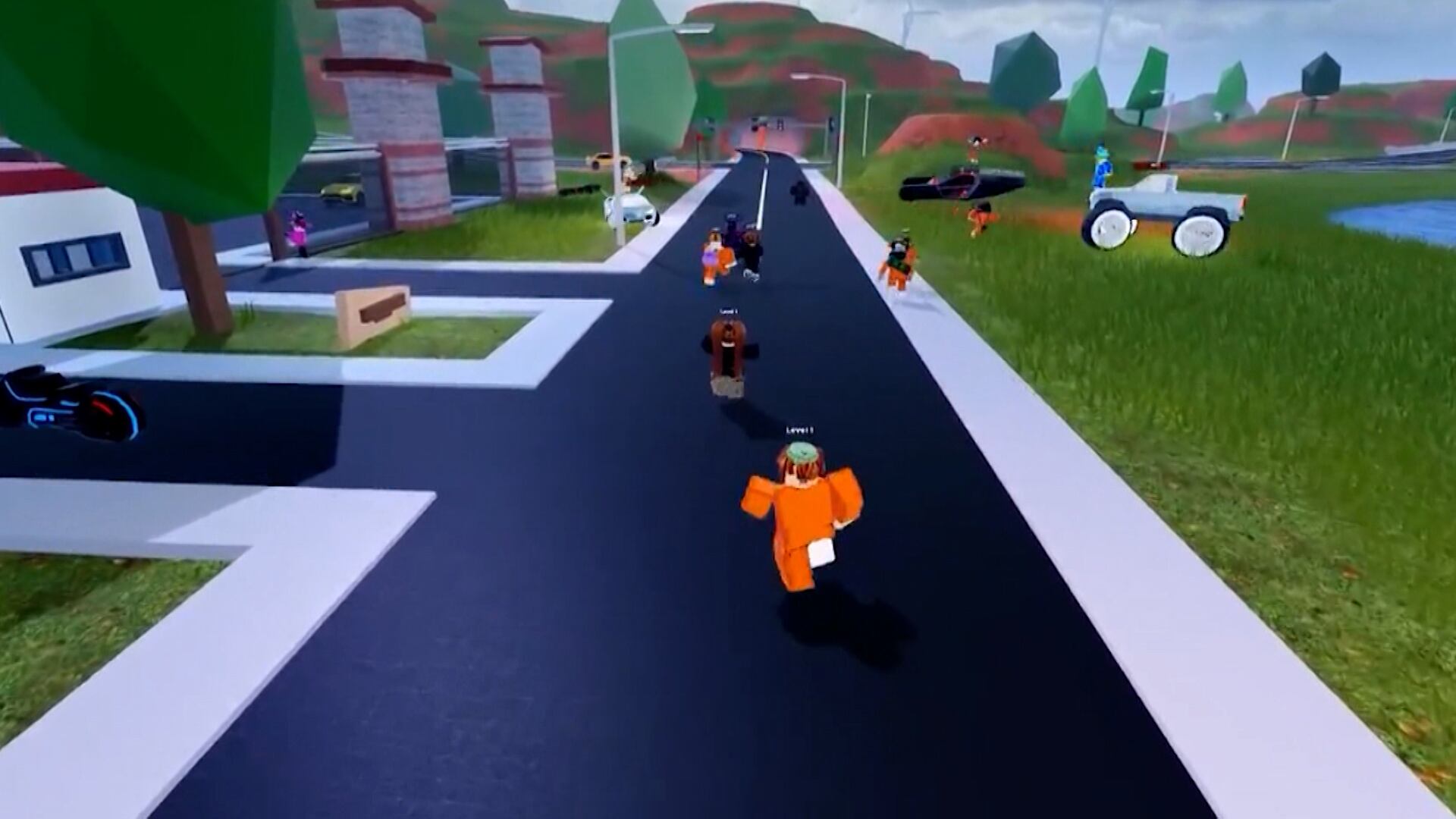
The metaverse took the world by storm in 2021 and it is just the beginning of the virtual universe. Consumers are jumping on board and companies like Meta and Roblox are already taking advantage. Entrepreneur Andrew Duplessie joined Cheddar to discuss how the metaverse will impact the future of socialization and business. "If I'm doing anything right now, I'm building an app, I'm jumping into that ecosystem, and I'm testing it. I'm seeing what people think," he said.