*By Max Godnick*
Some child psychologists are starting to see young patients struggling with the effects of playing too much Fortnite, the apocalyptic survival video game played by more than 125 million people since it launched last summer.
"They are seeing kids who are coming in, their parents are concerned, they're having a lot of trouble putting the game down," Sara Miller, the health editor at Live Science, said in an interview with Cheddar about some anecdotal reports from mental health professionals.
Miller said some of the child psychologists who spoke to Live Science [described](https://www.livescience.com/62796-fortnite-addiction-therapy.html) children developing an addiction to the battle royale-style game from Epic Games. One psychologist told Live Science that parents should cap their children's Fortnite gameplay at no more than six hours a week.
Children obsessively playing video games is not a new phenomenon, but there may be some aspects of Fortnite that have a particularly strong pull on young gamers. The game's colorful cartoonish aesthetic obscures its violent goal ー kill everyone. It's relatively short rounds (about 20 minutes) keep gamers coming back for more. "It's like pulling a slot machine," said Miller.
Fortnite's popularity can also be attributed to its accessibility: It is available on XBox One, PlayStation 4, Microsoft Windows, iOS, and Nintendo's Switch. It's also free.
"That makes the barrier of entry really, really low," said Miller.
Some Fortnite proponents said the game is potentially beneficial to young gamers' development by helping them figure out how to construct solutions to unexpected problems. Users can build walls and other structures for cover during firefights. Microsoft leveraged similar world-building tactics for learning purposes when it launched Minecraft: Education Edition in 2016.
Miller says constructing barriers to protect from grenade launchers is no substitute for actual social interaction.
"Nothing really beats going out and making eye contact with people and interacting with them in person," she said.
For the full interview, [click here](https://cheddar.com/videos/is-fortnite-sending-kids-to-therapy).
New York City ride-hailing app drivers are about to get a pay raise. According to the city's Mayor Eric Adams, New York will increase its minimum driver pay rate for both Uber and Lyft drivers. This means both platforms would now be required to pay their drivers a minimum of $1.61 cents per mile and about 0.50 cents per minute. Ultimately, the move would give riders at least a 5.3% race. New York City Comptroller Brad Lander, joined Cheddar to discuss more.
A Senate bill unveiled on Wednesday looks to tackleonline safety for children by regulating Big Tech and social media platforms to deter users from content that can harm their mental health. Irene Ly, a policy counsel for the age-based ratings and review organization Common Sense Media, joined Cheddar News to break down the potential of the Kids Online Safety Act. "We can't be imposing such a big burden on parents to be doing it all on theirselves," Ly said. "I think you also have to keep in mind that parents often didn't grow up with social media, so they don't understand what it's like to be addicted to social media or really understand how they work."
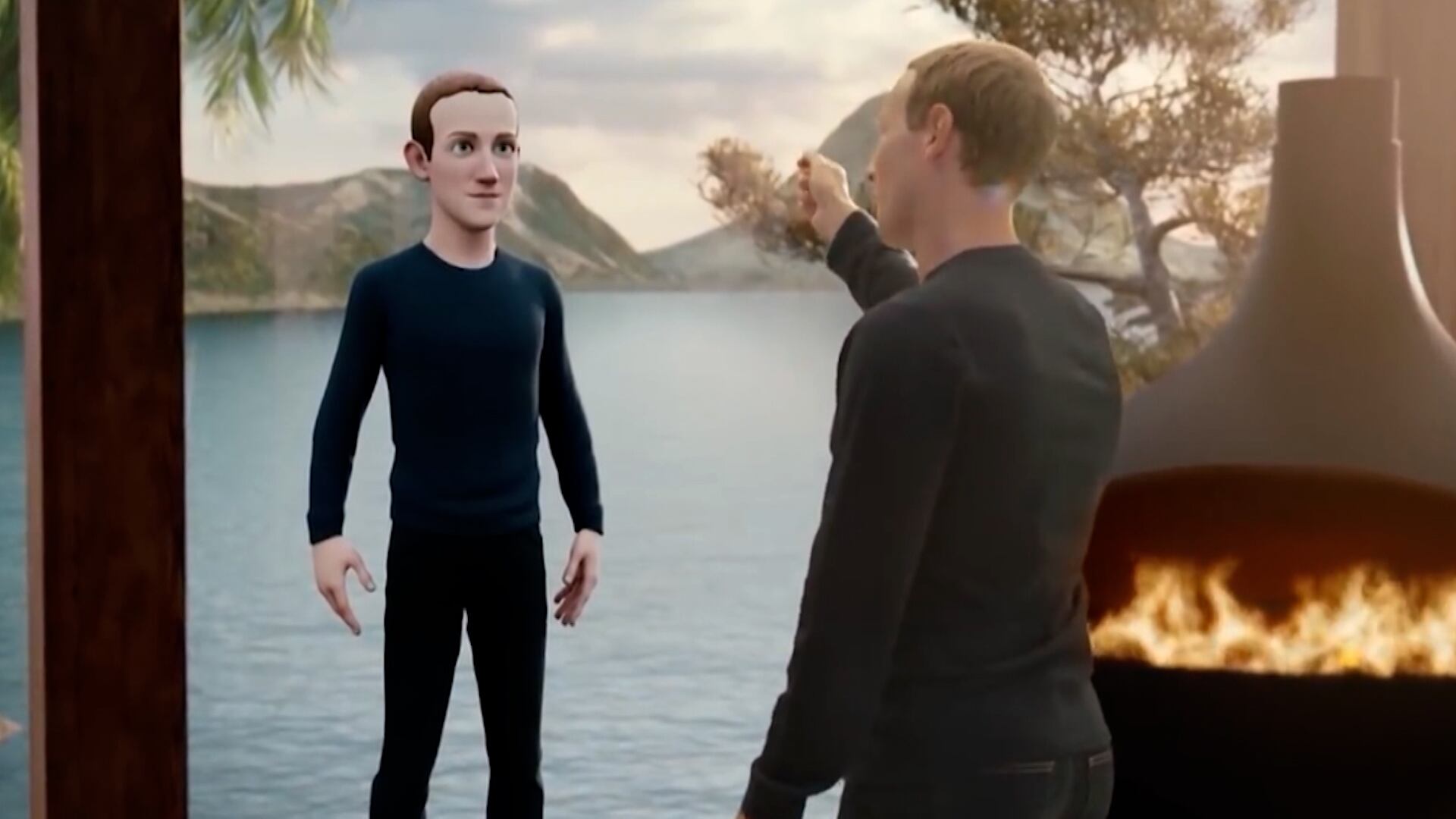
While many still remain skeptical about the metaverse, big tech firms and even one big bank are ready to expand their virtual worlds. Facebook parent company has pivoted so hard it will now call its employees 'Metamates,' and even JPMorgan Chase has created its own digital lounge on one virtual platform. While the sector remains young, there seems to be significant investment opportunity, especially with companies like Nvidia. Adam Johnson, a portfolio strategist at Adviser Investments, joins Closing Bell to discuss which companies could win in this space, consumer appetite, and more.
Marc Blinder, Co-Founder and CEO of Aikon, joins Cheddar News' Closing Bell, where he discusses how his company is helping businesses use blockchain applications without needing to learn the intricacies of the new technology.
Senators Richard Blumenthal (D-Conn.) and Marsha Blackburn (R-Tenn.) have introduced a new bill to afford greater protection to minors on social media. The genesis of the Kids Online Safety Act came from a Facebook whistleblower case exposing the harm apps can have on the mental health of young girls.