António Félix da Costa grew up watching his two brothers race cars, and, ever since his oldest brother took him on a racetrack, he knew it was the choice for him.
"It drives me really," da Costa explained. "You know, it's the thing that makes me get out of bed in the morning. It's something I'm good at, probably the only thing that I'm very good at. And, you know, so I put all my energy, my time, my passion into it."
Da Costa races for DS Techeetah as one of its Formula E drivers, and was the Formula E 2019-2020 season champion. The all-electric car competition joined the FIA World Championship series in 2020, the same governing body that oversees Formula 1.
These cars go fast, up to 173 miles per hour, but they're also sending a sustainable message that the future can be electric.
"I'm not against having races with petrol cars and putting that as a show, but for us on the day-to-day, going from A to B on the streets, why do we need 700 horsepower, V12 cars, you know, polluting the world?" he said.
Formula E Grows
Formula E started in 2014 and has continued to grow. In its seventh season, it visited eight cities during its 15 rounds. Next season, it will expand to 16 races across 12 cities and four continents. The cars are mostly identical to each other, except for the proprietary technology in the back, including the powertrains and software, which have been improving.
"We're running with a lot more power than we did from season one," explained Michael Andretti, owner of Andretti Motorsports. "We're going over twice as far of a distance. So that's what's been pretty amazing."
The evolution has been remarkable, said DS Techeetah Formula E team lead Mark Preston.
"I think at the beginning, most people thought we really thought we were crazy," Preston said. "'You can't race an electric car' to now when we've got new powertrains and new jobs coming up in a couple of years that will take us another step in terms of performance."
Hotbed of Testing
What's more, the technology eventually transfers to the road.
"There's things that we're doing here that's going to end up on your road car," Andretti said. "It's no different than in other types of racing where the OEMs [original equipment manufacturers] use it as a testbed to develop new things, new technologies."
Porsche, for example, has committed to a CO2-neutral balance sheet by 2030, meaning most of its cars will be electric. Its Formula E cars will help develop that technology.
"Electric cars are part of sustainability and sustainability is really important to Porsche," said Porsche Formula E director factory motorsport Pascal Zurlinden. "We use [Formula E] as a label to develop the new technology for the future."
Rethinking Race Strategy
But driving an electric race car requires a different kind of strategy. Because the batteries recharge during the race, you have to learn how to conserve energy, said Porsche Formula E driver André Lotterer.
"We all have the same battery capacity and the same power output," he pointed out. "But if you drive flat out in a race, you won't make it to the end. So we need to save like 20 or 30 percent of the energy in coasting and in regenning."
Though it's a different kind of race, it's still fun. Plus it highlights an important cause, the environment.
"This is the first time in my career that we can do this, in such a strong way and do something for the planet, which is very meaningful," Lotterer said. "I think we all have the responsibility to do our share for that."
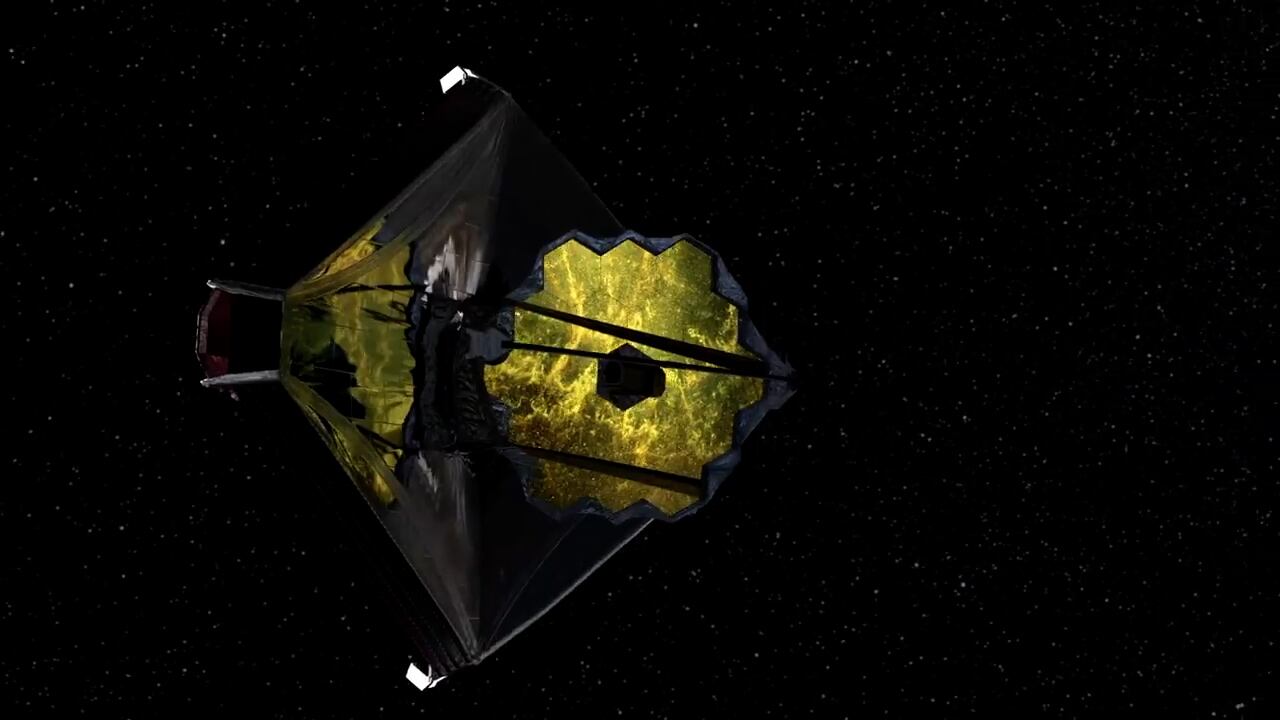
After two decades of engineering, over $10 billion, and a series of delays, the most powerful telescope built by NASA is finally scheduled to launch on Saturday. The James Webb Space Telescope was built to provide a fresh look at the universe by detecting light that is invisible to the human eye and to reveal new information about the universe's oldest stars and galaxies. Lou Strolger, observatory scientist and deputy head of instruments division, space telescope, joins Cheddar News.
Carlo and Baker kick off the weirdest week of the year with all the news you missed over the holiday weekend, including calls for the CDC to shorten its isolation window as Omicron sweeps through the country.
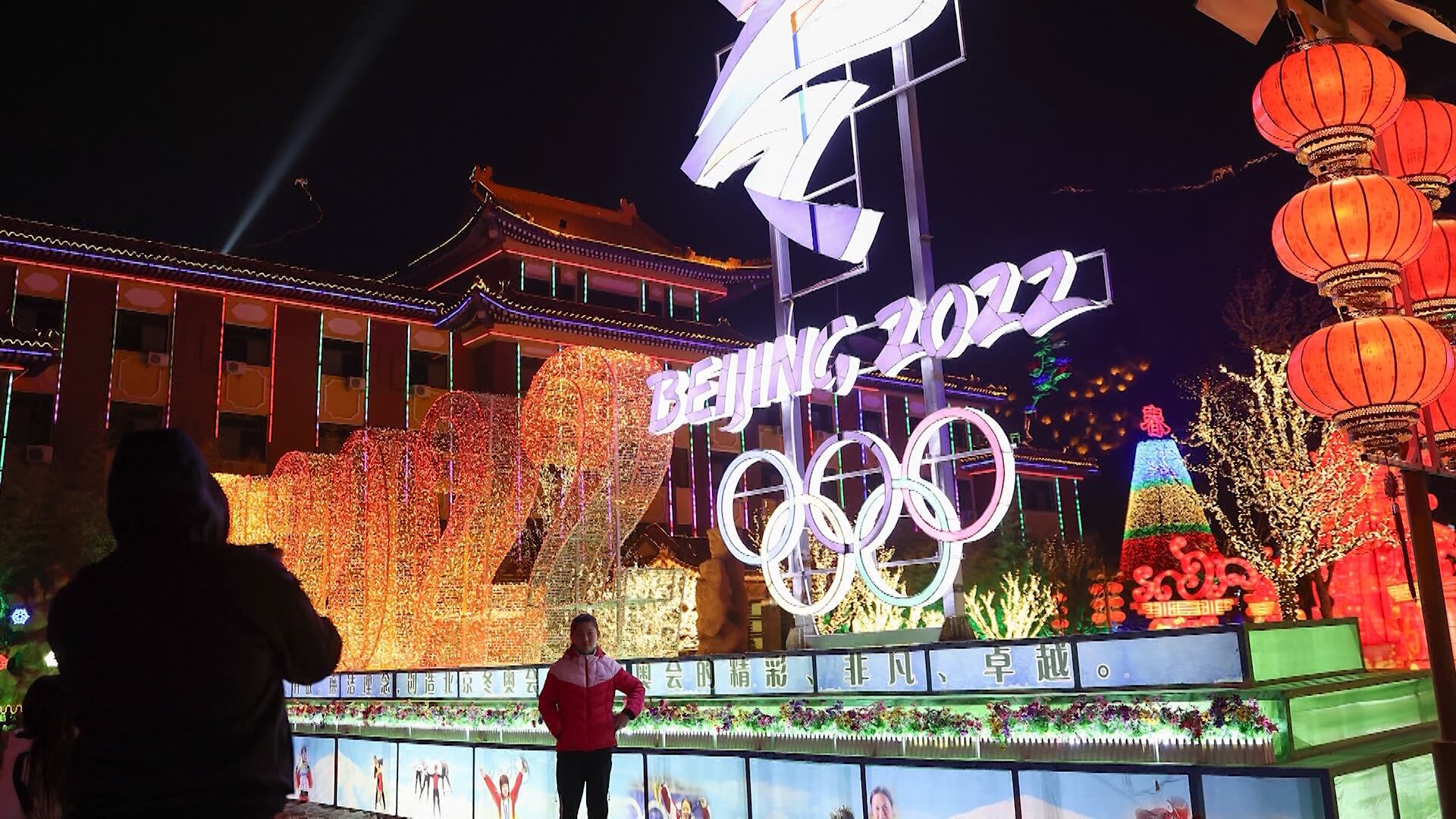
The 2022 Winter Olympics will be without some of hockey's biggest players. The NHL and the NHL Player's Association have agreed to not participate in the men's hockey tournament at the Games in Beijing next year. The league has been forced to postpone some games because of a rise in COVID-19 cases among players. Washington Post sports reporter Samantha Pell joins Cheddar News' Closing Bell to discuss what this could mean for the Winter Olympics and the sport of hockey.
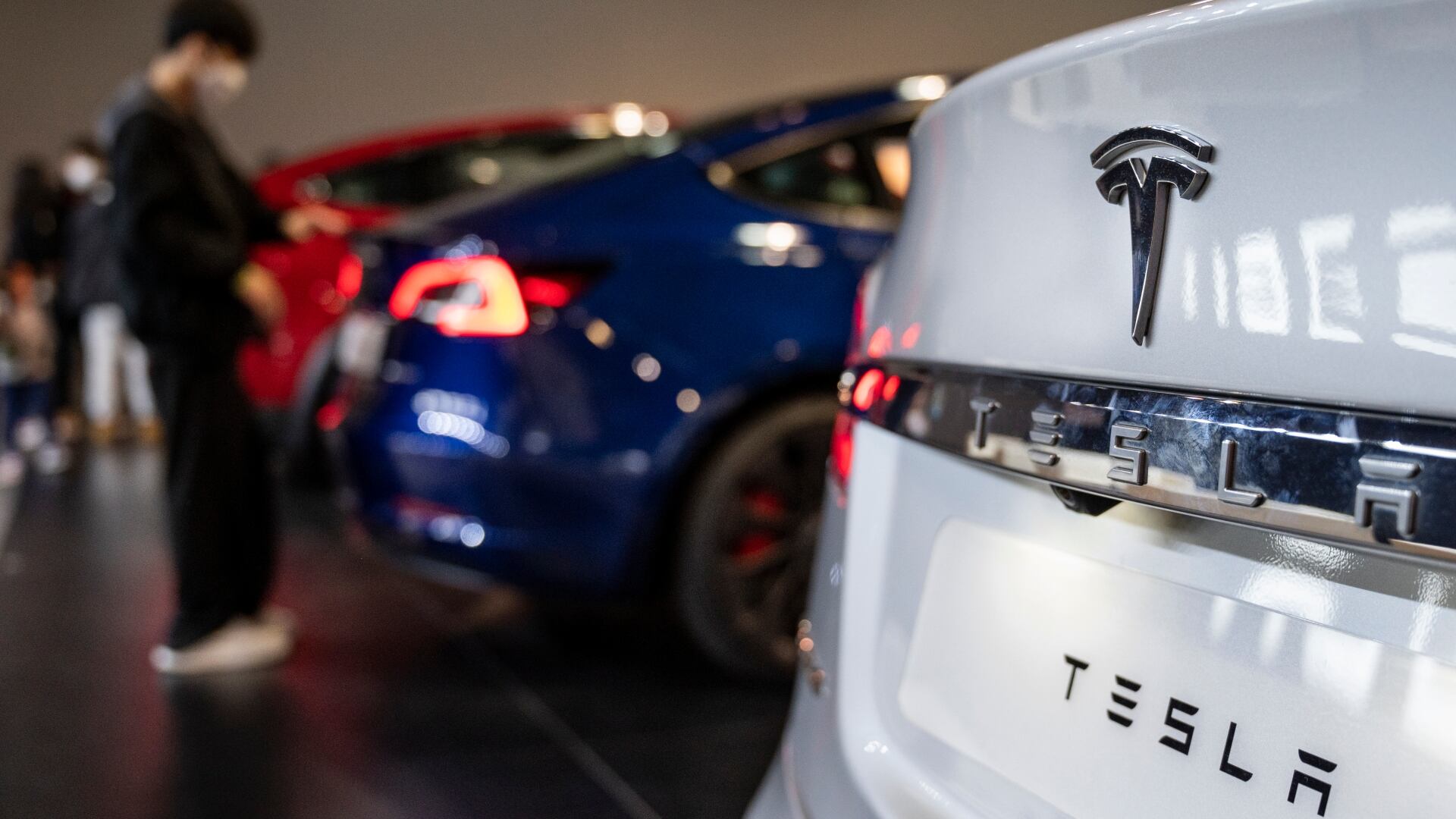
The National Highway Traffic Safety Administration has opened a formal investigation into Tesla. The agency is looking into about 580,000 Tesla vehicles, and a feature called 'Passenger Play' which allows drivers to play video games on the center touch screen. The feature previously only worked when a vehicle was in park; but, the NHTSA says it has confirmed that the feature has been available while vehicles are in motion since December of 2020. iSeeCars.com executive analyst Karl Brauer joins Cheddar News' Closing Bell to discuss.
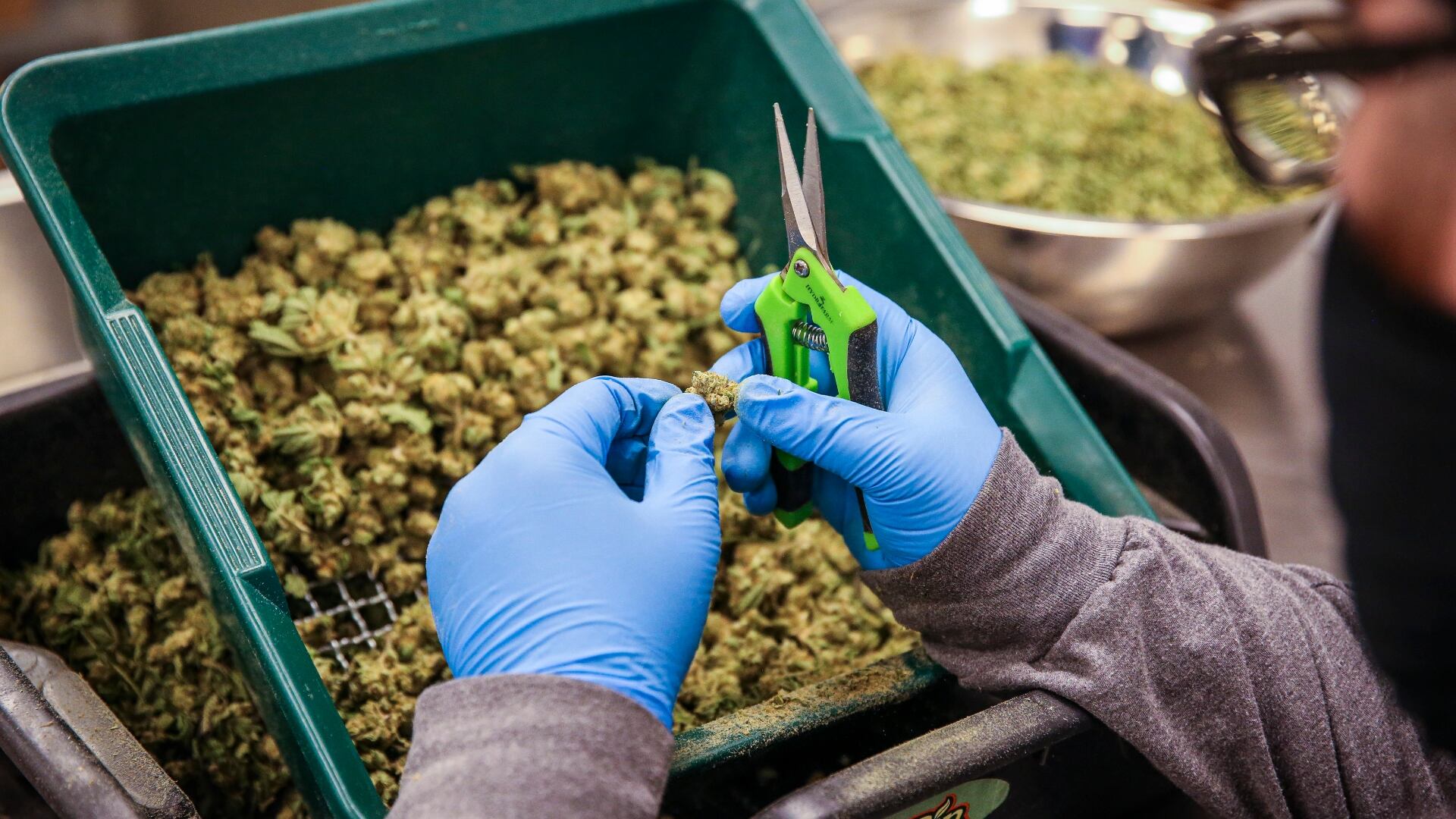
Baron Davis and Kate Hudson want you to bring cannabis home for the holidays. The cannabis-infused seltzer brand Cann released a new spot featuring the actress and former NBA player. The campaign comes hand in hand with Cann's launch of a new holiday bundle, which includes its product with Hudson's King Street Vodka. Davis and Hudson are also Cann investors. Cheddar cannabis reporter Chloe Aiello spoke to Davis about his involvement with the company and its new campaign.
Healthcare workforce management platform ShiftMed
recently announced a $45 million funding round.
The company's platform connects nurses and healthcare professionals to hospitals and other healthcare providers.
ShiftMed's new funding comes amid widespread labor shortages in the healthcare sector. The company's CEO Todd Walrath joins Cheddar News' Closing Bell to discuss.
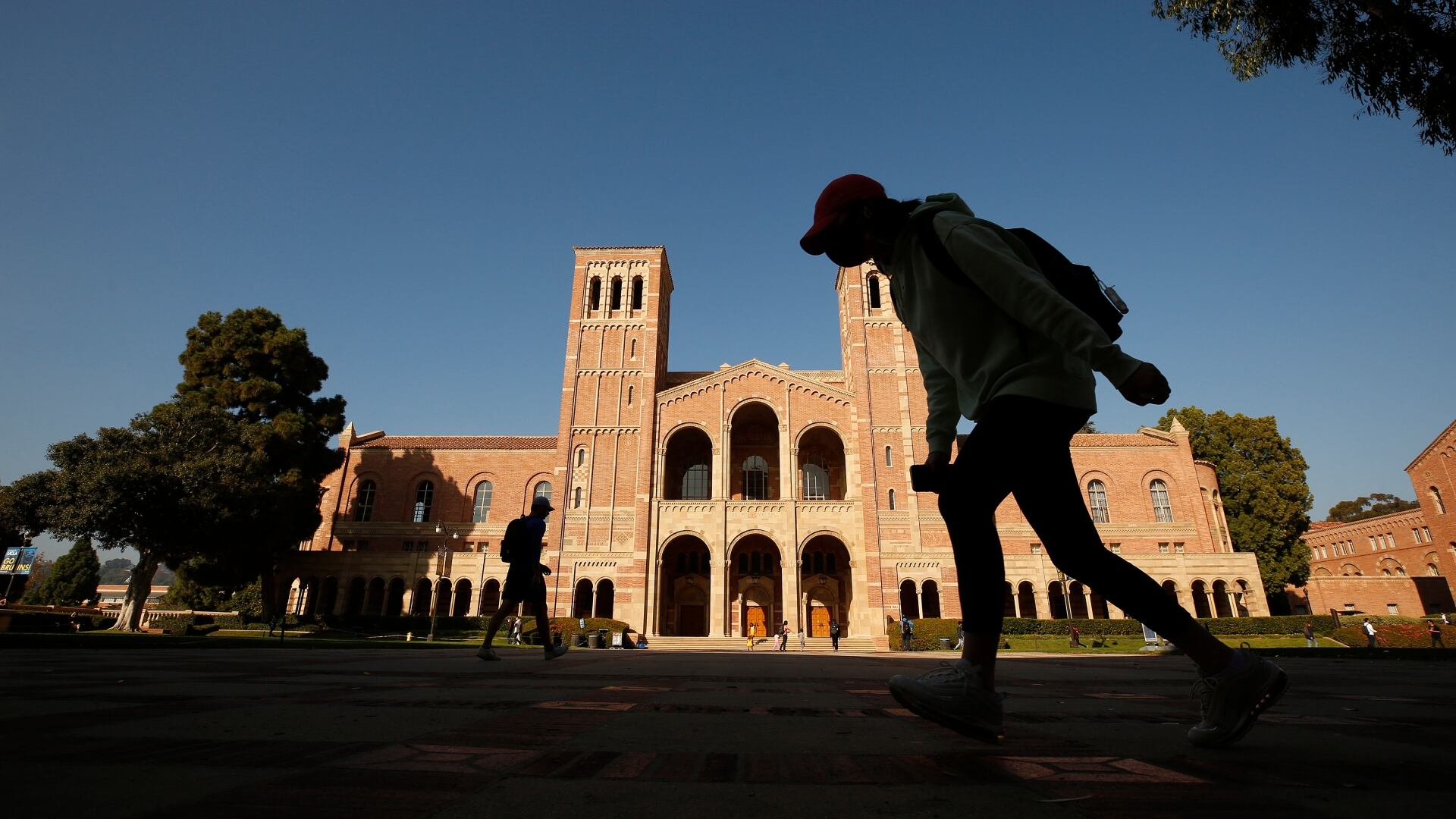
Universities like UCLA, Yale, and Duke have announced they're implementing remote learning amid the COVID omicron variant surge, despite President Biden recommending that K-12 schools should continue in-person education. Jared C. Bass, senior director for Higher Education at American Progress, joined Cheddar to break down what institutions of higher education might be considering differently. "I think some universities are allowing periods of a bit of a respite to allow students to get testing and make sure when they do return back to campus that they're healthy," he noted.
Supply chain issues have become one of the biggest roadblocks for the U.S. EV market, with production woes likely to stunt the industry's growth in 2022. Rich Steinberg, electric vehicle expert and industry advisor, told Cheddar that the Biden administration investing in domestic mining for essential minerals used in battery manufacturing — such as lithium — could help alleviate the bottlenecks. "Some of those same materials are available domestically, they just haven't been prioritized," he said, noting the paradox between green tech and "dirty" mining. "The good news is that there are ways to extract those materials cleanly."
Hyperfine, the pioneer of the very first FDA-approved portable MRI device, made its public debut on the Nasdaq via a SPAC merger. CEO Dave Scott joined Cheddar's "Opening Bell" to discuss the IPO launch, the company's valuation at $580 million, and the impact of its machine called Swoop. "We can roll an MRI system, our MRI Swoop system, right into the room where you are, right up to your patient bedside, and scan you right there and get an image in less than an hour," he explained.
Dr. Rob Davidson, Executive Director of the Committee to Protect Health Care and an ER Physician in West Michigan, joins Cheddar News to break down the expectations of Pfizer's new COVID-19 treatment pill.