António Félix da Costa grew up watching his two brothers race cars, and, ever since his oldest brother took him on a racetrack, he knew it was the choice for him.
"It drives me really," da Costa explained. "You know, it's the thing that makes me get out of bed in the morning. It's something I'm good at, probably the only thing that I'm very good at. And, you know, so I put all my energy, my time, my passion into it."
Da Costa races for DS Techeetah as one of its Formula E drivers, and was the Formula E 2019-2020 season champion. The all-electric car competition joined the FIA World Championship series in 2020, the same governing body that oversees Formula 1.
These cars go fast, up to 173 miles per hour, but they're also sending a sustainable message that the future can be electric.
"I'm not against having races with petrol cars and putting that as a show, but for us on the day-to-day, going from A to B on the streets, why do we need 700 horsepower, V12 cars, you know, polluting the world?" he said.
Formula E Grows
Formula E started in 2014 and has continued to grow. In its seventh season, it visited eight cities during its 15 rounds. Next season, it will expand to 16 races across 12 cities and four continents. The cars are mostly identical to each other, except for the proprietary technology in the back, including the powertrains and software, which have been improving.
"We're running with a lot more power than we did from season one," explained Michael Andretti, owner of Andretti Motorsports. "We're going over twice as far of a distance. So that's what's been pretty amazing."
The evolution has been remarkable, said DS Techeetah Formula E team lead Mark Preston.
"I think at the beginning, most people thought we really thought we were crazy," Preston said. "'You can't race an electric car' to now when we've got new powertrains and new jobs coming up in a couple of years that will take us another step in terms of performance."
Hotbed of Testing
What's more, the technology eventually transfers to the road.
"There's things that we're doing here that's going to end up on your road car," Andretti said. "It's no different than in other types of racing where the OEMs [original equipment manufacturers] use it as a testbed to develop new things, new technologies."
Porsche, for example, has committed to a CO2-neutral balance sheet by 2030, meaning most of its cars will be electric. Its Formula E cars will help develop that technology.
"Electric cars are part of sustainability and sustainability is really important to Porsche," said Porsche Formula E director factory motorsport Pascal Zurlinden. "We use [Formula E] as a label to develop the new technology for the future."
Rethinking Race Strategy
But driving an electric race car requires a different kind of strategy. Because the batteries recharge during the race, you have to learn how to conserve energy, said Porsche Formula E driver André Lotterer.
"We all have the same battery capacity and the same power output," he pointed out. "But if you drive flat out in a race, you won't make it to the end. So we need to save like 20 or 30 percent of the energy in coasting and in regenning."
Though it's a different kind of race, it's still fun. Plus it highlights an important cause, the environment.
"This is the first time in my career that we can do this, in such a strong way and do something for the planet, which is very meaningful," Lotterer said. "I think we all have the responsibility to do our share for that."
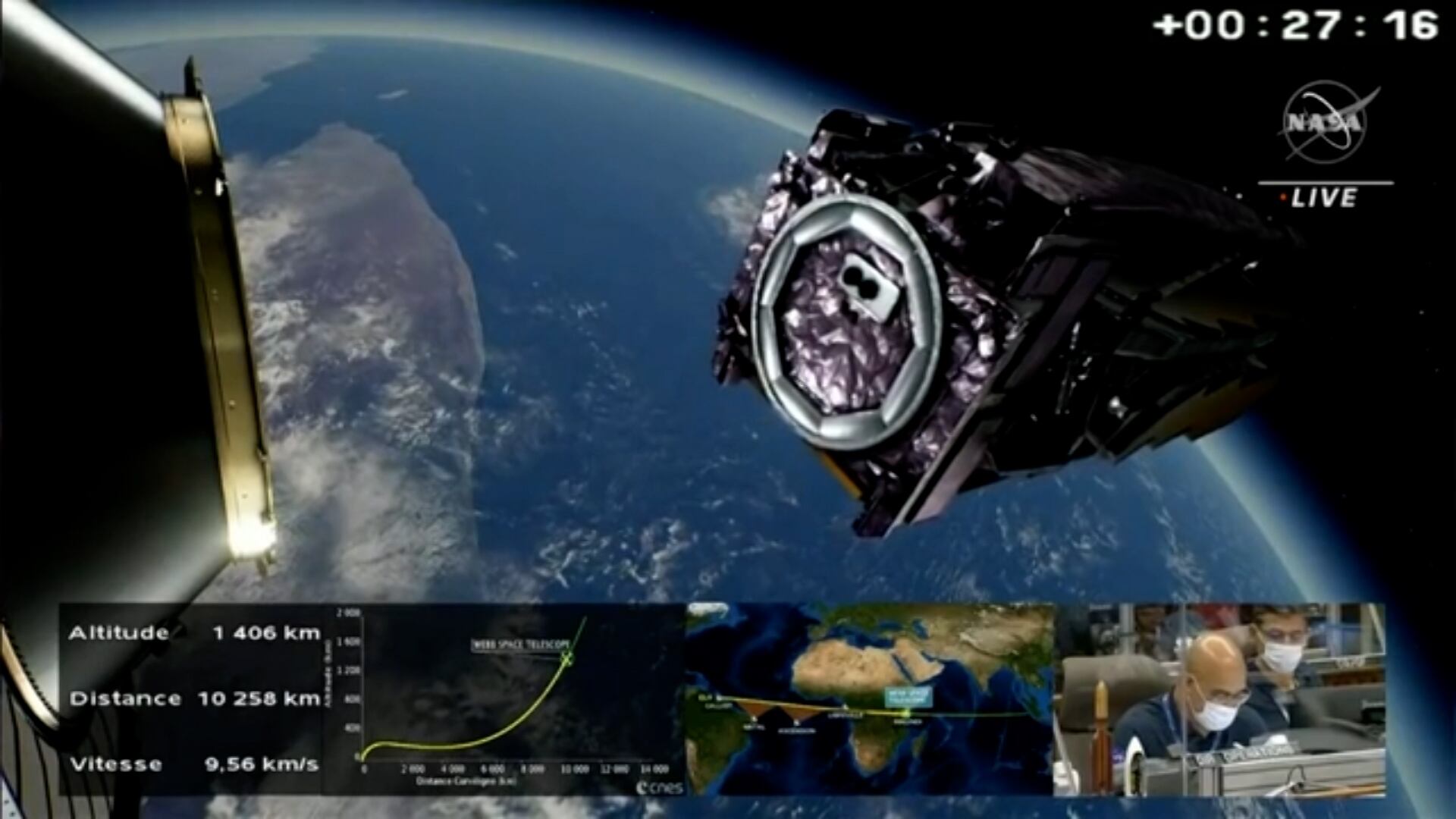
2021 was an exciting year for space innovations, but 2022 could hold even more in store. Cheddar took a deep dive into the space mission on tap for the year ahead.
The United States purchased over 600,000 doses of a monoclonal antibody treatment from Glaxosmithkline and Vir Biotechnology, bringing the total worldwide doses purchased to 1.7 million. This comes as the country attempts to ramp up treatment options as cases of the omicron variant continue to surge. Dr. Asha Shah, Director of Infectious Diseases at Stamford Health joined Cheddar's Opening Bell to discuss.
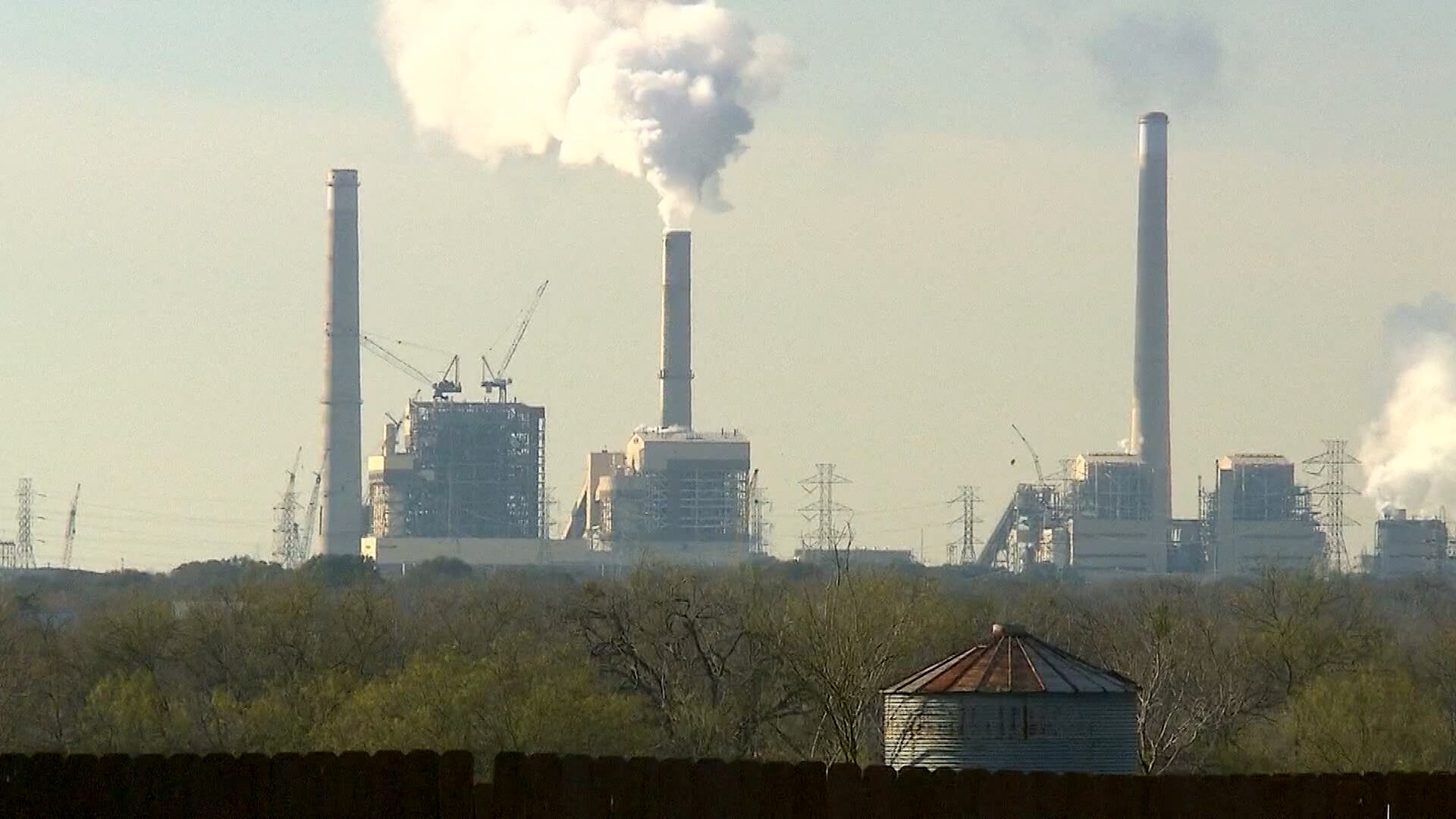
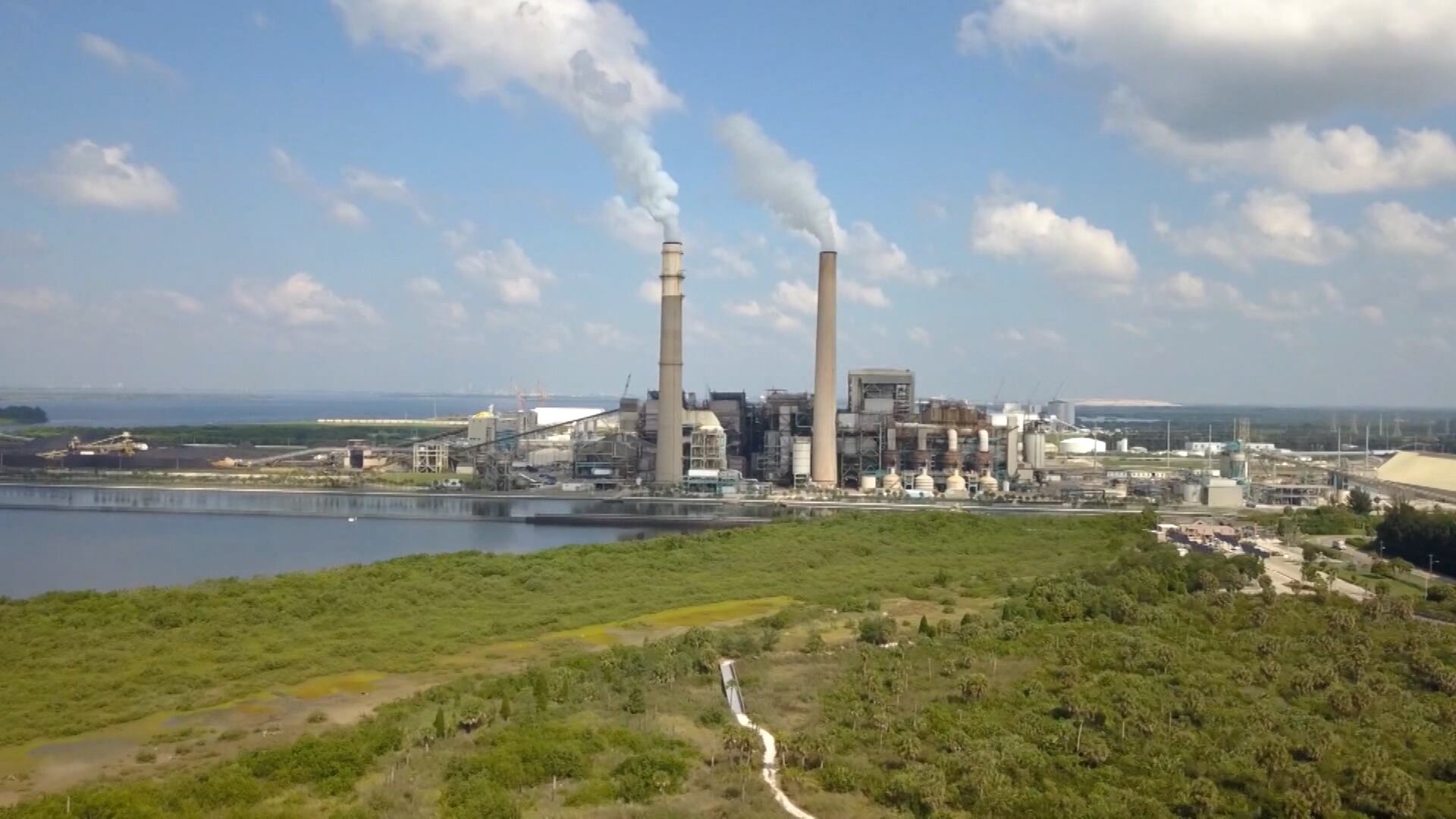
As the pandemic slammed the brakes on the nation's economy in 2020, America's greenhouse gas emissions reached their lowest levels in at least three decades. However, as the world, and the economy re-opened, 2021 told a much different story as emissions surged. Biden's flagship 'Build Back Better' act involves billions in spending on electric cars and renewables, in an effort to cut U.S. emissions, experts are still skeptical that the nation will meet the current 2030 target. Andrew Dessler, professor of atmospheric sciences at Texas A&M University, joins Cheddar News.
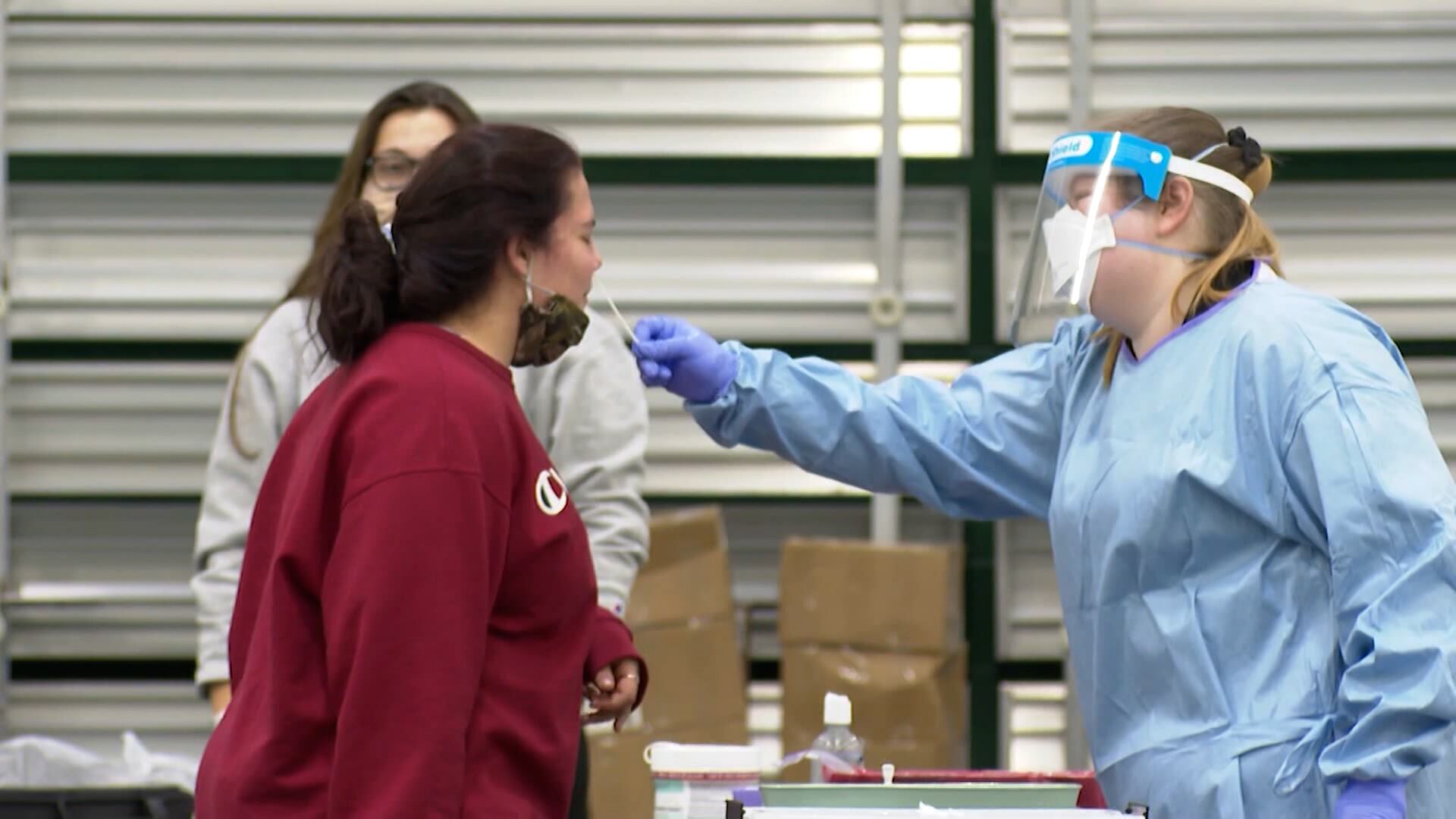
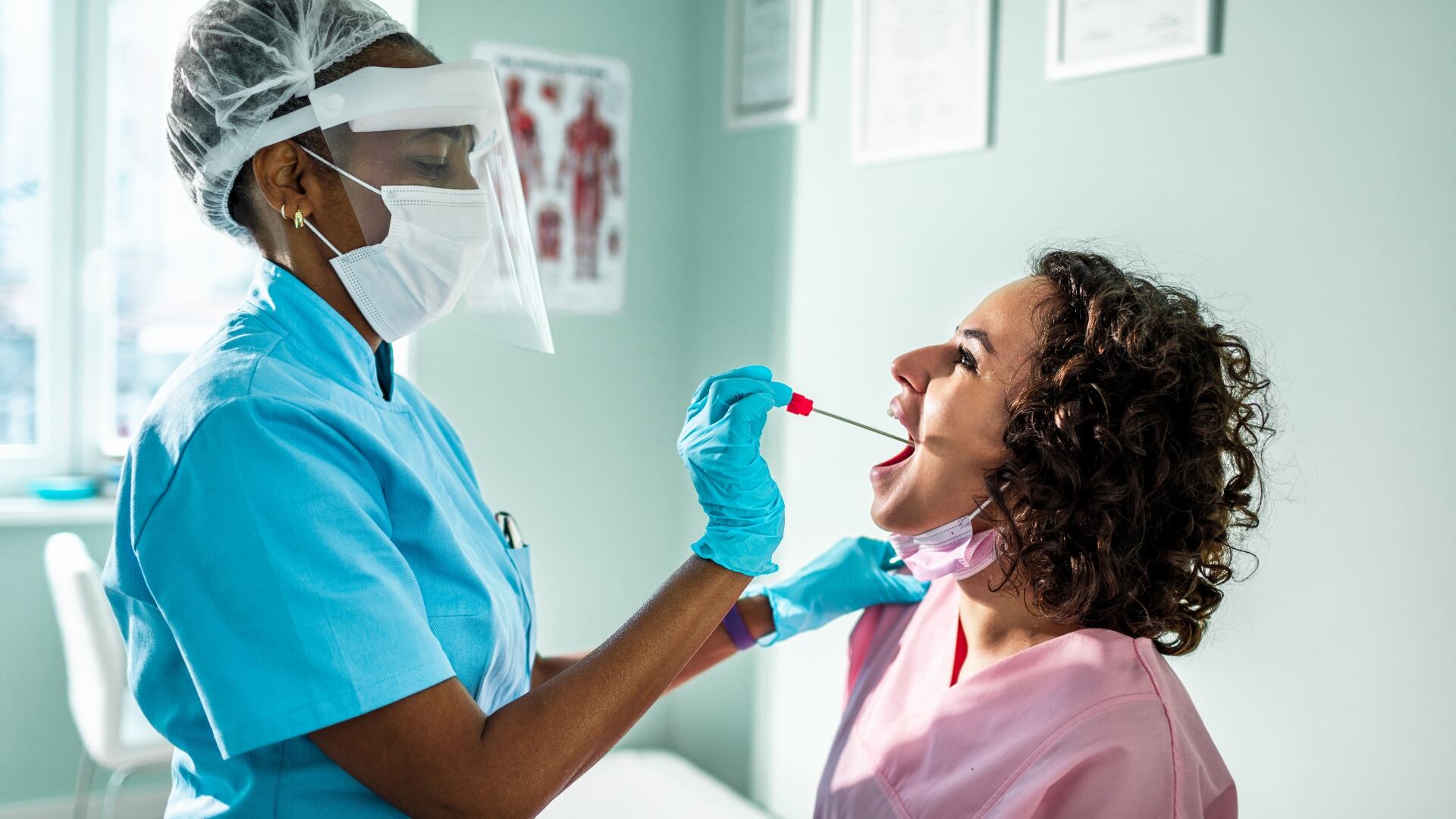
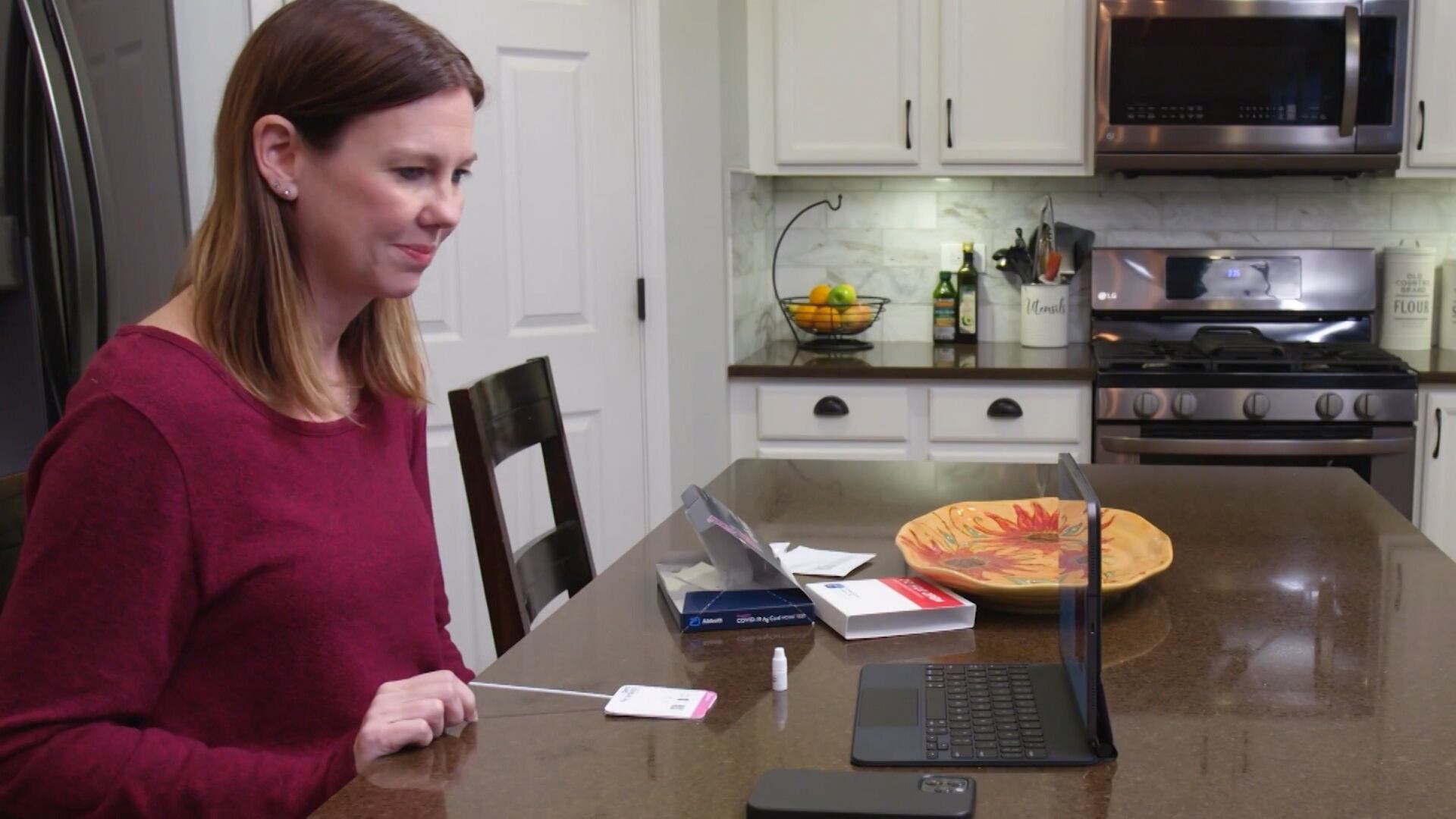
Amid the omicron surge, a new debate has emerged about whether or not throat swabs are more effective than nasal swabs for COVID testing. Dr. William Schaffner, MD, professor of infectious diseases, Vanderbilt Medical Center, sat down with Cheddar's News Wrap to weigh in on the dispute. "Should there be a change? You've got to do the studies, show that in the field [a throat swab] works as well or better than the nasal specimen," he said. "Let's not do it off our hips, as we say."
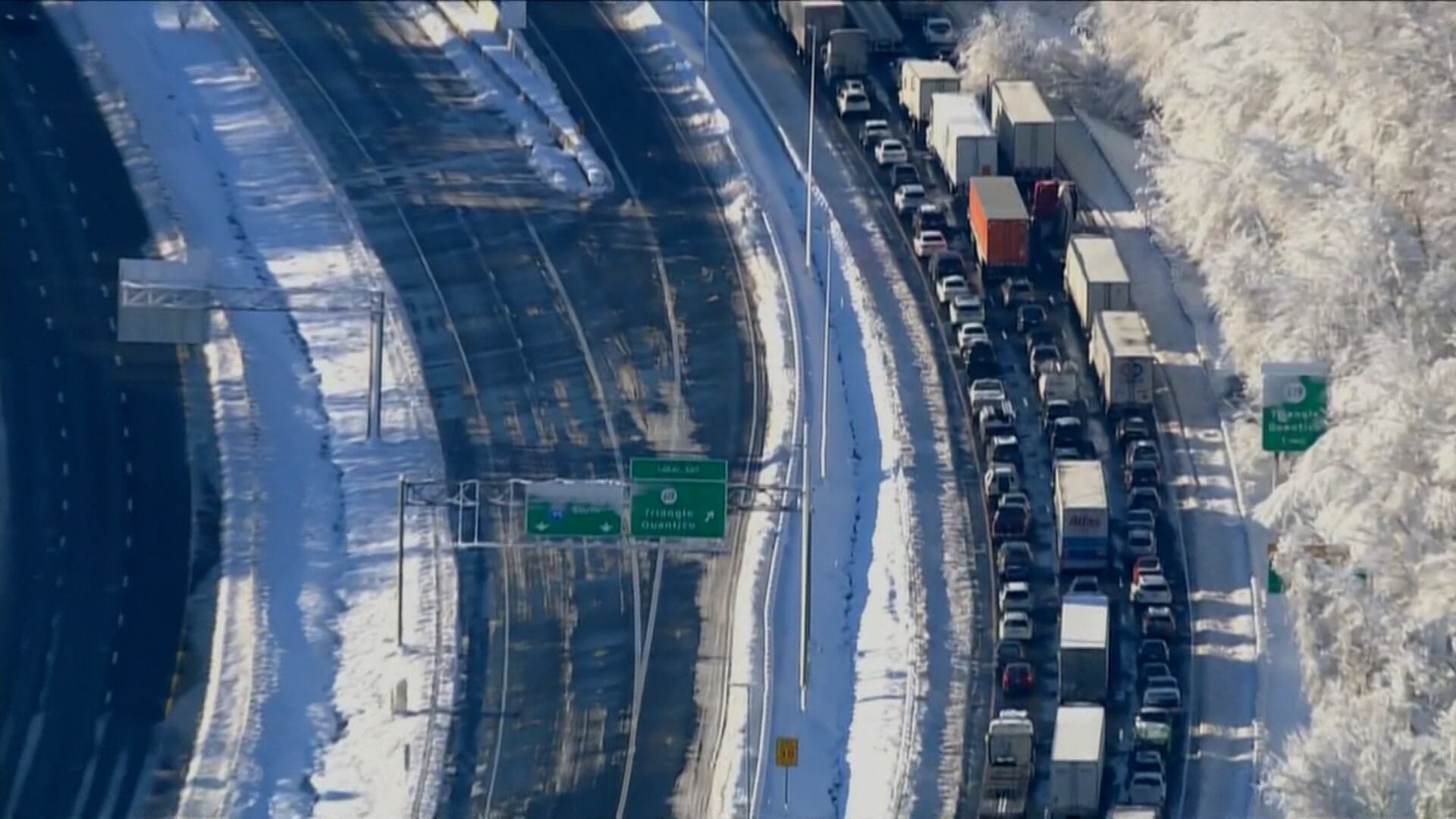
Virginia Governor Ralph Northam is declaring a state of emergency after Monday's winter storm left hundreds of drivers stranded on the interstate for more than 24 hours.
The snow also knocked out power for many residents, with more than 100,000 outages remaining days later.
Michael Wehner, a climate scientist at Lawrence Berkeley national laboratory, discusses recent weather disasters.
As the need for COVID-19 testing increases, so does the price of the tests themselves. An agreement with The White House and several major companies to sell the tests at a lower cost has now expired, sending prices up as retailers struggle to keep kits on shelves. Dr. Thomas McGinn, executive VP of physician enterprise at Common Spirit Health, joins Cheddar News to discuss.
A new report shows 2021 saw a surge in U.S. greenhouse gas emissions, indicating that the country remains far off track from meeting President Biden's climate change targets. Biden previously pledged to cut the nation's emissions in half by 2030, and now experts warn that immediate action must be taken in order to get the nation back on track. Zeke Hausfather, director of climate and energy at The Breakthrough Institute on U.S. Emissions and Global Temperatures, joins Cheddar News to discuss.
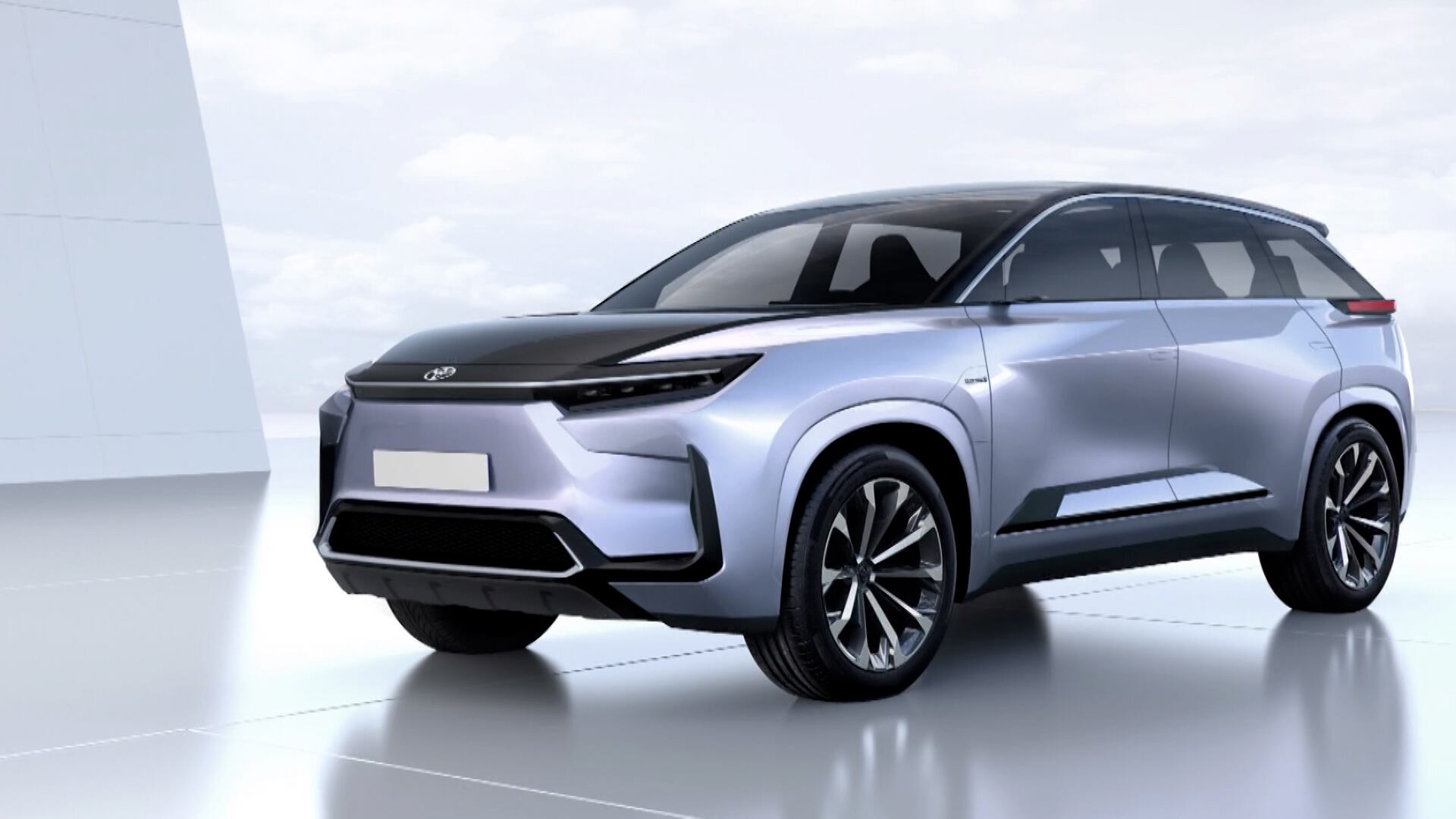
Electric vehicles are quickly becoming an accessible way for consumers to slash emissions as legacy automakers begin to electrify their fleets and world leaders including President Joe Biden push for broad EV adoption. But consumers have concerns about EV range, the availability of charging stations, and more. What if it were both helpful to consumers — and feasible from a climate change standpoint — to keep hybrid models that run on gas on the market? Gill Pratt, CEO of the Toyota Research Institute & Toyota Motor Corporation's Chief Scientist joins Cheddar Climate to discuss his team's research about 'carbon return on investment,' how Toyota is electrifying its fleet, and more.
According to a recent analysis compiled by The Washington Post, more than four in 10 Americans lived in areas hit by climate-related disasters in 2021. Jonathan Porter, Chief Meteorologist at AccuWeather, joined Cheddar Climate to discuss what this means and what can be done to prevent severe weather events from becoming even worse.
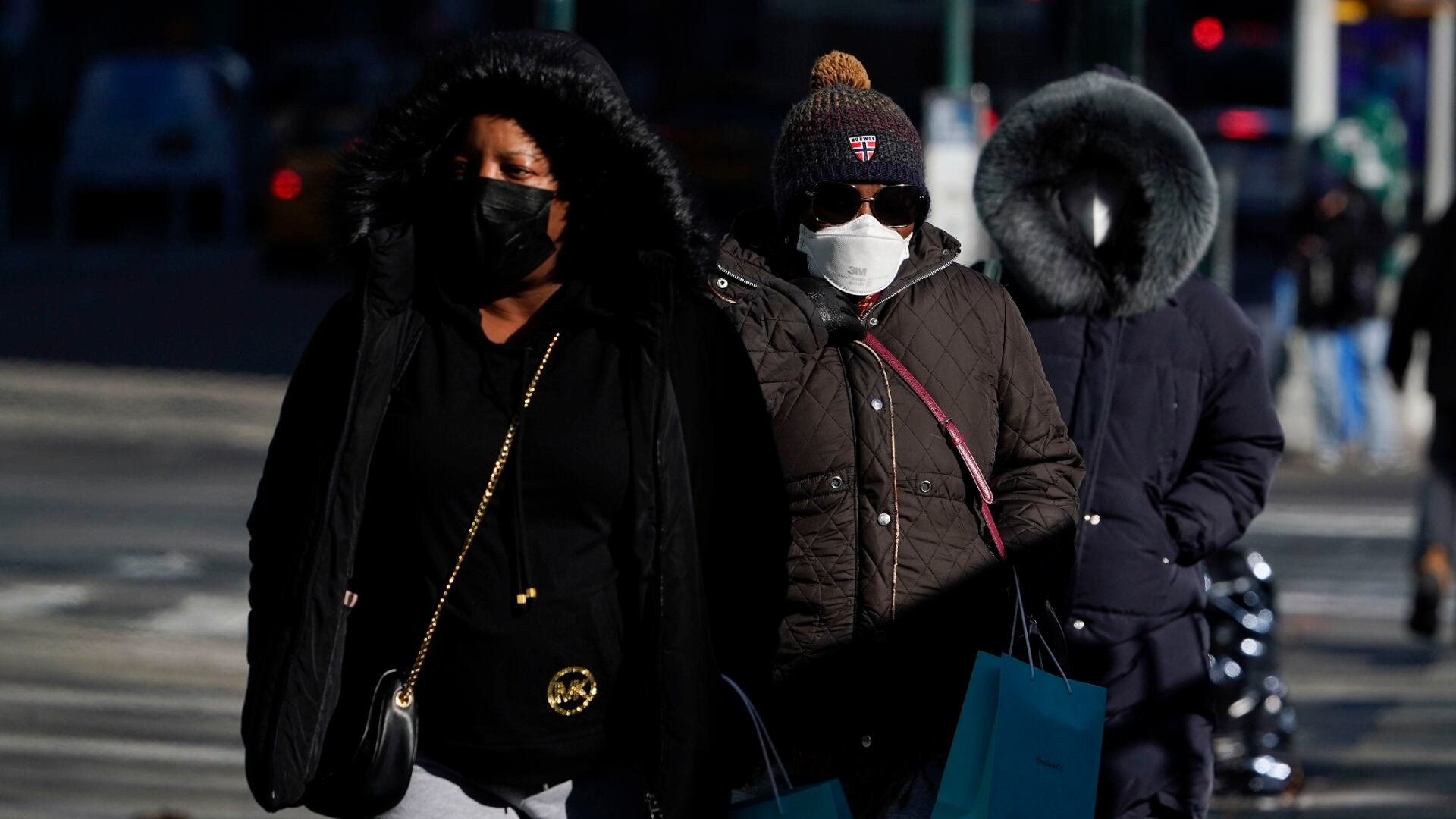
It's a painfully cold week across a large portion of the U.S. with more than 185 million Americans experiencing below-freezing temperatures on Monday and 10 million of them dealing with dangerous sub-zero temps.