António Félix da Costa grew up watching his two brothers race cars, and, ever since his oldest brother took him on a racetrack, he knew it was the choice for him.
"It drives me really," da Costa explained. "You know, it's the thing that makes me get out of bed in the morning. It's something I'm good at, probably the only thing that I'm very good at. And, you know, so I put all my energy, my time, my passion into it."
Da Costa races for DS Techeetah as one of its Formula E drivers, and was the Formula E 2019-2020 season champion. The all-electric car competition joined the FIA World Championship series in 2020, the same governing body that oversees Formula 1.
These cars go fast, up to 173 miles per hour, but they're also sending a sustainable message that the future can be electric.
"I'm not against having races with petrol cars and putting that as a show, but for us on the day-to-day, going from A to B on the streets, why do we need 700 horsepower, V12 cars, you know, polluting the world?" he said.
Formula E Grows
Formula E started in 2014 and has continued to grow. In its seventh season, it visited eight cities during its 15 rounds. Next season, it will expand to 16 races across 12 cities and four continents. The cars are mostly identical to each other, except for the proprietary technology in the back, including the powertrains and software, which have been improving.
"We're running with a lot more power than we did from season one," explained Michael Andretti, owner of Andretti Motorsports. "We're going over twice as far of a distance. So that's what's been pretty amazing."
The evolution has been remarkable, said DS Techeetah Formula E team lead Mark Preston.
"I think at the beginning, most people thought we really thought we were crazy," Preston said. "'You can't race an electric car' to now when we've got new powertrains and new jobs coming up in a couple of years that will take us another step in terms of performance."
Hotbed of Testing
What's more, the technology eventually transfers to the road.
"There's things that we're doing here that's going to end up on your road car," Andretti said. "It's no different than in other types of racing where the OEMs [original equipment manufacturers] use it as a testbed to develop new things, new technologies."
Porsche, for example, has committed to a CO2-neutral balance sheet by 2030, meaning most of its cars will be electric. Its Formula E cars will help develop that technology.
"Electric cars are part of sustainability and sustainability is really important to Porsche," said Porsche Formula E director factory motorsport Pascal Zurlinden. "We use [Formula E] as a label to develop the new technology for the future."
Rethinking Race Strategy
But driving an electric race car requires a different kind of strategy. Because the batteries recharge during the race, you have to learn how to conserve energy, said Porsche Formula E driver André Lotterer.
"We all have the same battery capacity and the same power output," he pointed out. "But if you drive flat out in a race, you won't make it to the end. So we need to save like 20 or 30 percent of the energy in coasting and in regenning."
Though it's a different kind of race, it's still fun. Plus it highlights an important cause, the environment.
"This is the first time in my career that we can do this, in such a strong way and do something for the planet, which is very meaningful," Lotterer said. "I think we all have the responsibility to do our share for that."
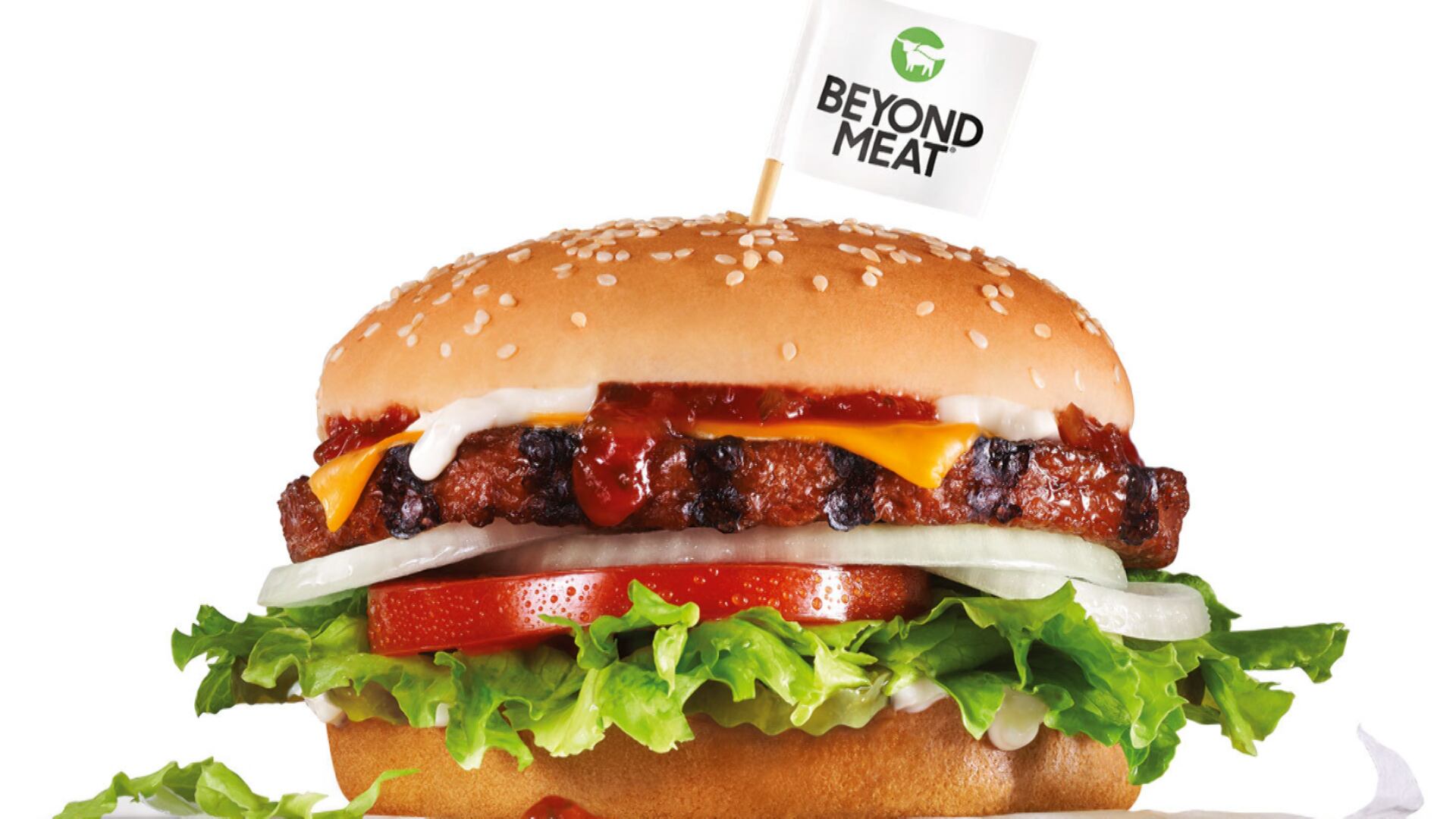
Plant-based meat giant Beyond Meat's reign over the fast food world continues, as McDonald's announced that it is expanding its test of Beyond's McPlant burger, to nearly 600 restaurants, an increase from the eight that it's been testing in since November. This comes less than two weeks after Beyond Fried Chicken made its nationwide debut at KFC restaurants, the first time that plant based chicken has been widely distributed in a fast food capacity. Arun Sundaram, Senior Equity Analyst at CFRA Research explains why these latest collaborations may be proof that Beyond Meat products could slowly be becoming an unlikely staple in the fast food and chain restaurant world as consumers opt for more healthy food options.
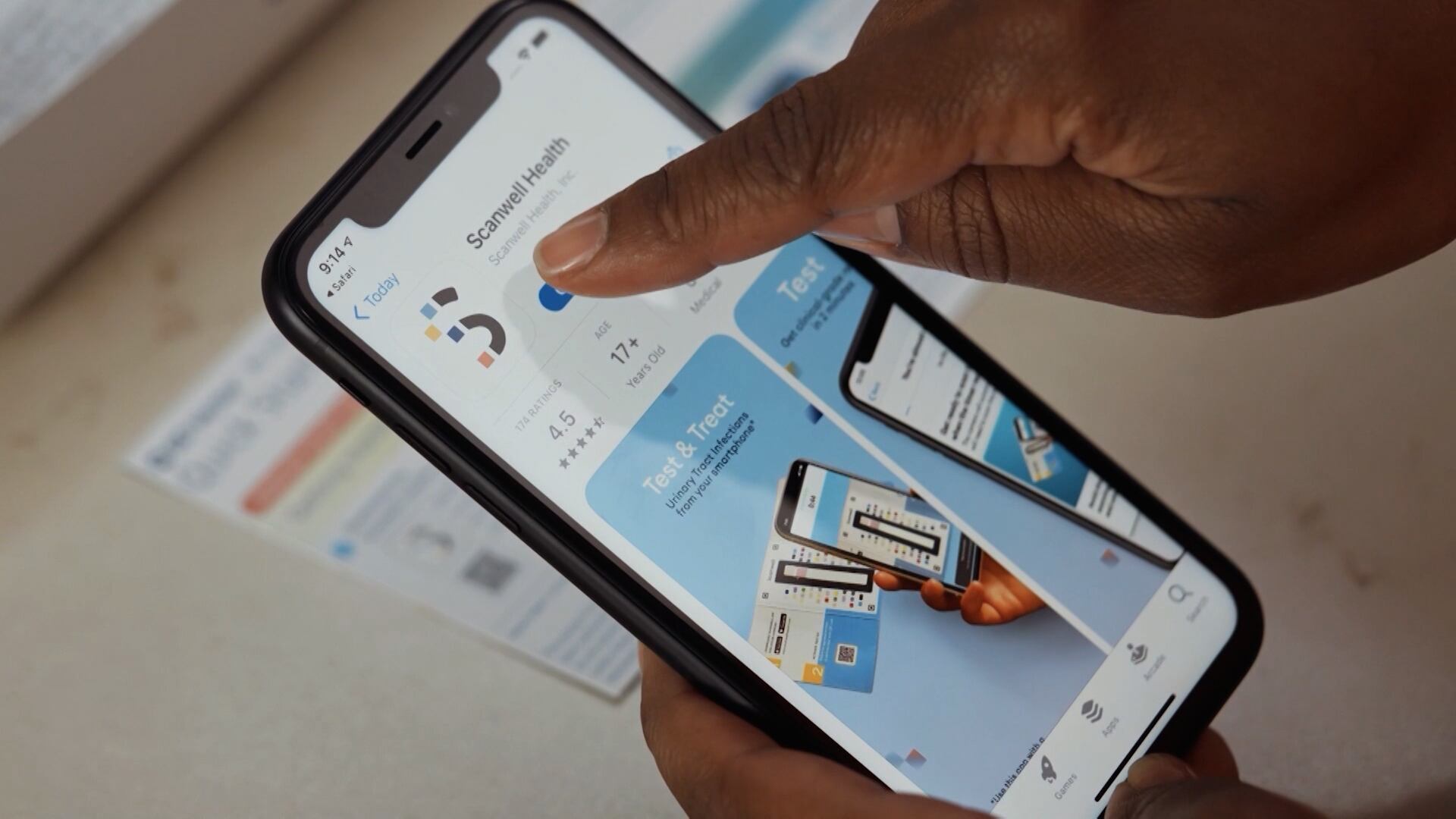
BD Veritor is a variation of the at-home COVID test that uses a smartphone to interpret the results. The test is taken via a nose swab test strip that is then scanned by your phone’s camera with the result clearly displayed as positive or negative. James Walker, vice president of integrated diagnostics USA for BD, joined Cheddar to discuss how the test hopefully takes the "guesswork out of testing." Walker also went into what BD is doing to deal with the surging demand for at-home tests amid the omicron spread. "While we don't disclose how much we produce, we have capacity to manufacture up to 12 million rapid antigen tests per month and are delivering on our commitments to distributors and retailers," he said.
On this episode of Cheddar Innovates: Sidechef CEO breaks down how it's building a platform to make recipe shopping easy; Luum CEO explains the process of having a robot put on eyelash extensions; A look at Curiosity Stream's new original series, 'Evolve.'
Moderna launched a clinical trial of a COVID-19 booster shot specifically targeting the omicron variant. The first participant has already received a dose, and Moderna expects to enroll about 600 adults total, split between two groups. In the first group, participants will have previously received two doses of the Moderna vaccine, and in the second, participants will have received its booster. Dr. Paul Burton, chief medical officer at Moderna, joined Cheddar’s Opening Bell to discuss the trial, yearly boosters, and what lies ahead for the company.
With the 2022 Beijing Winter Olympics right around the corner, experts are warning that climate change is threatening not only the event but also the future of snow sports. Despite being the world's top polluter, China is hoping to use the event to demonstrate the country's commitment to fighting climate change, and pledging to host a "low carbon" games. Xubin Zeng, professor of hydrology and atmospheric sciences at the University of Arizona, joins Cheddar News.
New research is suggesting that giving extra cash to low-income mothers can actually influence the brain development of their infants. These findings provide the first rigorous evidence of how payments and monetary support can affect children in the early years of life. Authors of the study, Nathan Fox, professor in the department of human development at the University of Maryland, and Sonya Troller-Renfree, postdoctoral research associate at Teachers College at Columbia University, join Cheddar News to discuss.
Communities of color are disproportionately affected by climate change and continuously feel the impacts. Mark Magaña, founding president and CEO of Green Latinos joined All Hands to discuss.