António Félix da Costa grew up watching his two brothers race cars, and, ever since his oldest brother took him on a racetrack, he knew it was the choice for him.
"It drives me really," da Costa explained. "You know, it's the thing that makes me get out of bed in the morning. It's something I'm good at, probably the only thing that I'm very good at. And, you know, so I put all my energy, my time, my passion into it."
Da Costa races for DS Techeetah as one of its Formula E drivers, and was the Formula E 2019-2020 season champion. The all-electric car competition joined the FIA World Championship series in 2020, the same governing body that oversees Formula 1.
These cars go fast, up to 173 miles per hour, but they're also sending a sustainable message that the future can be electric.
"I'm not against having races with petrol cars and putting that as a show, but for us on the day-to-day, going from A to B on the streets, why do we need 700 horsepower, V12 cars, you know, polluting the world?" he said.
Formula E Grows
Formula E started in 2014 and has continued to grow. In its seventh season, it visited eight cities during its 15 rounds. Next season, it will expand to 16 races across 12 cities and four continents. The cars are mostly identical to each other, except for the proprietary technology in the back, including the powertrains and software, which have been improving.
"We're running with a lot more power than we did from season one," explained Michael Andretti, owner of Andretti Motorsports. "We're going over twice as far of a distance. So that's what's been pretty amazing."
The evolution has been remarkable, said DS Techeetah Formula E team lead Mark Preston.
"I think at the beginning, most people thought we really thought we were crazy," Preston said. "'You can't race an electric car' to now when we've got new powertrains and new jobs coming up in a couple of years that will take us another step in terms of performance."
Hotbed of Testing
What's more, the technology eventually transfers to the road.
"There's things that we're doing here that's going to end up on your road car," Andretti said. "It's no different than in other types of racing where the OEMs [original equipment manufacturers] use it as a testbed to develop new things, new technologies."
Porsche, for example, has committed to a CO2-neutral balance sheet by 2030, meaning most of its cars will be electric. Its Formula E cars will help develop that technology.
"Electric cars are part of sustainability and sustainability is really important to Porsche," said Porsche Formula E director factory motorsport Pascal Zurlinden. "We use [Formula E] as a label to develop the new technology for the future."
Rethinking Race Strategy
But driving an electric race car requires a different kind of strategy. Because the batteries recharge during the race, you have to learn how to conserve energy, said Porsche Formula E driver André Lotterer.
"We all have the same battery capacity and the same power output," he pointed out. "But if you drive flat out in a race, you won't make it to the end. So we need to save like 20 or 30 percent of the energy in coasting and in regenning."
Though it's a different kind of race, it's still fun. Plus it highlights an important cause, the environment.
"This is the first time in my career that we can do this, in such a strong way and do something for the planet, which is very meaningful," Lotterer said. "I think we all have the responsibility to do our share for that."
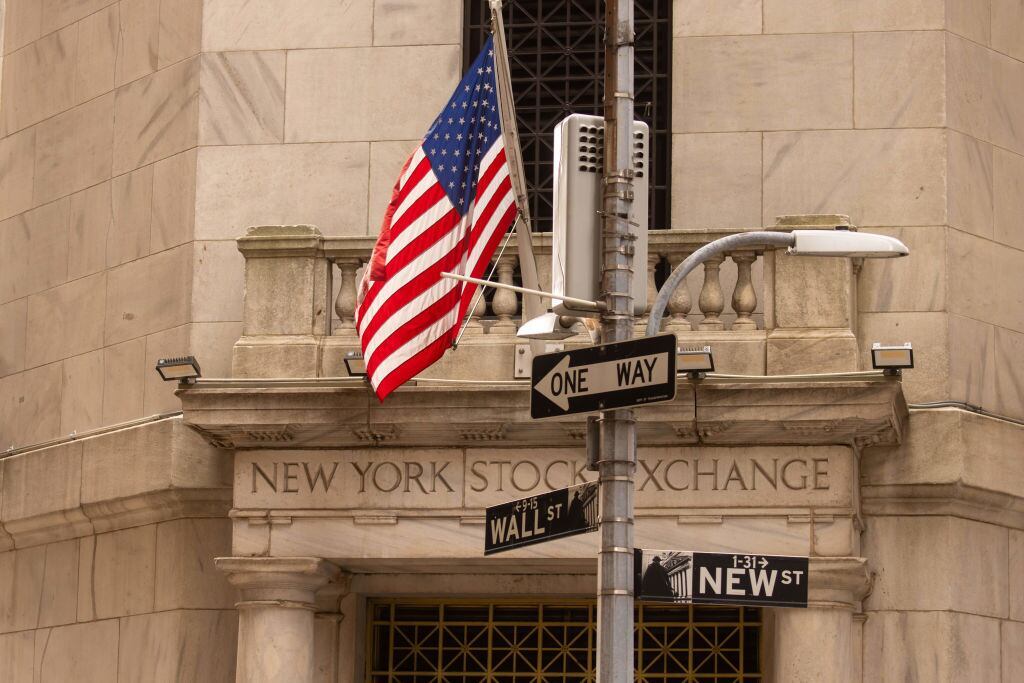
Energy Vault, the company developing sustainable, grid-scale energy storage solutions, is now trading on the New York Stock Exchange following the completion of its business combination with Novus Capital Corporation II. Energy Vault develops sustainable, grid-scale energy storage solutions designed to advance the transition to a carbon free, resilient power grid. Robert Piconi, co-founder and CEO of Energy Vault, joins Cheddar News' Closing Bell to disucss.
In an effort to fight climate change several corporations have vowed to work to fight climate change by 2030. They say the goal is to reduce carbon emissions by 40% or even close to 100%. However, according to a new study, many of these companies are not actually practicing what they preach. Tom Egger, senior lecturer at Emeritus at the University of Wisconsin, joins Cheddar News to discuss more.
At-home medical labs company Getlabs raised $20 million in a Series A round, led by Emerson Collective and the Minderoo Foundation. Getlabs aims to be the boots-on-the-ground partner to telehealth. The company says more than 70% of medical decisions still require collecting diagnostic tests in person, and that it fills that void by delivering health care directly to their patients' homes. Founder & CEO of Getlabs Kyle Michelson joined Cheddar News' Closing Bell to discuss.
Kalle Marsal, Chief Operating Officer at PetDx, joins Cheddar Innovates to discuss how next-generation sequencing technology is being used to detect cancer in pets early.
On this episode of Cheddar Innovates: WALDO CEO breaks down why now is a good time to make eyecare a priority, and how they are democratizing access to eyecare for all; COO at PetDx explains how next-generation sequencing technology is being used to detect cancer in pets early; Cheddar gets a look at Curiosity Stream's 'Inside The Mind of a Con Artist.'
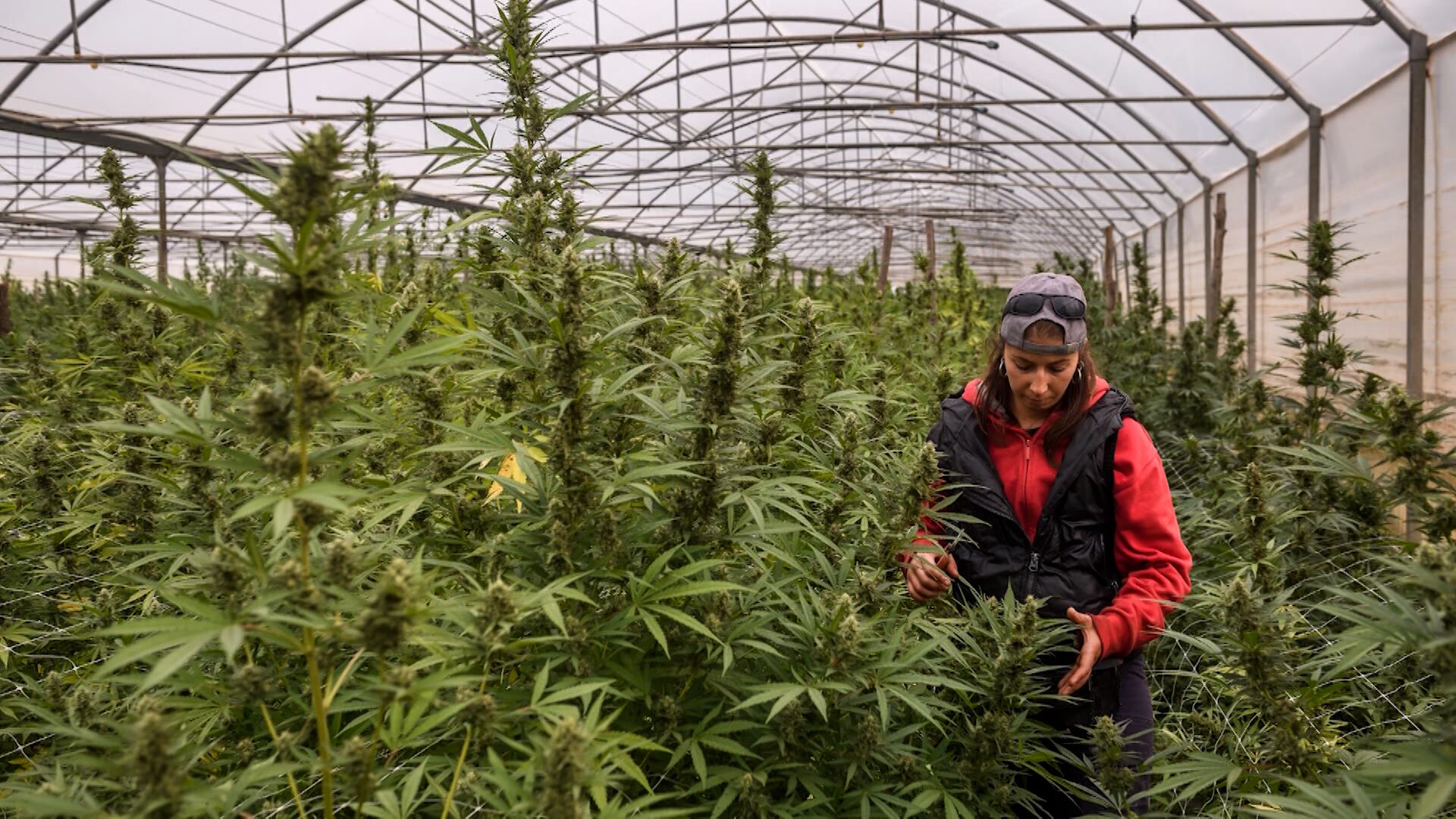
Shares of Canadian cannabis giant Canopy Growth surged after the company reported Q3 earnings Wednesday morning, with shares up more than 15 percent at the close of the day's trading session. Despite net revenue declining year-over-year, Canopy beat analyst expectations and has ramped up efforts to develop a "THC ecosystem' in the U.S. Canopy Growth's CEO, David Klein, joined Cheddar News' Closing Bell to discuss the report. He noted that its brands Storz & Bickel vaporizers and BioSteel beverages showed record growth.
The Central Park Conservancy announced last month it has partnered with the Yale School of the Environment and the New York City-based Natural Areas Conservancy to study the on-the-ground impacts of climate change on urban parks. Salmaan Khan, Director of Research and Special Projects at the Central Park Conservancy joins Cheddar Climate to explain what factors put this initiative into motion and what data his team will be looking to uncover.
Energy Impact Partners is a VC firm committed to helping the world move toward a more sustainable future. The tech-focused fund aims to reach $350 million for its Deep Decarbonization Frontier Fund,' which aims to support early-stage companies working on innovative solutions. Energy Impact Partners' Managing Director Andy Lubershane joined Cheddar Climate to discuss.
Mukul Bakhshi, Chief of Strategy and Government Affairs for CGFNS International, joins Cheddar News to discuss strained U.S. hospitals seeking foreign nurses.
The Democratic governors of New Jersey, Connecticut, Delaware, and Oregon say they will lift mask requirements for schools in the coming weeks, reflecting a nationwide shift away from restrictions. Cheddar News speaks with internist Dr. Vivek Cherian whether it's safe to relax the regulation.