António Félix da Costa grew up watching his two brothers race cars, and, ever since his oldest brother took him on a racetrack, he knew it was the choice for him.
"It drives me really," da Costa explained. "You know, it's the thing that makes me get out of bed in the morning. It's something I'm good at, probably the only thing that I'm very good at. And, you know, so I put all my energy, my time, my passion into it."
Da Costa races for DS Techeetah as one of its Formula E drivers, and was the Formula E 2019-2020 season champion. The all-electric car competition joined the FIA World Championship series in 2020, the same governing body that oversees Formula 1.
These cars go fast, up to 173 miles per hour, but they're also sending a sustainable message that the future can be electric.
"I'm not against having races with petrol cars and putting that as a show, but for us on the day-to-day, going from A to B on the streets, why do we need 700 horsepower, V12 cars, you know, polluting the world?" he said.
Formula E Grows
Formula E started in 2014 and has continued to grow. In its seventh season, it visited eight cities during its 15 rounds. Next season, it will expand to 16 races across 12 cities and four continents. The cars are mostly identical to each other, except for the proprietary technology in the back, including the powertrains and software, which have been improving.
"We're running with a lot more power than we did from season one," explained Michael Andretti, owner of Andretti Motorsports. "We're going over twice as far of a distance. So that's what's been pretty amazing."
The evolution has been remarkable, said DS Techeetah Formula E team lead Mark Preston.
"I think at the beginning, most people thought we really thought we were crazy," Preston said. "'You can't race an electric car' to now when we've got new powertrains and new jobs coming up in a couple of years that will take us another step in terms of performance."
Hotbed of Testing
What's more, the technology eventually transfers to the road.
"There's things that we're doing here that's going to end up on your road car," Andretti said. "It's no different than in other types of racing where the OEMs [original equipment manufacturers] use it as a testbed to develop new things, new technologies."
Porsche, for example, has committed to a CO2-neutral balance sheet by 2030, meaning most of its cars will be electric. Its Formula E cars will help develop that technology.
"Electric cars are part of sustainability and sustainability is really important to Porsche," said Porsche Formula E director factory motorsport Pascal Zurlinden. "We use [Formula E] as a label to develop the new technology for the future."
Rethinking Race Strategy
But driving an electric race car requires a different kind of strategy. Because the batteries recharge during the race, you have to learn how to conserve energy, said Porsche Formula E driver André Lotterer.
"We all have the same battery capacity and the same power output," he pointed out. "But if you drive flat out in a race, you won't make it to the end. So we need to save like 20 or 30 percent of the energy in coasting and in regenning."
Though it's a different kind of race, it's still fun. Plus it highlights an important cause, the environment.
"This is the first time in my career that we can do this, in such a strong way and do something for the planet, which is very meaningful," Lotterer said. "I think we all have the responsibility to do our share for that."
Catching you up on the stories you need to know this morning, mass shooting victims testify on Capitol Hill, the White House outlines its plan to vaccinate kids younger than five years old, and we break down how to protect yourself from monkeypox.
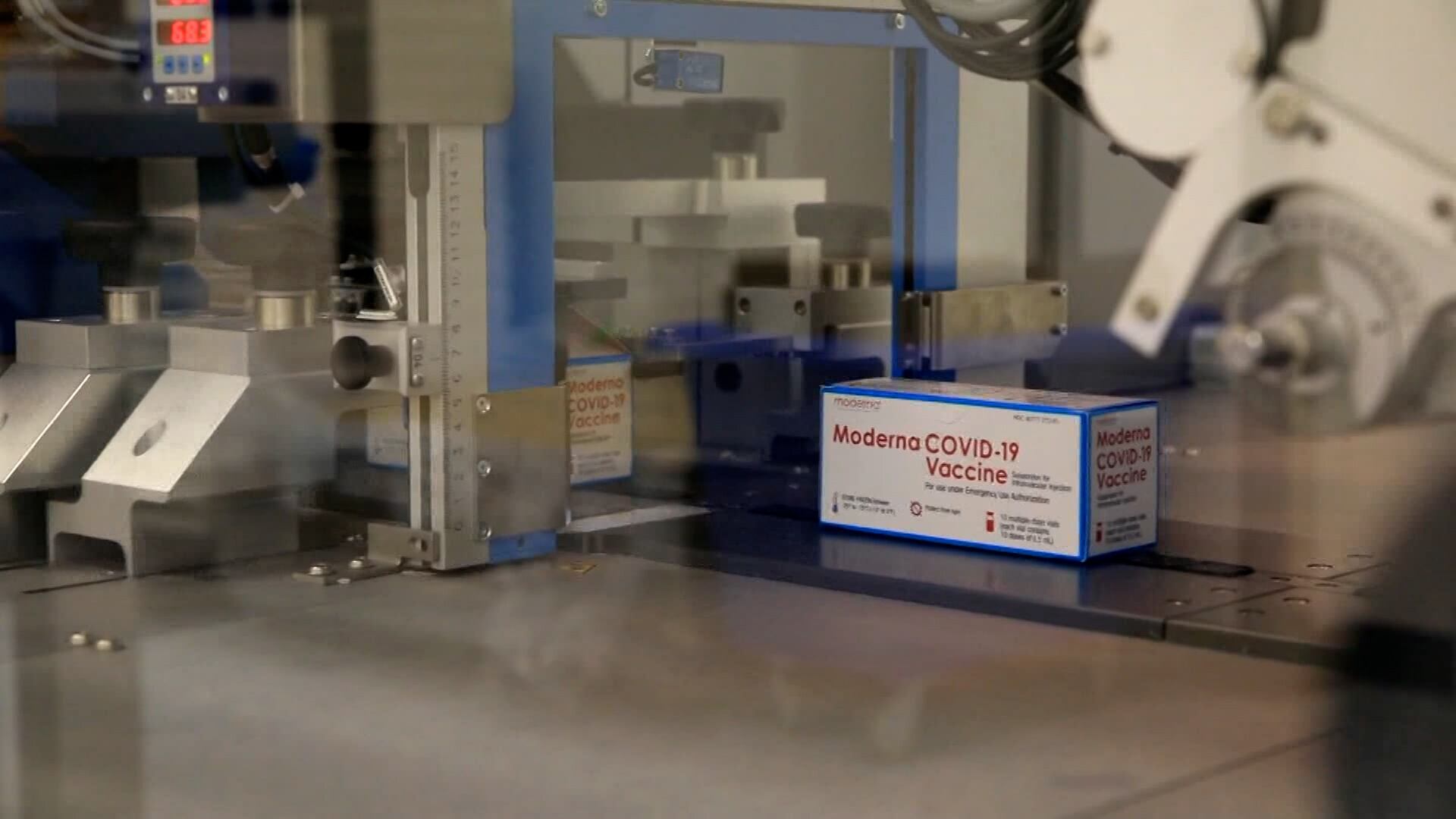
The pharmaceutical giant Moderna says its updated 'bivalent' booster shot provides a stronger immune response against the Omicron variant of COVID-19 specifically. This week, Moderna plans to submit preliminary data to U.S. health officials in the hopes that its new booster will be available later this summer. Dr. Sampson Davis, emergency medicine physician, joins Cheddar News to discuss.
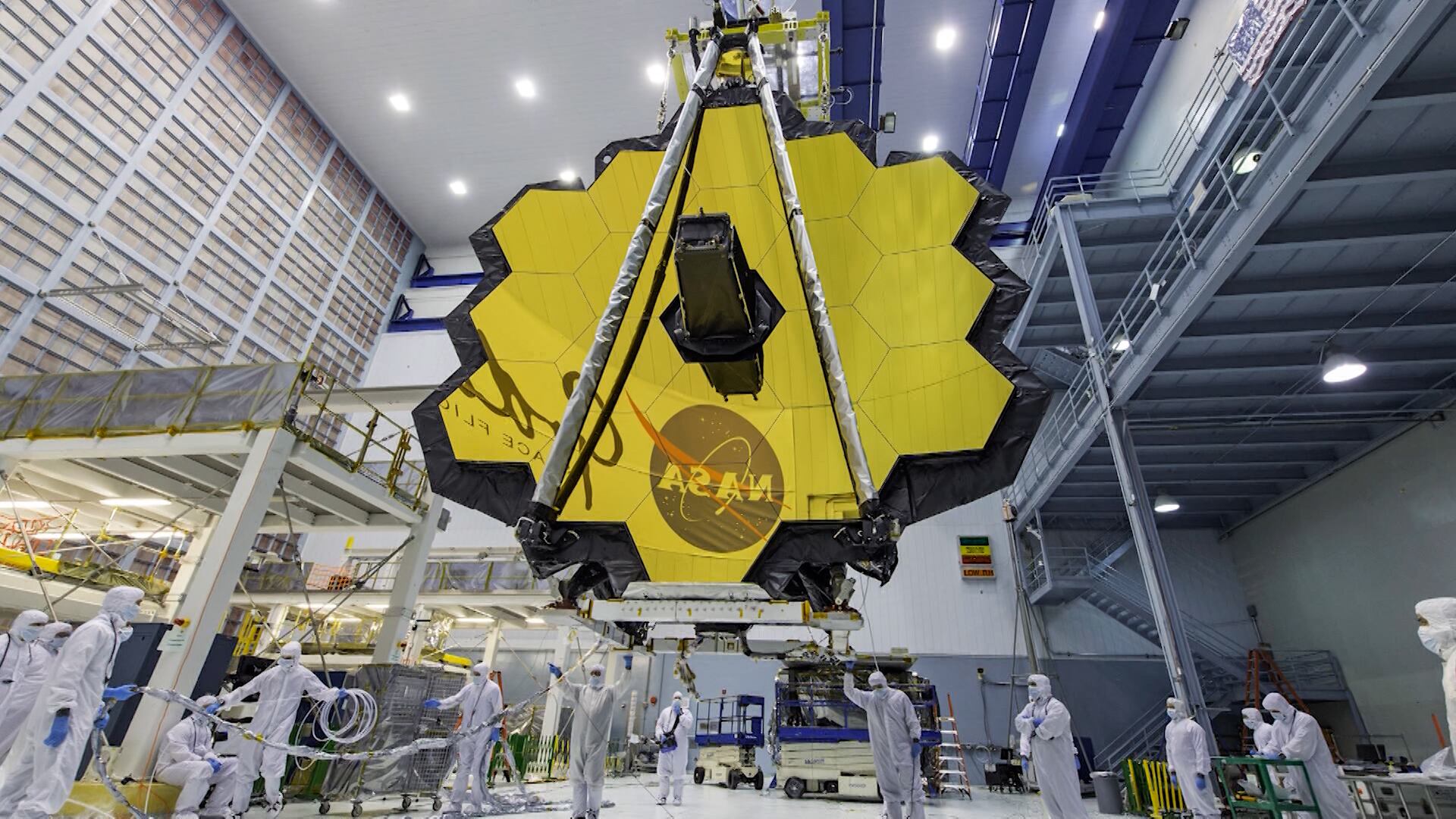
NASA has announced that the first official full-color images will be beamed back to Earth from the James Webb Telescope on July 12. Gregory L. Robinson, the director of the James Webb Space Telescope Program in the NASA Science Mission Directorate, joined Cheddar News to discuss the anticipated image drop. “We expect to see the universe different," he said. "Webb will allow us to see much, much clearer and deeper into the universe."
On this episode of Cheddar Reveals, Professor Laurence Hurst, Director of The Milner Centre for Evolution, discusses the mystery of human evolution that's still baffling scientists: why are humans still evolving, and why has the process sped up? Neville Sanjana, faculty member at NY Genome and New York University, breaks down the latest innovations in CRISPR genetic engineering and its applications from 'designer babies' to curing genetic conditions and diseases; Cheddar gets a look at Curiosity Stream's 'The Butterfly Effect.'
Neville Sanjana, faculty member at NY Genome and New York University, joins Cheddar Reveals to break down the latest innovations in CRISPR genetic engineering and its applications from 'designer babies' to curing genetic conditions and diseases.
Professor Laurence Hurst, Director of The Milner Centre for Evolution, joins Cheddar Reveals to discuss the mystery of human evolution that's still baffling scientists: why are humans still evolving, and why has the process sped up?
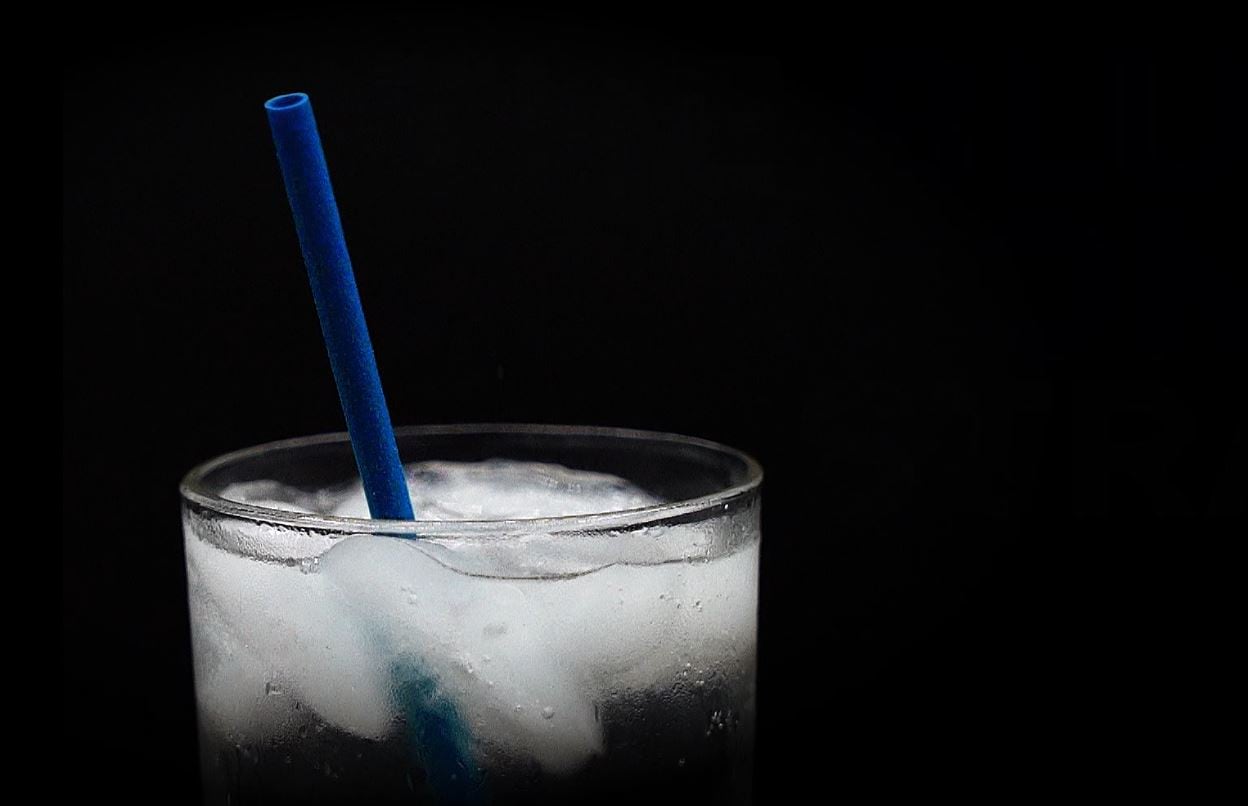
It can be tough to make sustainable choices, and even harder when sustainable materials don't hold up. Loliware has a solution to the plastic straw problem: its seaweed-based straws are stronger than paper alternatives and once used, can be composted and return to the earth or sea without causing harm. Sea Briganti, CEO of Loliware, joins Closing Bell to discuss the tech behind the straws, new product launches, and more.
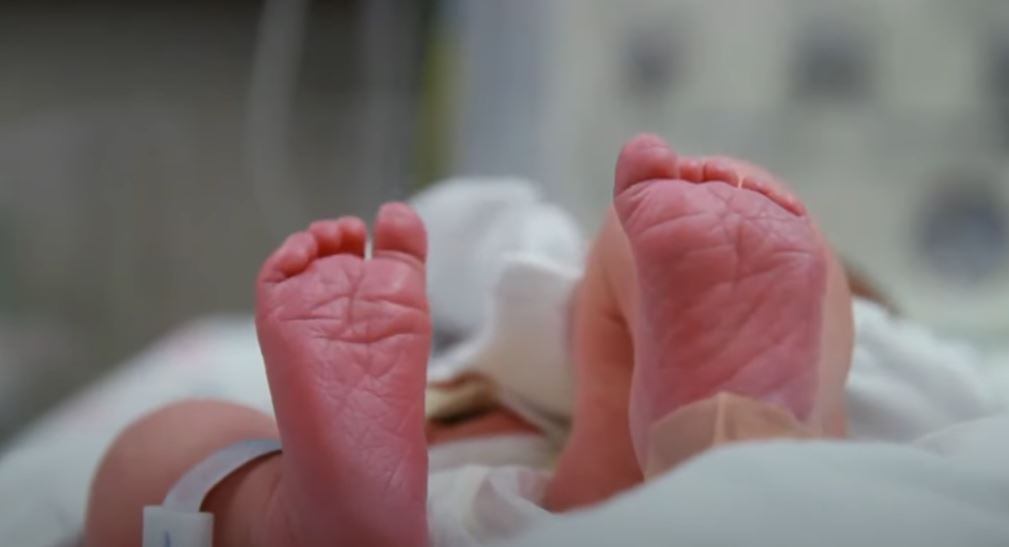
Umbilical cord blood banking platform Anja Health raised $4.5 million dollars in a seed round led by Seven Seven Six, a venture capital firm founded by Reddit co-founder Alexis Ohanian. Anja Health offers a personalized, doctor-backed cord blood bank, which lets new parents freeze stem cells from their child's umbilical cord so they can be used to treat diseases in the future. It's a process Anja has called 'Hollywood's best-kept secret,' as celebrities like Kylie Jenner, Serena Williams, and more have all banked their umbilical cord blood. Kathryn Cross, the founder of Anja Health, joins Cheddar News' Closing Bell to discuss.
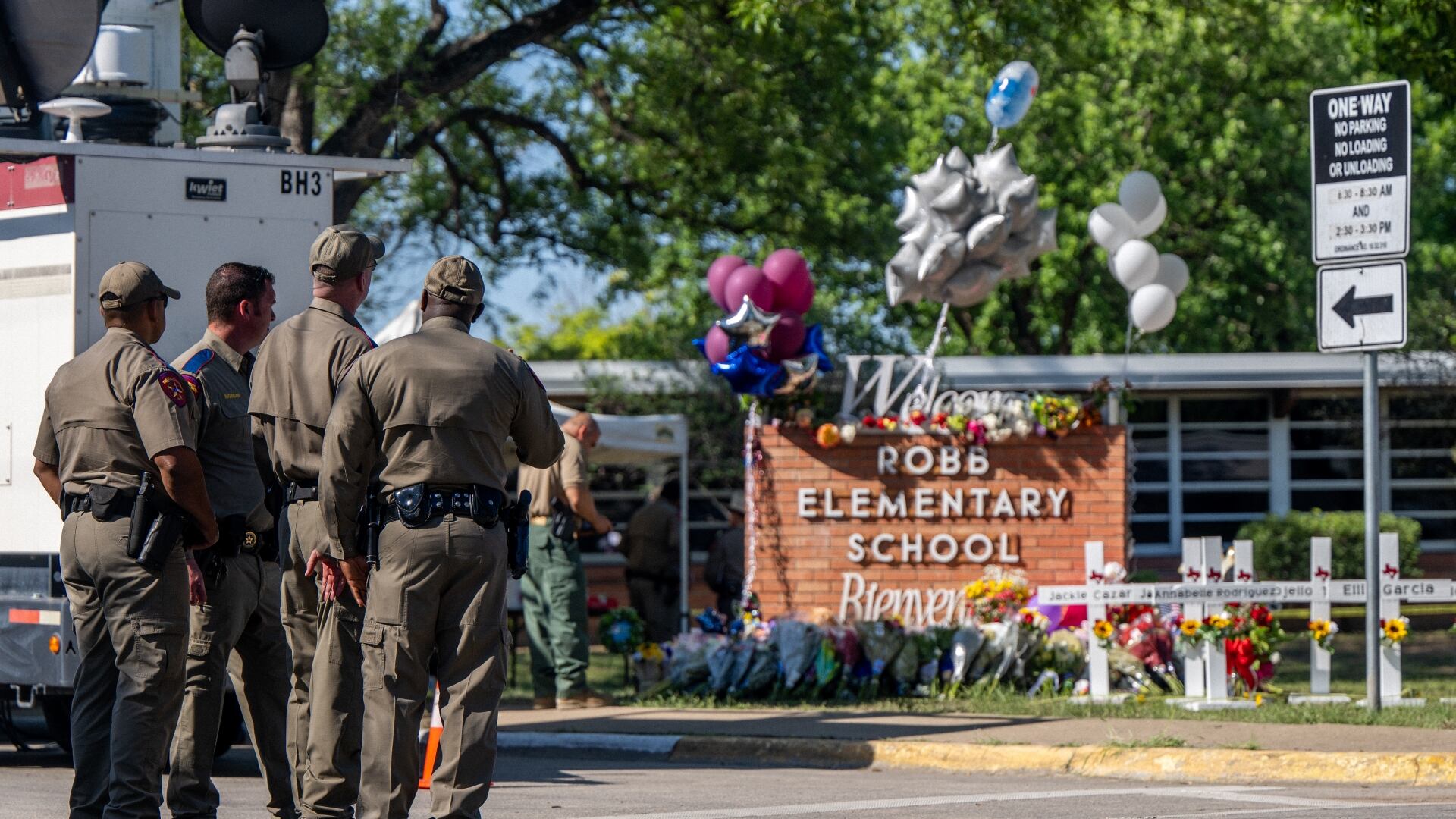
After learning that the suspect in the Uvalde school shooting posted about his intentions on Facebook, activists are urging social networks to make changes. Lena Derhally, a licensed psychotherapist and author of "The Facebook Narcissist," joined Cheddar News to discuss the role social media plays in school shootings. "They're not really invested in taking down hateful content," she said about social platforms."In regards to the shooting, it was 15 minutes before that actual threat. It would be pretty hard for a social media company to trace that threat that quickly. But what they can do better is take down threats and hateful content much faster and more than they're doing now."
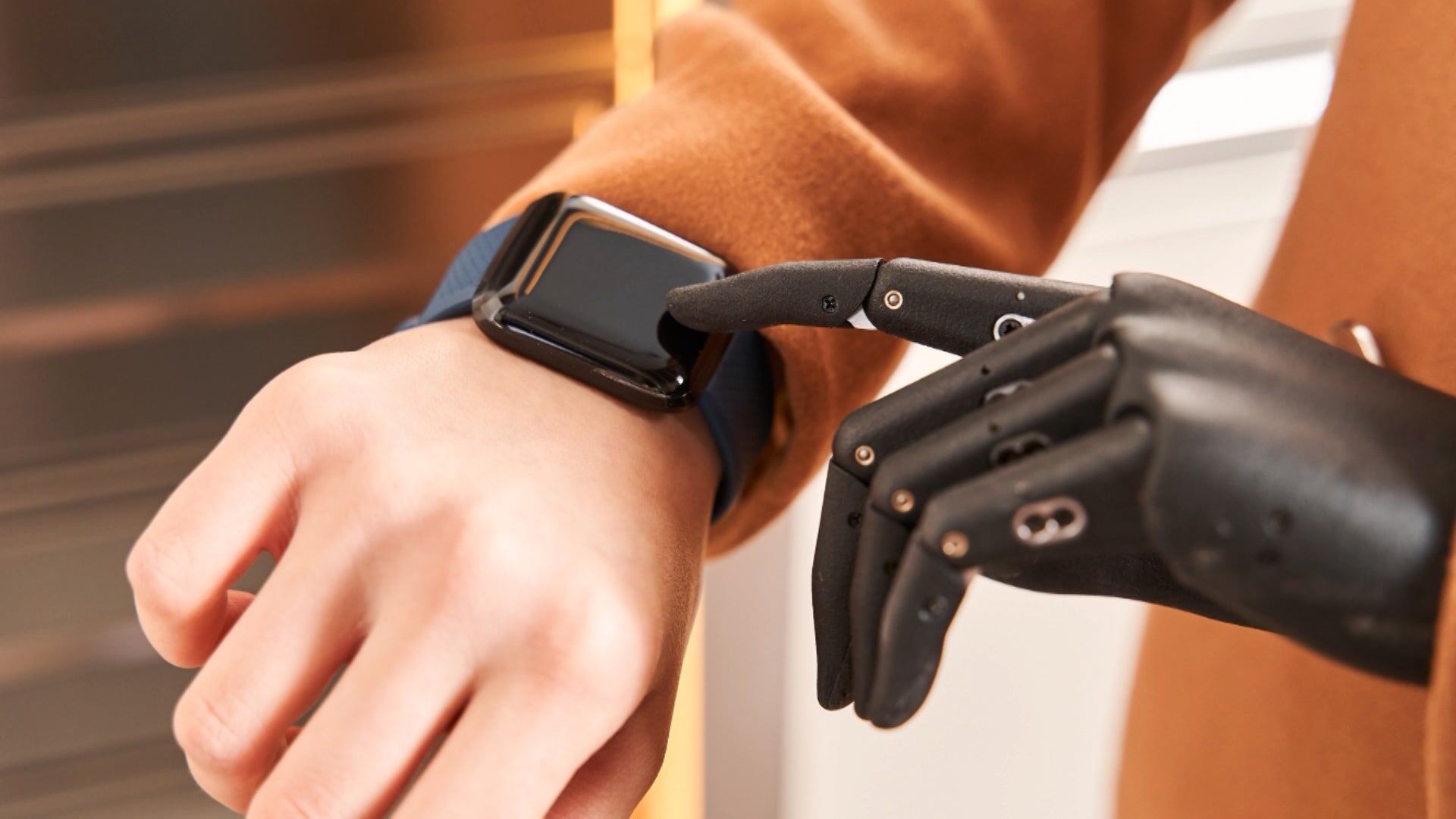
Esper Bionics CEO Dima Gazda breaks down how they're creating a mind-controlled bionic hand that guest smarter the more you use it, and what this innovation means for the future of the prosthetics industry.