Andy Card, the White House chief of staff who famously informed President George W. Bush of the Sept. 11, 2001 attacks, offered some pointers on how to handle a national crisis.
For one, he said President Donald Trump should keep communicating with the American people but temper some of his verbal excesses.
"I think the president gets high marks for communicating with the American people, so he's been talking to us a lot," Card told Cheddar. "Sometimes he says things with too much hyperbole, and sometimes it's overly optimistic, and sometimes it's measuredly not very striking. I would say be careful with what you say. Your words matter. Taste your words before you spit them out."
Card also noted a crucial difference between the two crises. The 9/11 attacks placed the U.S. on a war footing, which allowed the president to employ some of his powers as commander-in-chief. In the case of a pandemic, he said the president can't subsume the power of governors to issue something like a nationwide quarantine or any other kind of police power.
"Even if he did, it might not take effect, because the governors do have responsibilities over their own states, and the president cannot subsume that unless there is a threat to the government," he said. "This is not a threat to the government that's going on right now."
"I don't think he has the power to mandate it. He has the power to suggest it," he added.
The former White House official did give the president high marks for his efforts at "muscling the federal government to supply states' needs."
Ultimately, Card said the president is only a small factor in responding to a major crisis.
"Clearly on September 11, 2001 America rallied together almost immediately after the attacks," he said. "Presidential leadership was compelling, but we also did rally as American citizens."
The U.S. Department of Agriculture announced a nearly $11 billion investment on Tuesday to help bring affordable clean energy to rural communities throughout the country.
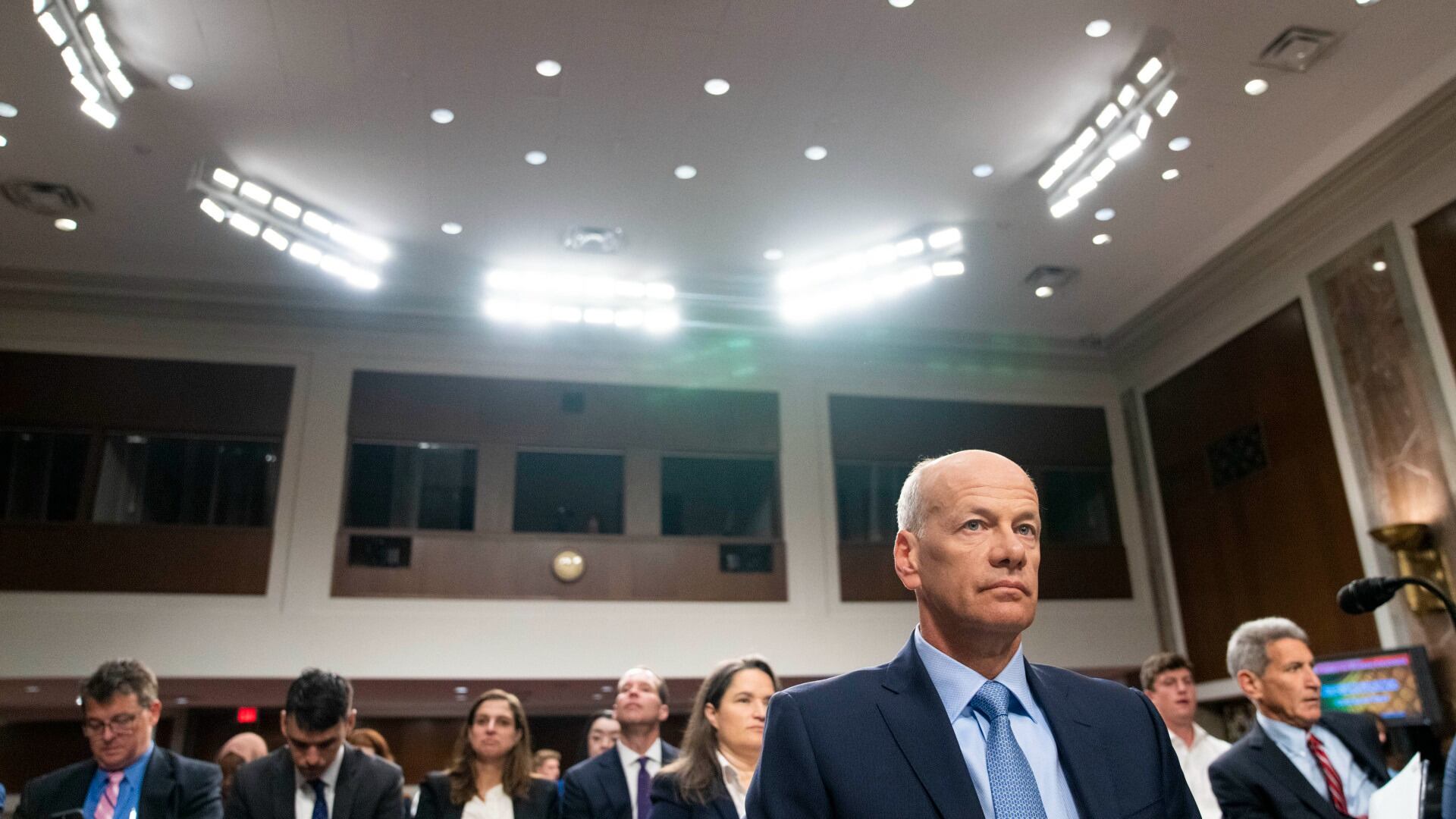
Top executives at Silicon Valley Bank and Signature Bank largely avoided taking responsibility for their banks’ dramatic failures at a Senate hearing Tuesday.
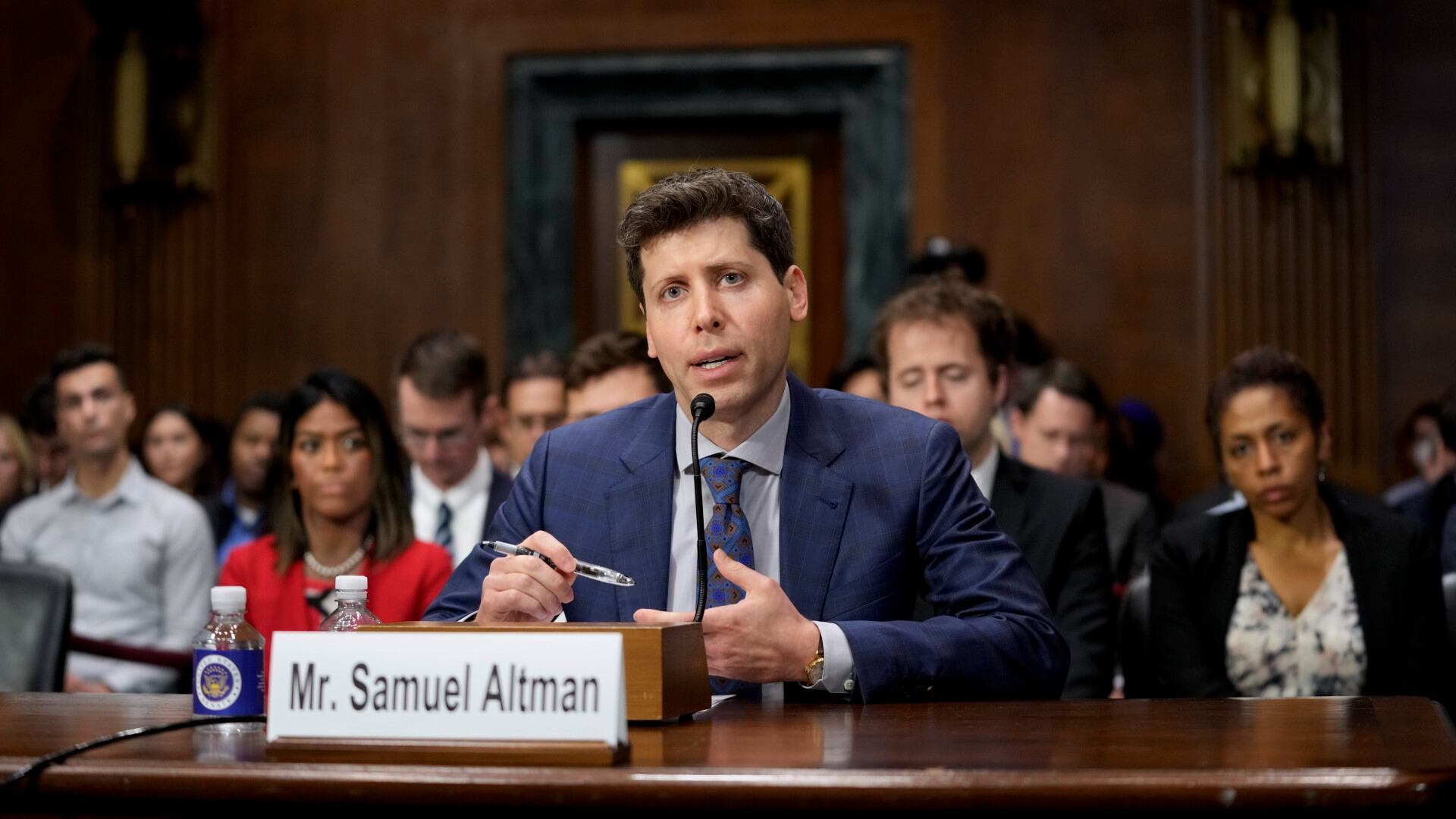
The head of the artificial intelligence company that makes ChatGPT will testify before Congress as lawmakers call for new rules to guide the rapid development of AI technology.
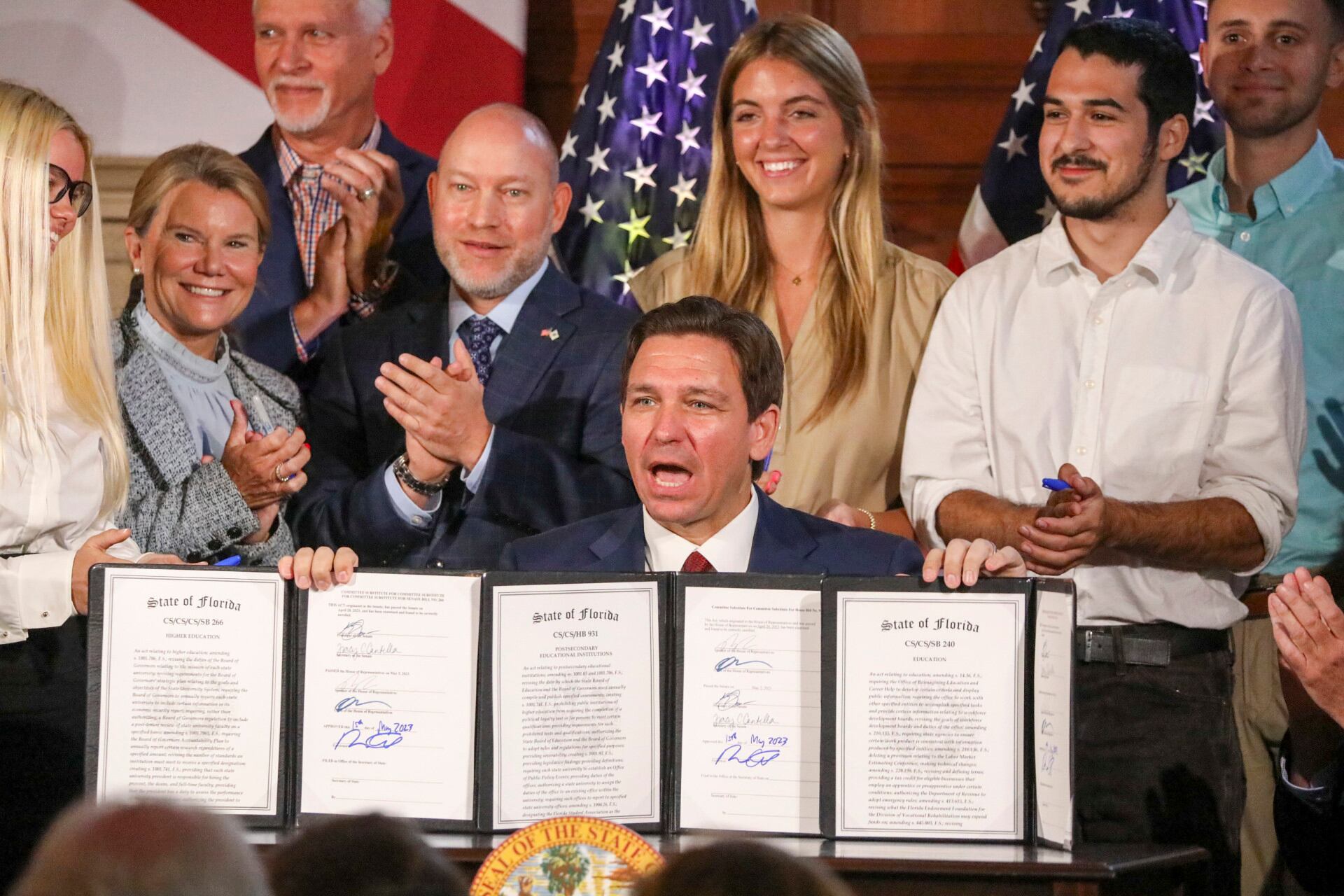
Florida Gov. Ron DeSantis on Monday signed a bill that blocks public colleges from using federal or state funding on diversity programs, addressing a concern of conservatives ahead of the Republican governor's expected presidential candidacy.
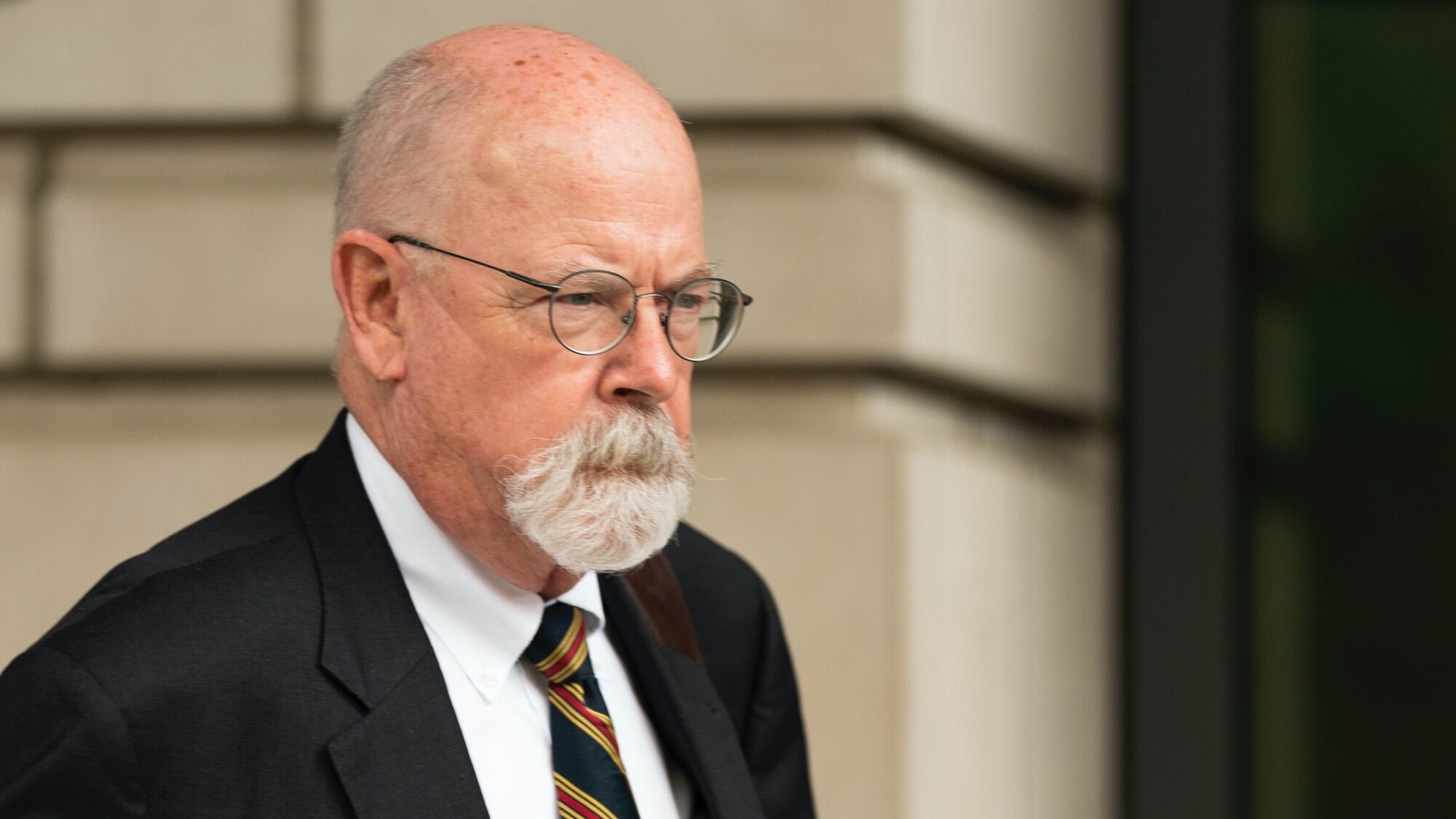
A special prosecutor found that the FBI rushed into its investigation of ties between Russia and Donald Trump's 2016 campaign and relied too much on raw and unconfirmed intelligence as he concluded a four-year probe that fell far short of the former president's prediction that the “crime of the century" would be uncovered.
North Carolina Gov. Roy Cooper vetoed a bill passed by state lawmakers that would ban most abortions after 12 weeks.
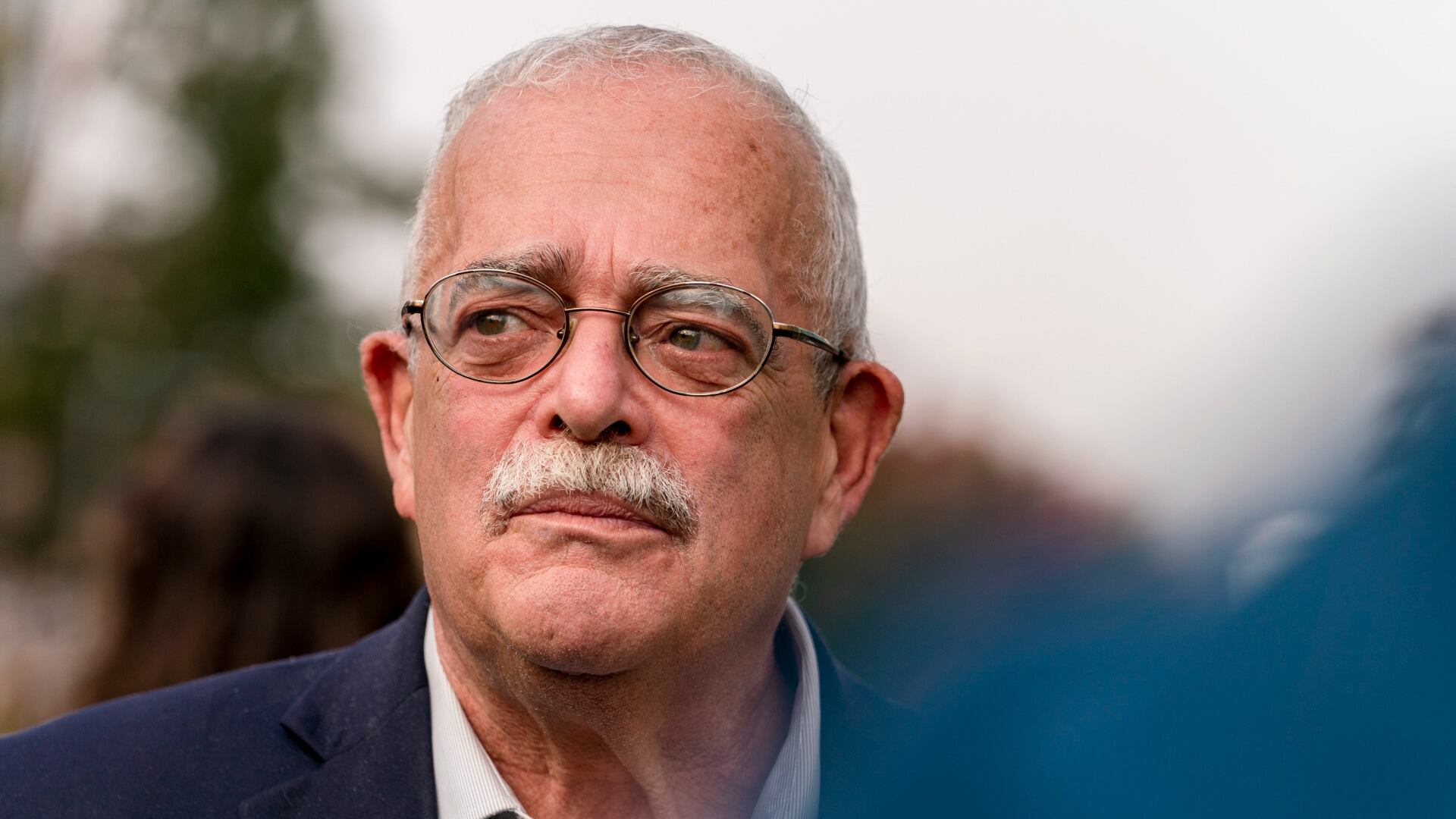
U.S. Rep. Gerry Connolly of Virginia says a man with a baseball bat walked into his Fairfax office, asked for him, and then assaulted two members of his staff.
Thanks to recent advances in artificial intelligence, tools that can create lifelike photos, video and audio are now cheap and readily available.
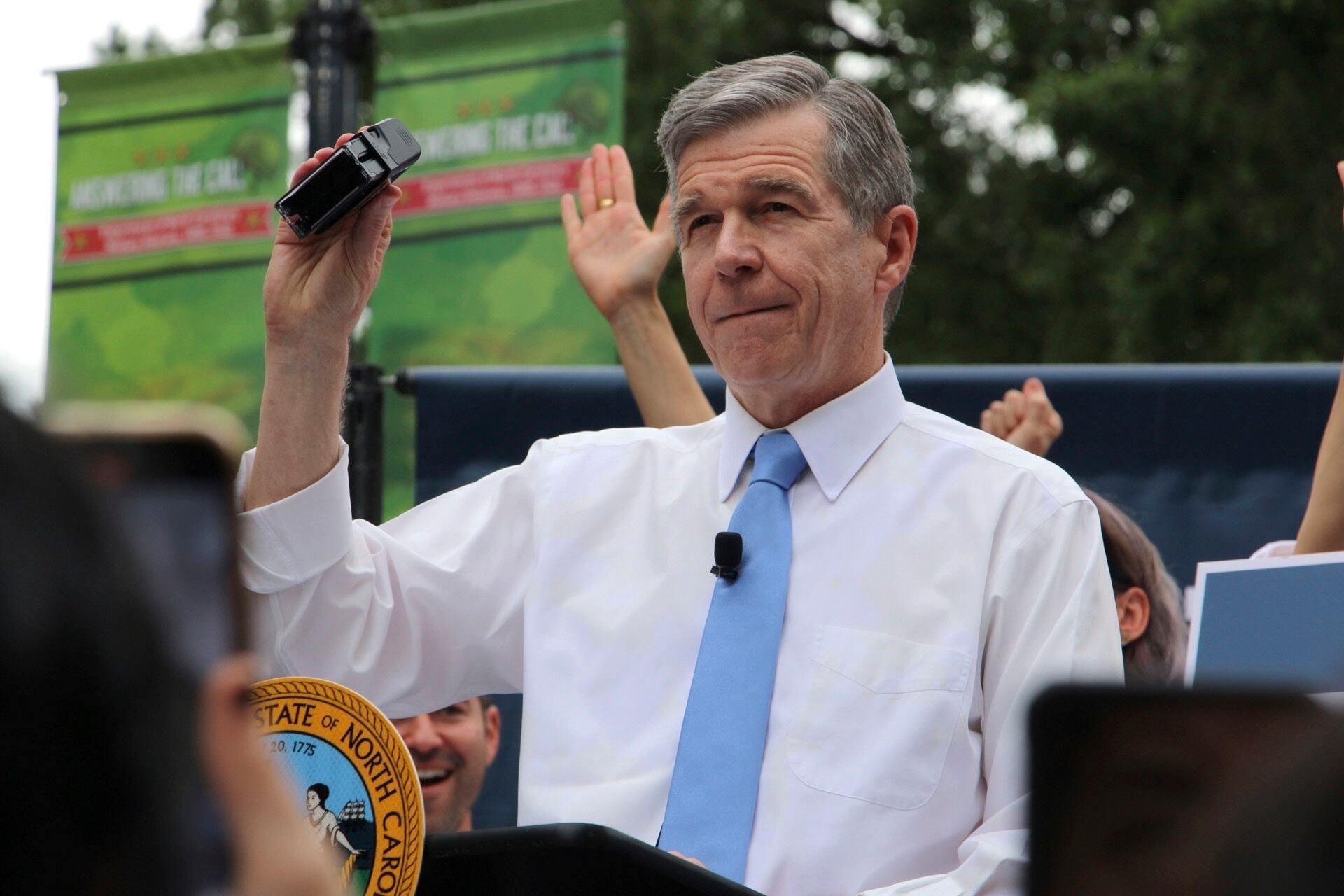
In front of an exuberant crowd, North Carolina’s Democratic governor vetoed legislation Saturday that would have banned nearly all abortions in his state after 12 weeks of pregnancy.
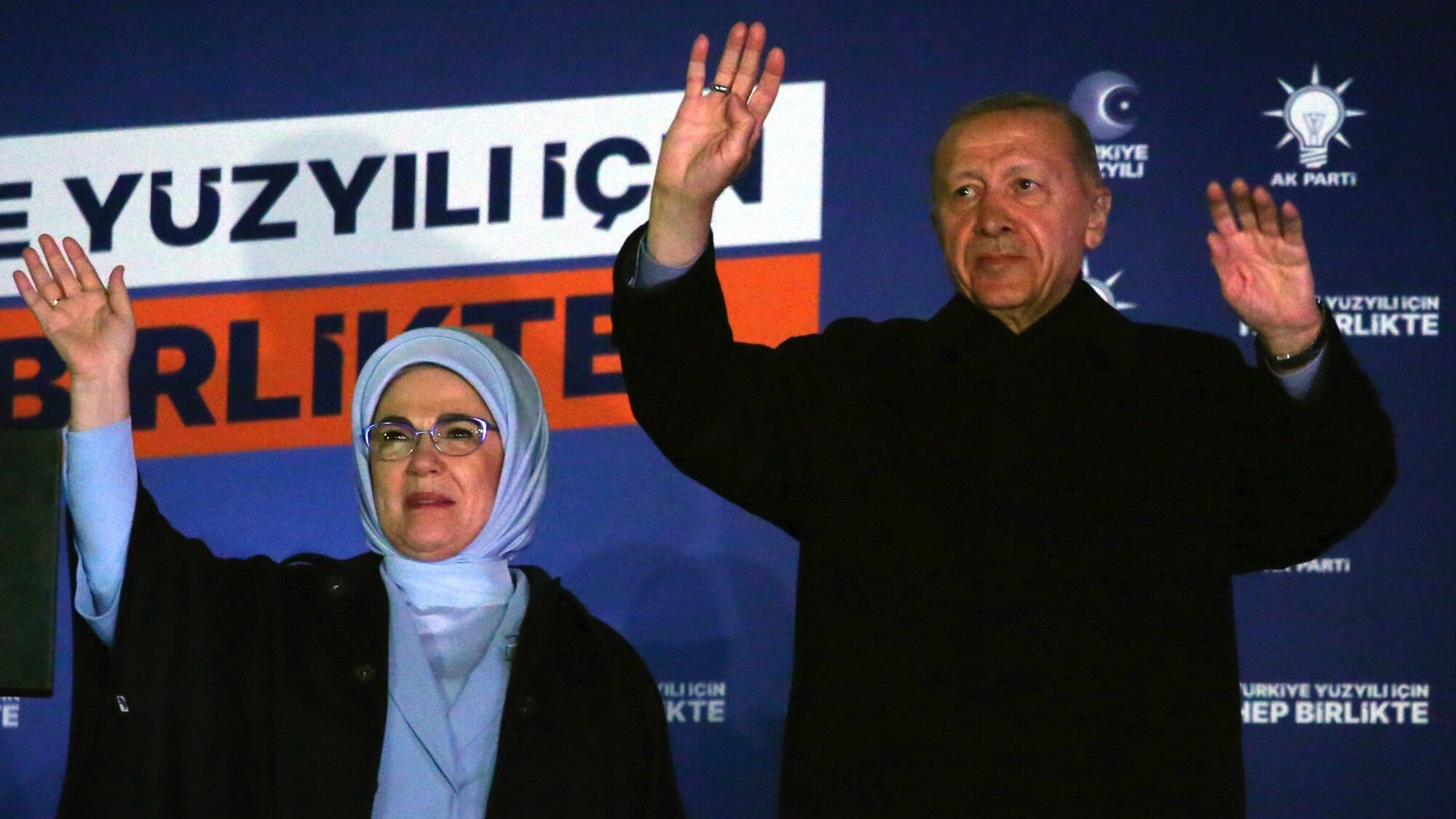
Turkey’s presidential elections appeared to be heading toward a second-round runoff on Monday, with President Recep Tayyip Erdogan, who has ruled his country with a firm grip for 20 years, leading over his chief challenger, but falling short of the votes needed for an outright win.