Former Walmart U.S. CEO Says 'Panic Saturday' is Brick-and-Mortar's Time to Shine
*By Samantha Errico*
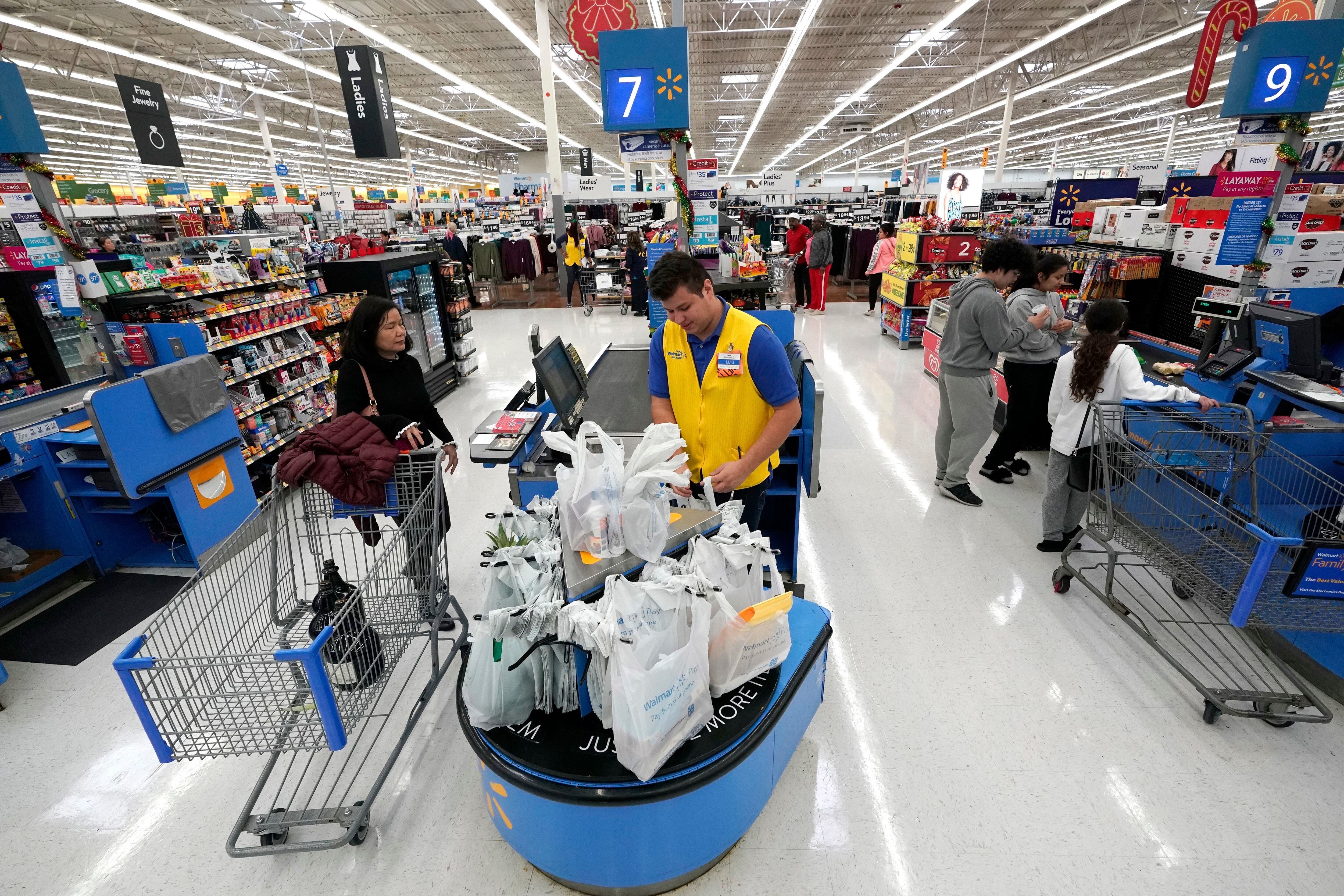
Christmas is on Tuesday, which means Panic Saturday is upon us. Dec. 22 is expected to be the second-busiest shopping day at stores this year, falling short in foot traffic only to Black Friday.
Bill Simon, the former CEO of Walmart U.S., told Cheddar Friday that brick-and-mortar retailers are about to have their moment, since "the online guys are done, they can't get it there in time now."
Retailers are gearing up for a serious surge in foot traffic on Super Saturday, which is expected to bring in [$26 billion](https://www.cnbc.com/2018/12/20/retailers-ready-for-a-surge-of-super-saturday-shoppers.html) ー beating out Black Friday sales by $2 billion.
"This is not for the faint of heart," Simon said.
Amid the holiday shopping frenzy, Simon's curiosity lies in the "battle of toys." Of the contenders, he acknowledged Amazon for achieving major success online and Target ($TGT) for thriving in-store this season.
Back in September, Simon [predicted](https://www.cnbc.com/2018/09/21/walmart-will-soon-hike-prices-due-to-tariffs-ex-walmart-us-ceo.html) that Walmart ($WMT) would have to hike its prices if the trade war escalated. He said Trump's tariffs won't impact holiday sales this year, but if a trade agreement isn't reached, "I think you can start to see an impact into next year and definitely for next Christmas."
Meanwhile, Walmart ($WMT) and Amazon ($AMZN) are battling to "figure out what the next generation of shopping is."
"With Amazon investing in physical assets and Walmart investing in digital assets, I would expect the stocks at some point to start looking like each other," Simon said.
Amazon recently bought grocer Whole Foods, expanding its brick-and-mortar footprint, and Walmart acquired e-commerce platform Jet in 2016 to conquer online sales.
"It's not purely digital like Amazon or purely physical like Walmart used to be, and who figures out that intersection fastest and best I think will win," Simon said.
Not only is April Financial Literacy Month, it’s also the kickoff of the spring homebuying season. So now is the time to make sure you have a financial plan in place – and why it might not be wise for that to include buying your first home.
While the U.S. may slowly be on the path to lowering inflation (and therefore interest rates), Europe has thoroughly trounced America, putting it on the path to lower rates by this summer.
April's release of the monthly Housing Starts and Building Permits reports by the Census Bureau provides crucial insights into the construction activity in the housing market. These reports are an economic indicator, shedding light on the current state of the housing market and its broader economic impact.
Caitlin Clark is heading to the Indiana Fever, the number one draft pick and the highest-scoring college basketball player of all time. And while she may not be getting millions from the WNBA, there's a few ways she'll net compensation for her generational talents.
Author of 'Clean Meat,' Paul Shapiro joins Cheddar to discuss how the cellular agricultural revolution helps lower rates of foodborne illness and greatly improves environmental sustainability. Plus, how his company The Better Meat Co. is bringing healthier food options to the table.
Recent headlines might make it sound like World War III is imminent, but when it comes to your finances, it's not the time to panic. The market is coming off its longest winning streak since 2011.
You may have noticed fewer new venture capital-backed startups (like Airbnb or Uber) lately. The market slowed to a crawl after 2021, but things are expected to take off again in 2025.
Corporate earnings season is underway, that time when companies share their billions in sales or double-digit profits. But the data shows even companies are struggling with high inflation and interest rates.
Boeing continues their terrifying trend of having their planes fall apart mid-flight, inflation — checks notes — is still up and the future of AI looks terrifying. Cheery!
Food waste – uneaten scraps or leftovers sent to landfills – is responsible for 10% of global emissions. Mill, a new product from the co-founder of Nest, thinks technology can play a role in eliminating it.