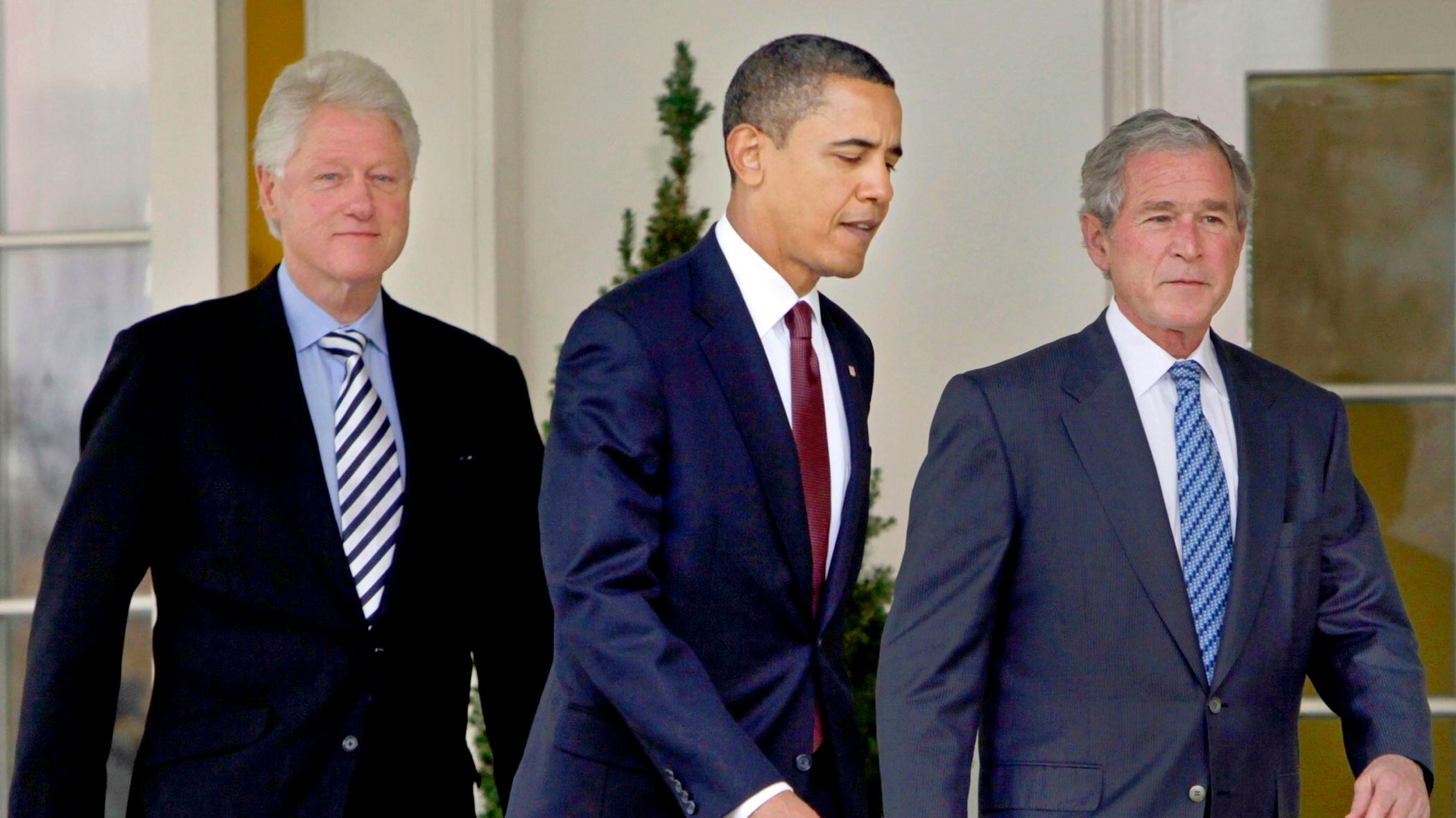
In this Jan. 16, 2010, file photo President Barack Obama, center, walks out of the Oval Office of the White House with former Presidents Bill Clinton, left, and George W. Bush, right, to deliver remarks in the Rose Garden at the White House in Washington. Three former presidents say they'd be willing to take a coronavirus vaccine publicly, once one becomes available, to encourage all Americans to get inoculated against a disease that has already killed more than 273,000 people nationwide. (AP Photo/Pablo Martinez Monsivais, File)
By Will Weissert
Three former presidents say they'd be willing to take a coronavirus vaccine publicly, once one becomes available, to encourage all Americans to get inoculated against a disease that has already killed more than 273,000 people nationwide.
Former President Barack Obama said during an episode of SiriusXM’s “The Joe Madison Show" airing Thursday, “I promise you that when it’s been made for people who are less at risk, I will be taking it.”
“I may end up taking it on TV or having it filmed, just so that people know that I trust this science,” Obama added.
Obama undergoing immunization may not be possible for the foreseeable future, though. The Food and Drug Administration will consider authorizing emergency use of two vaccines made by Pfizer and Moderna later this month, but current estimates project that no more than 20 million doses of each vaccine will be available by the end of this year. Each product also requires two doses, meaning shots will be rationed in the early stages.
Health care workers and nursing home residents should be at the front of the line, the Advisory Committee on Immunization Practices, an influential government advisory panel, said earlier this week. That encompasses about 24 million people out of a U.S. population of around 330 million.
Still, former President Bill Clinton would “definitely” be willing to get a vaccine, as soon as one is "available to him, based on the priorities determined by public health officials,” spokesman Angel Ureña said.
"And he will do it in a public setting if it will help urge all Americans to do the same,” Ureña said in a statement Thursday.
Ureña declined to answer a question on whether Clinton's team has been in touch with advisers to other former presidents about perhaps setting up a joint public immunization session whenever that might be possible.
Former President George W. Bush's chief of staff, Freddy Ford, told CNN that the former president asked him recently to meet with Dr. Anthony Fauci, the nation's top infectious disease expert, and Dr. Deborah Brix, the White House coronavirus response coordinator, to let them "know that, when the time is right, he wants to do what he can to help encourage his fellow citizens to get vaccinated.”
“First, the vaccines need to be deemed safe and administered to the priority populations," Ford told the network. "Then, President Bush will get in line for his, and will gladly do so on camera."
Ford did not respond to a message seeking comment Thursday.
The overlapping sentiments by three former presidents come as the U.S. recorded more than 3,100 COVID-19 deaths in a single day, obliterating the record set last spring. The number of Americans hospitalized with the virus has eclipsed 100,000 for the first time, and new cases have begun topping 200,000 a day, according to figures released Thursday.
President Donald Trump has said that he’ll get criticized no matter what he does on taking the vaccine — whether he’s first or last.
During the presidential campaign, Trump's reelection team tried to criticize challenger Joe Biden as being anti-vaccine. But the former vice president said months ago that he'd take “a vaccine tomorrow” if one became available.
Biden, now president-elect, hasn’t commented on the prospect of getting a vaccine publicly to inspire confidence. His transition team didn't immediately respond to a request for comment.
Biden warned on Wednesday that the spread of the coronavirus pandemic over the next two months could kill at many as 250,000 more people, though he didn't offer details to back up his assessment, which is far bleaker than projections by the Center for Disease Control and Prevention.
“We’re likely to lose another 250,000 people dead between now and January,” Biden said.
Speaking to the broader public, he added: "You cannot be traveling during these holidays, as much as you want to.”
U.S. officials spoke to Russian leaders for nearly eight hours earlier this week, in hopes of reducing tensions between Russia and Ukraine. Russia forced the west to the negotiating table by massing 100,000 troops near the Ukrainian border, sparking fears of an invasion, and then submitted a set of demands which the west rejected. Joel Rubin, former Deputy Assistant Secretary of State & President at Washington Strategy Group explains what the rest of the week might look like, and why other European nations may be on the side of the U.S.
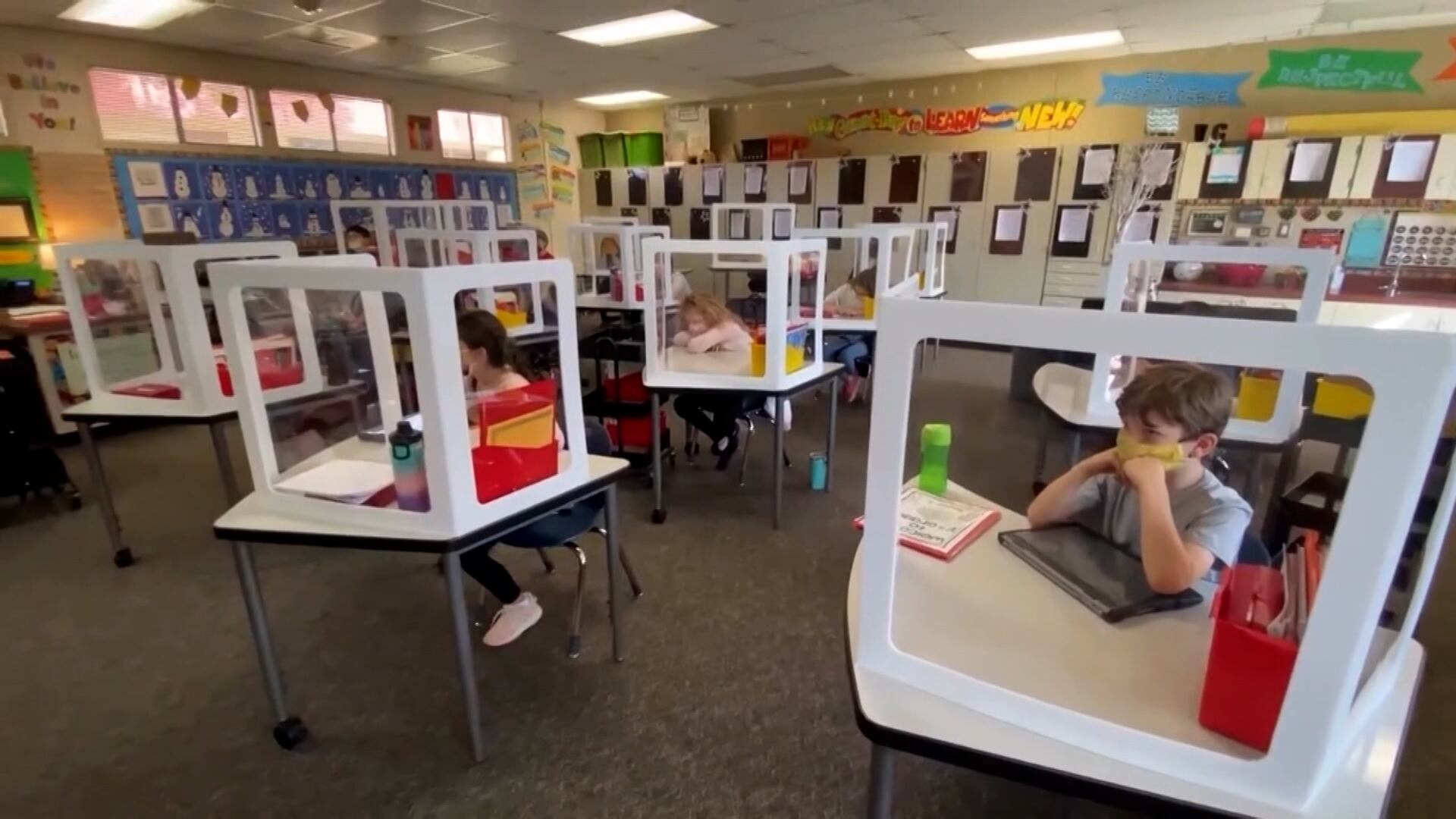
Chicago schools opened their doors again following a dispute between the teachers union and the city over as the omicron variant continues to surge, but the safety issues they fought over weren't just limited to the Windy City. Dr. Bayo Curry-Winchell, family medicine and urgent care doctor, joined Cheddar in discussing concerns of parents, teachers, and students as schools try to operate amid COVID and noted what she's been observing as the number of infections among children rises. "I am seeing them contract the illness from so many different aspects," she said. "It could be from a fellow classmate. It could be from a parent. All of those things really play in the effect of transmission as well as contracting the illness."
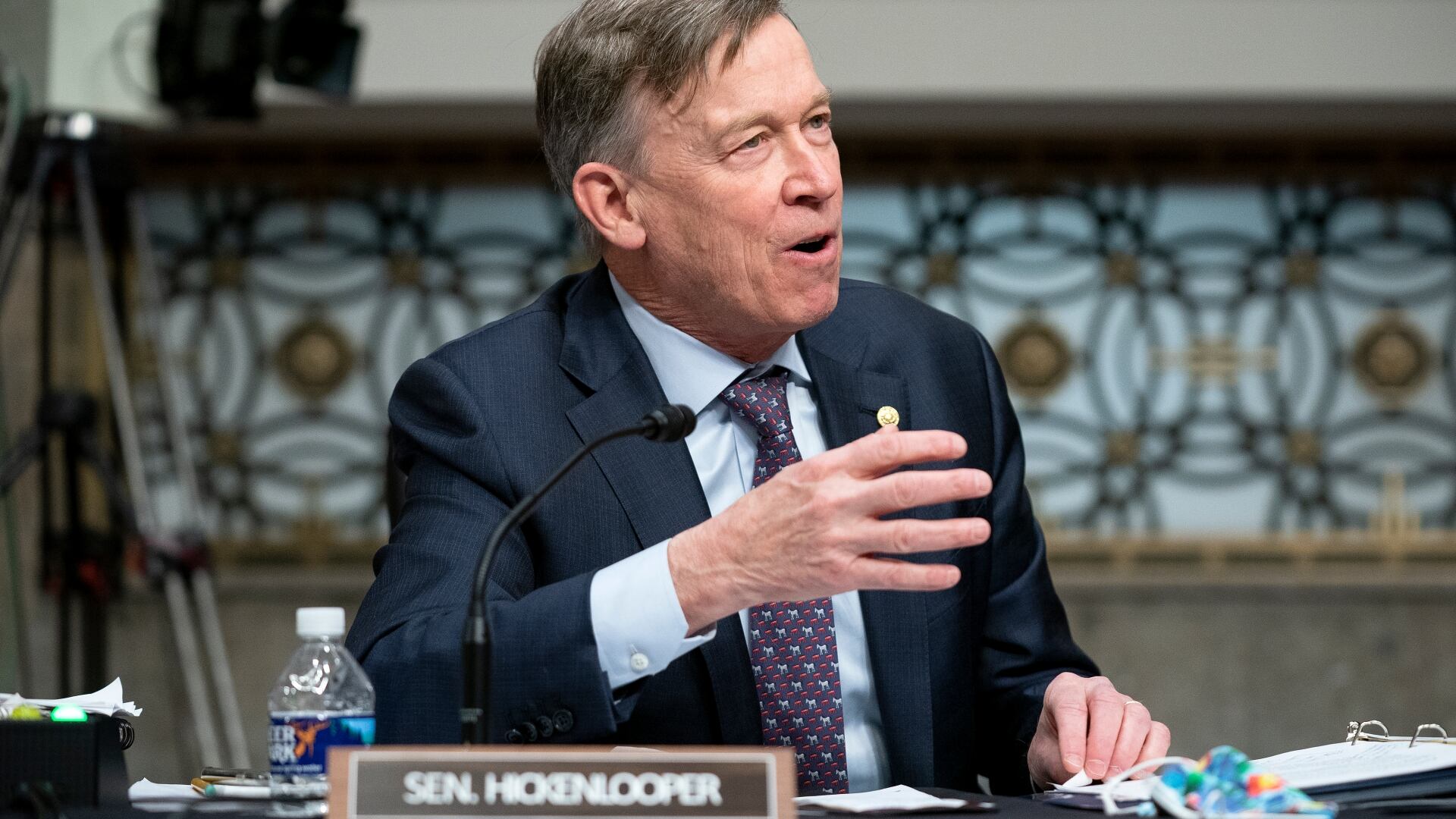
Sen. John Hickenlooper (D-Colo.) is looking for clarification about a federal standard regarding THC impairment while driving. "I think in terms of marijuana, the fact that it's still a Schedule 1 narcotic — it's treated the same as heroin and cocaine — it means that we can't get standards developed," he said about the lack of cohesive regulations. The lawmaker also explained his previous opposition to cannabis legalization in Colorado when he was governor and why his position changed.
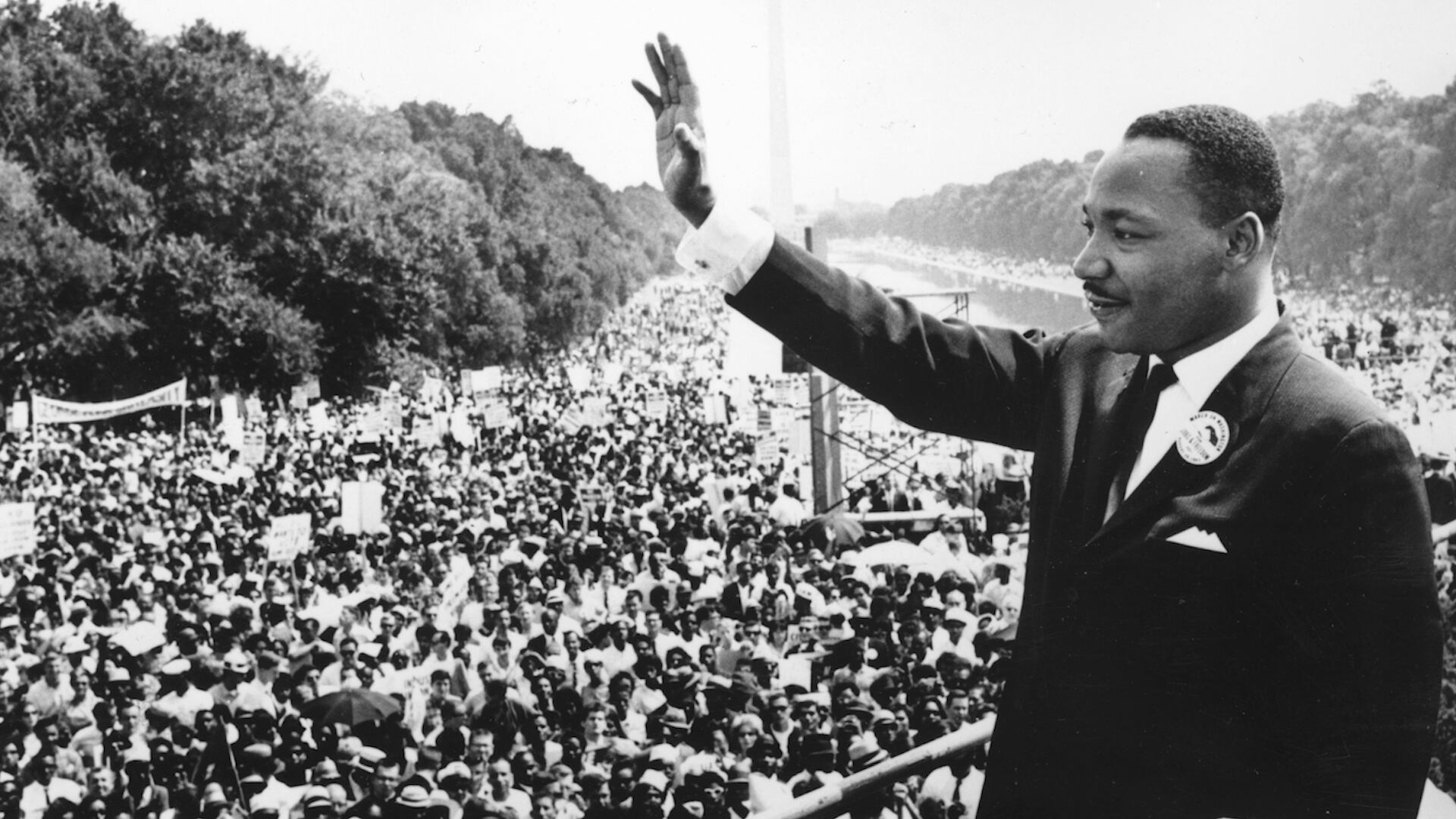
With Martin Luther King Jr. Day fast approaching, Rep. James Clyburn (D-S.C. 6th District), the House Majority Whip, talked about the importance of honoring the iconic civil rights activist. "As we consider the life and celebrate the legacy of Martin Luther King Jr., let's think about who and what we are as a country, and whether or not we're going to give up on the ideals of this country or continue to press forward," he said. Clyburn also discussed the push for new voting legislation, the For the People Act and the John Lewis Act, as well as the fate of the Senate filibuster.
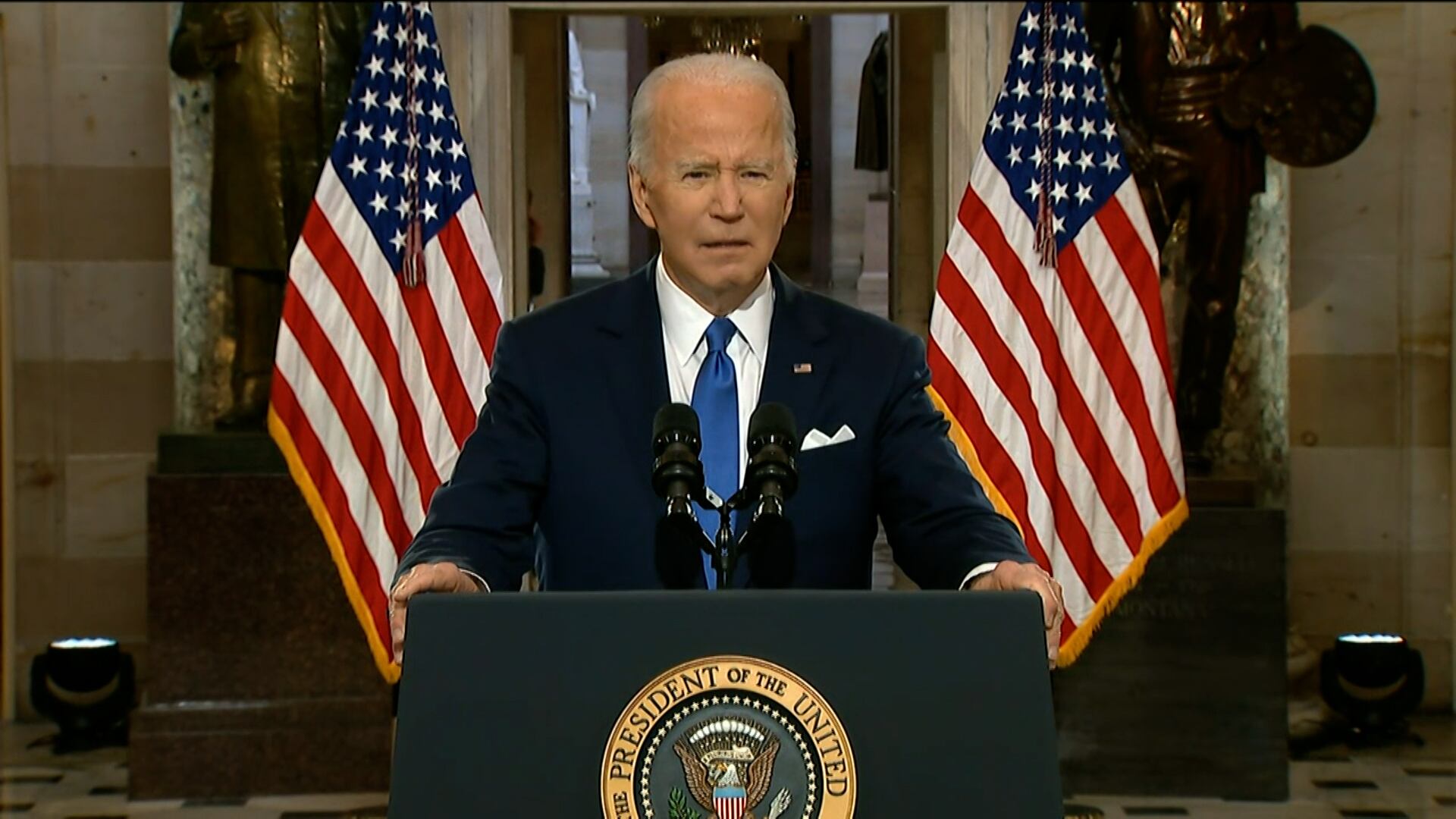
One year after the attack on Capitol Hill, America is still deeply divided and politically broken. Zoe Tillman, senior reporter for BuzzFeed News, breaks down President Biden's remarks on January 6, and why the country disagrees on its views over the violent insurrection.
While the pandemic caused financial troubles for many, the unique circumstances of the last two years proved helpful to many Americans. Whether it was the federal government's stimulus checks, expanded unemployment insurance, or general lockdowns, recent data reveals that the covid-19 pandemic helped many reach financial security. Neale Godfrey, Financial Expert and New York Times #1 Best Selling Author joined Cheddar's Opening Bell to discuss.
U.S. markets opened higher despite red-hot inflation data which showed the highest surge in nearly 40 years. Jon Maier, CIO, GlobalX ETFs joined Cheddar's Opening Bell to discuss this historic report.
Meta's request to have a Federal Trade Commission antitrust lawsuit dismissed was rejected by a federal judge. Prosecutors presented enough evidence in their latest filing to go forward with the case accusing the tech giant of operating a social networking monopoly through Facebook, Instagram, and WhatsApp.
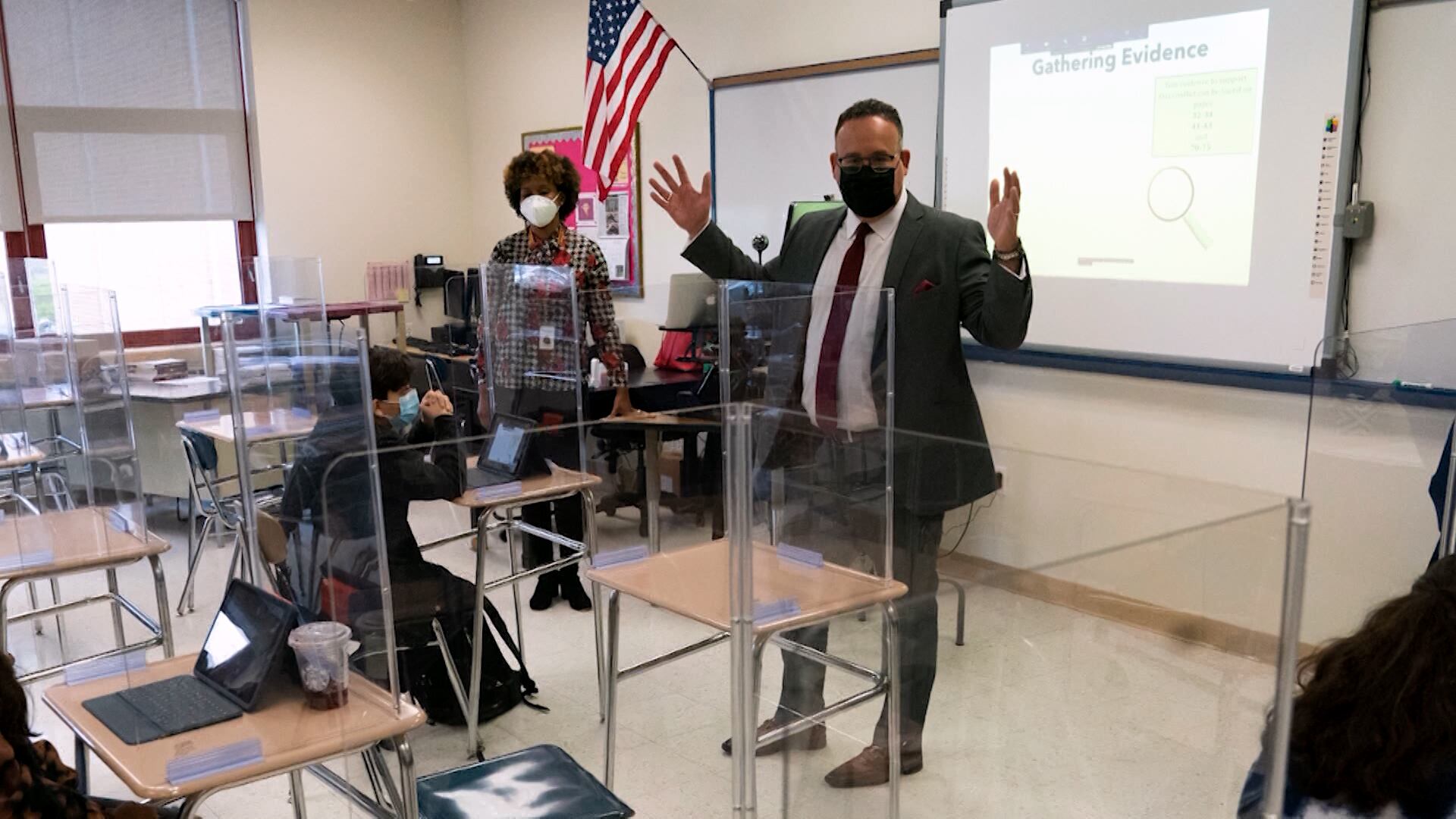
Covid cases have started to spike again across the nation, and this time they seem to be hitting some of our youngest and most vulnerable - school-aged children. School districts across the nation - including the country's largest public school system in New York City- are all grappling with what to do as teachers and students alike continue to miss school in droves.
Katie Honan, reporter for the New York City-based non profit news organization, The City explains how educational leaders across the country are handling covid demands from both teachers and parents alike.
Last week, the Supreme Court began here to hear arguments on two of the President's COVID-19 vaccine mandates. The vaccine or testing requirement for employees of large businesses, as well as the vaccine mandate for health care providers who get funding through either Medicare or Medicaid. The justices in DC will ultimately decide whether or not federal agencies even have the authority to issue these types of mandates. Editor at large of employment at Law 360, Vin Gurrieri, joined Cheddar to discuss more.