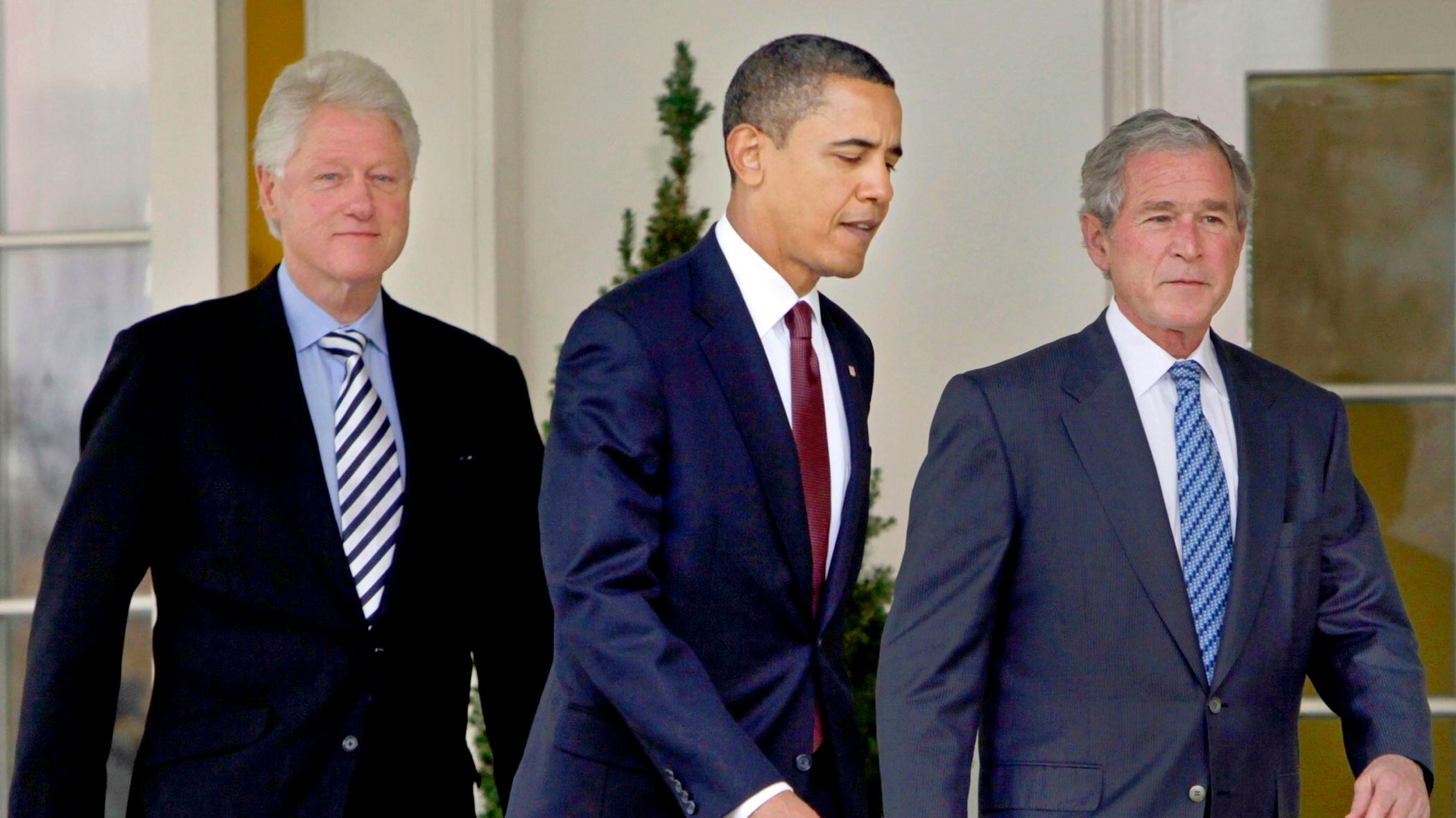
In this Jan. 16, 2010, file photo President Barack Obama, center, walks out of the Oval Office of the White House with former Presidents Bill Clinton, left, and George W. Bush, right, to deliver remarks in the Rose Garden at the White House in Washington. Three former presidents say they'd be willing to take a coronavirus vaccine publicly, once one becomes available, to encourage all Americans to get inoculated against a disease that has already killed more than 273,000 people nationwide. (AP Photo/Pablo Martinez Monsivais, File)
By Will Weissert
Three former presidents say they'd be willing to take a coronavirus vaccine publicly, once one becomes available, to encourage all Americans to get inoculated against a disease that has already killed more than 273,000 people nationwide.
Former President Barack Obama said during an episode of SiriusXM’s “The Joe Madison Show" airing Thursday, “I promise you that when it’s been made for people who are less at risk, I will be taking it.”
“I may end up taking it on TV or having it filmed, just so that people know that I trust this science,” Obama added.
Obama undergoing immunization may not be possible for the foreseeable future, though. The Food and Drug Administration will consider authorizing emergency use of two vaccines made by Pfizer and Moderna later this month, but current estimates project that no more than 20 million doses of each vaccine will be available by the end of this year. Each product also requires two doses, meaning shots will be rationed in the early stages.
Health care workers and nursing home residents should be at the front of the line, the Advisory Committee on Immunization Practices, an influential government advisory panel, said earlier this week. That encompasses about 24 million people out of a U.S. population of around 330 million.
Still, former President Bill Clinton would “definitely” be willing to get a vaccine, as soon as one is "available to him, based on the priorities determined by public health officials,” spokesman Angel Ureña said.
"And he will do it in a public setting if it will help urge all Americans to do the same,” Ureña said in a statement Thursday.
Ureña declined to answer a question on whether Clinton's team has been in touch with advisers to other former presidents about perhaps setting up a joint public immunization session whenever that might be possible.
Former President George W. Bush's chief of staff, Freddy Ford, told CNN that the former president asked him recently to meet with Dr. Anthony Fauci, the nation's top infectious disease expert, and Dr. Deborah Brix, the White House coronavirus response coordinator, to let them "know that, when the time is right, he wants to do what he can to help encourage his fellow citizens to get vaccinated.”
“First, the vaccines need to be deemed safe and administered to the priority populations," Ford told the network. "Then, President Bush will get in line for his, and will gladly do so on camera."
Ford did not respond to a message seeking comment Thursday.
The overlapping sentiments by three former presidents come as the U.S. recorded more than 3,100 COVID-19 deaths in a single day, obliterating the record set last spring. The number of Americans hospitalized with the virus has eclipsed 100,000 for the first time, and new cases have begun topping 200,000 a day, according to figures released Thursday.
President Donald Trump has said that he’ll get criticized no matter what he does on taking the vaccine — whether he’s first or last.
During the presidential campaign, Trump's reelection team tried to criticize challenger Joe Biden as being anti-vaccine. But the former vice president said months ago that he'd take “a vaccine tomorrow” if one became available.
Biden, now president-elect, hasn’t commented on the prospect of getting a vaccine publicly to inspire confidence. His transition team didn't immediately respond to a request for comment.
Biden warned on Wednesday that the spread of the coronavirus pandemic over the next two months could kill at many as 250,000 more people, though he didn't offer details to back up his assessment, which is far bleaker than projections by the Center for Disease Control and Prevention.
“We’re likely to lose another 250,000 people dead between now and January,” Biden said.
Speaking to the broader public, he added: "You cannot be traveling during these holidays, as much as you want to.”
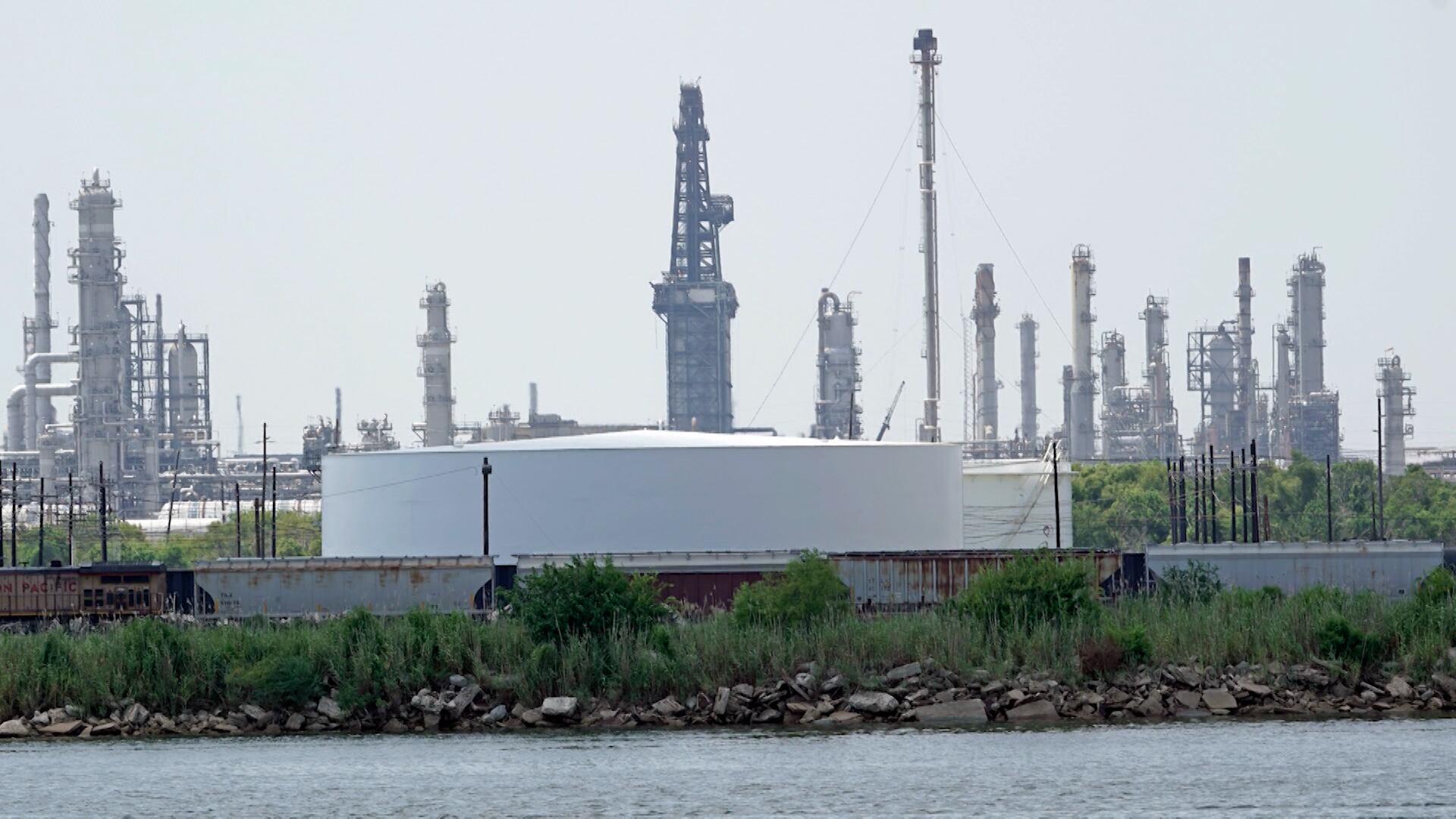
President Biden announced a ban on Russian oil and natural gas imports to the U.S. in response to its invasion of Ukraine, a move he warned could lead to an even greater surge in gas prices. The ban is prompting a conversation about the current oil production levels in the U.S. and whether or not the industry can ramp up production to soften the blow to American families at the gas pump. Clark Williams-Derry, Energy Finance Analyst with the Institute for Energy Economics and Financial Analysis, breaks down the state of the U.S. oil industry and how the ban might impact production levels here at home.
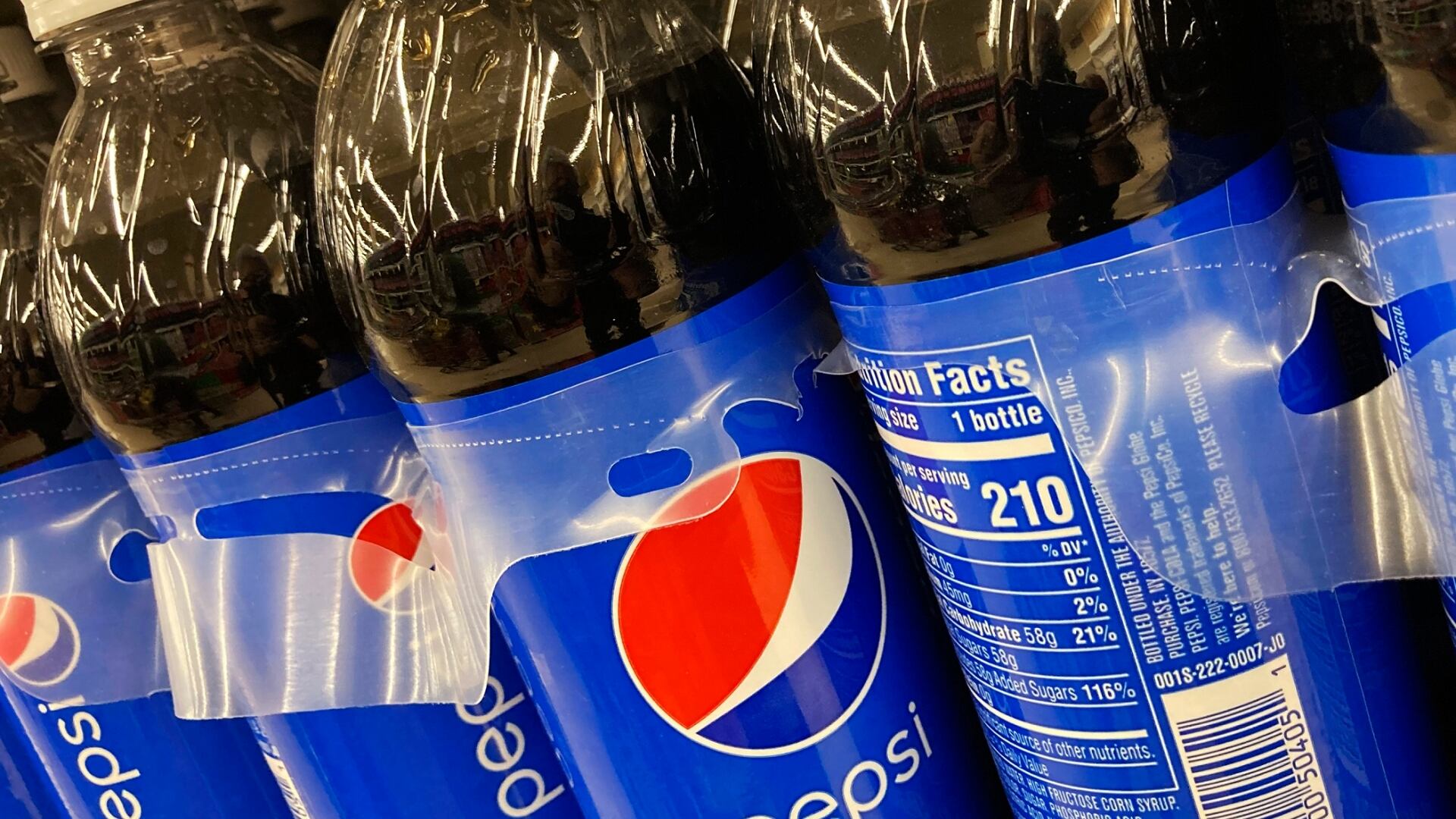
PepsiCo, Coca-Cola, McDonald’s, and Starbucks are the latest American food brands to have halted business operations in Russia after having faced scrutiny and criticism for originally failing to do so amid the country's invasion of Ukraine.
As Russia intensifies its war on Ukraine, President Biden announced a ban on oil imported from the aggressor nation. Critics of Russia have said this would be the best way to force Putin to pull back, but curbs on Russian oil exports are expected to send already skyrocketing oil and gas prices even higher, further impacting consumers, businesses, financial markets, and the global economy. Leslie Beyer, CEO of the Energy Workforce and Technology Council, joined Cheddar News' Closing Bell to discuss. "It's certainly going to increase pricing, but it is the right thing to do," she said. "The industry itself has already pulled out of the significant portion of its operations in Russia."
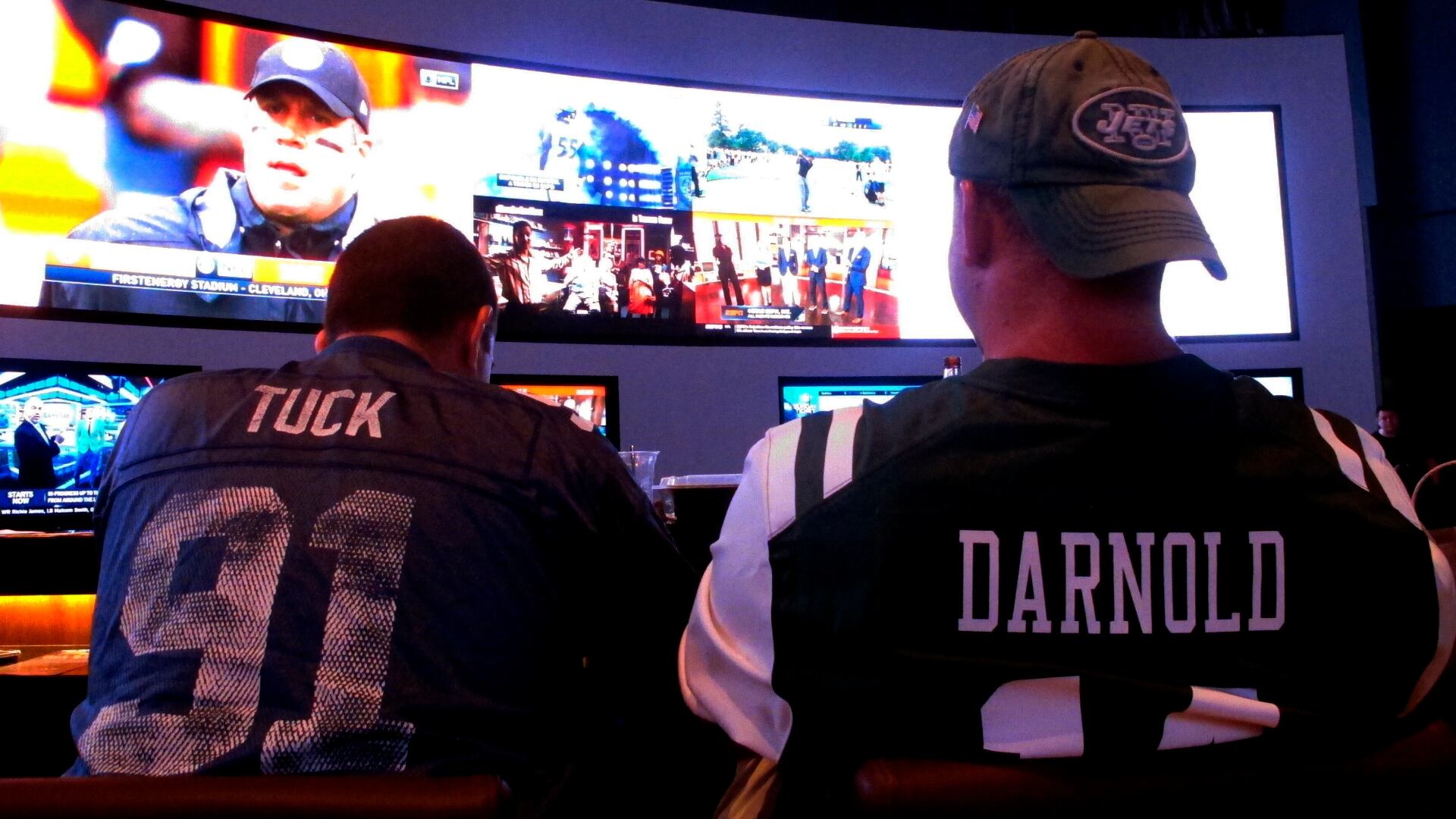
Sports Betting in the U.S. is booming. According to industry experts, we could see another boom this year as more states move towards statewide legalization of sports wagering. While this comes as huge news for fans, there are some very real concerns as to whether or not sports betting potentially poses a threat to public health. Senior Clinician at the Caron Treatment Centers, Eric Webber, joined Cheddar to discuss more.
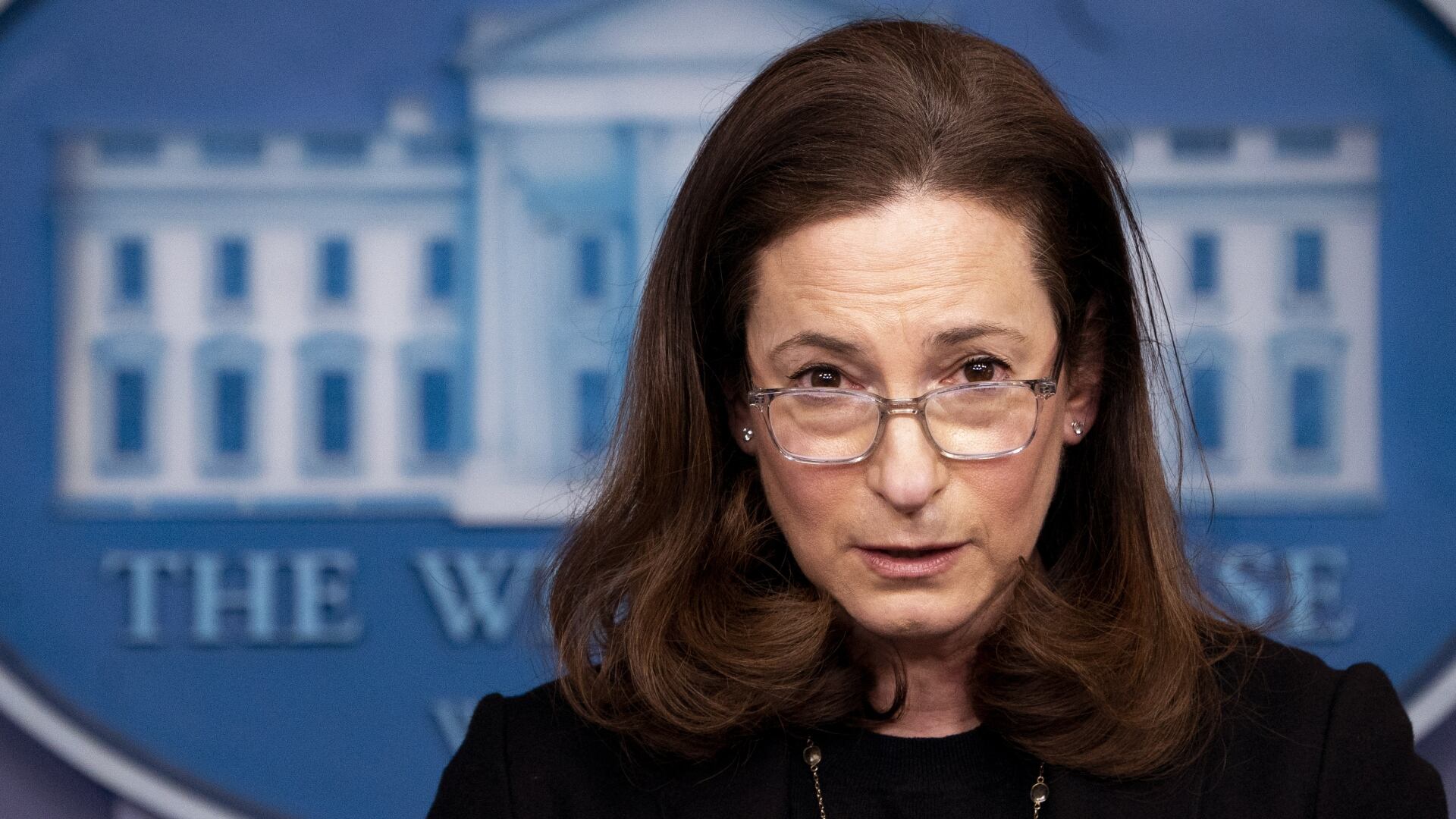
The Biden administration has made gender policy a core part of how it governs. The president established the first Gender Policy Council. It's on the same level as the National Security Council, Domestic Policy Council and National Economic Council, putting the interests of women and other underserved groups at the table for the most important policy discussions.
Cheddar News sat down with Jennifer Klein, executive director and co-chair of the White House Gender Policy Council, to discuss the council's work and its significance during Women's History Month.
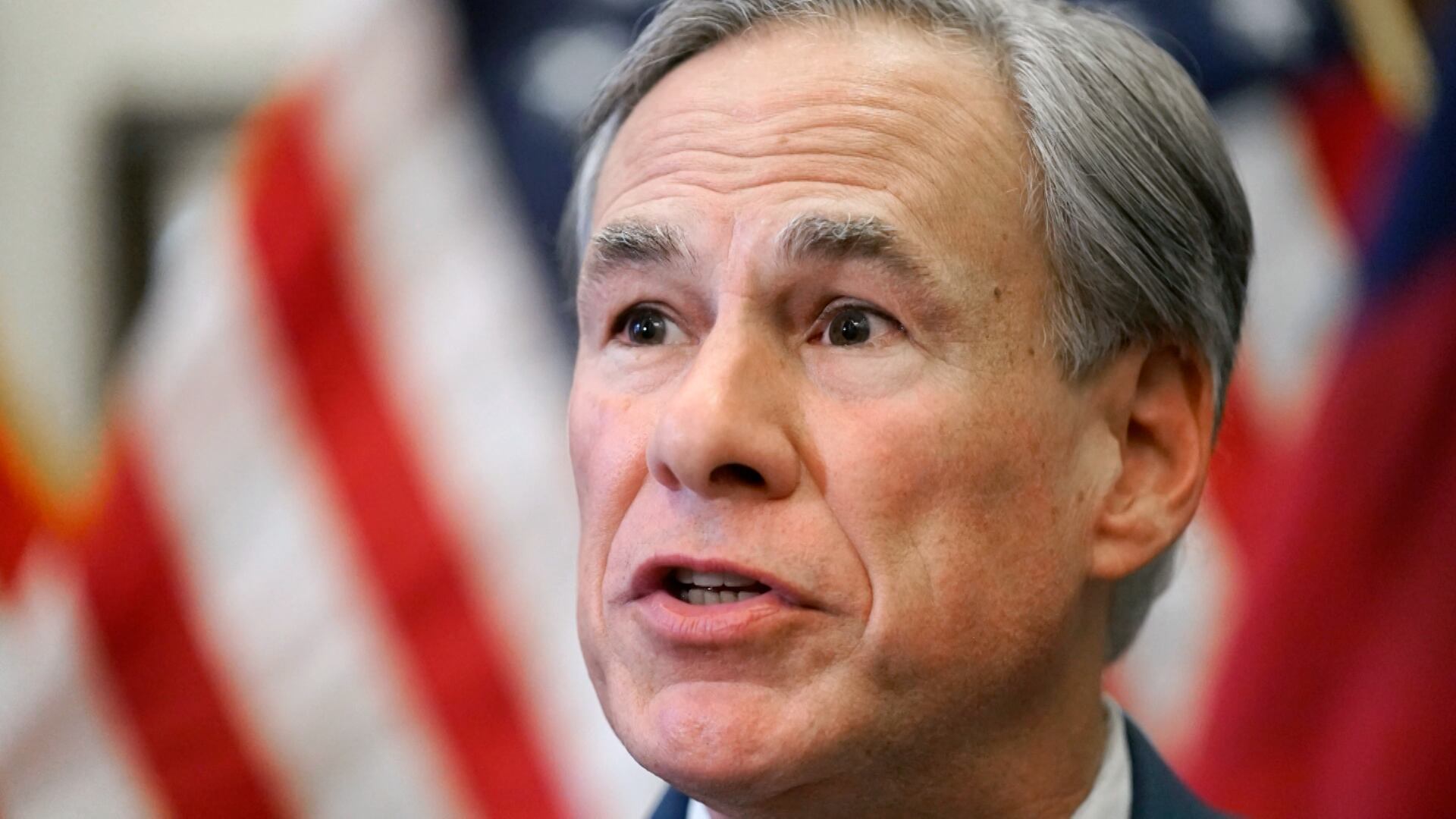
State Representative Jessica González, Vice Chair of the Texas House LGBTQ Caucus, joins Cheddar News to discuss the latest Texas anti-transgender directive.
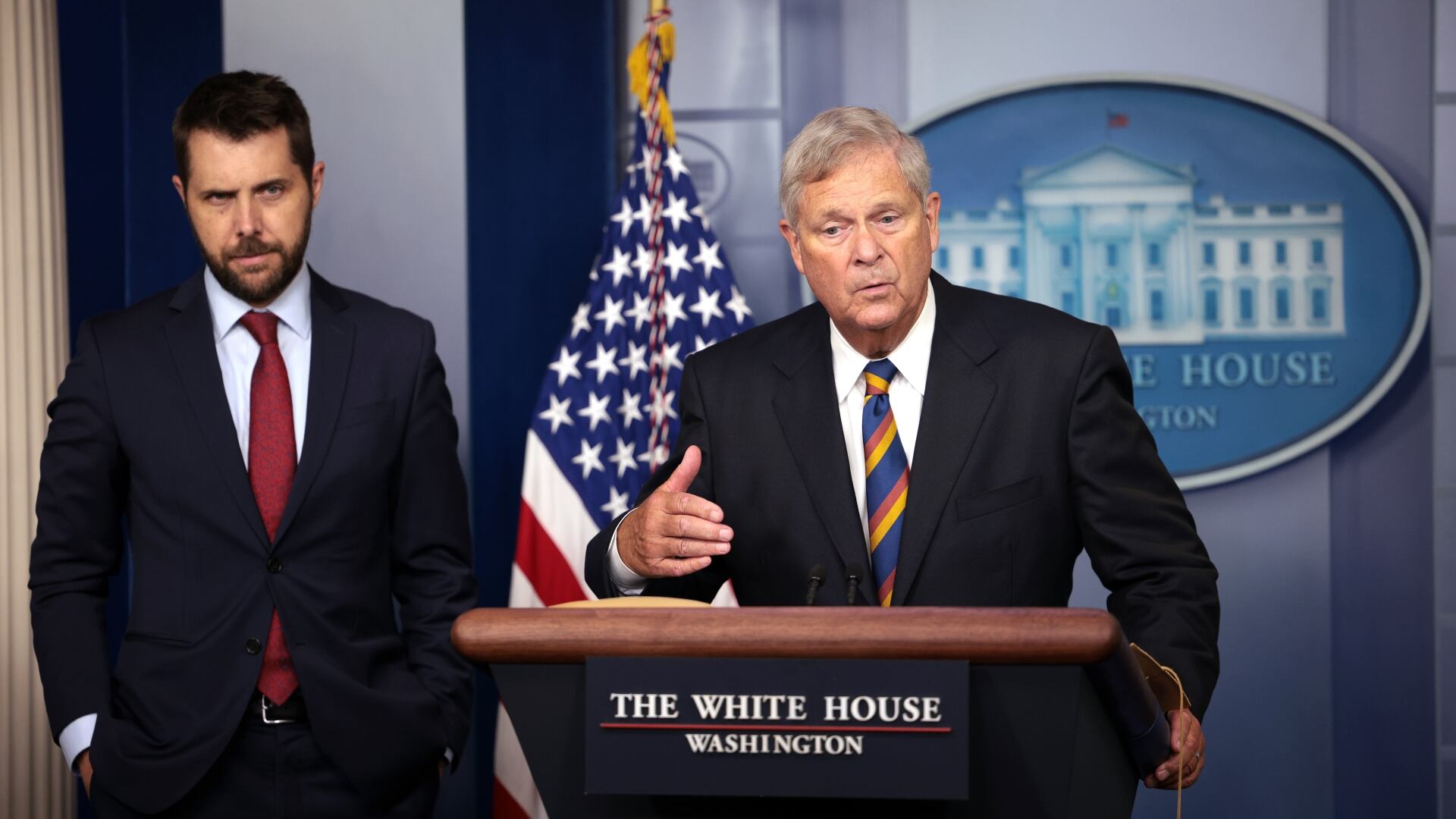
The United States Secretary of Agriculture, Tom Vilsack joins None of the Above to discuss the newly emerging conflict in Europe, what it means for agriculture in the states, dairy and meat consumption, and how the department is planning to promote climate-smart agriculture.
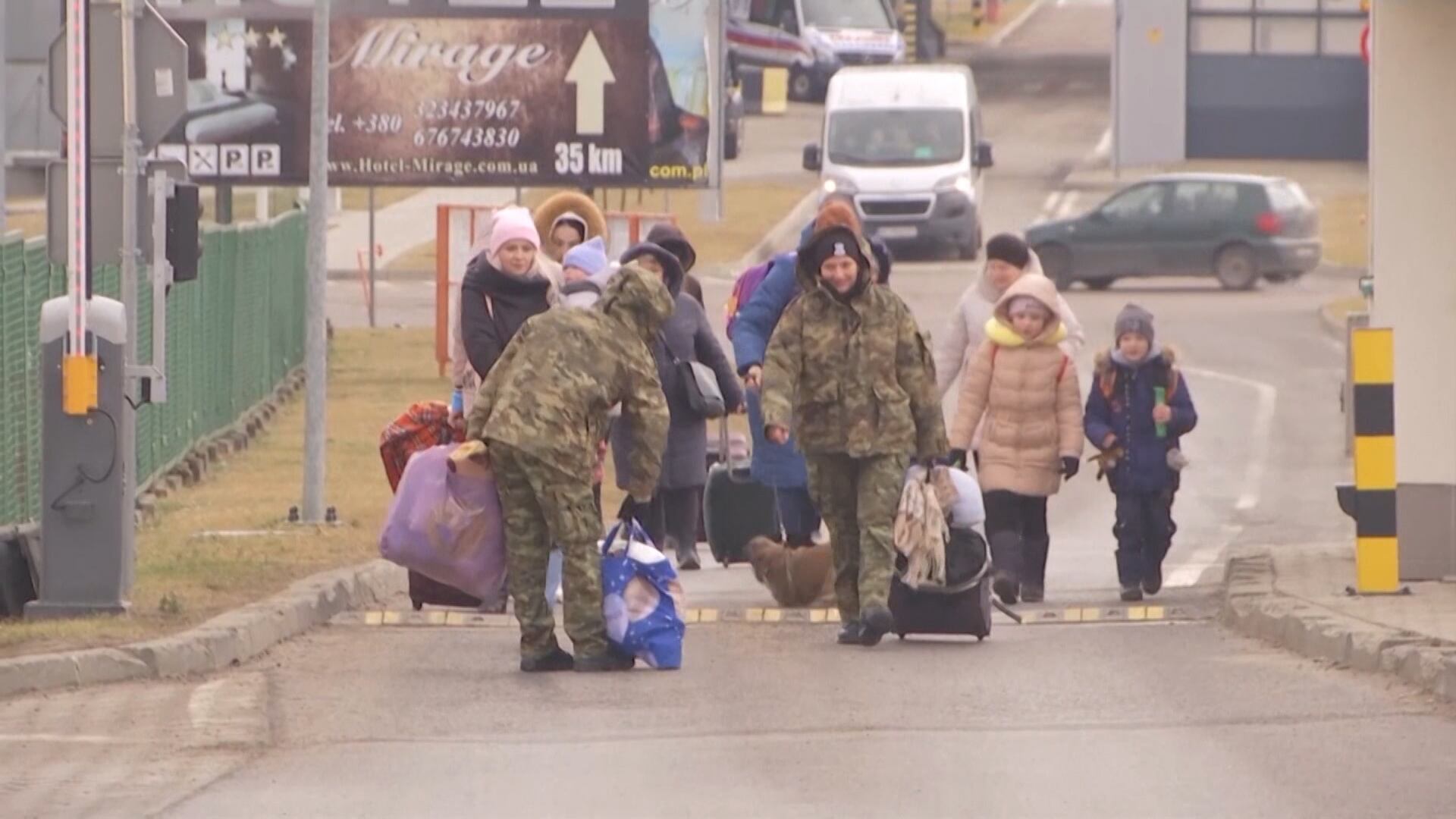
Tens of thousands of people have fled Ukraine in attempts to escape the Russian Invasion. According to the U.N. neighboring countries like Poland, Hungary, and even Romania have seen half a million refugees. While the hospitality is being welcomed by many, it also highlights the mistreatment of migrants and refugees from the Middle East and Africa. Professor of Philosophy and Director of Politics at Northeastern University Serena Parekh, joined Cheddar, to discuss more.
As Russia unleashed war in the country of Ukraine, global leaders have started inflicting punishment on Vladimir Putin's regime via commercial and financial penalties. According to President Joe Biden Putin's aggression is "a flagrant violation of international law and it demands a firm response from the international community".However, the main question is will these sanctions actually work. Partner at Jenner & Block LLP, Rachel Alpert, joined Cheddar to discuss more.