As massive waves of protesters in communities across the U.S. call for fundamental changes in American policing, former Philadelphia Mayor Michael Nutter told Cheddar the nation must find a balance between good policing and civilian safety.
“Black people, and just about everyone else I think, want some kind of law enforcement, keepers of the pace, in their community,” he said. “People want to be safe, but they don’t want to be abused while they’re being supposedly made safe.”
The death of George Floyd at the hands of police kicked off a movement that continues to gain traction. Lawmakers in some major U.S. cities, including New York Los Angeles and Minneapolis, are discussing plans to reallocate portions of police funding to go to programs that improve community relations and quality of life — an idea Nutter supports.
“Budgets should be scrupulously reviewed,” he said. “They should be scrutinized first by, in many instances, the mayor putting it forward in any city and certainly the city council…should go through that budget.”
As a two-term black mayor, Nutter has a rare perspective on maintaining community and police relations amid tragic killings. He said both sides of the issue are equally as difficult to address. Nutter said he made efforts at community reconciliation by addressing community members to help them understand the dangers of policing as well as helping officers understand that civilians “want to be treated like you would treat a family member.”
Still, Nutter hopes Floyd’s death, while devastatingly tragic, comes with reinforcing change.
“His legacy very well could be a significant, if not massive, change in policing in the United States of America and possibly other parts of the world,” he said.
Nutter echoed a familiar message in cities with embattled police departments: community and law enforcement relations can move forward once the people see real change.
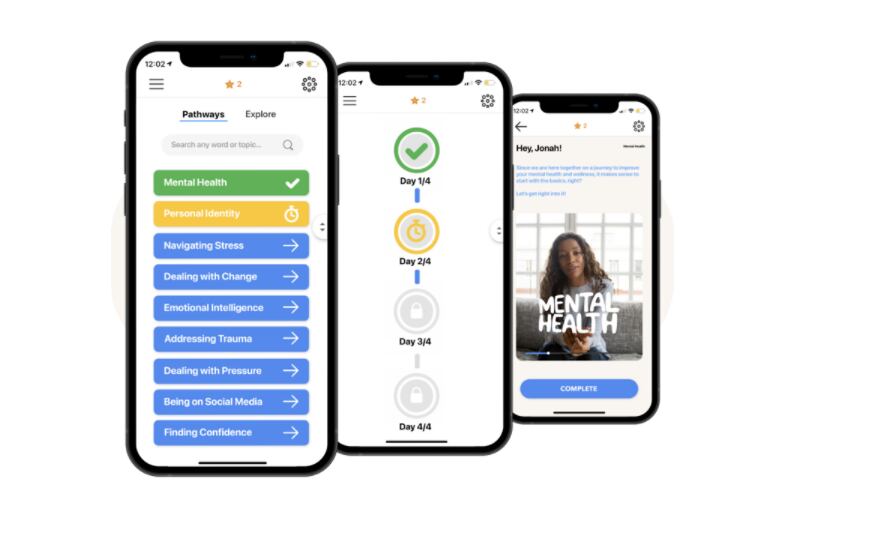
Two friends have joined forces to come up with an app dedicated to making mental health more approachable and to provide users with the tools needed to improve their mental health and overall well-being. Co-Founders of the Dial App Jonah Salita and Marcel Johnson, joined Cheddar to discuss more.
Miss Universe 2021 Harnaaz Sandhu and Smile Train CEO Susie Schaefer join Cheddar News to talk about how Smile Train continues to support those with a cleft lip this International Women's Day.
On this International Women’s Day, Deb Cupp, president of Microsoft U.S., joined Cheddar News to talk about the implementation of her pillars to extend the company's culture, such as acting with care and putting the team first. "What I like about the pillars is they're very simple, so it's easy for us to think about how they show up every day in our lives," Cupp said.
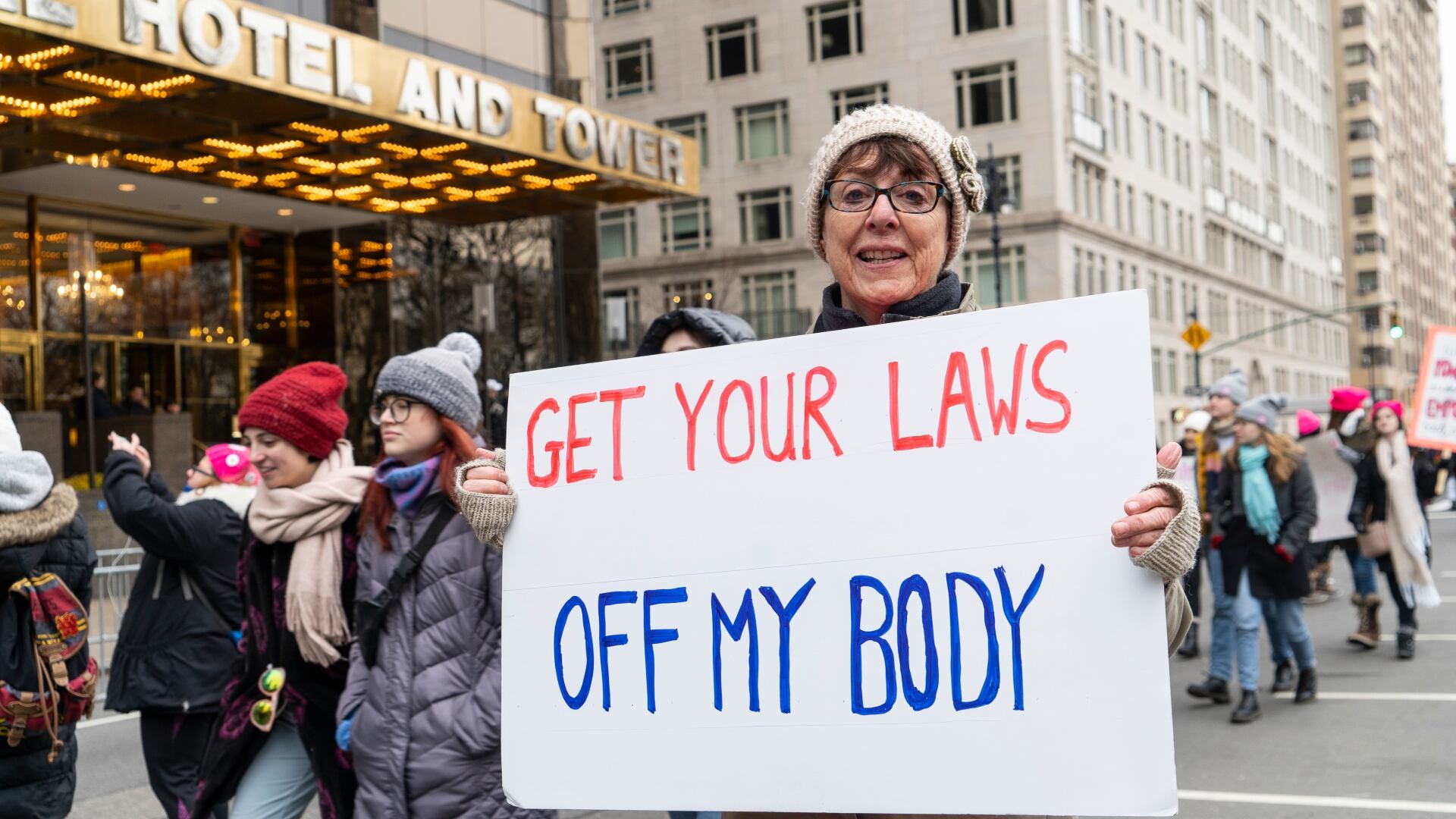
Christian Nunes, President of the National Organization for Women, joins Cheddar Reveals to take a look at where the women's rights movement stands today and where it's headed.
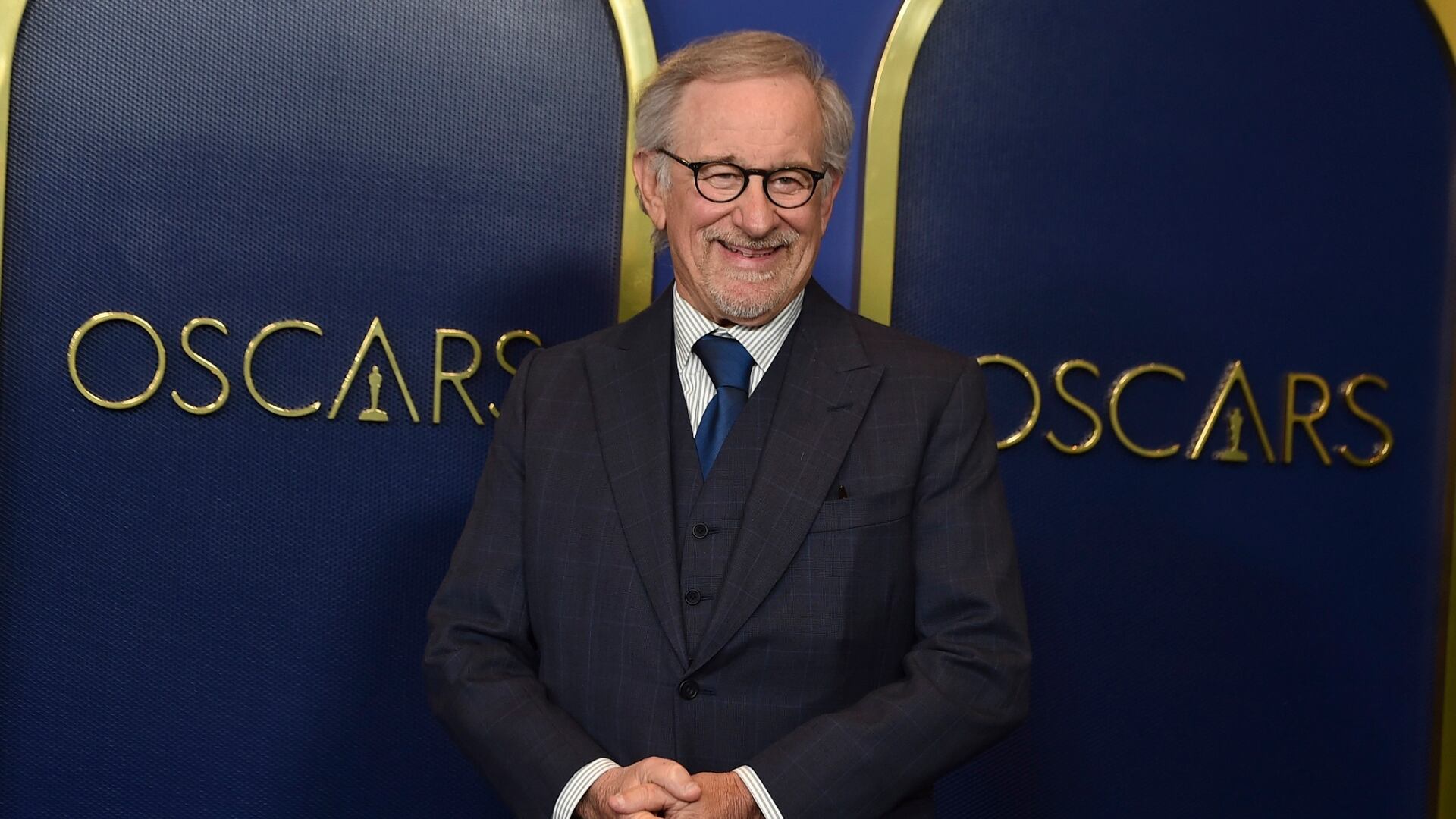
Steven Spielberg has spoken out against the Motion Picture Academy’s decision to move the presentation of eight categories to the pre-show off-air for this year’s Oscars. "We should all have a seat at the supper table together, live at five," said the Academy Award-winning director, who is also nominated for two statues at this year's event.
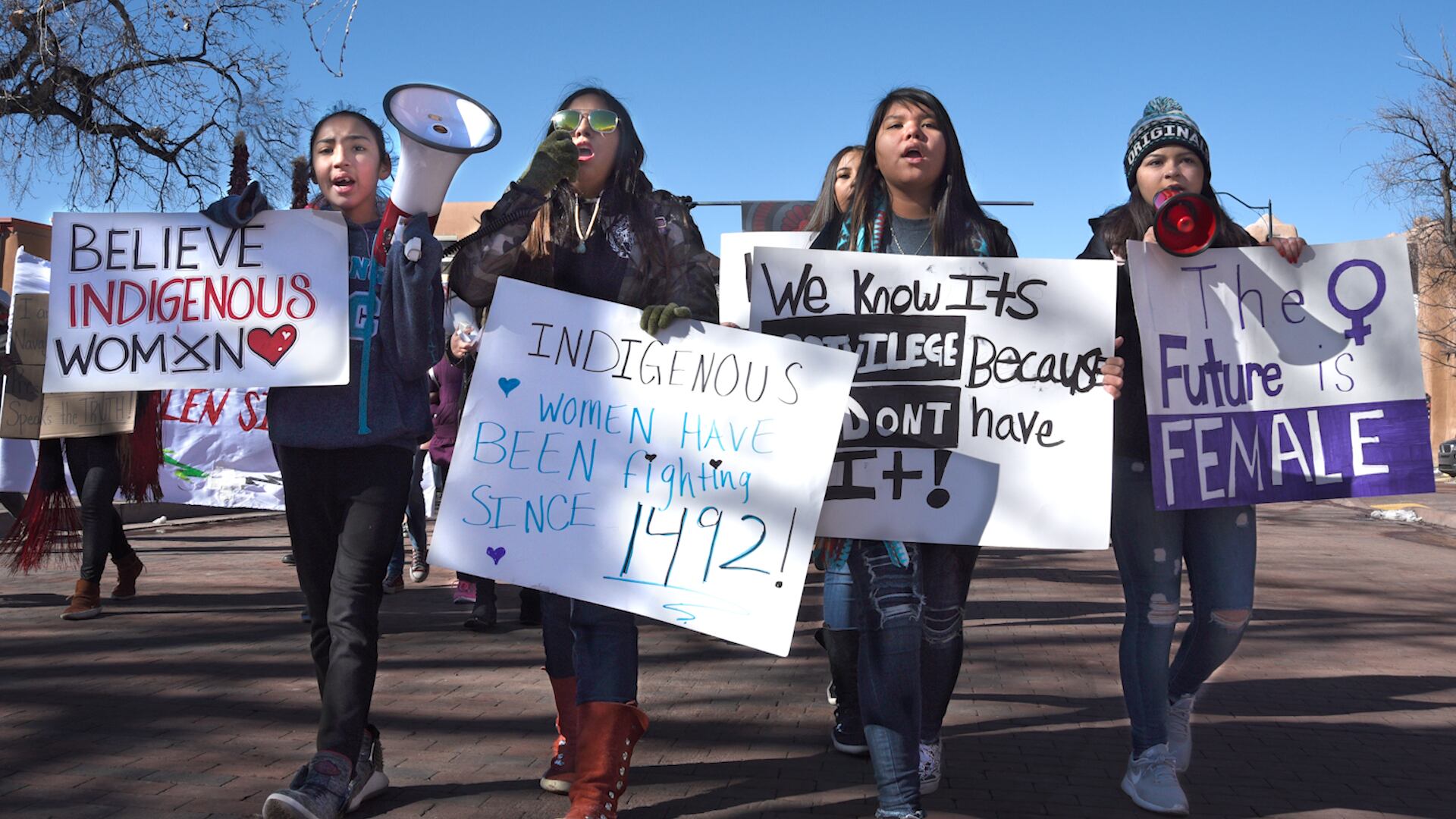
On this episode of Cheddar Reveals, Sally Roesch Wagner, Historian & Executive Director, The Matilda Joslyn Gage Foundation, discusses how the early women's rights movement evolved and the hidden influence of Native American women on early American feminists.; Christian Nunes, President of the National Organization for Women, takes a look at where the women's rights movement stands today and where it's headed; Cheddar gets a look at Curiosity Stream's 'Ascent of Woman.'
Sally Roesch Wagner, Historian & Executive Director, The Matilda Joslyn Gage Foundation, joins Cheddar Reveals to discuss how the early women's rights movement evolved and the hidden influence of Native American women on early American feminists.