Former Obama Adviser: Big Tech and the Government Aren't Doing Enough
*By Madison Alworth*
Irish regulators have officially launched an investigation into Facebook's latest data breach ー one which could affect 50 million user accounts and is thought to be the single biggest hack of the company's network yet.
The country's Data Protection Commission will now decide whether to fine the social media giant, a penalty that could amount to as much as $1.63 billion.
For Dipayan Ghosh, a former adviser to President Obama and an ex-privacy policy exec at Facebook ($FB) itself, it's a move that should be emulated by U.S. authorities too.
"We do need the U.S. to be bringing forth these regulations for the digital age, because if we leave it to our international competitors, to jurisdictions outside of the United States, it's likely that they will set rules for Silicon Valley, which is an American industry, in a ways that is actually in their interest," Ghosh said in an interview with Cheddar this week.
Ghosh, currently a Pozen Fellow at Shorenstein Center on Media, Politics, and Public Policy at the Harvard Kennedy School, recently published a report titled, ["Digital Deceit: A Policy Agenda to Fight Disinformation on the Internet"](https://www.newamerica.org/public-interest-technology/reports/digital-deceit-ii/executive-summary/?mod=article_inline), in which he argued that tech companies are not only unequipped to properly regulate their content and users’ data, but they’re largely unwilling to do so.
"I think it's long and gone for the industry to take voluntary measures to move by itself and do something for the little guy, for the individual, for the consumer, for the voter," he said. "We have seen the industry have lots of opportunities to do that in the past, and it simply has not taken the right steps to protect the public interest."
Ghosh noted that big tech has been operating much like the Wild West, but U.S. lawmakers are getting wise, and the race to set regulation is on.
But the data breach is only one problem facing the company. News of the hack came only days after the departure of Instagram co-founders [Kevin Systrom and Mike Krieger](https://cheddar.com/videos/instagram-co-founders-call-it-quits) from Facebook. Their exit signals a larger issue at the social media giant — and the timing is significant.
"For its founders to leave after a few years is incredible news. We imagine Facebook as a fantastic, huge technological force and innovative organization," Ghosh said. "And for these two key individuals to be leaving the company at this stage is pretty incredible. It suggests that they want to strike out new and find new opportunities for innovation."
Facebook has been struggling with one bad headline after another for months ー from the Cambridge Analytica scandal, to questionable ad targeting, to misuse of its platform around election. The stock had been able to withstand most of that until this summer. Since its last earnings report in July, shares have lost a full quarter of their value.
For full interview [click here](https://cheddar.com/videos/big-tech-has-big-problems).
One of Europe's leading micromobility providers, TIER mobility, is expanding into North America after acquiring the micromobility operator, Spin. Ford Motor Company previously owned Spin but is now selling the company to TIER Mobility, which says the deal will make it the largest multimodal micromobility operator in the world in terms of the number of cities it operates in and the number of vehicles in its fleet. Lawrence Leuschner, CEO of TIER Mobility, and Ben Bear, CEO of Spin, join Cheddar News' Closing Bell to discuss.
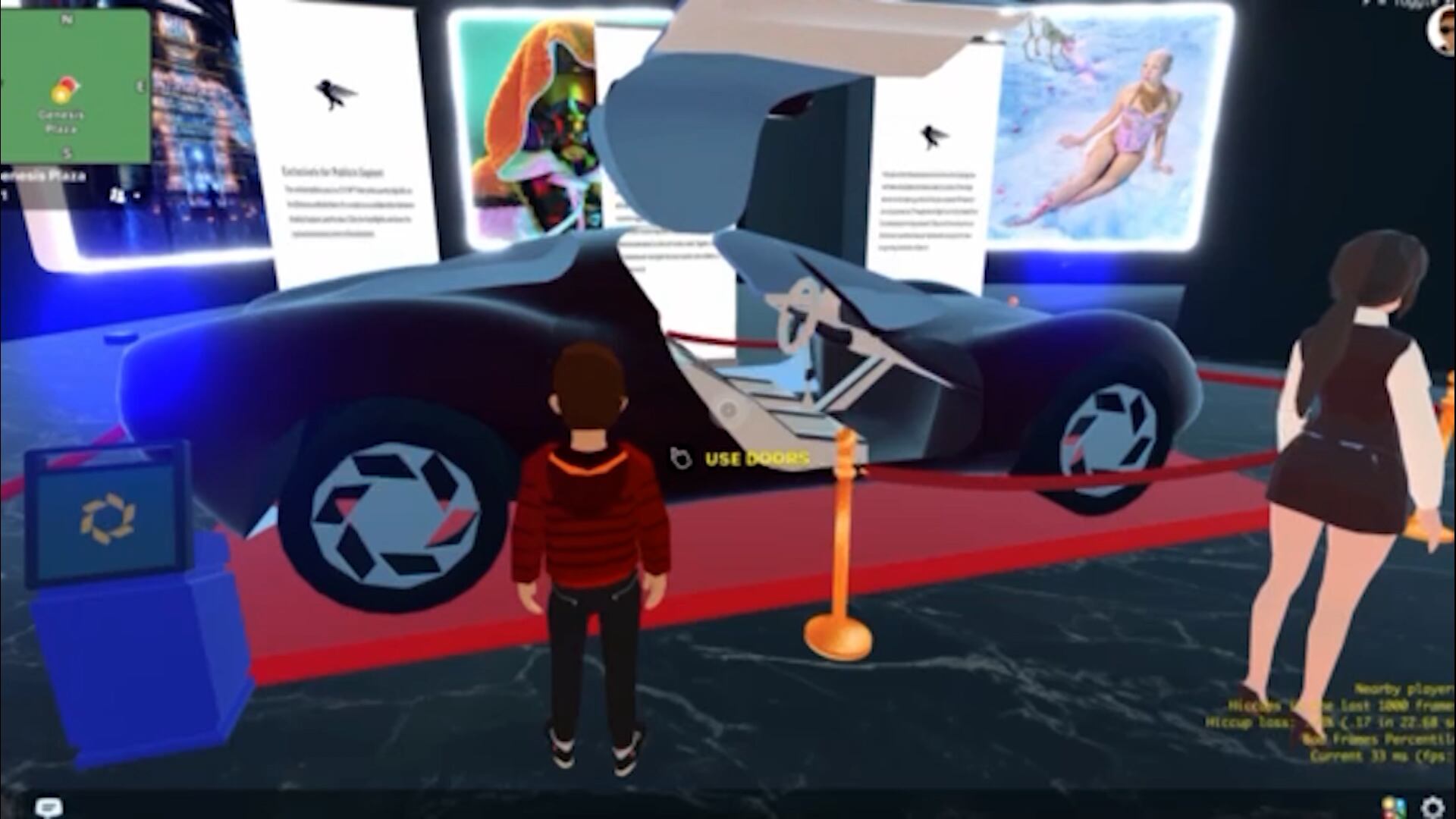
Digital consulting company Publicis Sapient has its sights set on the Metaverse. The subsidiary of the French advertising giant Publicis Group is announcing a new partnership with NFT auction house Portion in an effor to help brands deliver experiences in the metaverse, including the sales of products. Publicis Sapient CEO Nigel Vaz joined Cheddar News' Closing Bell to discuss. "In the context of our collaboration with Portion, the first experience that we created was with Decentraland, which is a virtual world," he said. "And car manufacturers in this metaverse, in terms of their buyers, can interact with a virtual person, (and) they can view quality NFTs. They can examine a virtual vehicle, be inside the car, rev an engine, open doors, all without leaving their homes."
Identity and access management company ForgeRock looks to use pattern recognition and artificial intelligence to ease secure access for users as an alternative to just password management. CEO Fran Rosch joined Cheddar News to discuss how the company's services work. "I mean, who likes to set up and use a new password? And they're also really bad security because a lot of people repeat the same one and use it everywhere and use the simplest one possible," he said. "We're trying to really create a smarter better identity system where we can find different ways, smarter ways, of recognizing you as a user and giving you access to what you need by really eliminating the password altogether."
Ford announced today that it will be separating its electric vehicles business from its internal combustion engine vehicles in two divisions named Ford Model E and Ford Blue, respectively. Ford Motor Company CFO John Lawler joined Cheddar to discuss the decision-making behind the restructuring. "When you think about the expertise that Ford has in like body structural engineering, chassis engineering, manufacturing at scale, there isn't an EV startup company out there that wouldn't love to have our capabilities in that space," he said.
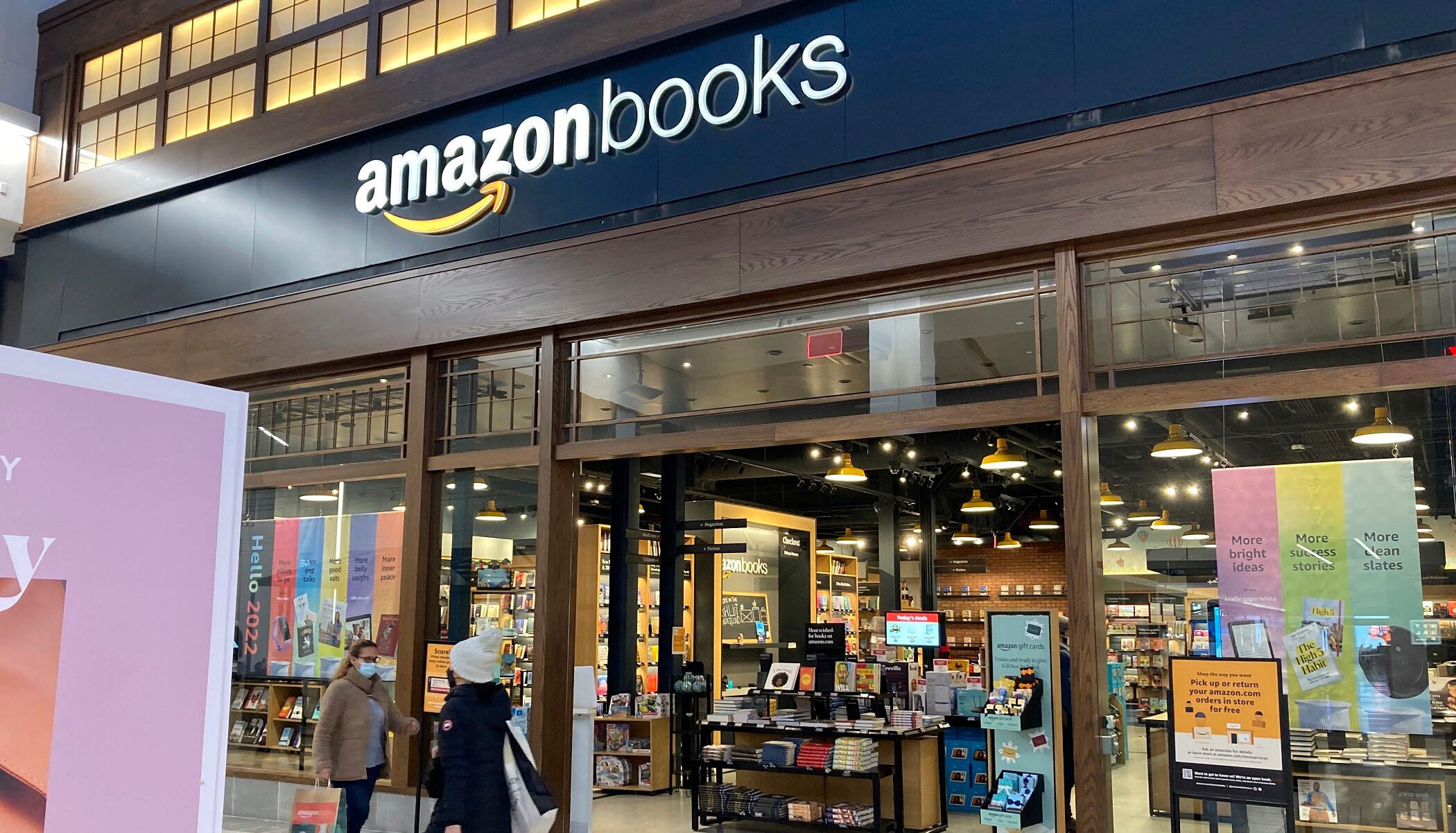
Amazon is confirming it’s closing all of its physical bookstores as well as its 4-star shops and pop up locations as the online behemoth reworks its physical footprint.
As Russia continues to invade Ukraine, its tech outsourcing sector is at risk. Over the past few years, the country has become a popular outsourcing destination for American and European tech companies, but now the future of that industry is uncertain. Isabelle Bousquette, enterprise technology reporter, for The Wall Street Journal, discusses what repercussions the crisis might have on the industry, and what companies are doing to mitigate possible disruptions.