Former Obama Adviser: Big Tech and the Government Aren't Doing Enough
*By Madison Alworth*
Irish regulators have officially launched an investigation into Facebook's latest data breach ー one which could affect 50 million user accounts and is thought to be the single biggest hack of the company's network yet.
The country's Data Protection Commission will now decide whether to fine the social media giant, a penalty that could amount to as much as $1.63 billion.
For Dipayan Ghosh, a former adviser to President Obama and an ex-privacy policy exec at Facebook ($FB) itself, it's a move that should be emulated by U.S. authorities too.
"We do need the U.S. to be bringing forth these regulations for the digital age, because if we leave it to our international competitors, to jurisdictions outside of the United States, it's likely that they will set rules for Silicon Valley, which is an American industry, in a ways that is actually in their interest," Ghosh said in an interview with Cheddar this week.
Ghosh, currently a Pozen Fellow at Shorenstein Center on Media, Politics, and Public Policy at the Harvard Kennedy School, recently published a report titled, ["Digital Deceit: A Policy Agenda to Fight Disinformation on the Internet"](https://www.newamerica.org/public-interest-technology/reports/digital-deceit-ii/executive-summary/?mod=article_inline), in which he argued that tech companies are not only unequipped to properly regulate their content and users’ data, but they’re largely unwilling to do so.
"I think it's long and gone for the industry to take voluntary measures to move by itself and do something for the little guy, for the individual, for the consumer, for the voter," he said. "We have seen the industry have lots of opportunities to do that in the past, and it simply has not taken the right steps to protect the public interest."
Ghosh noted that big tech has been operating much like the Wild West, but U.S. lawmakers are getting wise, and the race to set regulation is on.
But the data breach is only one problem facing the company. News of the hack came only days after the departure of Instagram co-founders [Kevin Systrom and Mike Krieger](https://cheddar.com/videos/instagram-co-founders-call-it-quits) from Facebook. Their exit signals a larger issue at the social media giant — and the timing is significant.
"For its founders to leave after a few years is incredible news. We imagine Facebook as a fantastic, huge technological force and innovative organization," Ghosh said. "And for these two key individuals to be leaving the company at this stage is pretty incredible. It suggests that they want to strike out new and find new opportunities for innovation."
Facebook has been struggling with one bad headline after another for months ー from the Cambridge Analytica scandal, to questionable ad targeting, to misuse of its platform around election. The stock had been able to withstand most of that until this summer. Since its last earnings report in July, shares have lost a full quarter of their value.
For full interview [click here](https://cheddar.com/videos/big-tech-has-big-problems).
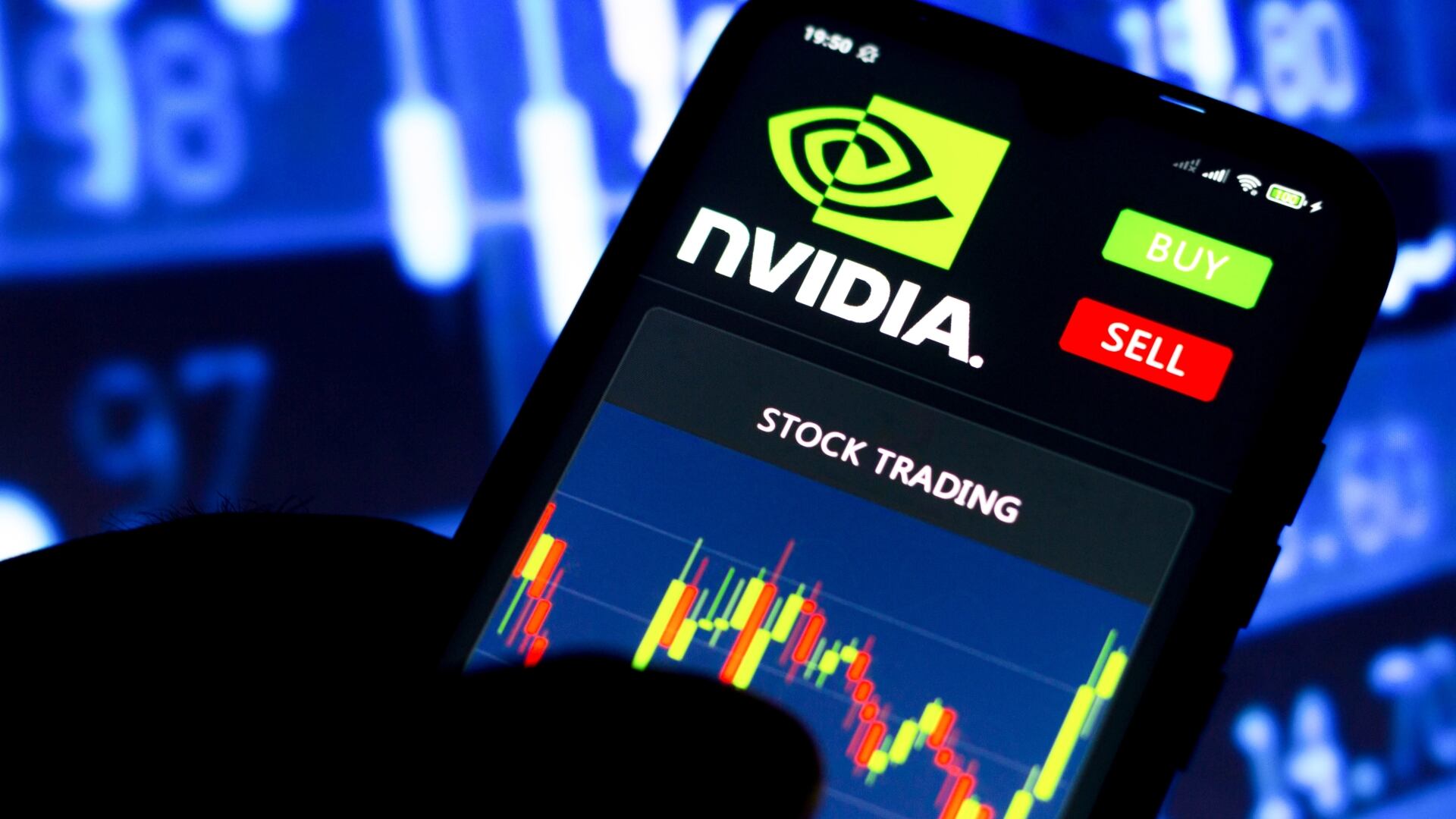
Chipmaker NVIDIA easily beat its third quarter fiscal 2022 earnings expectations, reporting earnings per share of $1.17 on revenue of $7.1 billion, thanks to success in its gaming and data center divisions. The company is also poised for potential success as tech giants like Facebook and Microsoft push forward with metaverse projects and technology. Daniel Newman, Founding Partner and Principal Analyst at Futurum Research, joins Cheddar News' Closing Bell to discuss NVIDIA's earnings results, chipmaker competition, and more.
Bitcoin is getting a makeover. It's the first upgrade in four years for the cryptocurrency. The Taproot update offers greater transaction privacy and efficiency and will unlock the potential for smart contracts. Jeff Roberts, executive editor of Decrypt, joins Cheddar News to breakdown what this upgrade means for investors.
The nation's largest alcohol e-commerce and delivery platform is getting even bigger. Drizly is now collaborating with 7-Eleven to deliver alcohol in under 60 minutes from 7-eleven's 1,200 stores. The companies plan to expand the collaboration in the coming months. Cathy Lewenberg, COO at Drizly, joins Cheddar News to talk about the new collaboration.
Netlify, a platform that builds, deploys and hosts websites and apps, raised $105 million dollars in a Series D round, now valuing the company at $2 billion. Along with the funding, Netlify is also announcing the acquisition of the company OneGraph. Netlify says OneGraph's technology will drive a new wave of innovation on its platform, by making it easier to compose apps with the best developer tools available. Netlify co-founder and CEO Matt Biilmann joined Cheddar News' Closing Bell to discuss.
Chip Paucek, CEO and co-founder of 2U, an educational tech company, joined Cheddar's "Closing Bell" to talk about the company's $800 million acquisition of online course provider edX featuring curriculum from Harvard and MIT. He noted that added services will provide 2U users with high quality, free options. "Us coming together with edX should allow us to really continue to drive affordability for people to unlock their own potential in a variety of different kinds of programs," he said.
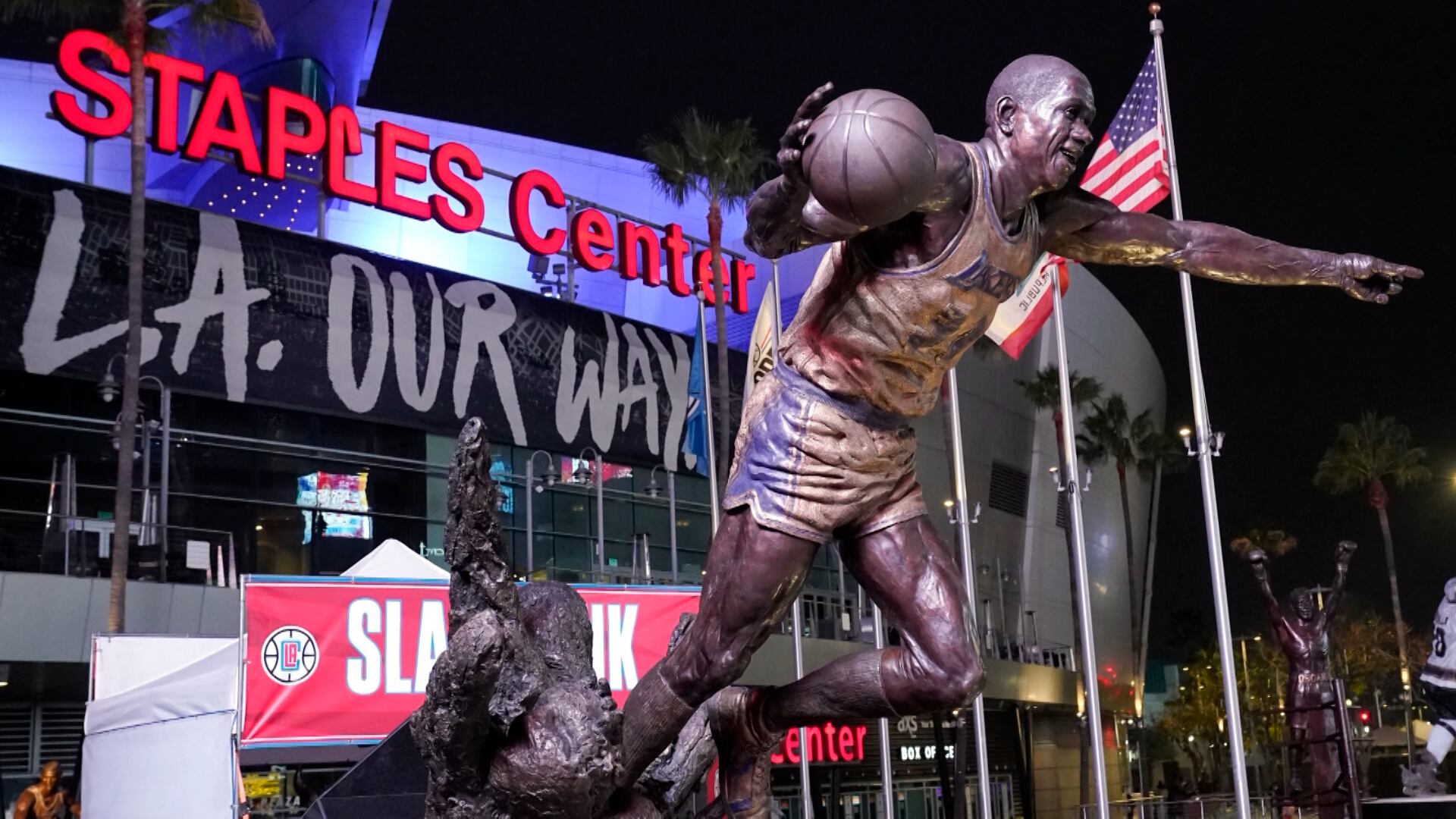
Beginning Christmas Day, the home of the Los Angeles Lakers, Clippers, Kings, and Sparks, the Staples Center, will go by the name Crypto.com Arena after a massive $700 million deal with AEG. Steven Kalifowitz, the chief marketing officer at Crypto.com, and Todd Goldstein, the chief revenue officer at AEG, joined Cheddar to talk about the historic changeover in naming rights and what other changes that fans entering the arena might expect.
Earlier this week, Qualcomm announced an extension of its partnership with BMW as it moves to help build the technology for automated driving. Nakul Duggal, general manager at Qualcomm, joined Cheddar to provide some background on the collaboration and how the company has been able to navigate the global chip shortage amid the pandemic. "We have invested in advance, in very specific packaging capacity and technology, with our suppliers so that we actually have the capacity available to be able to service that demand," Duggal said.