Former Obama Adviser: Big Tech and the Government Aren't Doing Enough
*By Madison Alworth*
Irish regulators have officially launched an investigation into Facebook's latest data breach ー one which could affect 50 million user accounts and is thought to be the single biggest hack of the company's network yet.
The country's Data Protection Commission will now decide whether to fine the social media giant, a penalty that could amount to as much as $1.63 billion.
For Dipayan Ghosh, a former adviser to President Obama and an ex-privacy policy exec at Facebook ($FB) itself, it's a move that should be emulated by U.S. authorities too.
"We do need the U.S. to be bringing forth these regulations for the digital age, because if we leave it to our international competitors, to jurisdictions outside of the United States, it's likely that they will set rules for Silicon Valley, which is an American industry, in a ways that is actually in their interest," Ghosh said in an interview with Cheddar this week.
Ghosh, currently a Pozen Fellow at Shorenstein Center on Media, Politics, and Public Policy at the Harvard Kennedy School, recently published a report titled, ["Digital Deceit: A Policy Agenda to Fight Disinformation on the Internet"](https://www.newamerica.org/public-interest-technology/reports/digital-deceit-ii/executive-summary/?mod=article_inline), in which he argued that tech companies are not only unequipped to properly regulate their content and users’ data, but they’re largely unwilling to do so.
"I think it's long and gone for the industry to take voluntary measures to move by itself and do something for the little guy, for the individual, for the consumer, for the voter," he said. "We have seen the industry have lots of opportunities to do that in the past, and it simply has not taken the right steps to protect the public interest."
Ghosh noted that big tech has been operating much like the Wild West, but U.S. lawmakers are getting wise, and the race to set regulation is on.
But the data breach is only one problem facing the company. News of the hack came only days after the departure of Instagram co-founders [Kevin Systrom and Mike Krieger](https://cheddar.com/videos/instagram-co-founders-call-it-quits) from Facebook. Their exit signals a larger issue at the social media giant — and the timing is significant.
"For its founders to leave after a few years is incredible news. We imagine Facebook as a fantastic, huge technological force and innovative organization," Ghosh said. "And for these two key individuals to be leaving the company at this stage is pretty incredible. It suggests that they want to strike out new and find new opportunities for innovation."
Facebook has been struggling with one bad headline after another for months ー from the Cambridge Analytica scandal, to questionable ad targeting, to misuse of its platform around election. The stock had been able to withstand most of that until this summer. Since its last earnings report in July, shares have lost a full quarter of their value.
For full interview [click here](https://cheddar.com/videos/big-tech-has-big-problems).
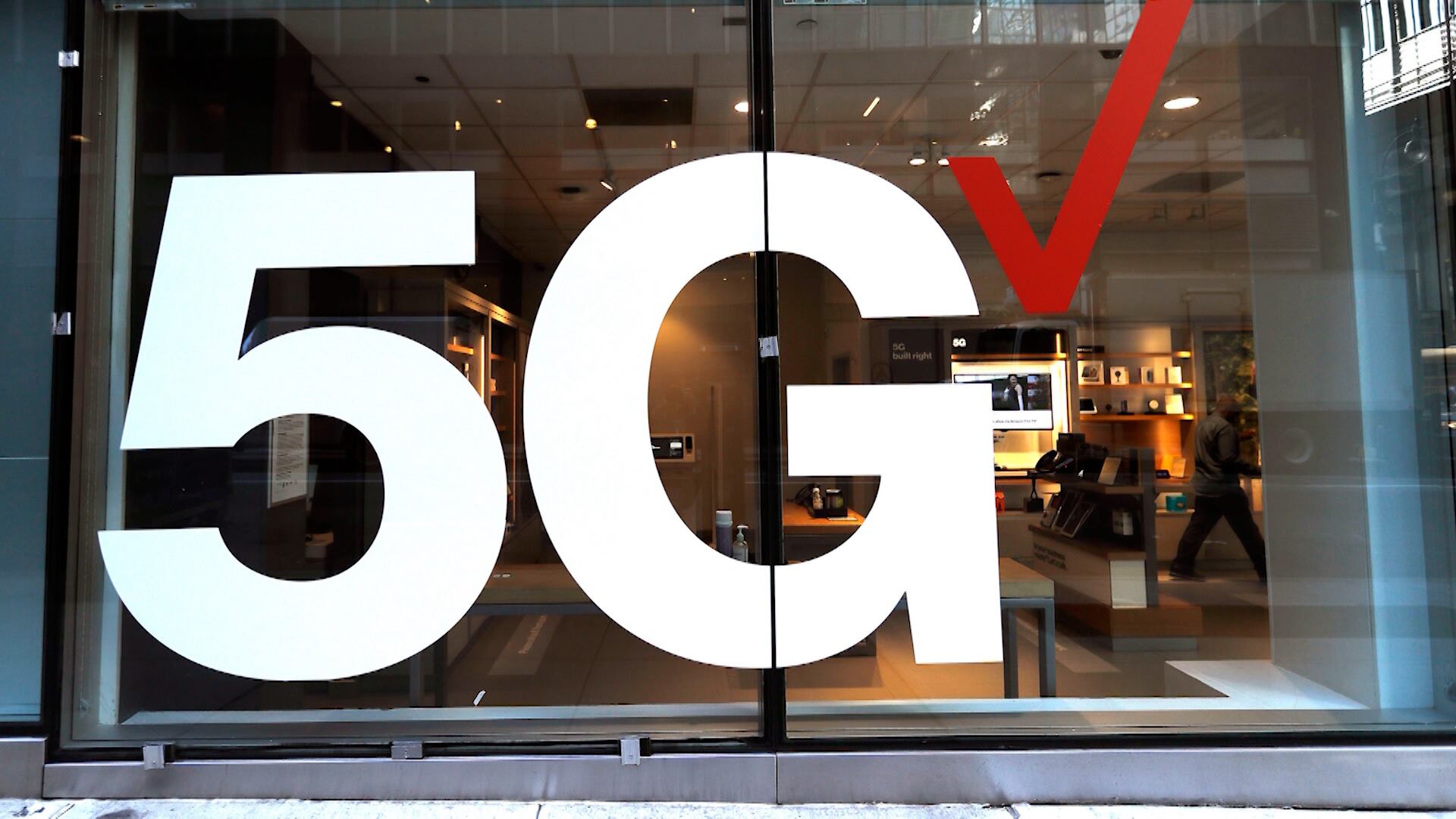
AT&T and Verizon have agreed to delay activating their 5G services around airports due to safety concerns. This comes after major U.S. airlines voiced their concern over the rollout of 5G technology, warning of an impending "catastrophic" aviation crisis. Hugh Odom, founder and president of Vertical Consultants, telecom expert, and former AT&T attorney, joined Cheddar Movers to discuss.
Tech giants Meta, Amazon, Alphabet, and Apple are faced with a bipartisan antitrust legislation effort underway in the Senate Judiciary Committee. The companies stand accused of promoting their own goods and services over smaller competitors on their platforms, holding too much monopolistic power via their app stores and services. Adam Kovacevich, founder and CEO of Chamber of Progress, a technology industry trade group, joined Cheddar to argue that the bills that are being debated currently could end up hurting consumers, rather than helping.
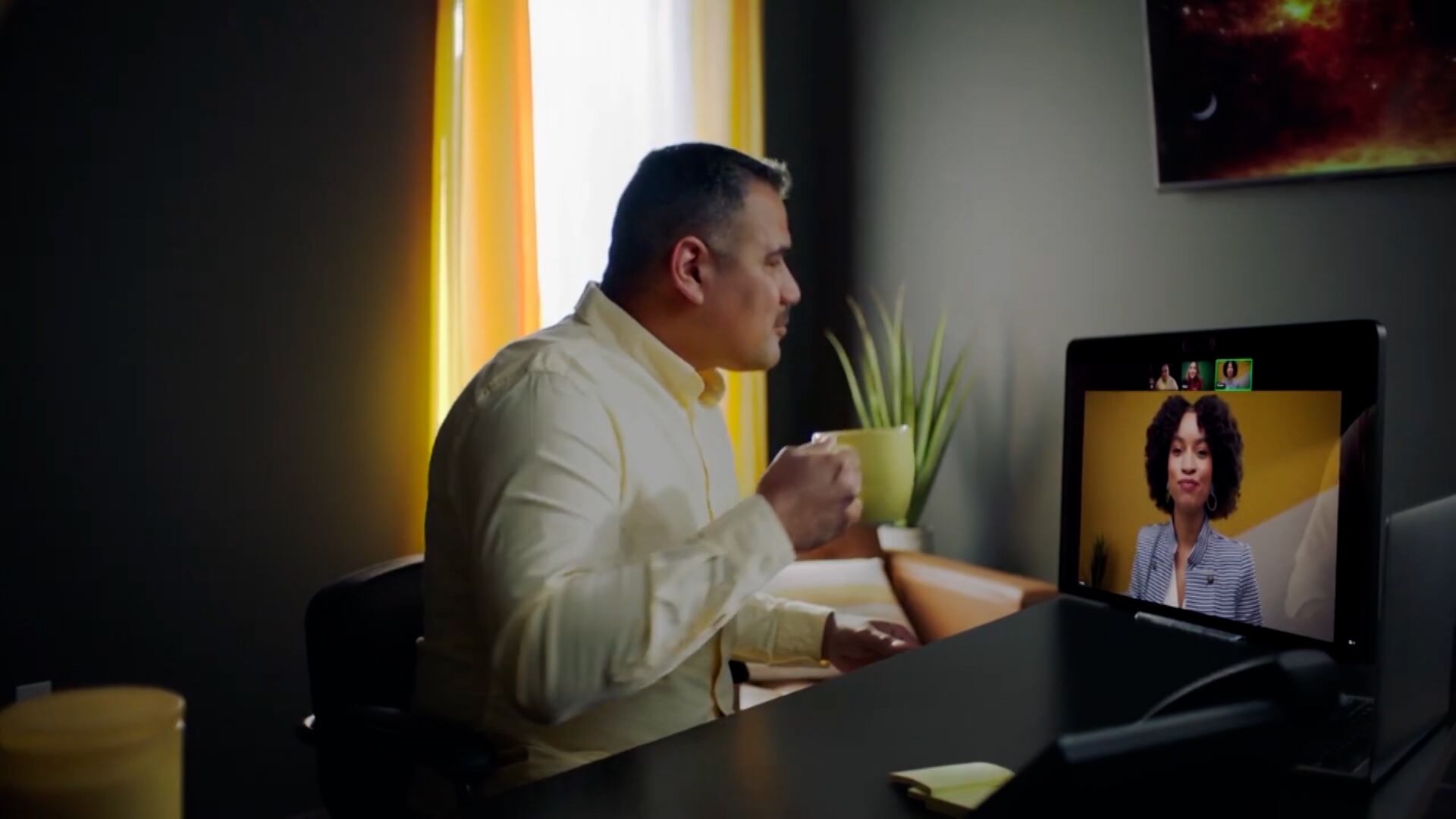
A saving grace for offices during pandemic lockdowns, video communication platform Zoom announced its own plans for doors to reopen from its Work Transformation Summit 2022. Dubbed Workstyles, CFO Kelly Steckelberg joined Cheddar to discuss the self-reported, tiered levels for how employees will be reporting going forward, from the majority of workers going hybrid to personnel who will work fully from home or the office where it makes sense. Steckelberg also talked about the company's plans for the future, stating “what we can control is our own execution," as Zoom's stock hit a 52-week low.
Sebastien Lagree, creator and founder of Lagree Fitness, joins Cheddar News to talk about the growth of Lagree Fitness and industry trends to watch in 2022.
Nikhilesh De, managing editor of global regulation and policy at CoinDesk, joins Cheddar News to discuss Bitcoin's slump and corporations' growing interest in NFTs.
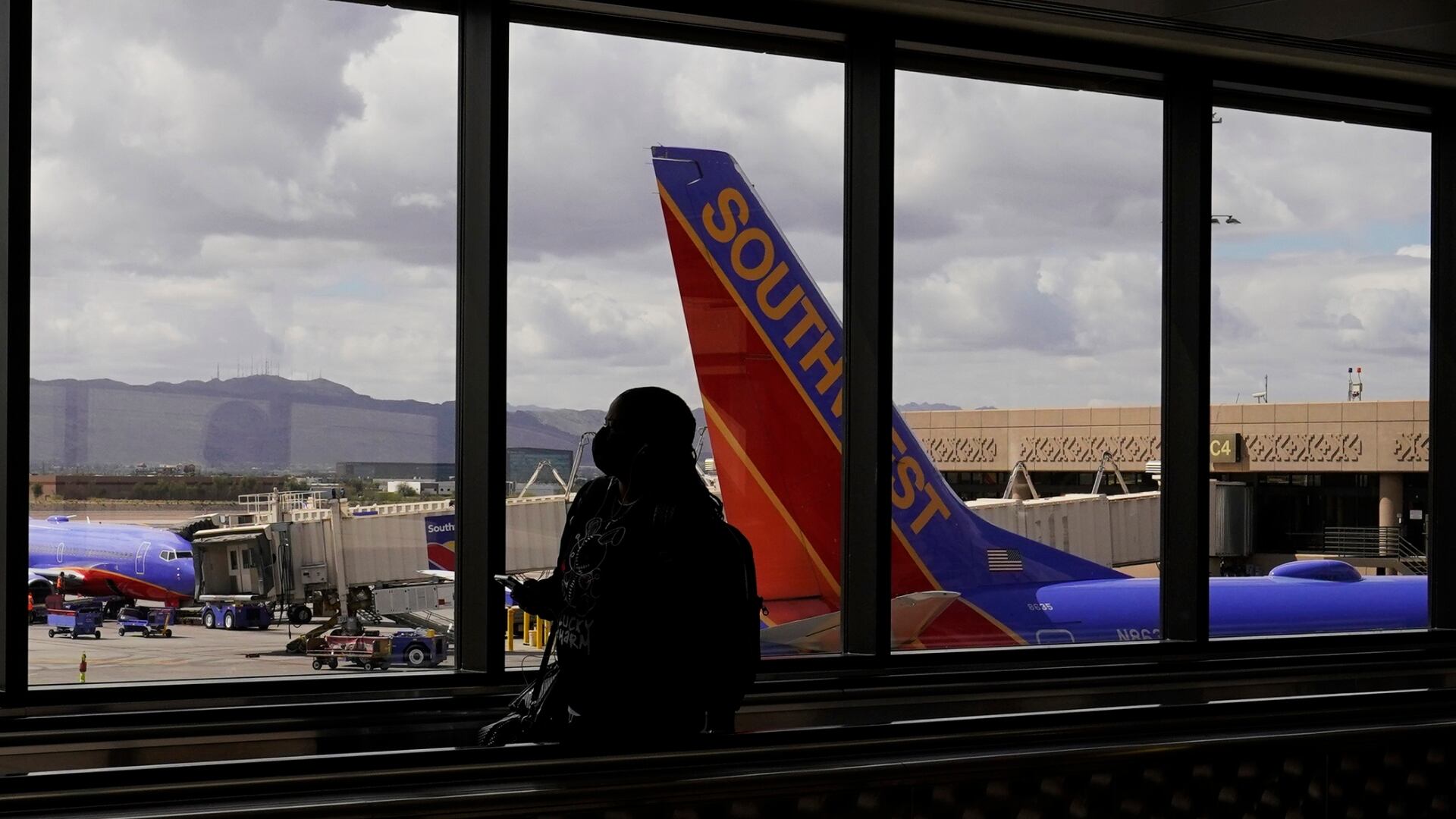
Airlines around the world cancel or change flights ahead of Verizon and AT&T's 5G rollout. The two wireless companies agreed to temporarily delay the launch of the new service near some key airports, after airlines warned the 5G signals could interfere with certain aviation equipment. Jonathan Adelstein, president and CEO of the Wireless Infrastructure Association, joined Cheddar News to discuss.
Thrive Market is a health-first membership for conscious living, with a mission to make healthy and sustainable living easy and accessible. Nick Green, CEO and co-founder, chatted with Cheddar's Baker Machado about the company's approach and new ventures in 2022. "I grew up outside of Minneapolis, middle class, middle America, and really saw firsthand how hard my mom had to work to put healthy food on the table, on a budget, without a health food store nearby," he said. "Twenty-some years later we looked around and just thought it was crazy that millions of Americans are still struggling with the same thing, and we decided to change it." Recently the brand released a line of organic frozen products and will be introducing new beauty and home brands.
In the ongoing saga of AT&T and Verizon versus airlines over the U.S. rollout of 5G near airports, the telecom giants have agreed to delay some deployments. The decision came after arguments that the technology could pose a threat to the safety and security of flights. However, AT&T countered that airlines had two years to prepare for this rollout date.