*By Conor White*
President Trump took his latest shot at the New York Times Friday, [calling on Attorney General Jeff Sessions](https://www.cnn.com/2018/09/07/politics/donald-trump-jeff-sessions-investigation/index.html) to investigate the publication and find out who wrote the anonymous op-ed that rocked the White House this week.
While the president has threatened to take action, legal experts haven't suggested the Times violated any laws in posting the piece, but the question of whether it *should* have remains.
"I think it was ethically fine," Margaret Sullivan, Washington Post media columnist and former Public Editor for the New York Times, said Friday in an interview on Cheddar. "I think they do run up against some issues if they also decide to have reporters reveal the identity."
In most newsrooms, the opinion and news sections operate as separate entities. But they may collide if the Times' own reporters begin to dig for answers, Sullivan said.
"This op-ed piece was published by the opinion section, the news section presumably is free to pursue the story, but whether that separation is really going to be honored and be understood is another question."
The paper should prepare for a legal battle, and the author should ready him or herself for the consequences, Sullivan said. After all, it seems Trump is arming himself for war.
"We're looking at it very strongly from a legal point," the president said to reporters before boarding Air Force One on Friday. "We're going to take a look at what he had, what he gave, what he's talking about, also where he is right now."
Trump has called the writer "gutless," and while Sullivan doesn't agree with that sentiment, she acknowledged that the anonymous nature of the piece is something of a detractor.
"If you're going to say something like this that's so negative and so detrimental, it would be much more important to put your name behind it," she said.
The Times only identified the writer as a "senior official". Many of President Trump's advisers, including Mike Pence, Steve Mnuchin, Sarah Huckabee Sanders, Mike Pompeo, and Nikki Haley, have adamantly denied they are behind the piece.
But Sullivan doesn't think the author will be hidden for long.
"I don't think this is going to be a case like Watergate's Deep Throat, where the person, Mark Felt, was a secret for actually decades from almost everyone, I think we're going to know who this person is."
For full interview [click here](https://cheddar.com/videos/should-the-new-york-times-have-published-trump-op-ed).
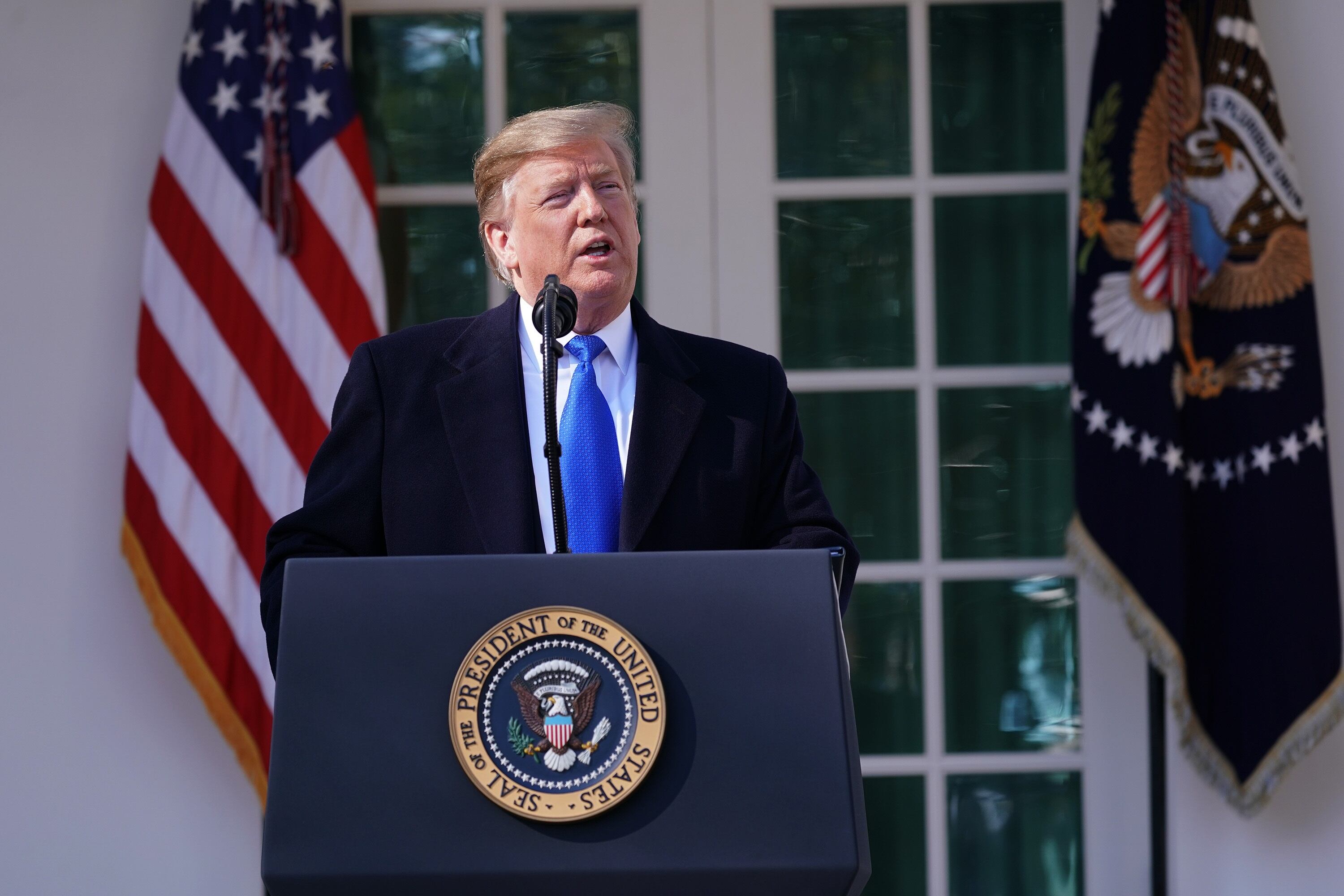
The National Emergencies Act of 1976 was passed in an attempt to regulate the president's ability to declare open-ended national emergencies. The point of the law, commentators said at the time, was to give Congress the power of oversight on matters of national urgency. It is perhaps ironic then that President Trump announced he will, under the provisions of that law, declare a national emergency as a way to circumvent Congress and build a border wall.
These are the headlines you Need 2 Know for Friday, Feb, 15, 2019.
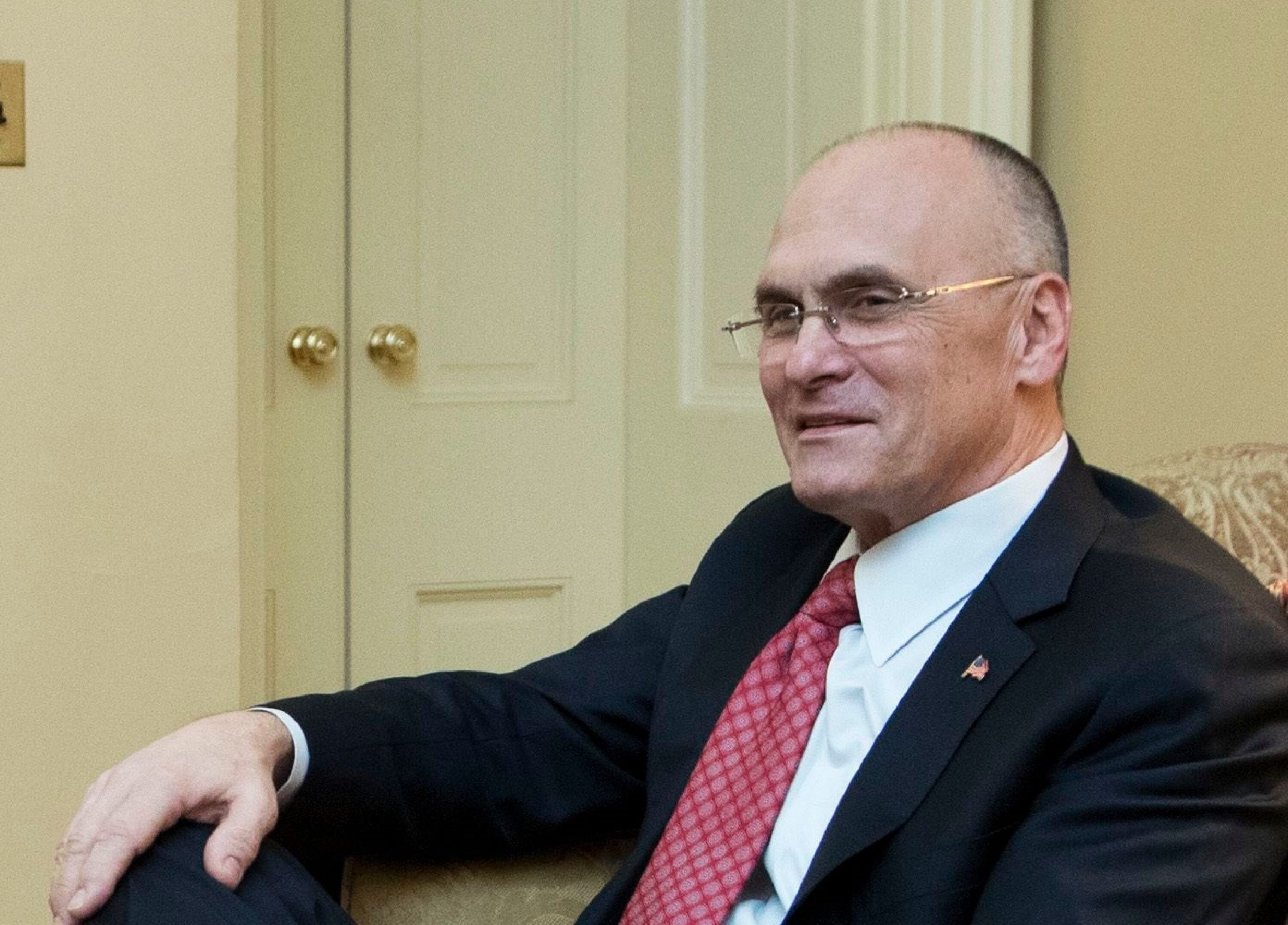
Amazon's decision to pull its new HQ2 out of New York City is very bad for the city ー and a sign that the home of Wall Street is falling victim to anti-business attitudes, according to former CKE Restaurants CEO Andy Puzder. "I think it's a hit to the New York economy. New York is a big city, it's a strong city, but it used to be the home to capitalism. Now it's coming under some of these socialist policies and it's going to lose companies like Amazon ($AMZN)," Puzder told Cheddar on Thursday.
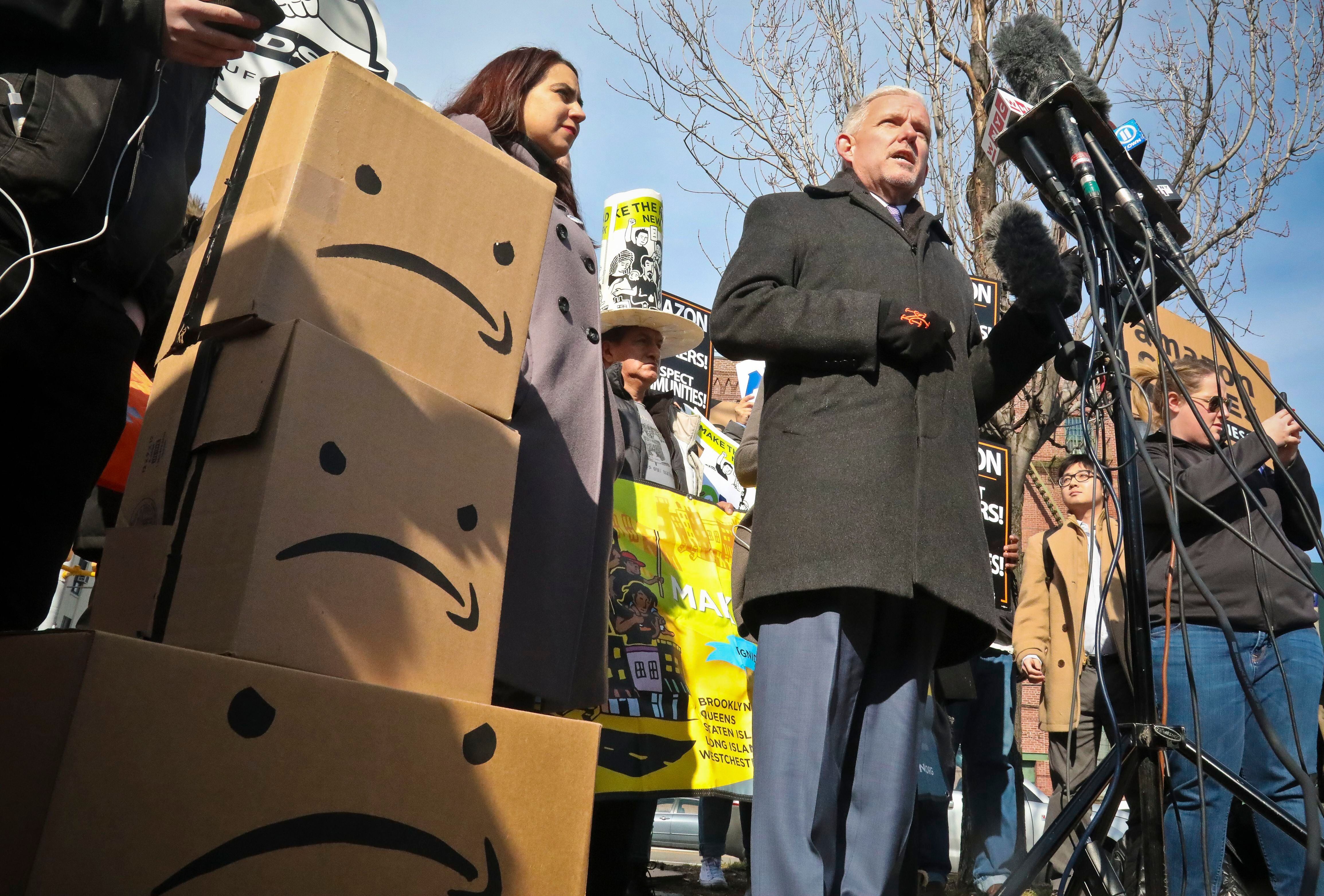
Amazon has backed out of its plan to build a second headquarters in Queens, New York. The abrupt decision shocked even those who opposed Amazon's planned expansion in Long Island City. Cheddar spoke with Jimmy Van Bramer, deputy leader of the New York City Council.
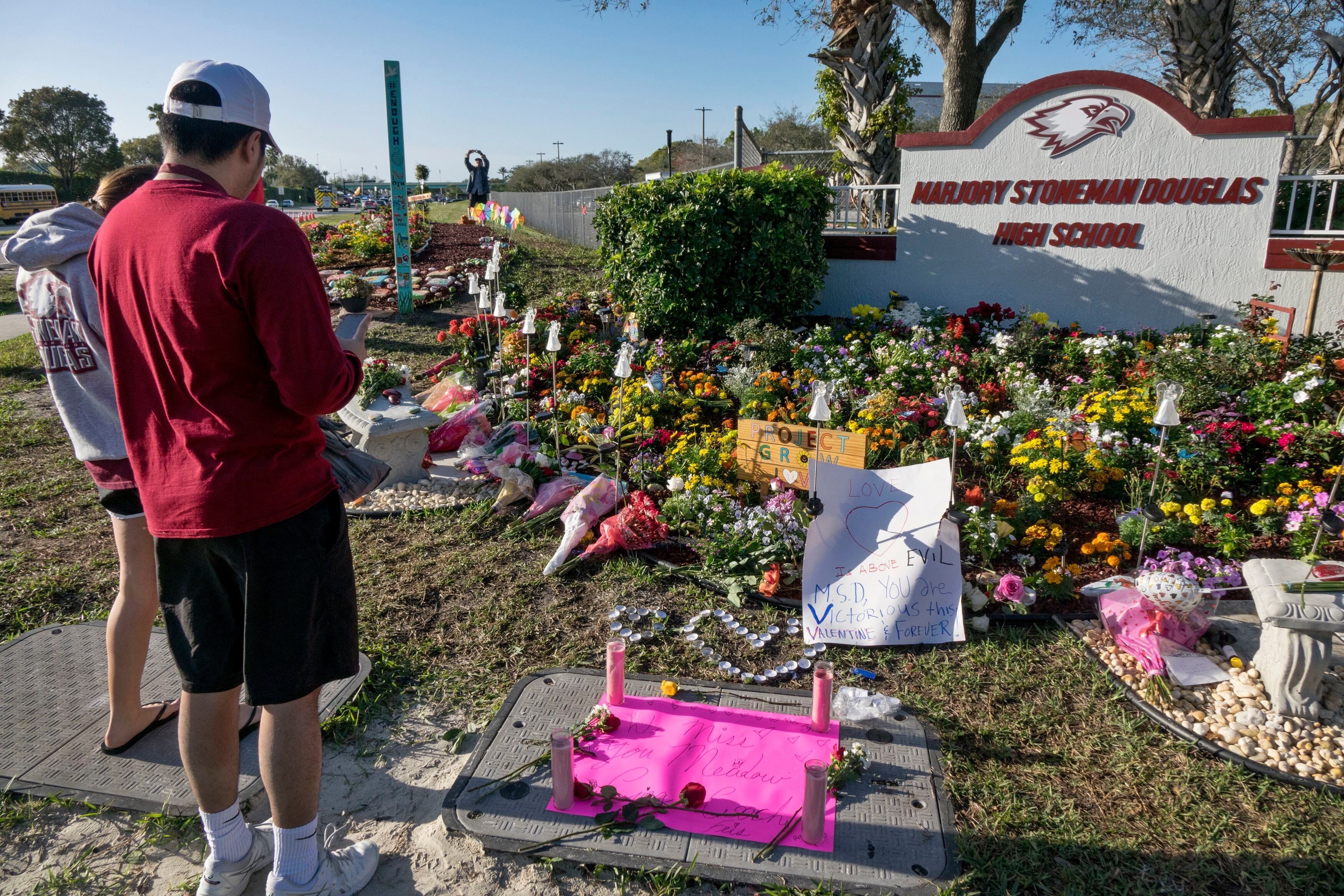
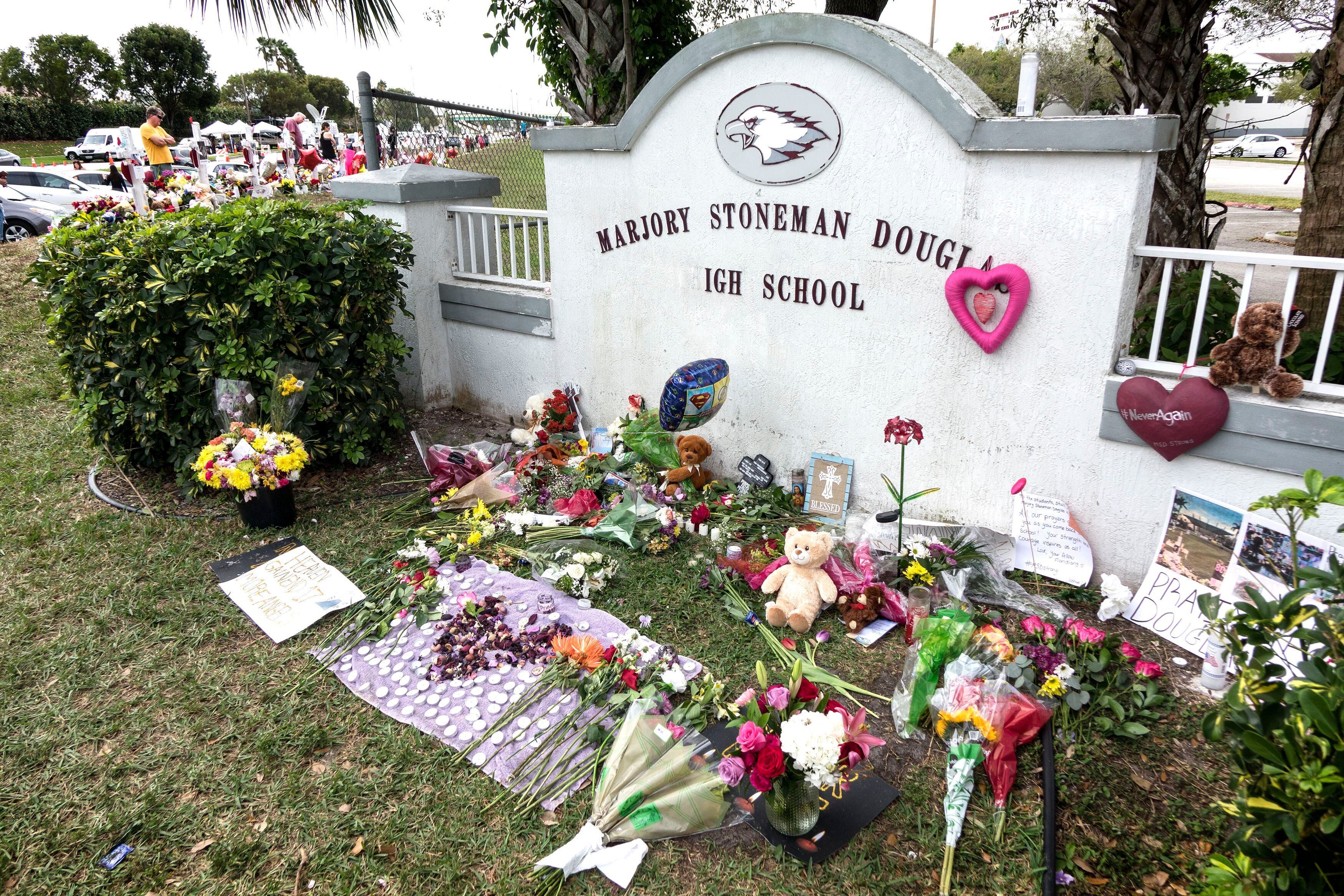
A day before the anniversary of the Parkland shooting, a massacre that re-framed the debate over gun control as a defining cause of Gen Z, Congress advanced its first piece of gun legislation in decades. Rep. Debbie Mucarsel-Powell, a newly elected Democrat from a Parkland-adjacent district who sits on that committee, discussed the victory with Cheddar.
These are the headlines you Need 2 Know for Thursday, Feb. 14, 2019.
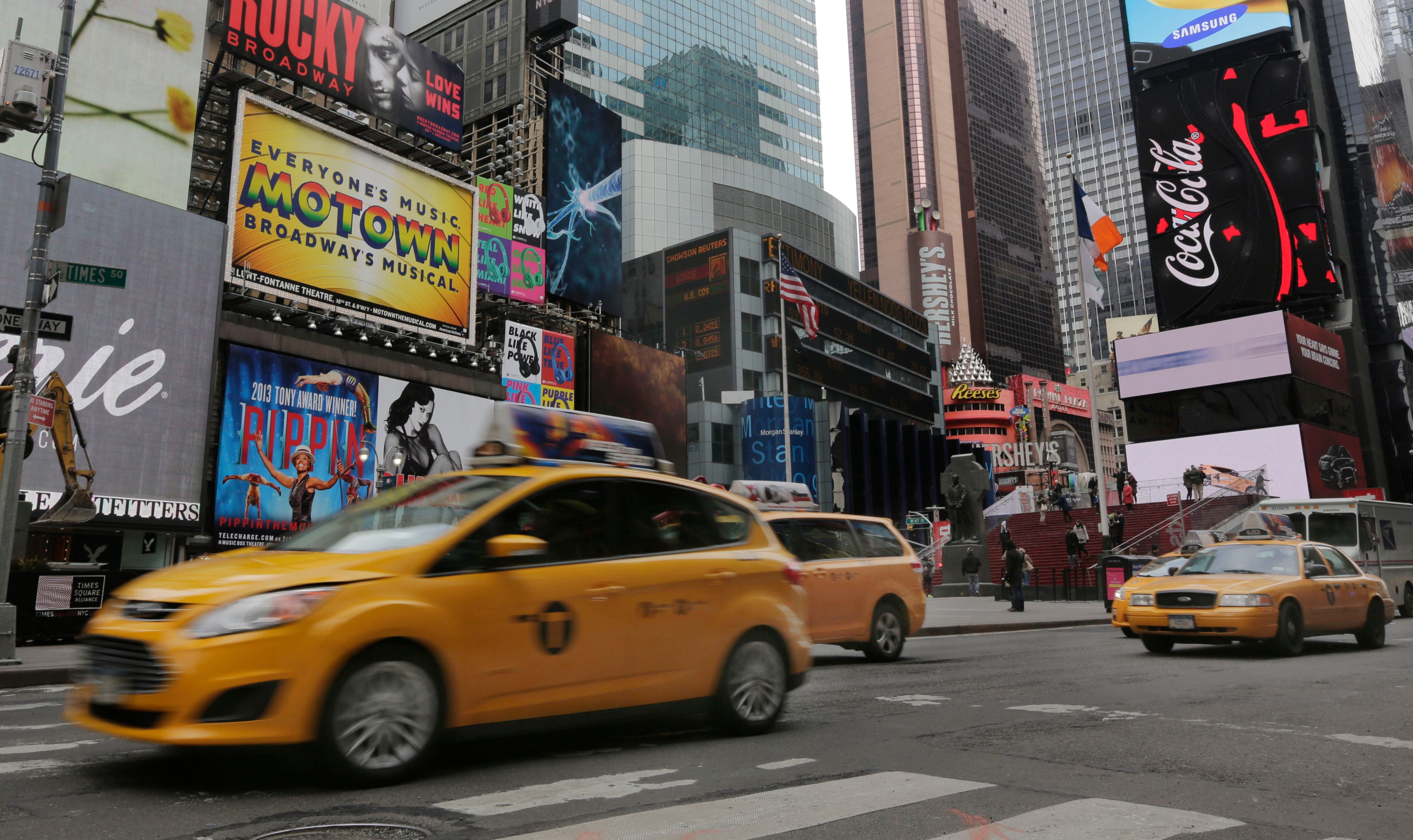
Catching a ride in New York just got more expensive, and passengers aren't the only ones complaining. "It's a problem for the drivers," Aleksey Medvedovskiy, the president of NYC Taxi Group, told Cheddar Wednesday. "It's a problem for the general public."
These are the headlines you Need 2 Know for Wednesday Feb. 13, 2019.
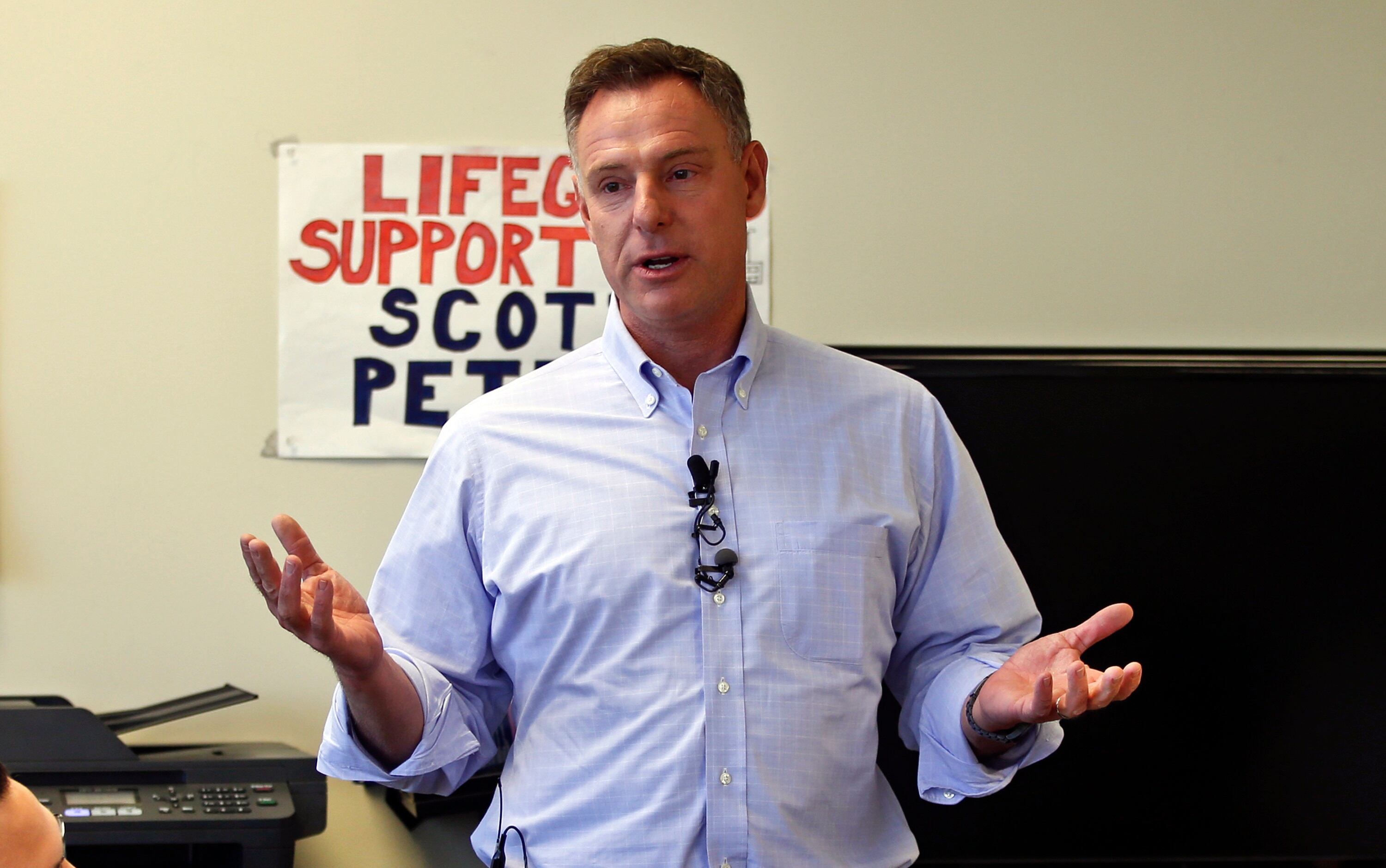
The daunting task of paying back astronomical student loans may soon be less taxing, California Congressman Scott Peters tells told Cheddar Tuesday. Rep. Peters (D-Calif.) has received 99 co-sponsors on his bipartisan Employer Participation in Repayment Act, which would allow employers to contribute to their employees' student loan payments, tax-free.
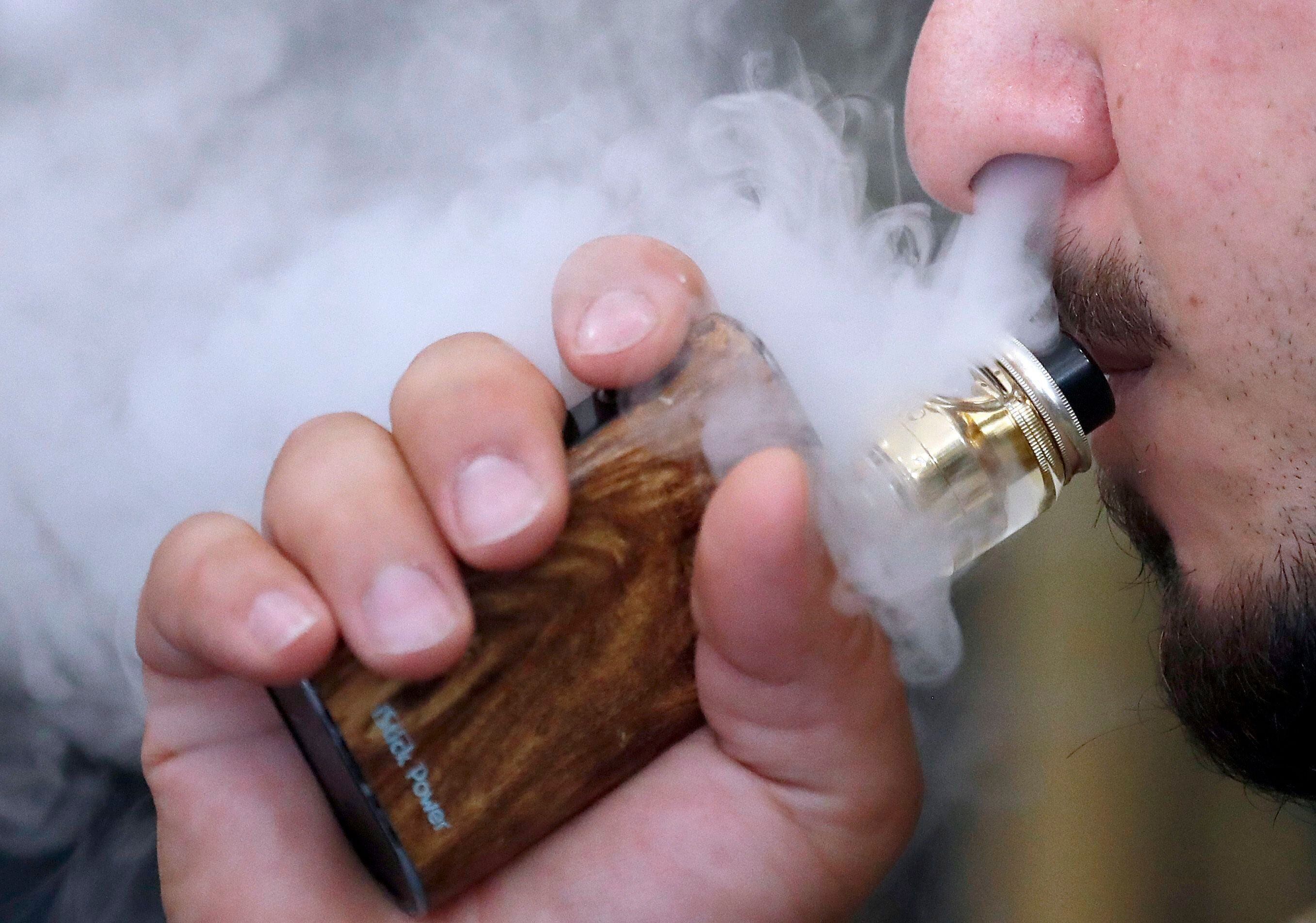
The shocking rise in teen vaping is a public health crisis that the FDA has been slow to address, according to a nationally recognized cardiologist. Dr. Kevin Campbell, who is also CEO of Pace Mate, a digital cardiac monitoring service, said the recent study from the CDC that linked vaping to a spike in teen tobacco use shows that more serious steps need to be take. The first step? Get rid of the flavored nicotine "pods," which Campbell said are acting as a gateway for teenage beginner vapers to get hooked on nicotine.