Former Netflix Exec: Personalization Crucial to Company's Success
*By Bridgette Webb*
Netflix has gone through a whirlwind of changes since its 1997 launch. Evolving from a DVD rental company to a global leader in video streaming that's disrupted an entire industry.
And a key reason for its growth, according to the company's vice president of product Gibson Biddle, has been the its ability to deliver personalized recommendations.
"Even in the early days, we were trying to get to know a member and their movie taste...and then magically connect them through algorithms," Biddle said in an interview on Cheddar Wednesday."
That strategy has helped Netflix grow its subscriber base to 125 million users worldwide. That reach is something that originally seemed outrageous to Biddle.
"In 2005 we put it out there that by 2010 we'd have 20 million subscribers," he said. "That felt audacious at the time."
Biddle left Netflix in 2010 and served as Chief Product Officer at Chegg until 2015.
Netflix reports earnings after the bell on Monday. It's expected to have added 6.2 million subscribers in the quarter, bringing its total to 131.2 million globally.
For the full segment, [click here.](https://cheddar.com/videos/netflixs-evolution)
If you're shopping on Amazon and want to save even more money after Prime Day, Cheddar News has got you covered. Senior reporter Michelle Castillo talked to the experts at the company to find out how you can keep an eye on deals and even get cash back on your household purchases.
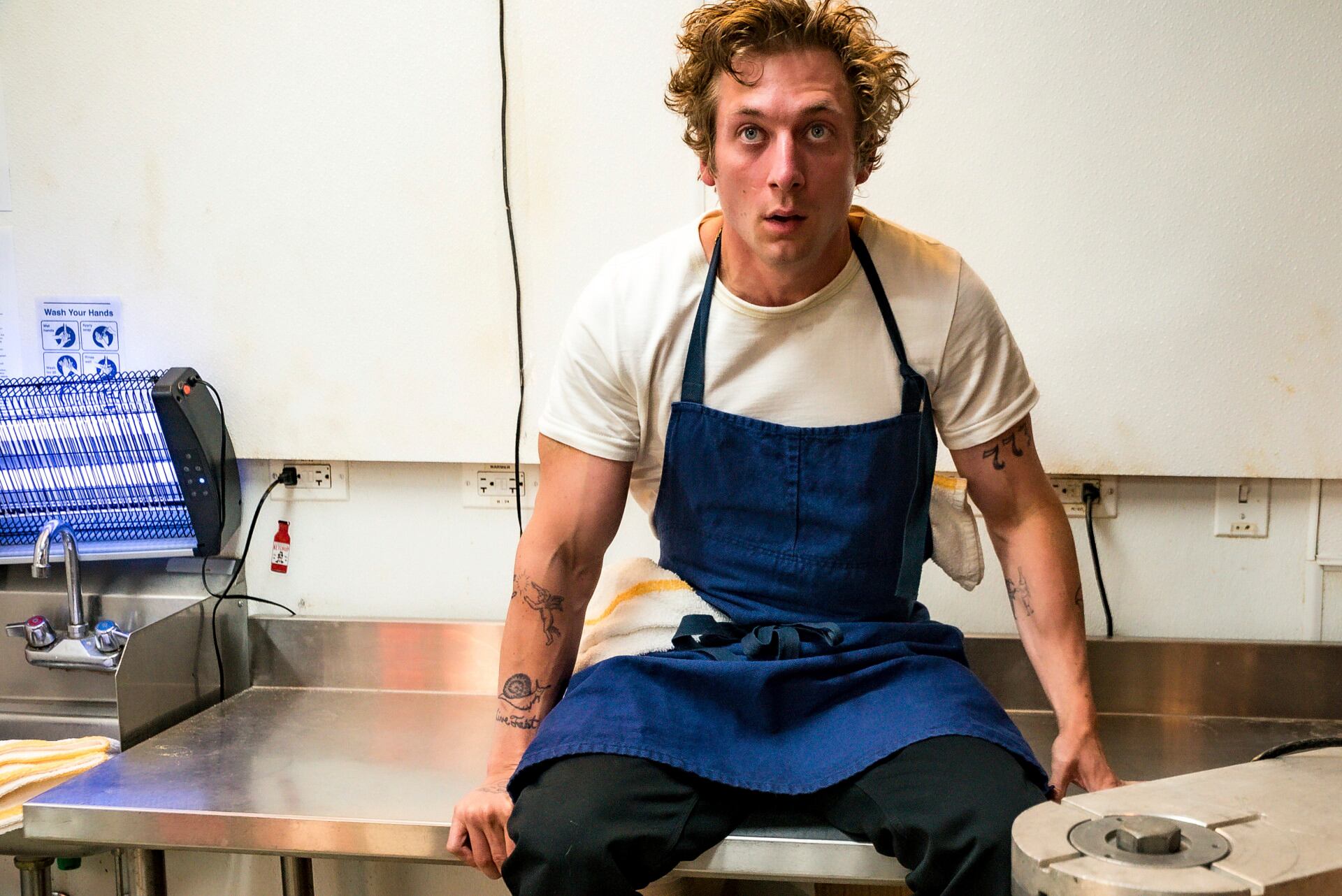
Did you happen to watch the series The Bear? The show follows a struggling small business owner in Chicago who is trying to save his business. It's a story a lot of small business owners in the U.S. can relate to. To help out these struggling entrepreneurs, Cheddar News brought on an expert here to help take your company from stressful to successful.
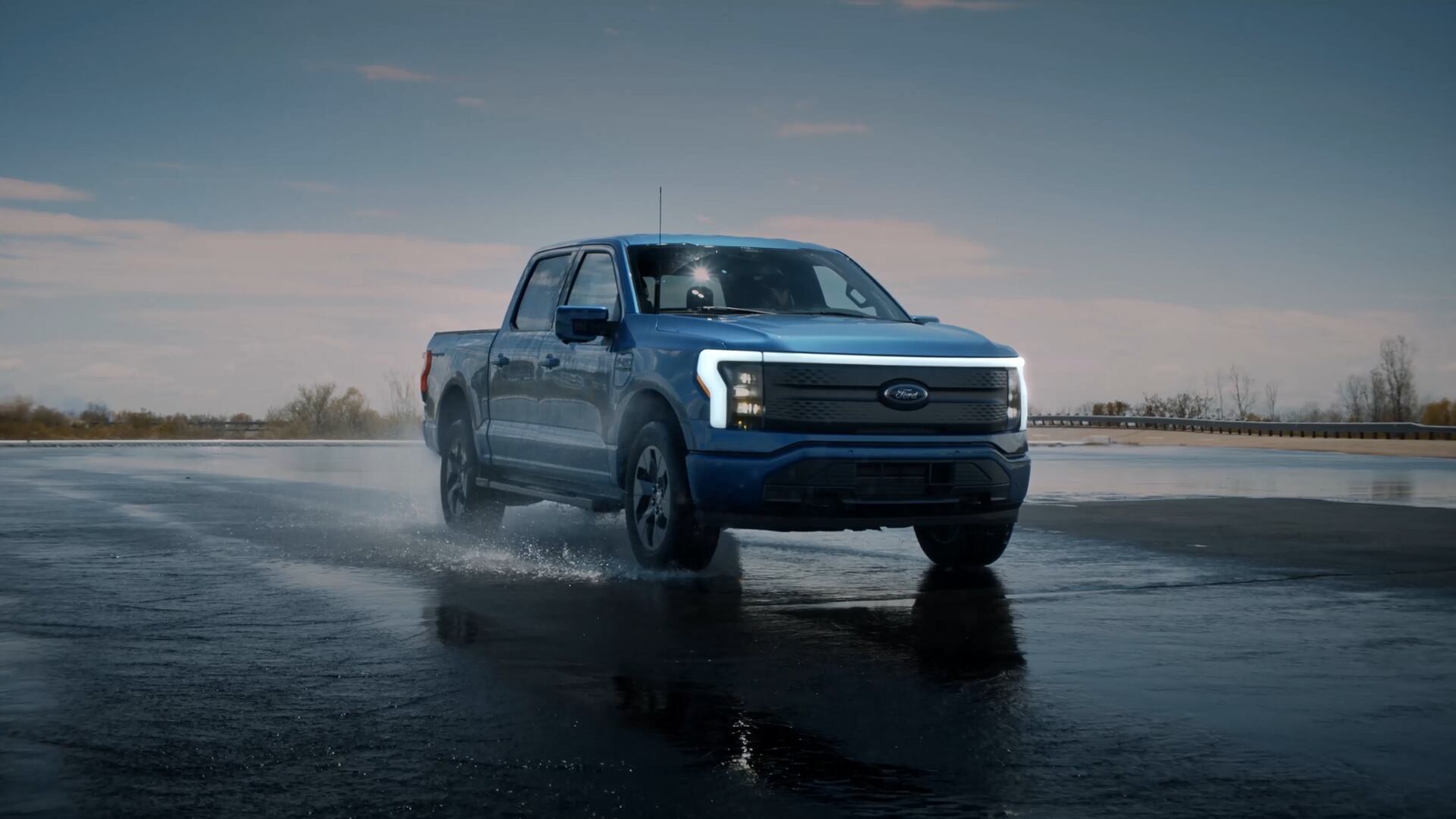
The sticker prices for Ford's F-150 Lightning electric pickup trucks are being lowered by thousands of dollars across the board, the company said Monday, due to increased plant capacity, falling costs for battery raw materials and internal efforts to scale production by the Detroit automaker.
United Airlines and the union representing its pilots said Saturday they reached agreement on a contract that will raise pilot pay by up to 40% over four years.
The court’s ruling applies to higher education institutions and other entities that receive federal funding and doesn’t directly change private employer obligations, but business leaders might pull back diversity, equity and inclusion programs to avoid lawsuits.