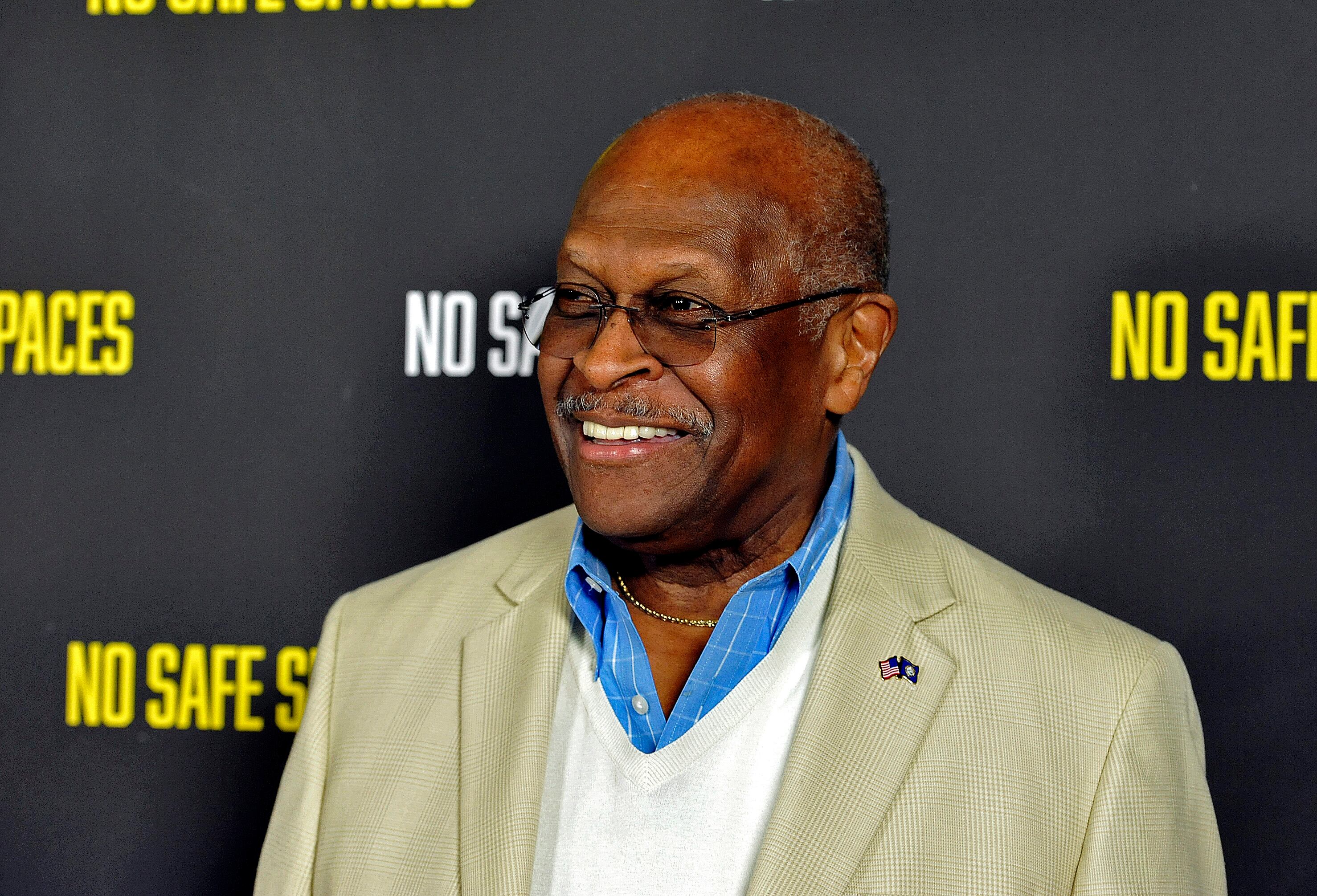
Former presidential candidate Herman Cain attends the premiere of the film "No Safe Spaces" at TCL Chinese Theatre on November 11, 2019 in Hollywood, California. (Photo by Michael Tullberg/Getty Images)
Updated 11:32 pm ET
Herman Cain, former Republican presidential candidate and former CEO of a major pizza chain who went on to become an ardent supporter of President Donald Trump, has died of complications from the coronavirus. He was 74.
A post on Cain's Twitter account on Thursday announced the death. Cain had been ill with the virus for several weeks. It's not clear when or where he was infected, but he was hospitalized less than two weeks after attending Trump's campaign rally in Tulsa, Oklahoma, in June. Cain had been co-chair of Black Voices for Trump.
"We knew when he was first hospitalized with COVID-19 that this was going to be a rough fight," read an article posted on the Twitter account. "He had trouble breathing and was taken to the hospital by ambulance. We all prayed that the initial meds they gave him would get his breathing back to normal, but it became clear pretty quickly that he was in for a battle."
Cain, who had hoped to become the first Black to win the GOP nomination, was initially considered a long-shot candidate. His bid was propelled forward in September 2011 when he won a straw poll vote in Florida, instantly becoming an alternative candidate for Republican voters concerned that former Massachusetts Gov. Mitt Romney was not conservative enough.
But he struggled to respond to accusations that he had sexually harassed several women and — in a video that went viral on the Internet — rambled uncomfortably when asked whether he supported or opposed President Barack Obama's policies in Libya. There were also gaffes on abortion and torture that led Cain's critics to question whether he was ready for the White House.
The centerpiece of Cain's campaign was his 9-9-9 plan, which would have replaced the current tax code with a 9 percent tax on personal and corporate income and a 9 percent national sales tax. Cain said the plan's simplicity would stimulate the economy by giving investors certainty. A Baptist preacher who made money giving motivational speeches, Cain had a talent for selling his ideas to conservative audiences with a straightforward style.
"If 10 percent is good enough for God, 9 percent ought to be good enough for the federal government," he told crowds.
As negotiations drag on in Washington, DC over President Biden's social spending bills, Senate Democrats have introduced a new idea to fund Biden's plans: taxing the unrealized capital gains held by billionaires. Barron's reporter Sabrina Escobar joins Cheddar News' Closing Bell, where she explains what's in the billionaire tax proposal, who it will impact, and why it's on the table.
Hunter Walker joins Cheddar News to talk about his report in Rolling Stone that revealed how members of Congress and the White House helped plan the protest that turned violent on January 6.
Jill and Carlo discuss the pending approval for Pfizer's vaccine for kids, the state of anti-Semitism three years after Tree of Life, potential criminal charges in the 'Rust' prop gun shooting and more.
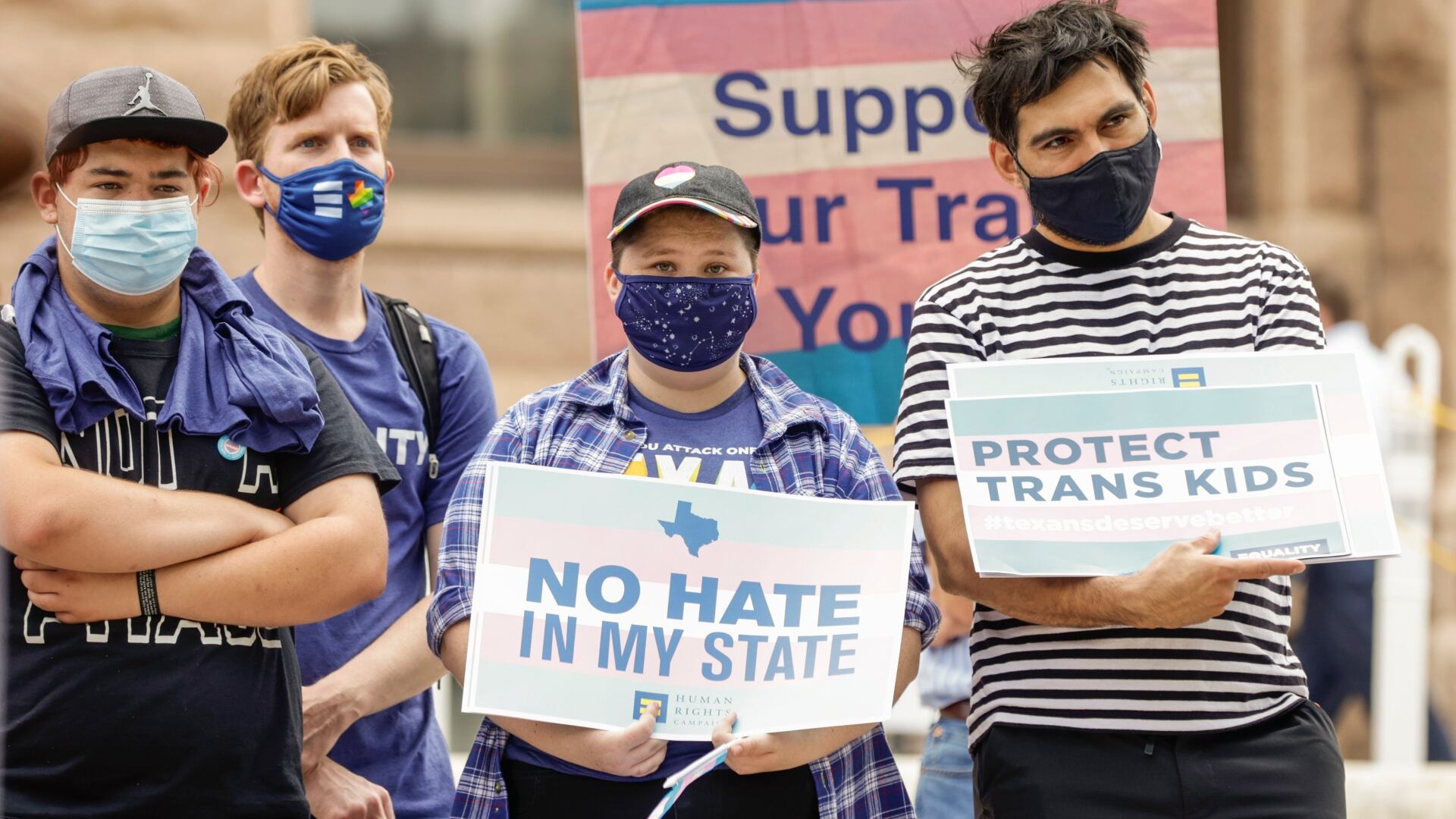
Texas Governor Greg Abbott, a Republican, signed a bill into law on Tuesday that restricts transgender students from playing on sports teams that correspond with their gender identity. Democratic State Representative Mary E. Gonzalez joined Cheddar to discuss the ramifications for transgender youth the new law represents. She also disputed the bill's proponents who argue that the measure is a matter of fairness for girls in sports, noting that various medical groups have affirmed that transgender athletes do not inherently hold an advantage over cisgender ones.
COP26 been dealt a blow as Chinese President Xi Jinping and Russian President Vladimir Putin, whose countries are responsible for a third of the world's annual greenhouse gas emissions, will not be in attendance. Bertrand Piccard, Chairman and Founder of the Solar Impulse Foundation, joins Cheddar Climate, where he discusses what he expects to see when the summit commences in Glasgow.
Social media platforms TikTok, Snapchat, and YouTube are facing questions in DC about consumer protections, data security, and product safety for young users. Emily Birnbaum, tech lobbying and influence reporter at Politico, joined Cheddar to provide some background into what led to the congressional hearing and the potential outcome. Birnbaum noted that social media platforms have been attempting to distance themselves from Facebook and the ongoing bad press it garnered in recent months.