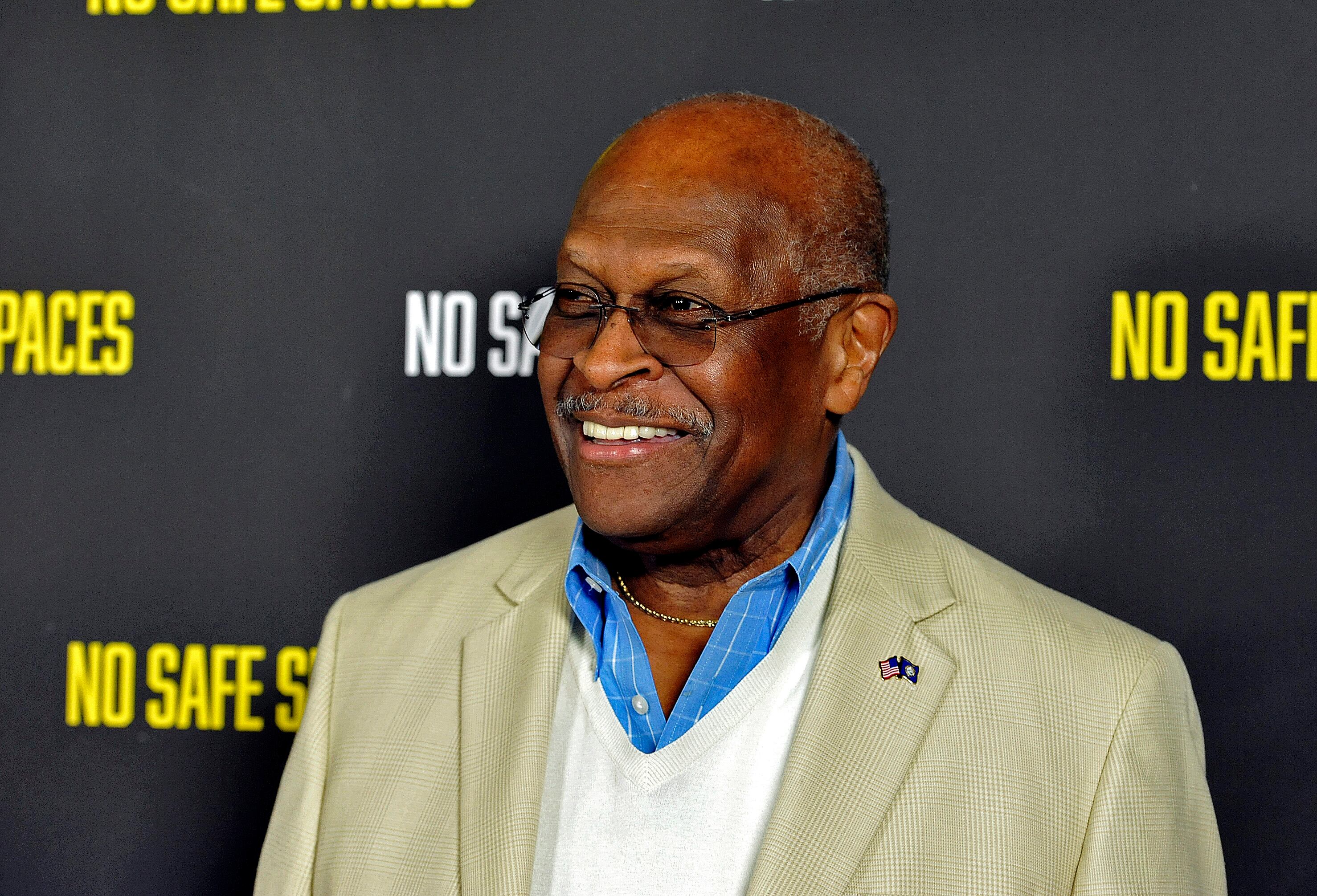
Former presidential candidate Herman Cain attends the premiere of the film "No Safe Spaces" at TCL Chinese Theatre on November 11, 2019 in Hollywood, California. (Photo by Michael Tullberg/Getty Images)
Updated 11:32 pm ET
Herman Cain, former Republican presidential candidate and former CEO of a major pizza chain who went on to become an ardent supporter of President Donald Trump, has died of complications from the coronavirus. He was 74.
A post on Cain's Twitter account on Thursday announced the death. Cain had been ill with the virus for several weeks. It's not clear when or where he was infected, but he was hospitalized less than two weeks after attending Trump's campaign rally in Tulsa, Oklahoma, in June. Cain had been co-chair of Black Voices for Trump.
"We knew when he was first hospitalized with COVID-19 that this was going to be a rough fight," read an article posted on the Twitter account. "He had trouble breathing and was taken to the hospital by ambulance. We all prayed that the initial meds they gave him would get his breathing back to normal, but it became clear pretty quickly that he was in for a battle."
Cain, who had hoped to become the first Black to win the GOP nomination, was initially considered a long-shot candidate. His bid was propelled forward in September 2011 when he won a straw poll vote in Florida, instantly becoming an alternative candidate for Republican voters concerned that former Massachusetts Gov. Mitt Romney was not conservative enough.
But he struggled to respond to accusations that he had sexually harassed several women and — in a video that went viral on the Internet — rambled uncomfortably when asked whether he supported or opposed President Barack Obama's policies in Libya. There were also gaffes on abortion and torture that led Cain's critics to question whether he was ready for the White House.
The centerpiece of Cain's campaign was his 9-9-9 plan, which would have replaced the current tax code with a 9 percent tax on personal and corporate income and a 9 percent national sales tax. Cain said the plan's simplicity would stimulate the economy by giving investors certainty. A Baptist preacher who made money giving motivational speeches, Cain had a talent for selling his ideas to conservative audiences with a straightforward style.
"If 10 percent is good enough for God, 9 percent ought to be good enough for the federal government," he told crowds.
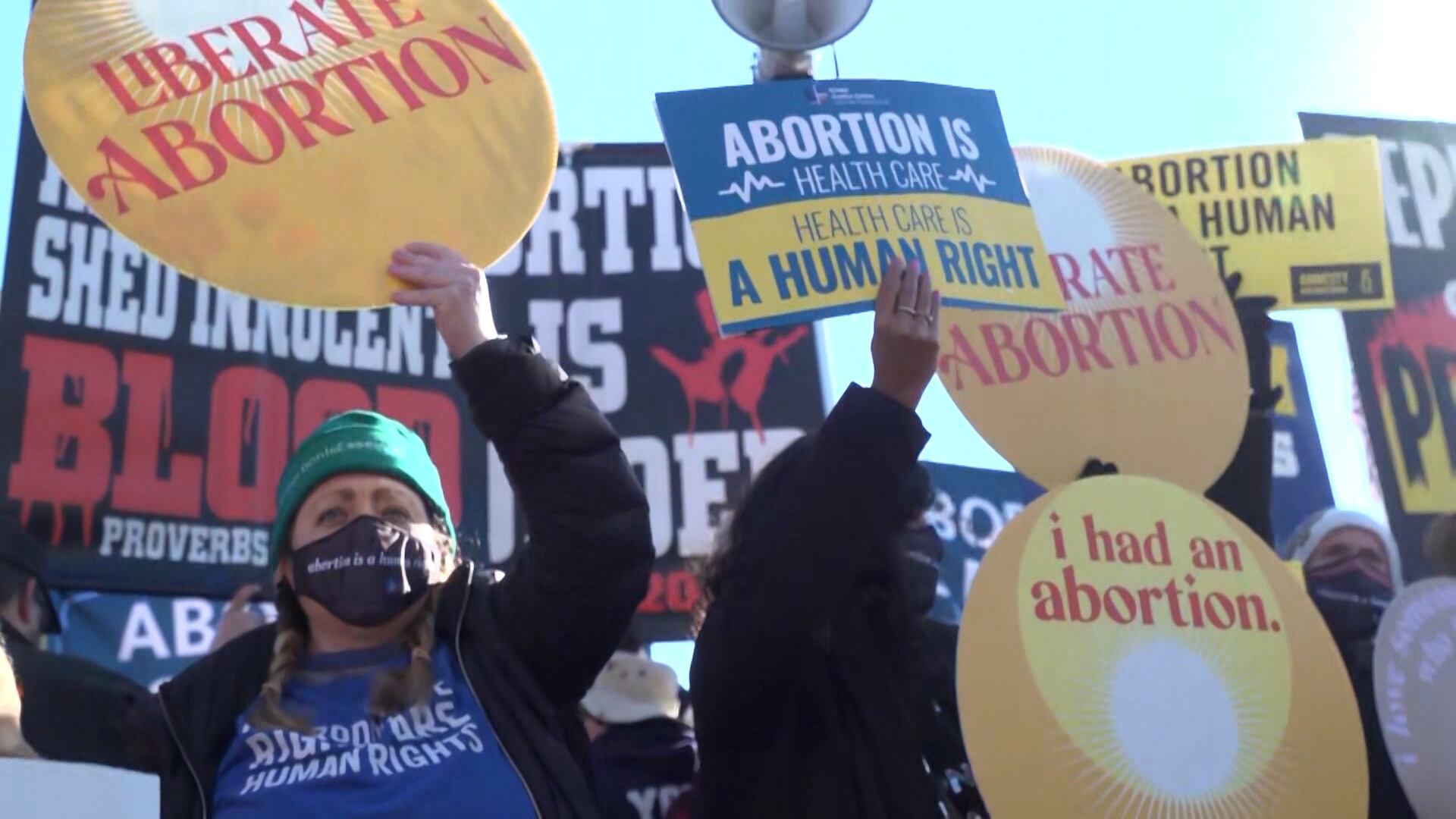
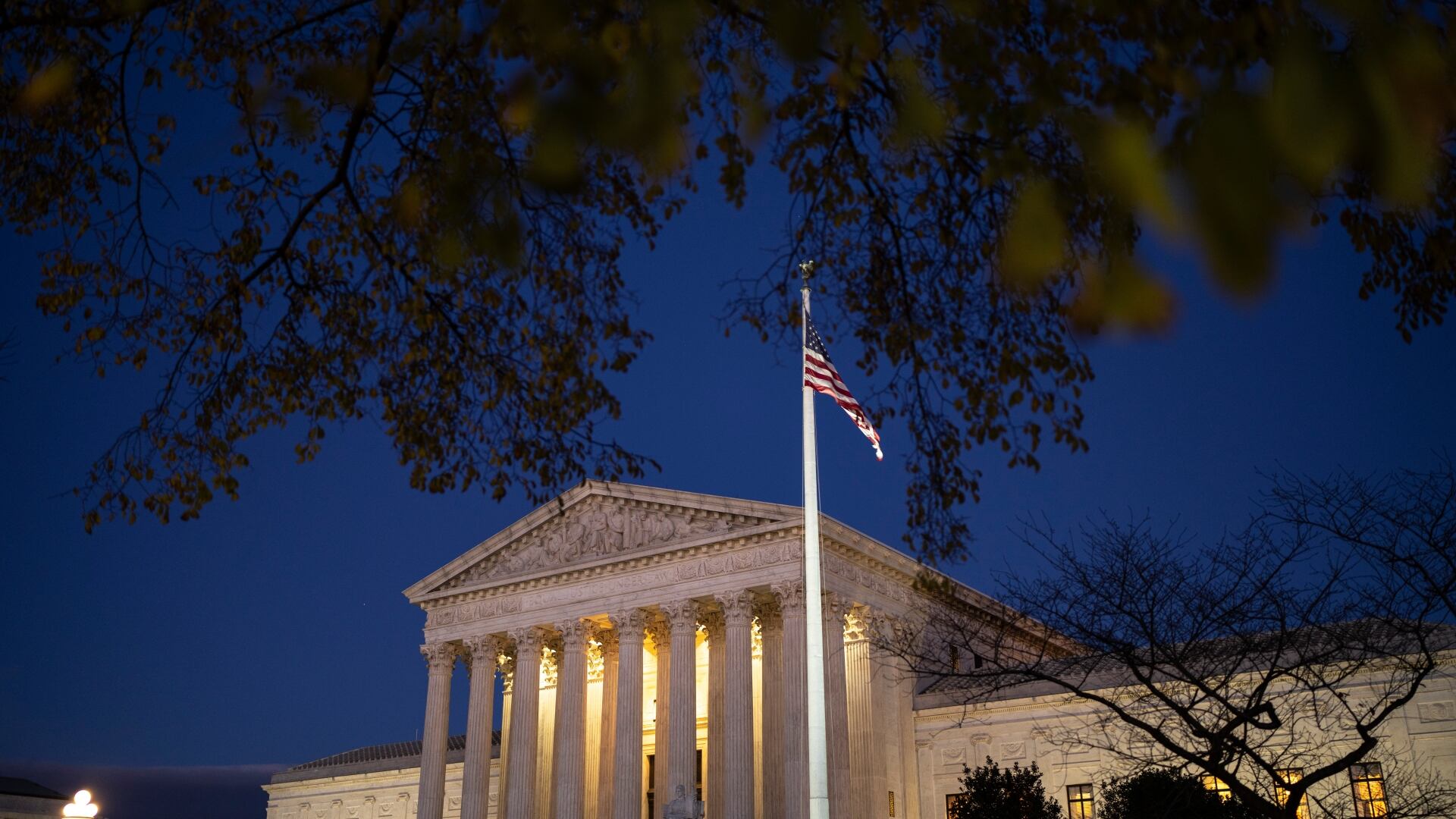
The Supreme Court appeared prepared Wednesday to uphold a Mississippi law that would ban almost all abortions after 15 weeks of pregnancy. The ruling is far from over, with Roe V. Wade at risk. Susan Rinkunas, senior reporter at Jezebel, joins Cheddar News to share the developments of the hearing.
The nine justices heard arguments Wednesday, around a Mississippi abortion law that bans the procedure after 15 weeks and appeared to lean toward upholding the law, while leaving uncertainty about the landmark precedent, Roe v. Wade. Kristin Ford, vice president of communications and research at NARAL Pro-Choice America joins Cheddar News to discuss.
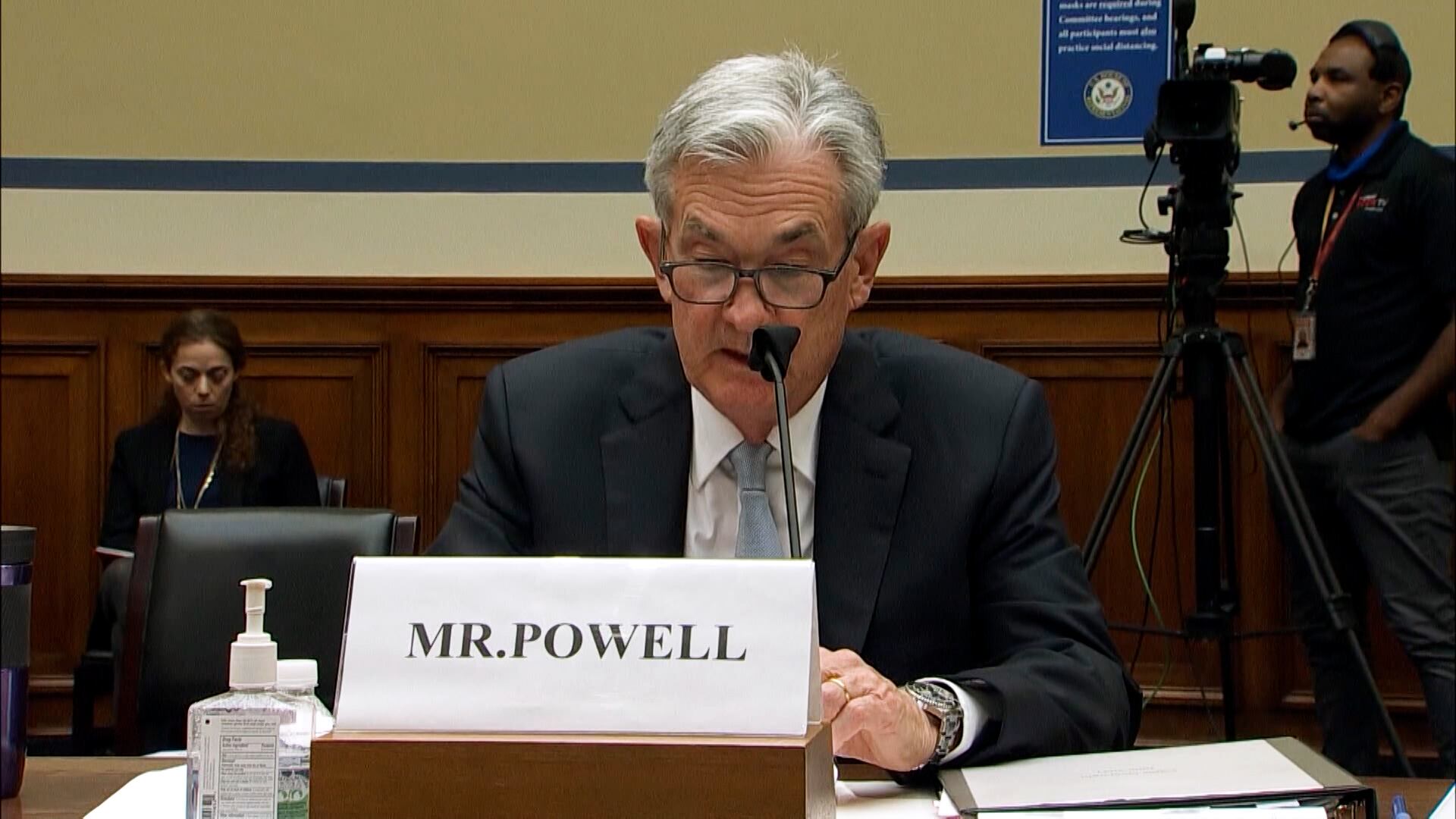
Just about a week after being re-nominated, Federal Reserve Chair Jermone Powell is changing his tune. After nearly a year of referring to inflation as 'transitory,' Powell said he will retire the 'T' word as inflation remains elevated. Christopher Russo, Post-Graduate Research Fellow, Mercatus Center joined Cheddar's Opening Bell to discuss.
Airbnb has come under fire after an Axios report found that the rental company has properties available in China's Xinjiang region where the nation has been accused of committing genocide against Uyghur Muslims, demolishing their homes, and replacing them with tourist attractions.
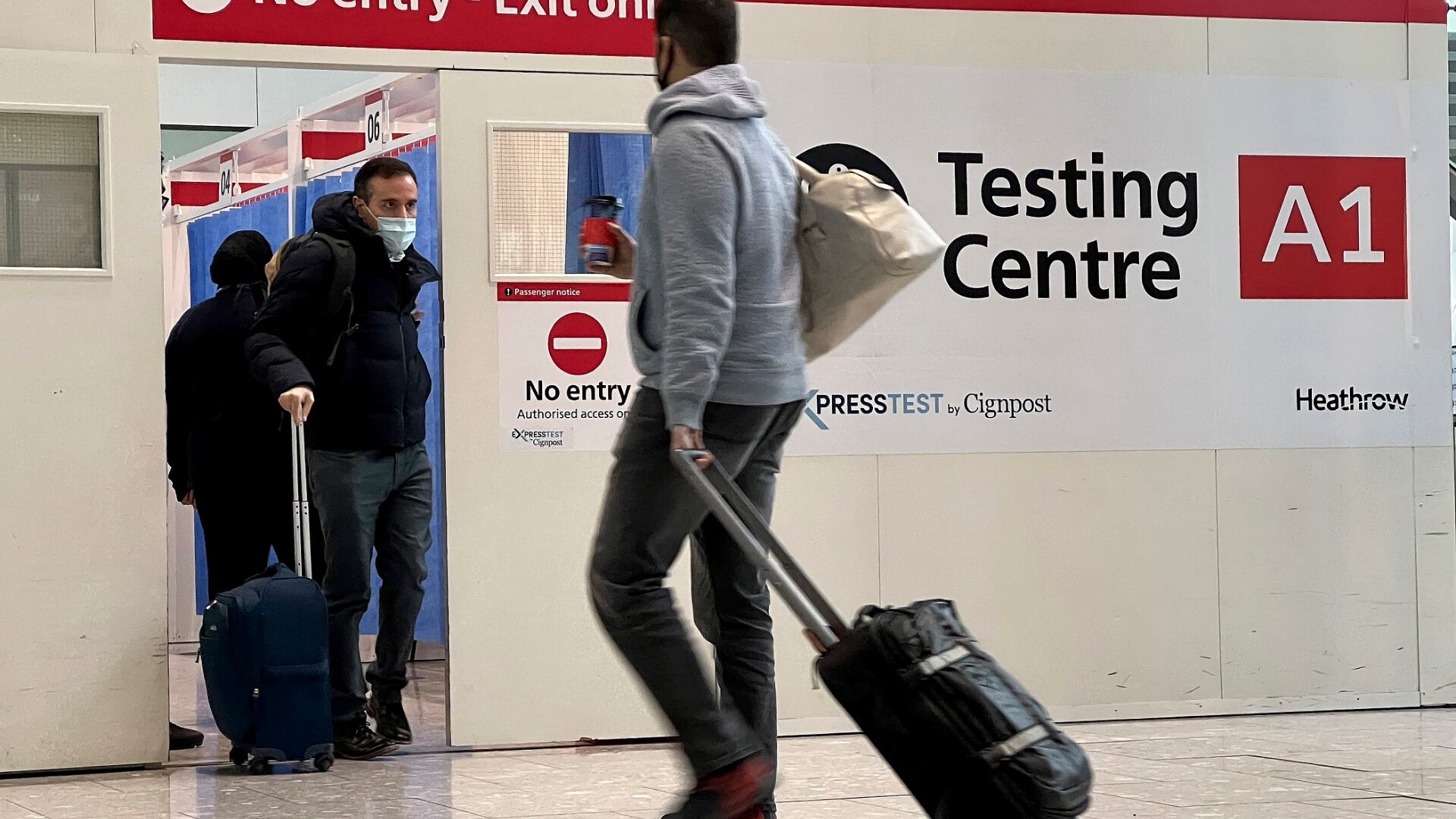
With the emergence of the omicron variant, the U.S. is considering tightening international travel guidelines. The CDC said it might reduce the window for foreign travelers to submit a negative COVID-19 test from three days prior to one day before allowing entry.
Jill and Carlo cover the latest on Omicron, another school shooting in America and more. Plus, bidding farewell to 'transitory' inflation, and the controversy surrounding 'Lovely Bones' author Alice Sebold.
Disparities in tree coverage across America is a huge issue that affects air quality, heat exposure, and ultimately determines how resilient communities are against climate change. The Build Back Better Act is allocating $2.5 billion to boost 'tree equity.' Lemir Teron, assistant professor at SUNY College of Environmental Science and Forestry, joins Cheddar News to explain why this is a priority for Democrats today.