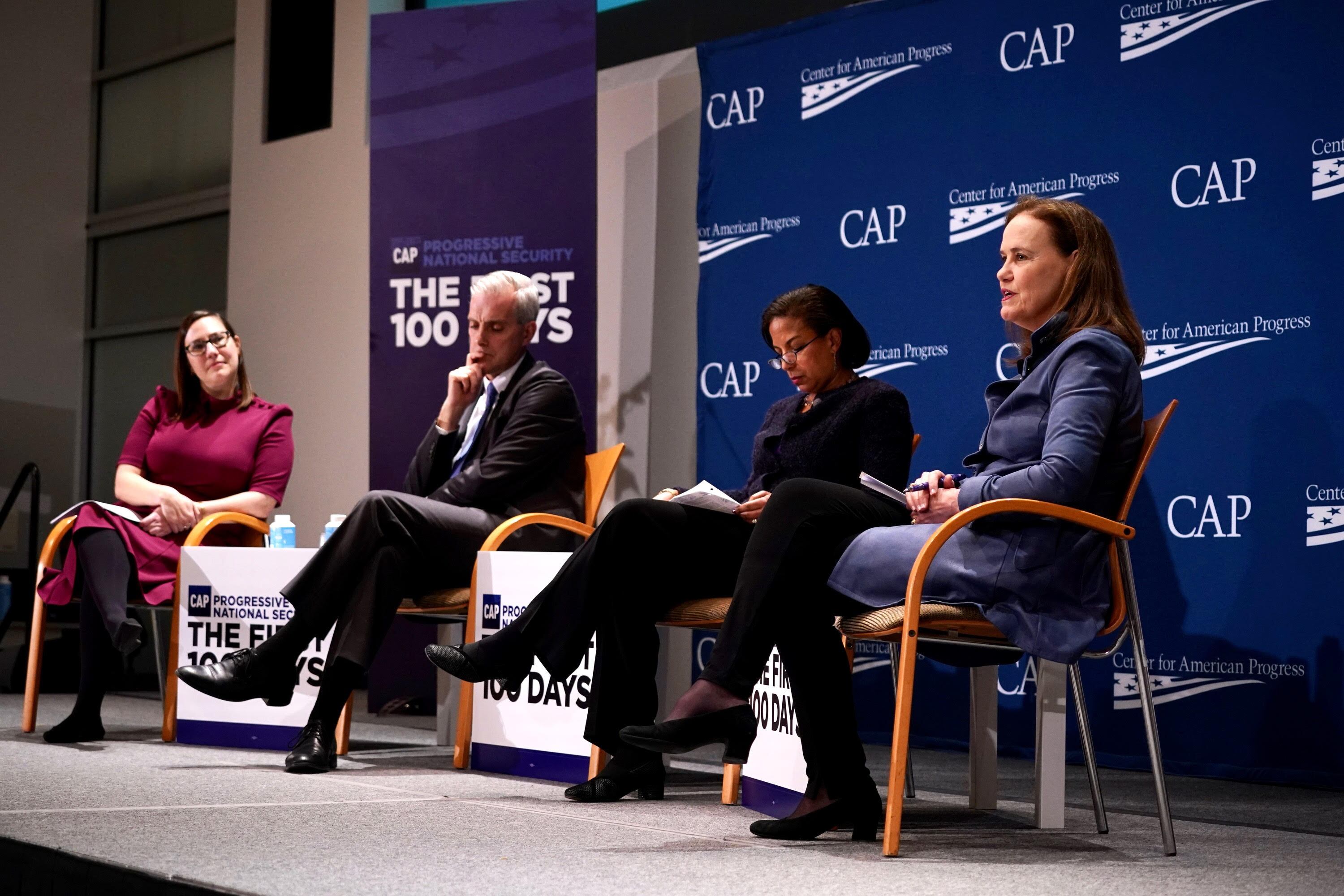
Senior foreign policy officials from the last several presidential administrations gathered in Washington D.C. Tuesday for a series of panels and workshops aimed at creating a “roadmap for an incoming administration’s first 100 days in office,” according to the Center for American Progress.
Solutions that stem from the summit, hosted by the progressive think tank, are intended to help provide a new administration with approaches to handling pressing issues, such as mending fences with European allies and de-escalating tensions with nations like Iran and China.
Though the roadmap would likely be of more interest to a new administration come 2021, it will also be available to President Donald Trump if he wins re-election this November, although the organization does not believe the president’s advisors would take the advice of the progressive experts who were gathered.
Katrina Mulligan, a former Department of Justice national security expert who now works on national security and international policy at CAP, said the eventual goal is to put together “a menu of options” with a “focus on those activities or actions that would have the highest impact.”
Mulligan said experts who were working with the White House as far back as the Reagan administration planned to be in attendance. She said she hopes the next administration takes advice on, what she describes as, both offensive and defensive moves. “What do you need to do to repair things that are inherited on day one and what are the things you need to do to lay out an affirmative agenda?”
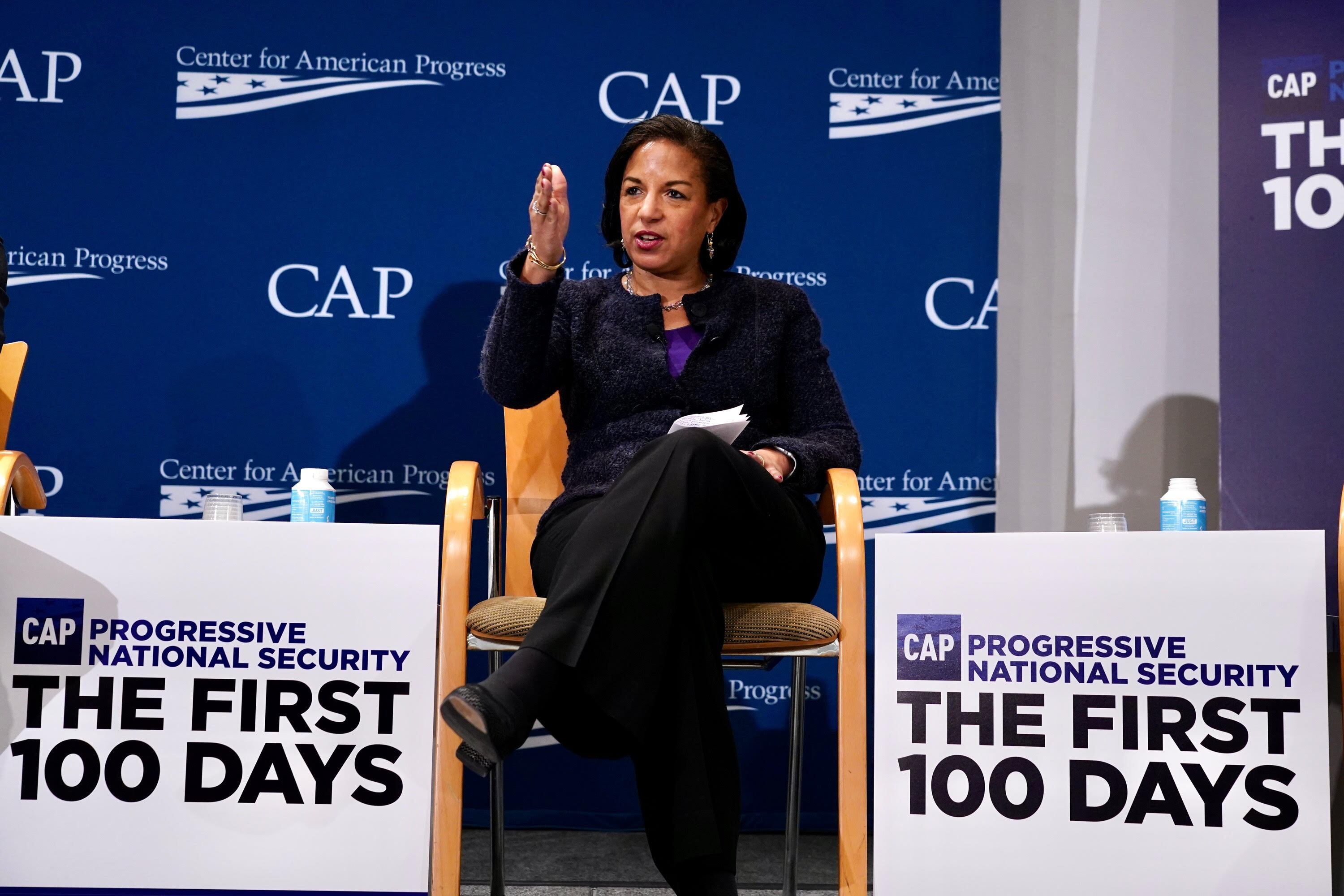
<i>Former Ambassador Susan Rice speaks at CAP’s opening event. / Center for American Progress</i>
Attendees include former Ambassador to the United Nations Samantha Power, former National Security Advisor Ambassador Susan Rice, former White House Chief of Staff Denis McDonough, former Under Secretary of Defense Michèle Flournoy and former Deputy National Security Advisor Avril Haines.
The group hopes to outline possible executive actions, diplomatic priorities and policy implementation activities, though Mulligan said there wasn’t a “specific catalyst” for the agenda- planning meetings.
After President Trump took office, employees left the State Department in droves. The State Department lost 12 percent of its foreign affairs specialists in the first eight months of Trump’s presidency.
Those who remain have worked on Trump’s ‘America First’ platform, which focuses on domestic priorities over stronger international ties. The president has also butted heads with allied leaders during his time in office, while actively working to strengthen bonds with leaders of nations traditional hostile toward the U.S. such as North Korea’s Kim Jong Un and Russia’s Vladimir Putin.
A new administration will need a robust employee base in order to accomplish lofty foreign policy goals, so Mulligan is leading a group to formulate ideas on that very issue. “I worry about the hollowing out of career civil service at the State Department, particularly,” Mulligan said. “I worry about the legacy of ‘America First’ and what it means for a lot of people who don’t understand the risk of isolating America by treating other countries the way we’ve been treating them.”
Together, she said CAP hopes to provide a roadmap in six to nine months for a new president.
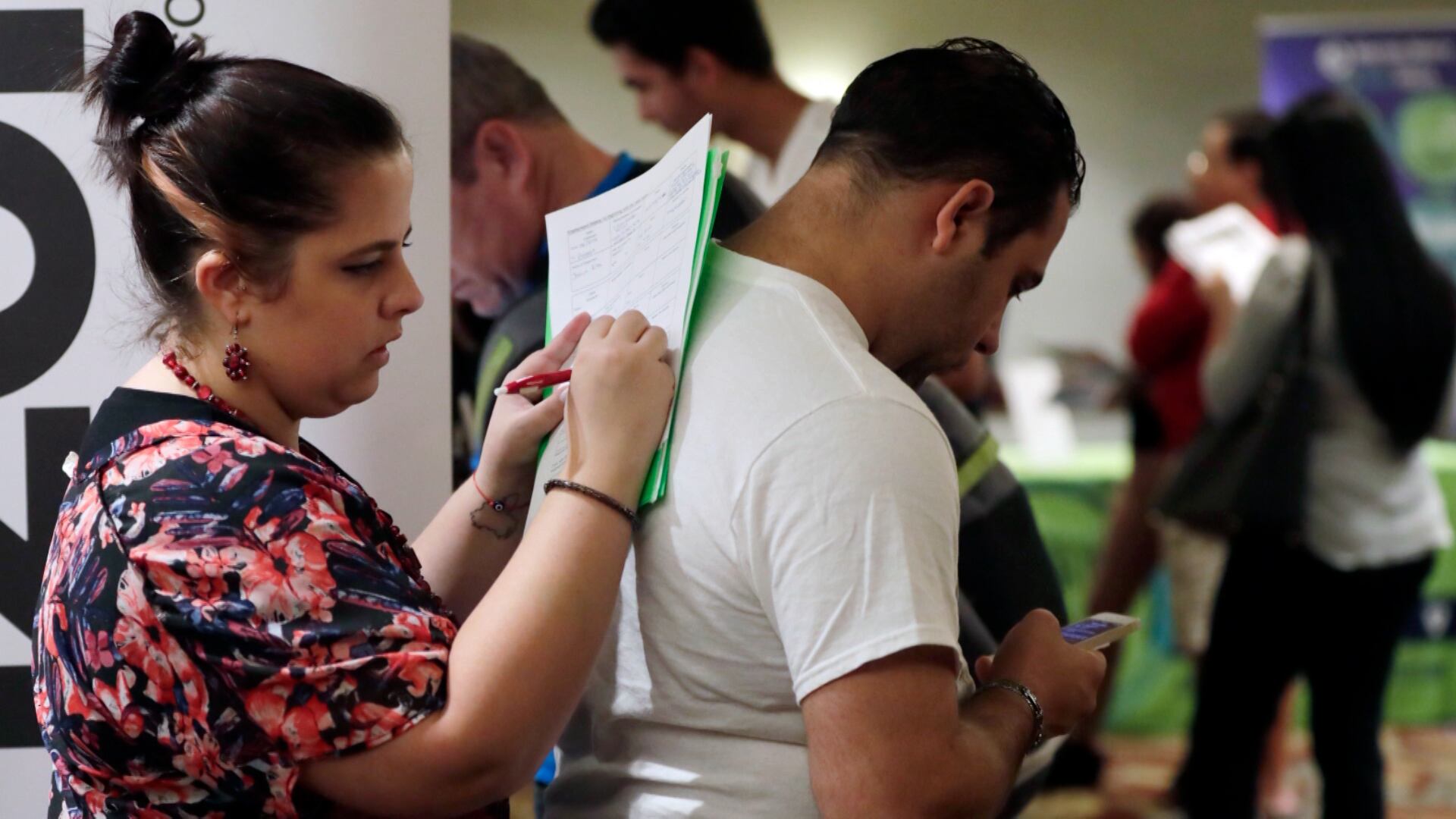
Following the surprising big beat on estimates for the January jobs report, William M. Rodgers III, vice president and director of the Institute for Economic Equity at the Federal Reserve Bank of St. Louis, joined Cheddar News to break down the data. “We ended 2021 with a strong crescendo to a recovery that had taken hold, and we started 2022 in good fashion." He also discussed the dueling pressures of wage growth and inflation.
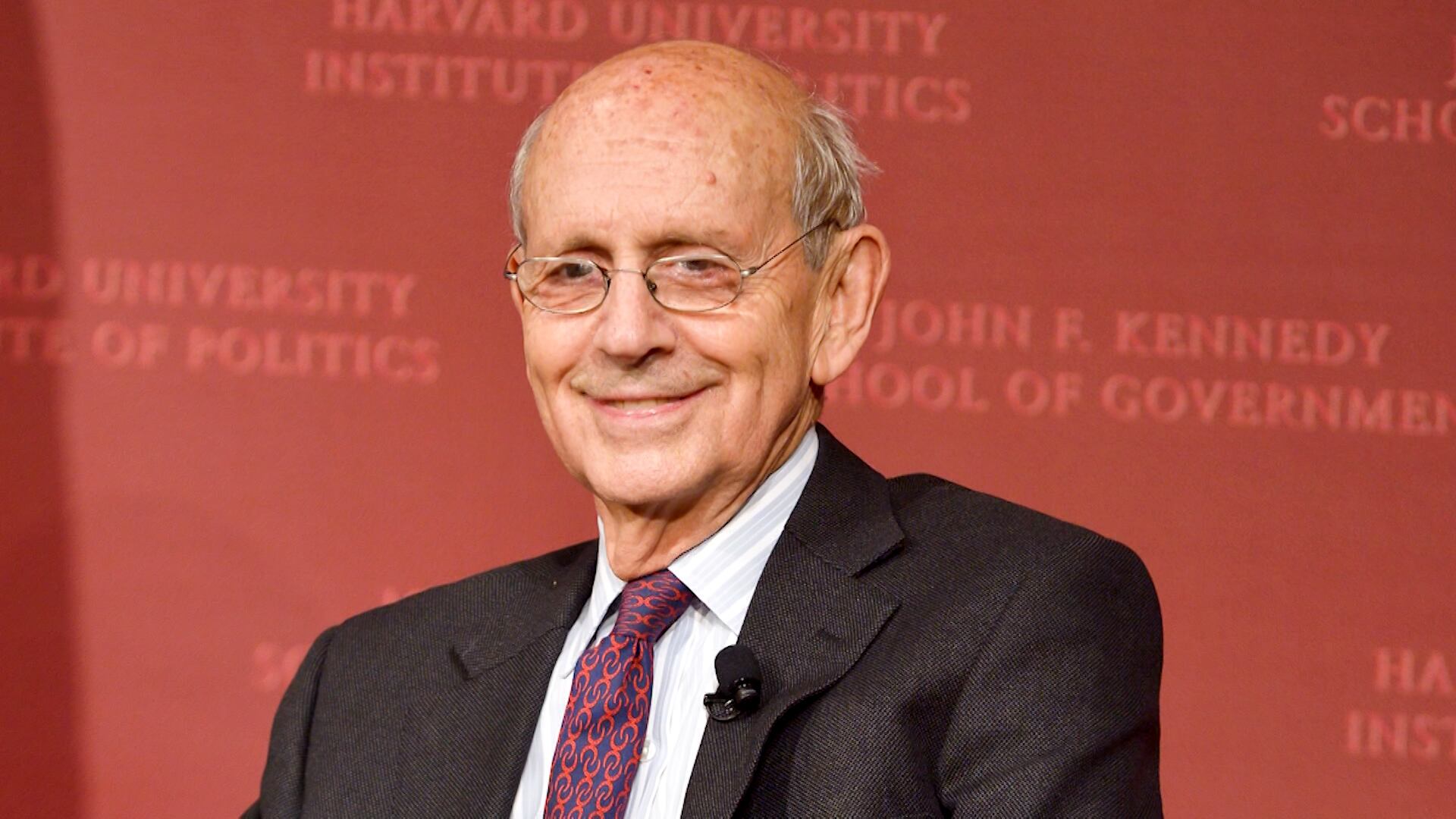
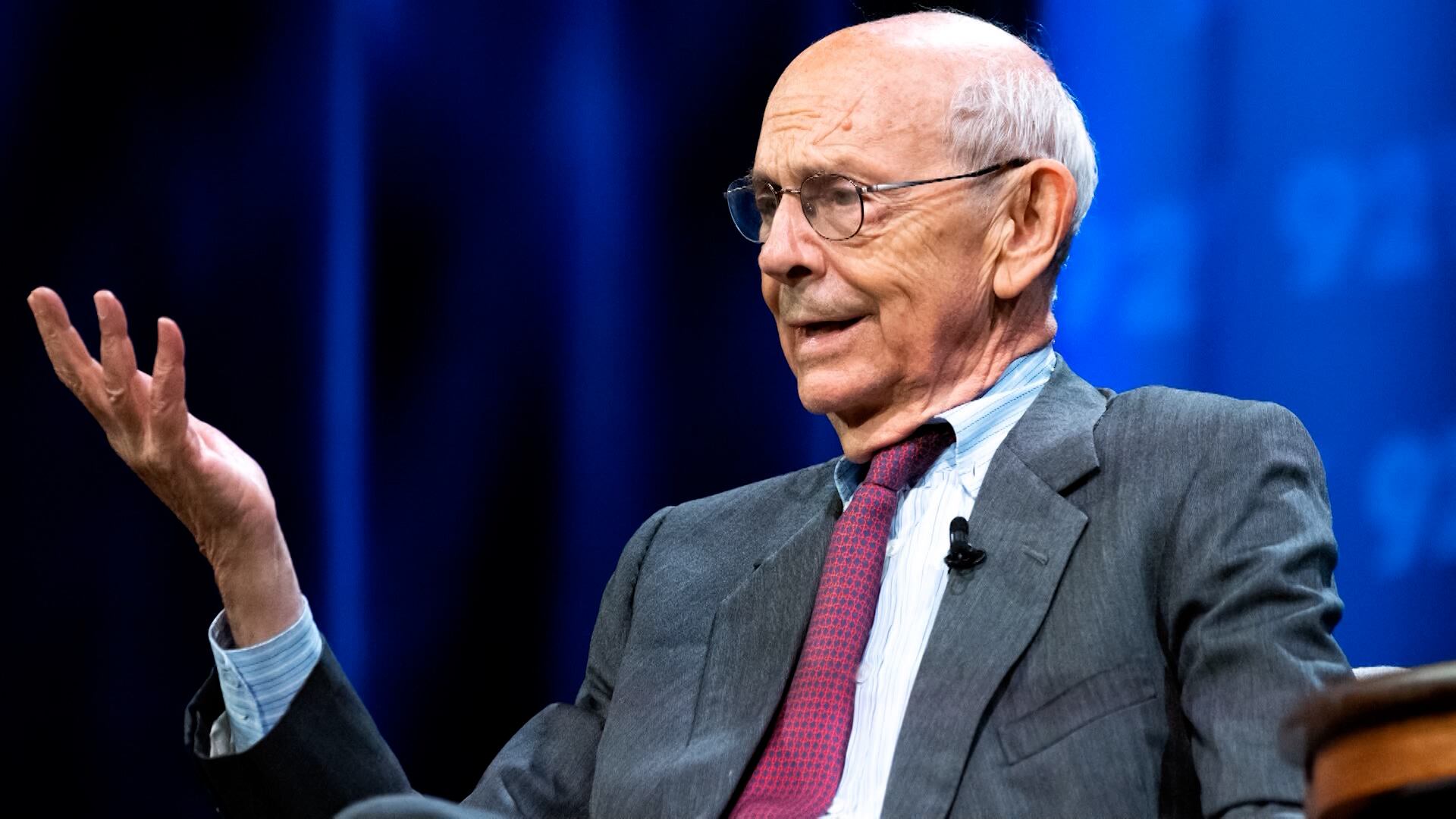
Jessica Mason Pieklo, senior vice president and executive editor of the Rewired News Group and co-host of the podcast. "Boom! Lawyered," joins Cheddar Politics to discuss Justice Stephen Breyer's retirement, legacy and potential replacement on the Supreme Court.
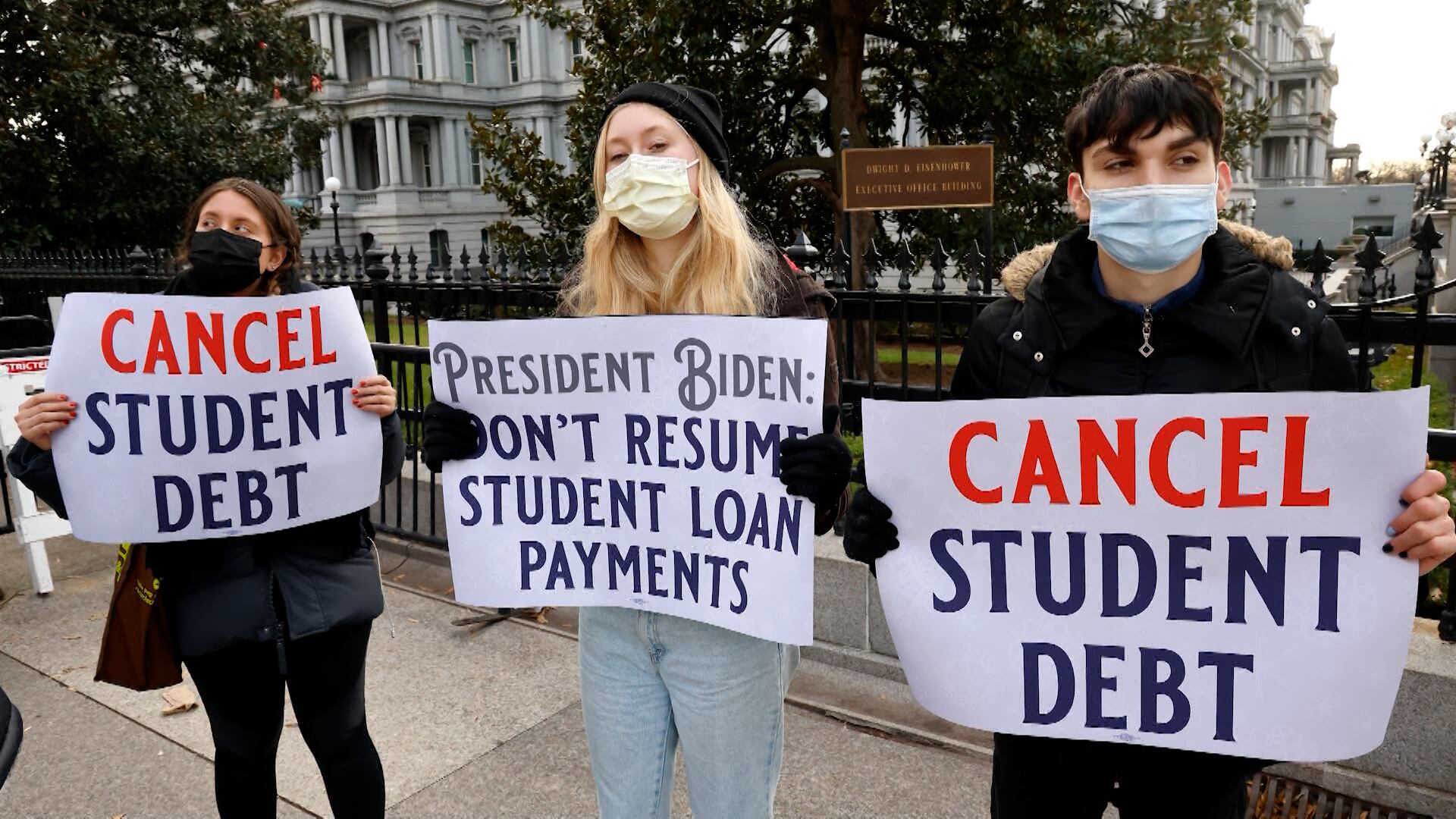
The Biden administration delivered a temporary win for student loan borrowers this year by extending the moratorium on federal payments for a few more months. That moratorium is coming to an end on May 1st and borrowers will again have their monthly loan payment plopped in their lap.
Stephanie Vanderslice, a creative writing professor paying off debt through the Parent Plus program, and Mike Pierce, executive director of the Student Borrower Protection Center, join Cheddar Politics to discuss.
2022 was already going to be a big year for the Supreme Court. We have decisions on major issues like abortion and gun rights on the way. Then, Justice Stephen Breyer announced his retirement and that set up a major confirmation fight for later this year. Amy Howe, co-founder of SCOTUSblog, joins Cheddar Politics to discuss.
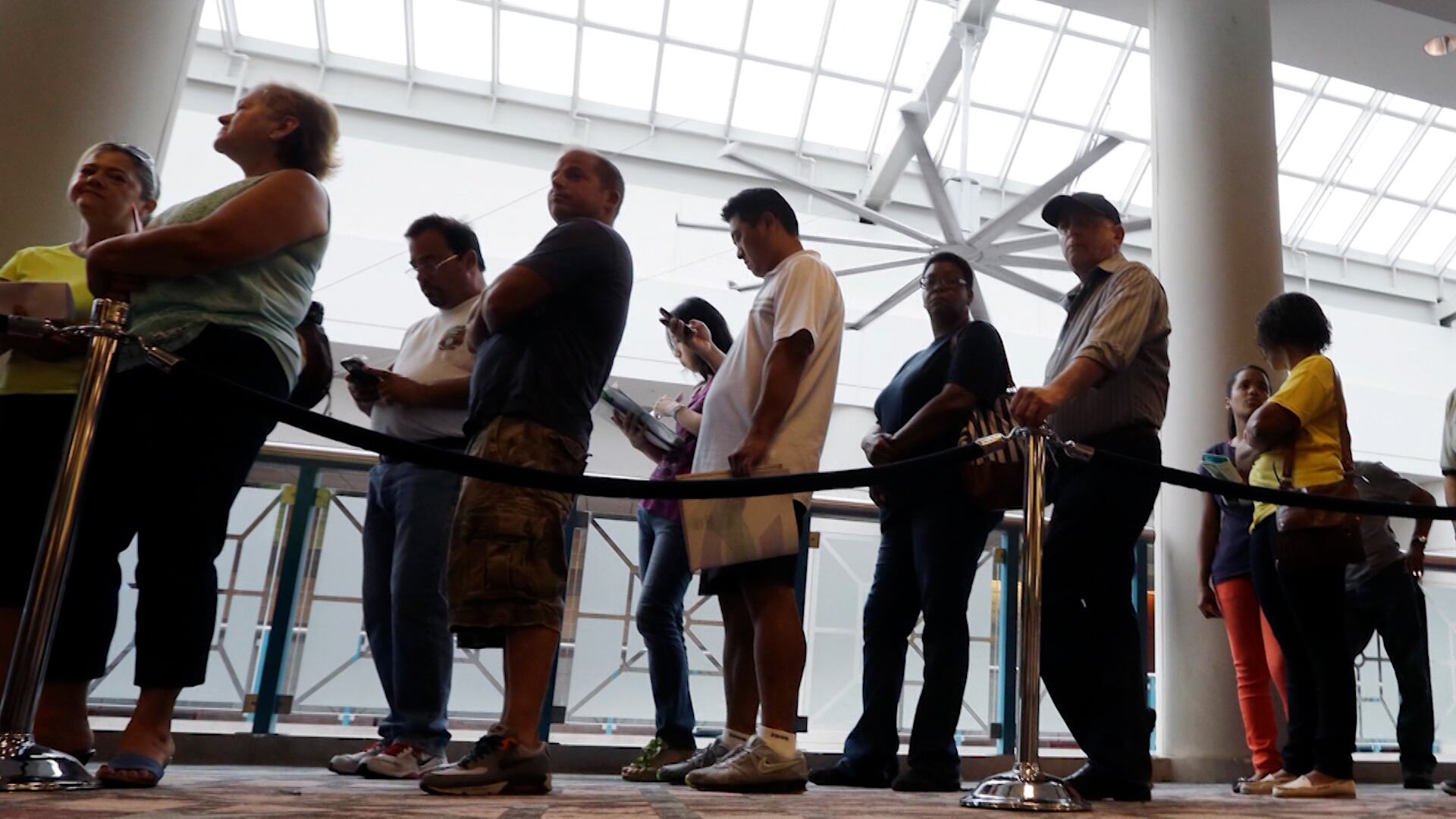
The Labor Department released a better-than-expected report of 467,000 jobs added in January. Heather Boushey, Council of Economic Advisers Member for President Biden, joined Cheddar to tout the administration's handling of the economy amid the pandemic and the upward revisions for the previous month. "It also shows that, because of the revisions, the economy was stronger over the past couple of months," she said. "I don't think that this can be said enough, but economic forecasting during an historic pandemic is extremely difficult." Boushey also addressed issues involving wage growth versus the rapid rise of inflation.
The Labor Department's January jobs report showed 467,000 jobs were added, compared to the 150,000 that were projected, a sign that employment is continuign to return to pre-pandemic levels. Lindsey Piegza, chief economist at investment bank Stifel, joined Cheddar to break down the report, noting the big gains but adding a note of caution. "Remember, even with this morning's stellar report, we're still millions below that level that we had reached prior to the onset of COVID-19," she said." Yes, we are recapturing jobs. We still have further ground that needs to be made before we can talk about reaching that previous peak." Piegza also discussed the role of the Federal Reserve going forward as the employment figures turn more positive.
As President Biden's poll numbers fall with Black voters, Rep. Ayanna Pressley (D-Mass. 7th District) joined Cheddar to discuss what she feels could help the embattled administration: deliver on policies. Pressley pointed to stalled legislation such as new voting rights laws and Build Back Betters and canceling student loan debt, which would go a long way to improving his standing with Black constituents. "President Biden has the authority and the power to alleviate this burden, which would also help in closing the racial wealth gap, and he can do it by executive action with the stroke of a pen," she said. "And it doesn't require one vote from Congress. So, the Biden administration just needs to deliver to Black America in a tangible and impactful way."