*By Bridgette Webb*
Investors overseas are losing their appetite for U.S. debt.
Foreign buyers are reducing their purchases of Treasuries and now own just over 40 percent of the debt outstanding, the lowest mark in 15 years. And if demand dries up, that could lead to higher interest rates ー something that can clearly spook investors.
While it may be easy to blame the trade war for the drop, Daniel Kruger, a reporter for The Wall Street Journal, said there's another culprit.
"It's not so much the trade war as the stronger dollar," Kruger said Wednesday in an interview on Cheddar.
"It has to do with the Federal Reserve, which has been aggressively raising interest rates."
Fed officials have raised rates three times this year, most recently, in September to a range between 2 and 2.25 percent. Experts believe the central bank will do it again in December.
President Trump has been an outspoken critic of Federal Reserve Chairman Jerome Powell's decision to stay the course of rate hikes. The president recently claimed that Powell looked "like he's happy raising interest rates," and that he was endangering the U.S. economy.
China owns over $1 trillion of U.S. debt ー a point of concern that may grow even more worrisome as trade tensions continue. If the country dumps its holdings, that could spark a drop in bond prices and a consequent spike in borrowing costs.
For Kruger, it's not an immediate issue, but it may pose a more serious long-term risk.
"If China were to try to use its Treasury holdings as a diplomatic tool as a way to strike out at the U.S., they probably wouldn't tell us about it," he said.
"And the data that we get on foreign holdings of treasuries kind of lags. It would be a couple of months before we noticed."
International Master Alice Lee defeated grandmaster Irina Krush to win the American Cup – becoming one of the best women players in the world in the process – but she’s not stopping there.
You can track your sleep habits or heart rate, but how about your brain? Neurable's MW75-Neuro headphones turn your focus and productivity into data you can use to avoid burnout – here's how they do it.
Whether it’s a deepfake video of actor Tom Cruise discovering gum in a lollipop or President Joe Biden discouraging people from voting via telephone, you’ve likely come across a deepfake video, photo or audio recording.
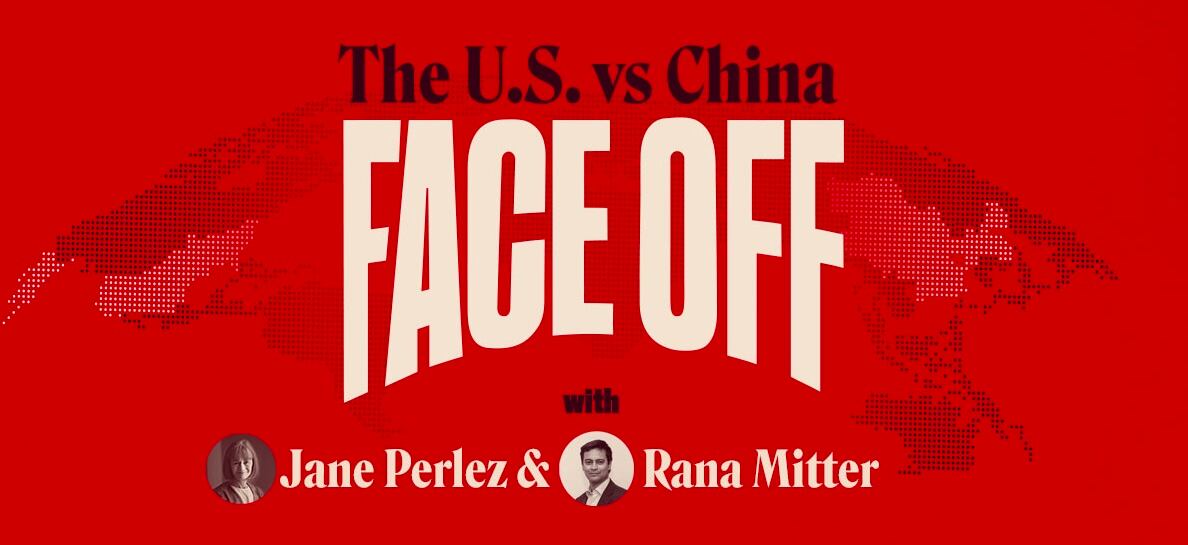
Tensions in the South China Sea, Apple moving to India, and banning TikTok? The podcast ‘Face Off: The U.S. Versus China’ helps explain how we got here.
Cust2Mate is a leading innovator in retail technology, aiming to revolutionize the shopping experience. By implementing smart cart technology, the tech company addresses the issue of theft while enhancing the shopper's journey.
The Biden administration has unveiled a plan, Plan B, to address the student loan debt crisis. It offers to cancel up to $20,000 in interest for borrowers enrolled in income-driven repayment plans. This proposal aims to reset balances for those facing growing debt due to unpaid interest, benefiting low—and middle-income borrowers. An estimated 25 million borrowers are eligible for some form of interest forgiveness.
As we head into the second quarter, there’s an argument in favor of buying Boeing stock. Why? As one expert says, ‘there’s nowhere else to get planes.’