Ford is recalling more than 1.5 million vehicles in the U.S. in two actions to fix leaky brake hoses and windshield wiper arms that can break.
The largest of two recalls covers nearly 1.3 million 2013 through 2018 Ford Fusion and Lincoln MKZ midsize cars. The company said in documents posted Friday by safety regulators that the front brake hoses can rupture and leak brake fluid. That would increase brake pedal travel and make stopping distances longer.
Dealers will replace the hoses. Ford will mail owners notification letters starting April 17. They'll get a second letter once parts are available for the fix.
Owners who are experiencing problems should call their dealer, Ford said. There are some parts already available for repairs. The company said only about 2% of the vehicles will have brake hose leaks.
Ford said it’s aware of one crash with no mention of injuries due to the problem.
The second recall covers more than 222,000 F-150 pickups from 2021. The windshield wiper arms can break.
Dealers will replace the arms if needed. Owners will be notified starting March 27.
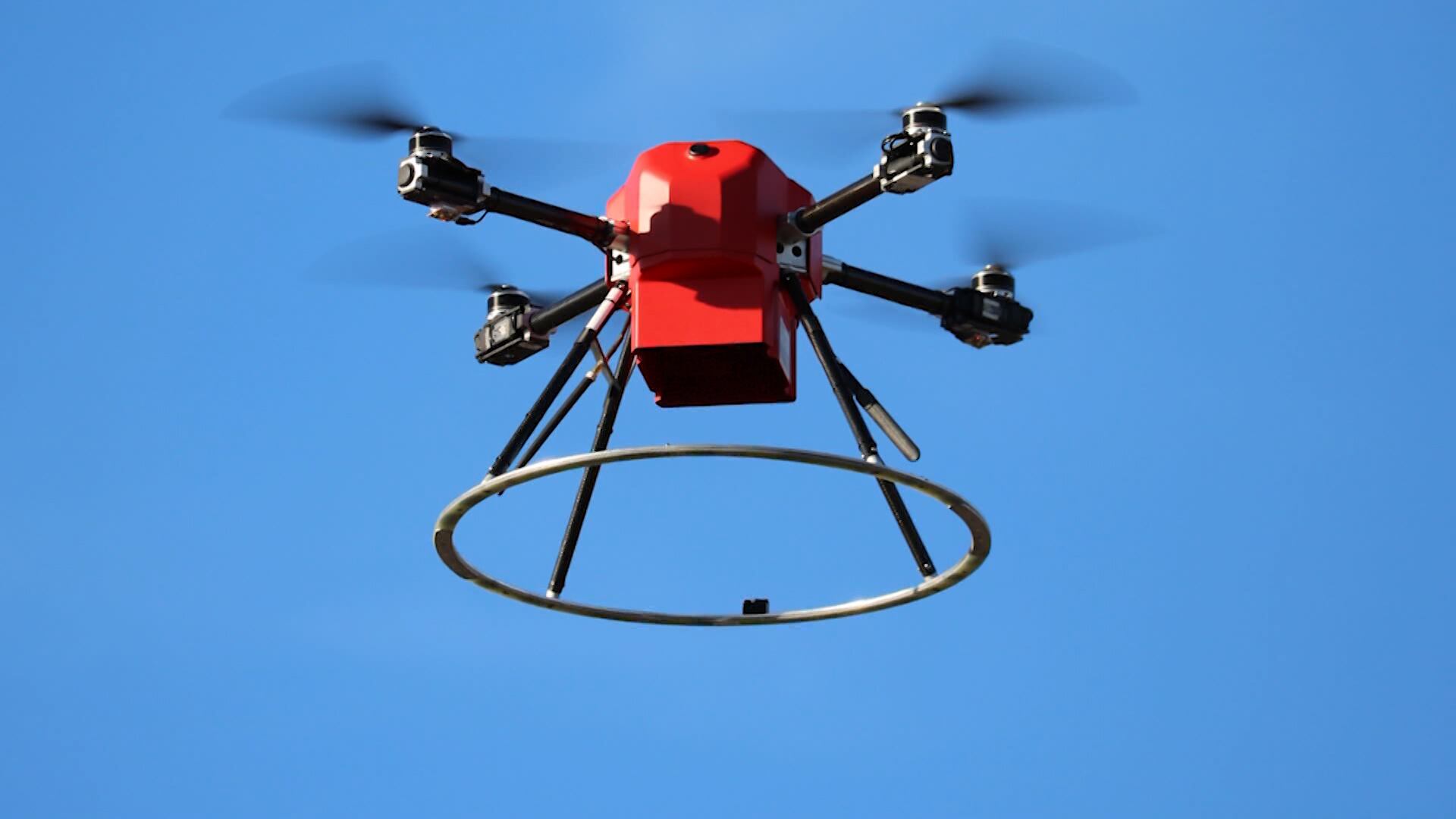
Reese Mozer, CEO and co-founder of American Robotics, joins Cheddar News to discuss innovations in edge computing and how drone technology can maximize its potential.
Jill and Carlo cover the latest on Omicron, another school shooting in America and more. Plus, bidding farewell to 'transitory' inflation, and the controversy surrounding 'Lovely Bones' author Alice Sebold.
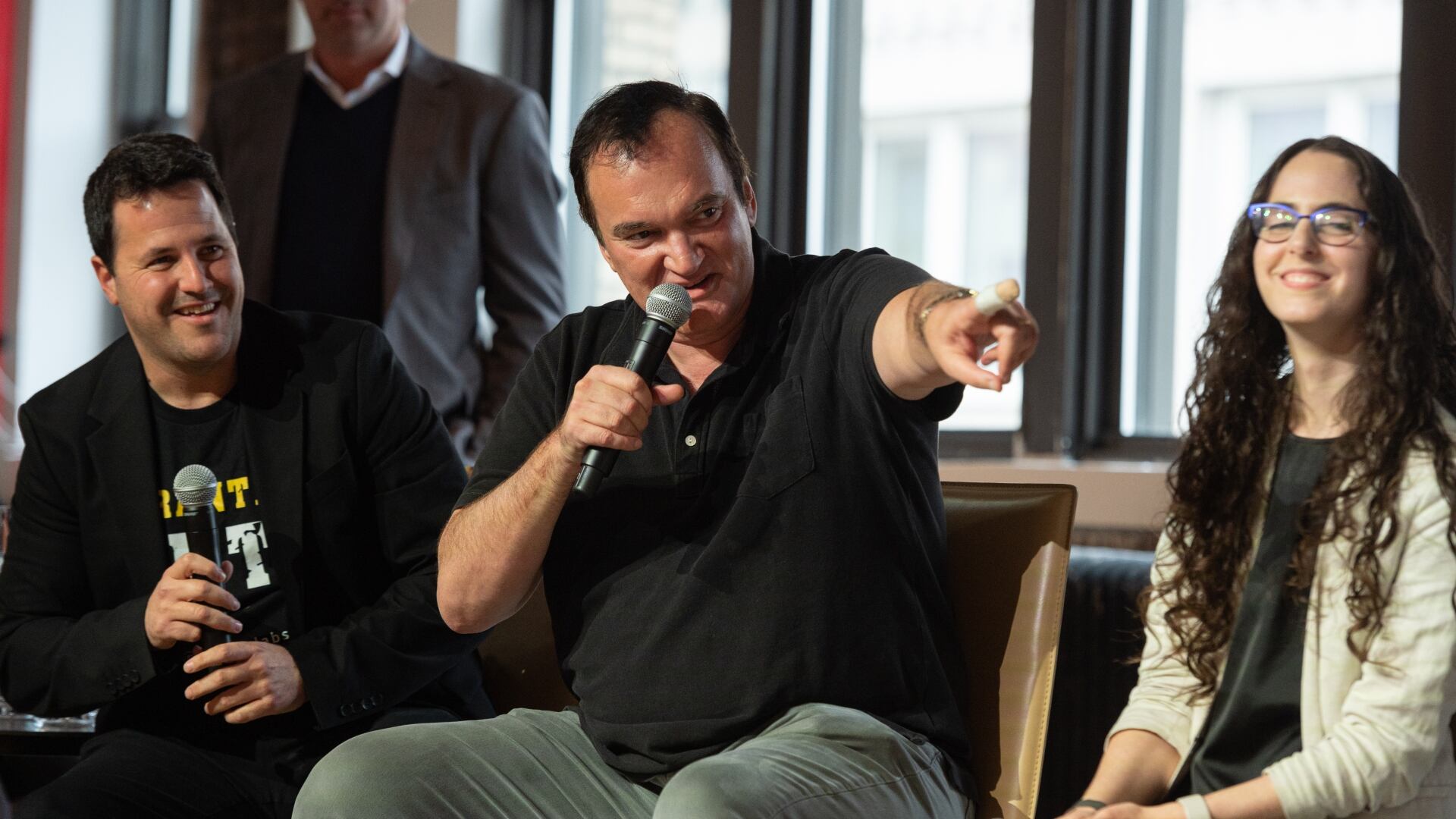
Capitalizing on the NFT hype while riding the rush to all things '90s, tarantino announced earlier this month a planned sale of NFTs based off his hand-written, original script of 'Pulp Fiction.' Days after the announcement, the studio that produced the iconic film, Miramax, filed suit against Tarentino. Kal Raustiala, Professor of comparative and international law at UCA joins Cheddar News.
Sam Burd, president of Dell Technologies Client Solutions Group, joined Cheddar to talk about the firm's Q3 earnings beat and what consumers can expect from the tech company in the future. He noted a return to offices alongside the overall change to how people work as sources for the earnings beat. Burd also discussed how the company has been able to navigate the ongoing global semiconductor chip shortage.
Sarav Arunachalam, air pollution scientist at the University of North Carolina at Chapel Hill, joins Cheddar Climate, where he discusses what he needs to happen when it comes to EV production on a global level to help reduce the effects of climate change.