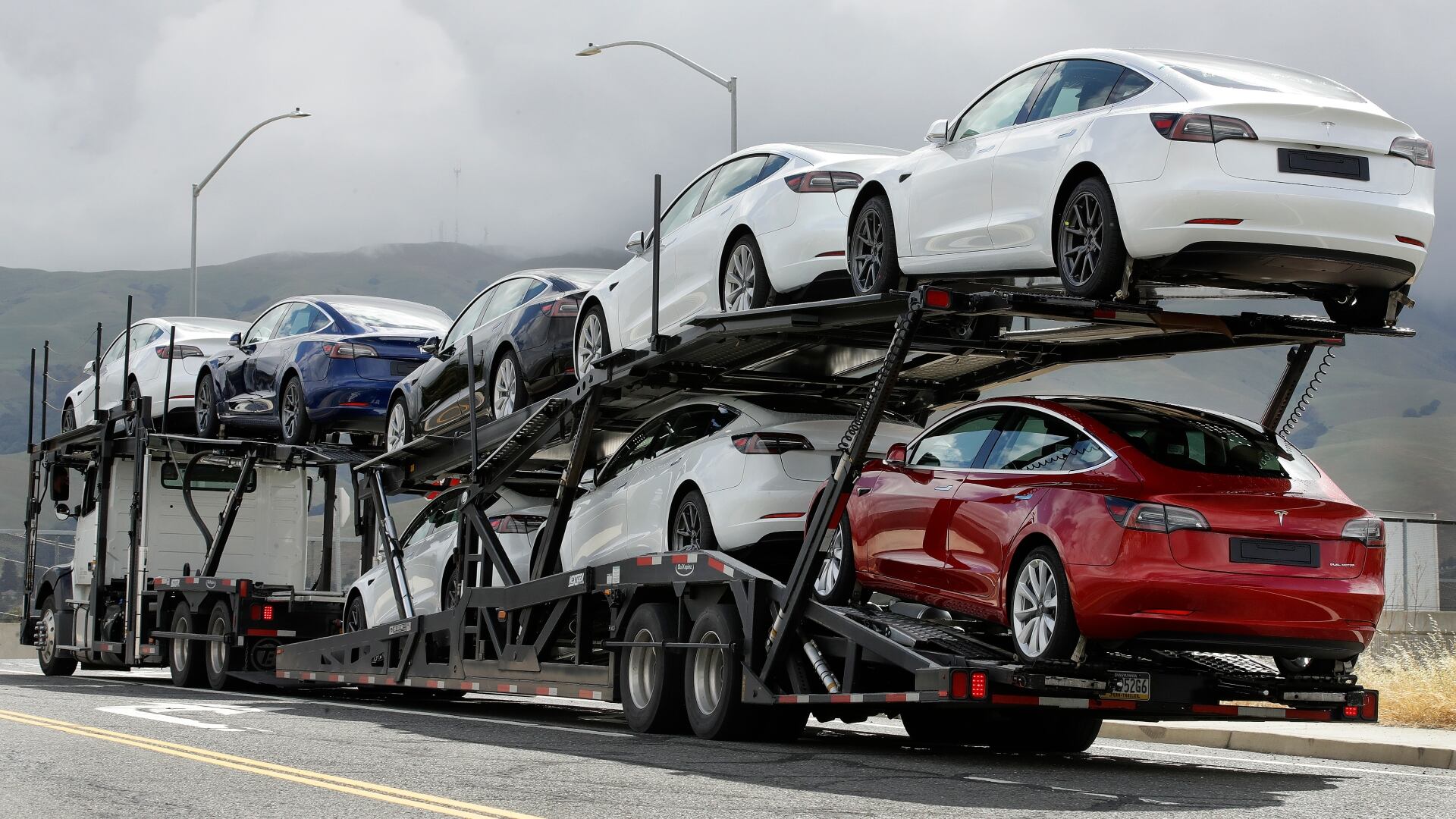
Ford is recalling more than 1.5 million vehicles in the U.S. in two actions to fix leaky brake hoses and windshield wiper arms that can break.
The largest of two recalls covers nearly 1.3 million 2013 through 2018 Ford Fusion and Lincoln MKZ midsize cars. The company said in documents posted Friday by safety regulators that the front brake hoses can rupture and leak brake fluid. That would increase brake pedal travel and make stopping distances longer.
Dealers will replace the hoses. Ford will mail owners notification letters starting April 17. They'll get a second letter once parts are available for the fix.
Owners who are experiencing problems should call their dealer, Ford said. There are some parts already available for repairs. The company said only about 2% of the vehicles will have brake hose leaks.
Ford said it’s aware of one crash with no mention of injuries due to the problem.
The second recall covers more than 222,000 F-150 pickups from 2021. The windshield wiper arms can break.
Dealers will replace the arms if needed. Owners will be notified starting March 27.
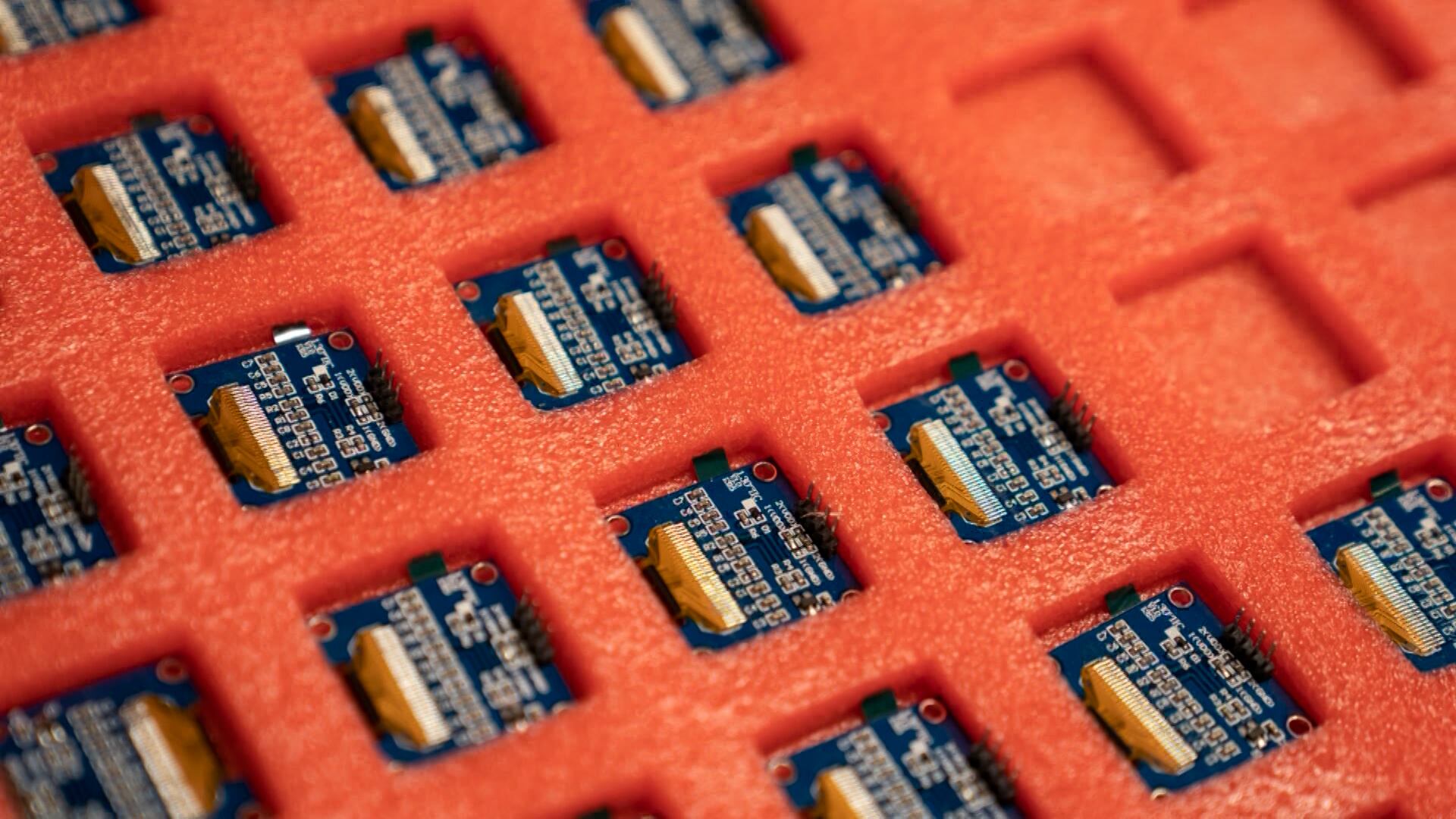
Daniel Newman, Founding Partner and Principal Analyst at Futurum Research, joins Cheddar News' Closing Bell, where he says the markets are going to feel very uncomfortable receiving news of more potential setbacks for chip manufacturers after already enduring a lengthy chip shortage.
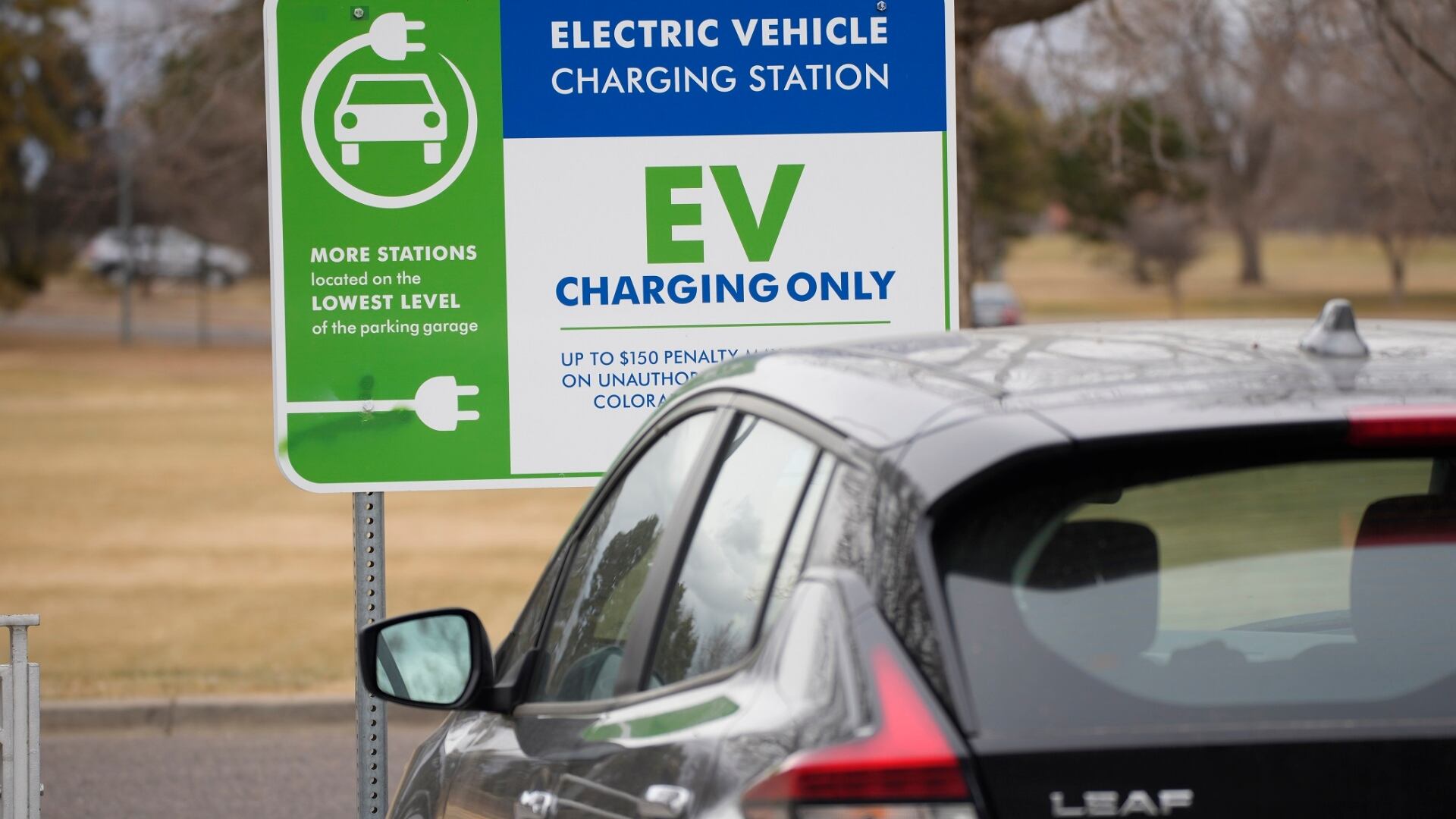
The federal government and numerous industries have been preparing for a greener future, setting goals to reduce greenhouse emissions by switching to electric vehicles. But the next hurdle to clear is convincing the wider public to get on board. Arun Kumar, managing director in automotive practice at AlixPartners, spoke to Cheddar's Ken Buffa about consumer trends related to EV transition and said he believes a widespread switch is imminent in 2022. Despite this, he acknowledged there are still significant obstacles to overcome, including high prices and more charging stations. "Without charging infrastructure, people are going to struggle with increasing adoption of electric vehicles in the future," Kumar told Cheddar. "I think by 2030 our estimate is that about a million chargers need to be put in place nationally in the U.S."
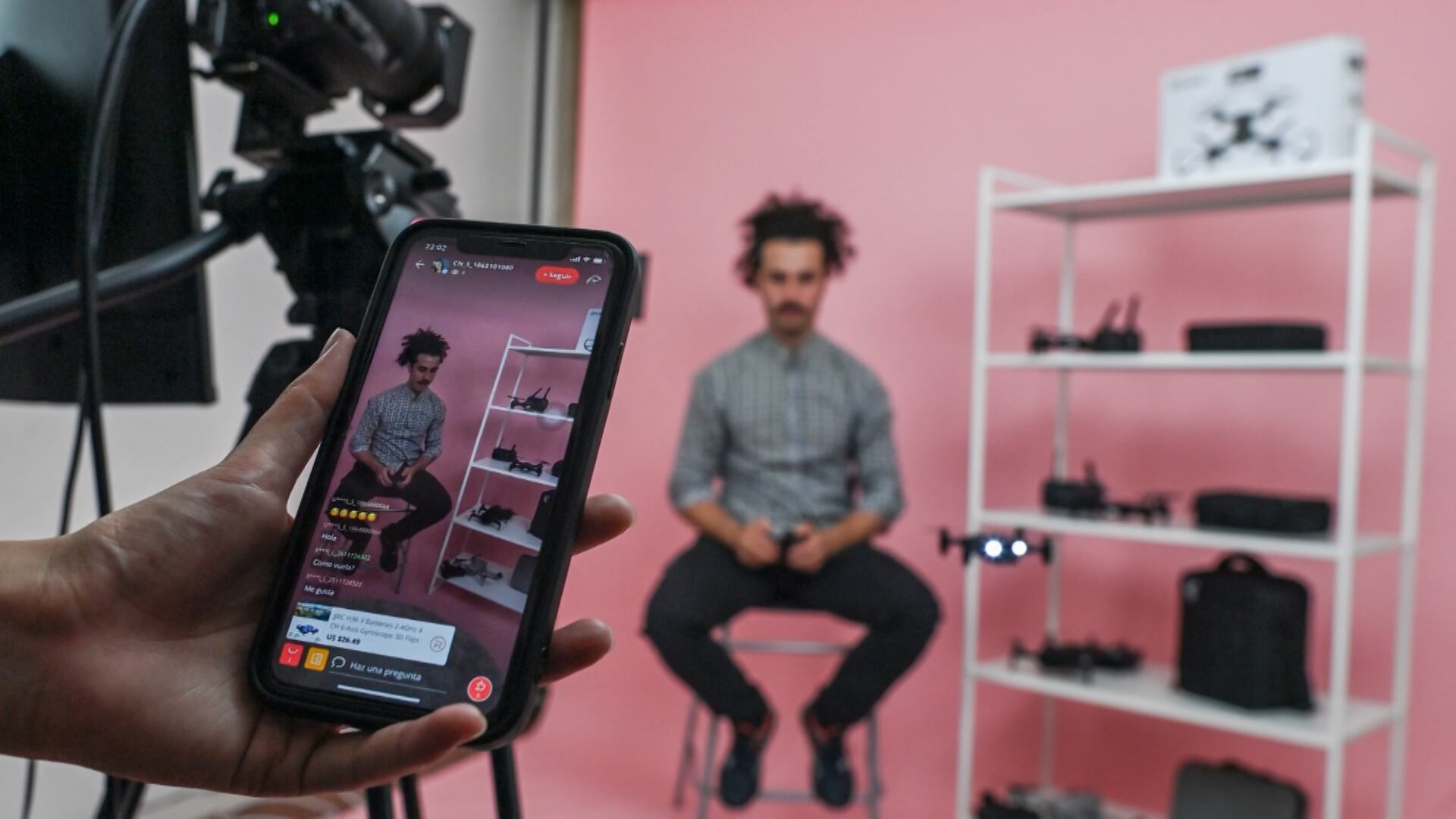
The pandemic has supercharged the creator economy, and there are no signs of it slowing down no matter when the pandemic officially ends. Creators prove to be a key factor in driving purchasing decisions and retail sales, and an increasing amount of platforms are taking advantage of the social influence. Karissa Bell, senior editor at Engadget, joins cheddar news to discuss the creator economy boom.
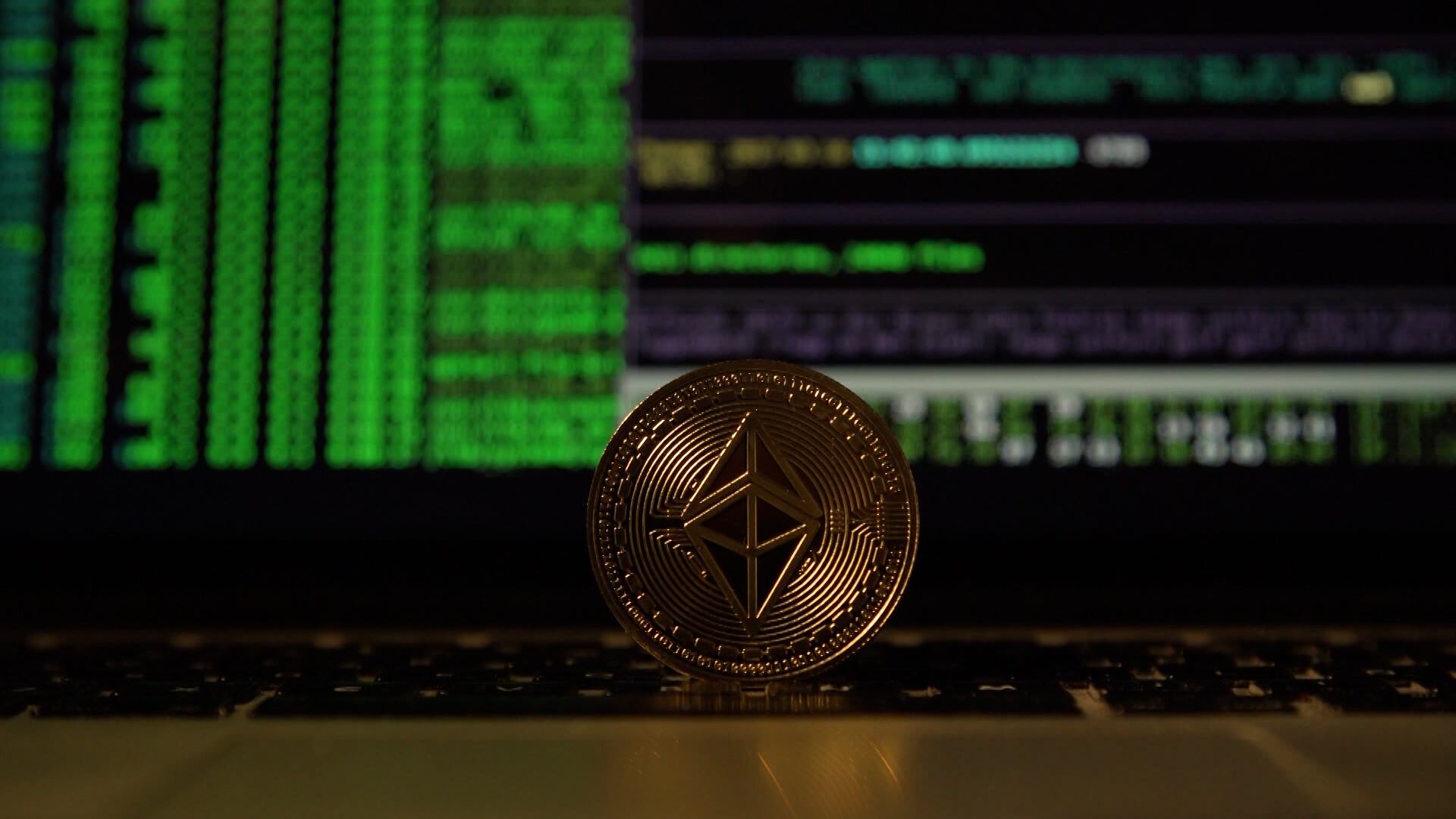
The National Women's Soccer League is partnering with Voyager Digital as its first-ever cryptocurrency brokerage in a multi-year deal. Marla Messing, interim CEO of the NWSL, and Steve Ehrlich, CEO of Voyager Digital, joined Cheddar to discuss benefitting the league and educating players and fans as a way of democratizing cryptocurrency. Messing explained that the players themselves will own half the assets as part of how the deal is structured. "My hope is, just in terms of the expectations of crypto over the long term, that I hope a lot of them are able to just let it sit there," she said. "And that one day this will be a nice retirement account for them."
The E-V maker Tesla has had a wild year. The company managed to continue to dominate the U.S. electric vehicle space despite growing competition and production delays. As the end comes to an end, Tesla finds itself growing richer and richer. Author of Risk Ritual Newsletter Richard Smith, joined Cheddar to discuss more.