With State Senate in Dem Hands, Cuomo Sees the Light on Legal Pot
*By Carlo Versano*
Sensing the shifting political winds, New York Gov. Andrew Cuomo is reportedly planning to introduce a "green new deal" that would legalize recreational pot as part of the inaugural speech he will [deliver](https://www.nydailynews.com/news/politics/ny-pol-cuomo-budget-state-of-state-addresses-20181209-story.html) from Ellis Island on New Year's Day.
Michael Gianaris, a New York state senator from Queens and member of the new Democratic majority in Albany, told Cheddar that "the time has come" for the Empire State to move forward on pot legalization.
"It's something that people are doing anyway," he said, arguing that the tax revenue generated from pot sales could help act as a form of "recompense" for minority communities adversely affected by decades of Draconian drug laws.
Will Bredderman of Crain's New York Business has been [covering](https://www.crainsnewyork.com/politics/cuomo-reveal-green-new-deal-marijuana-states-2019-agenda) Cuomo's changing attitudes on marijuana, which the governor called a "gateway drug" just last year.
Now, with the state senate in the hands of Democrats after being controlled by Republicans more or less uninterrupted since the 1970s, liberal groups see this as the moment to chalk up a "fairly easy win" on an issue held dear to many progressives, according to Bredderman.
If New York legalizes marijuana for recreational use, experts believe it could bring in somewhere between $200 million and $700 million a year. That sounds like a lot, but think of it like this: the plan to modernize New York City's failing subway system calls for $40 *billion* in funding.
"It's really not that much money," Bredderman said. The bigger gain would be in jobs created and income tax generated ー from growing facilities to retail dispensaries. "That has potential to be quite large."
There's also what Bredderman called the "spin-off effects" from taking pot off the black market and easing enforcement of low-level marijuana offenses, which some state DAs have already committed to doing.
For Cuomo, the real win would be in the realm of politics, especially after the primary, in which he easily dispatched challenger Cynthia Nixon but was pressured by her supporters to move leftward for his final term in office. Marijuana legalization in a state like New York is likely to have bipartisan support, Bredderman said, and is widely popular among New Yorkers across demographics.
"A lot of people smoke marijuana," he said.
For full interview [click here](https://cheddar.com/videos/will-new-york-be-next-to-legalize-recreational-marijuana).
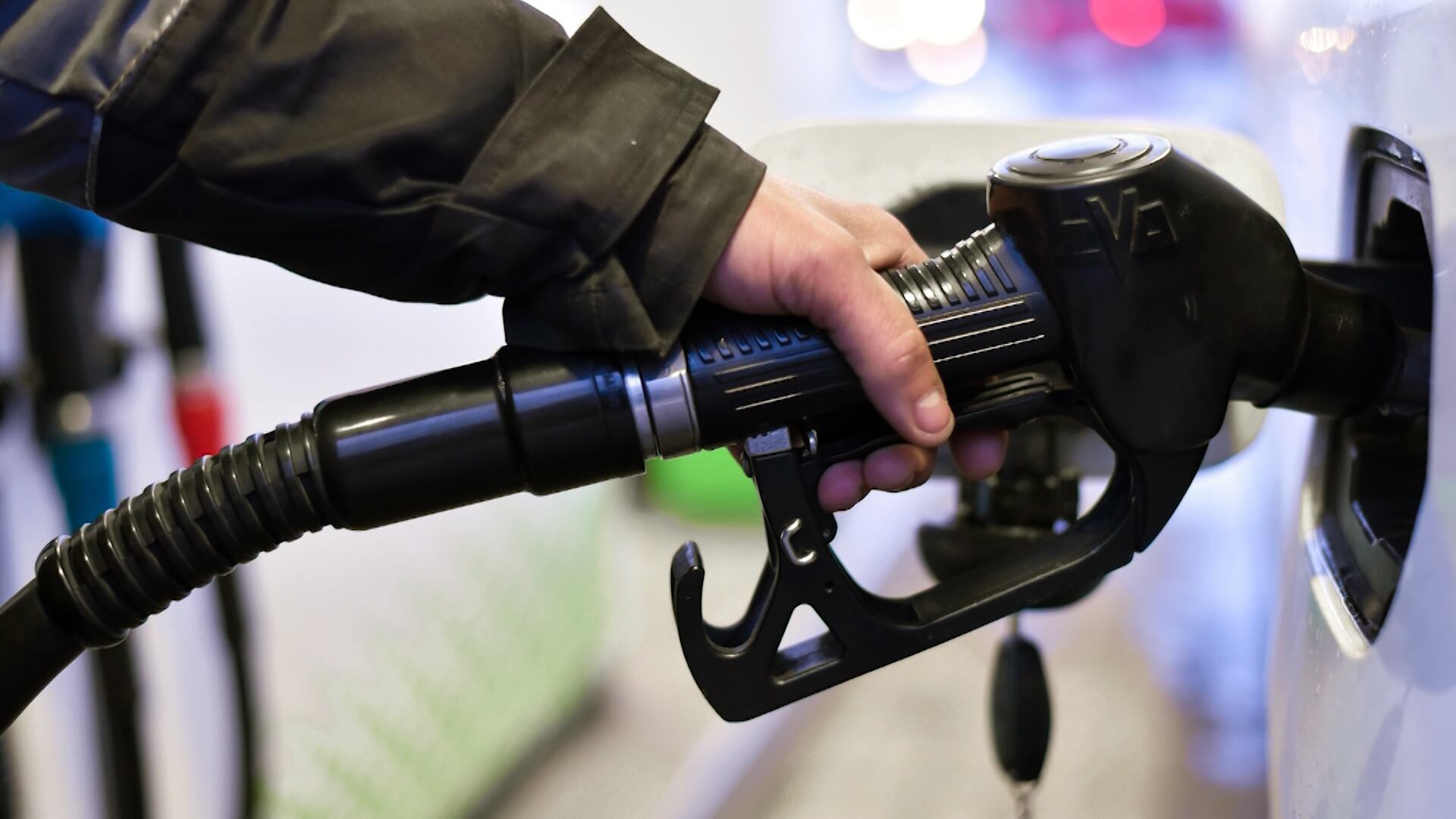
Peter Zalzal, associate vice president for clean air strategies at the Environmental Defense Fund, a nonprofit environmental advocacy group, joined Cheddar to discuss the Biden Administration's unveiling of stricter fuel-efficiency standards for new automobiles. "The administration estimated that these rules will reduce about 2.5 billion tons of climate pollution by 2050, and using less fuel also means that we have to go to the gas pump less often. And so it means we save money, thousands of dollars in avoided fuel costs each year for consumers," he noted.
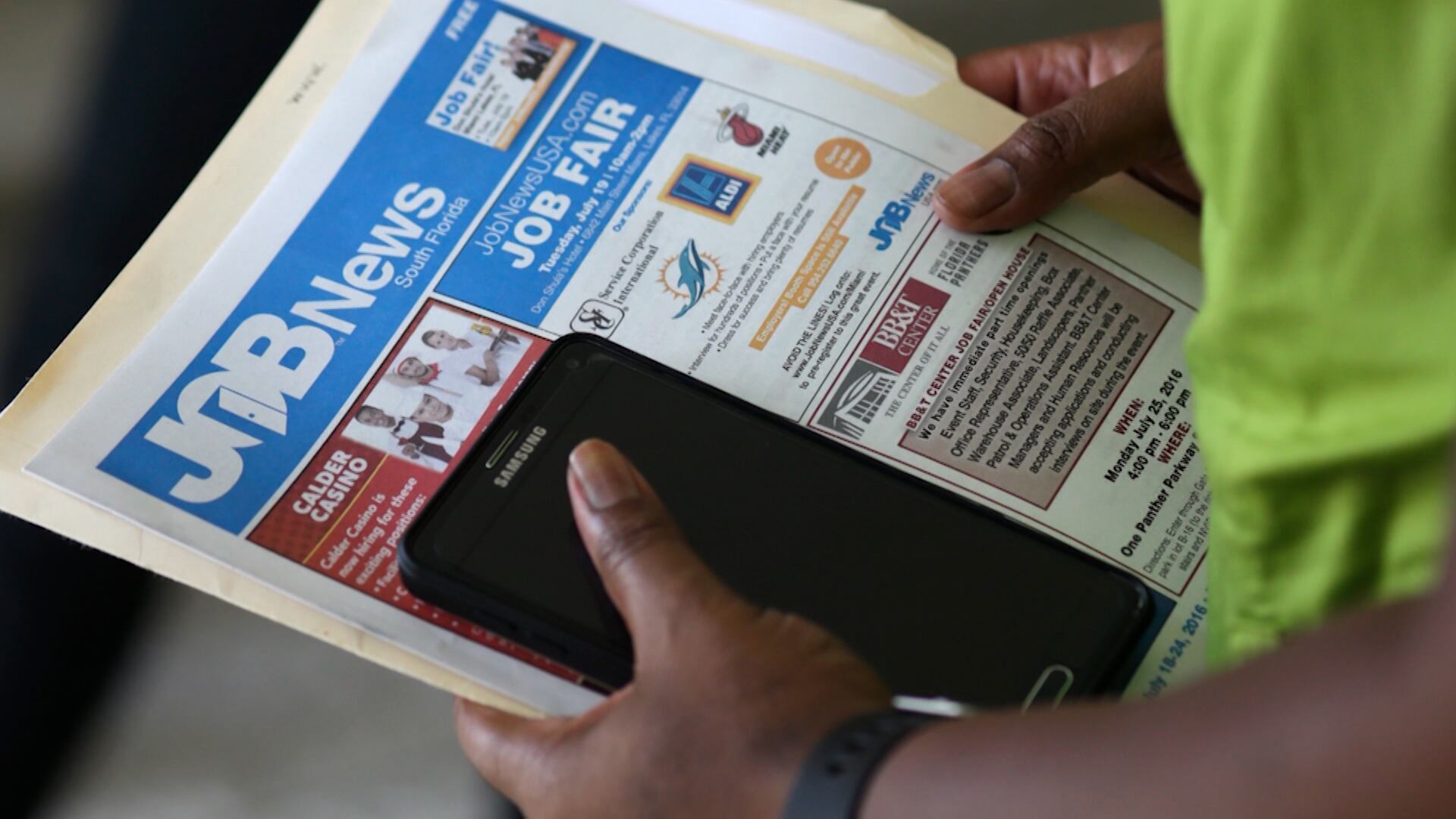
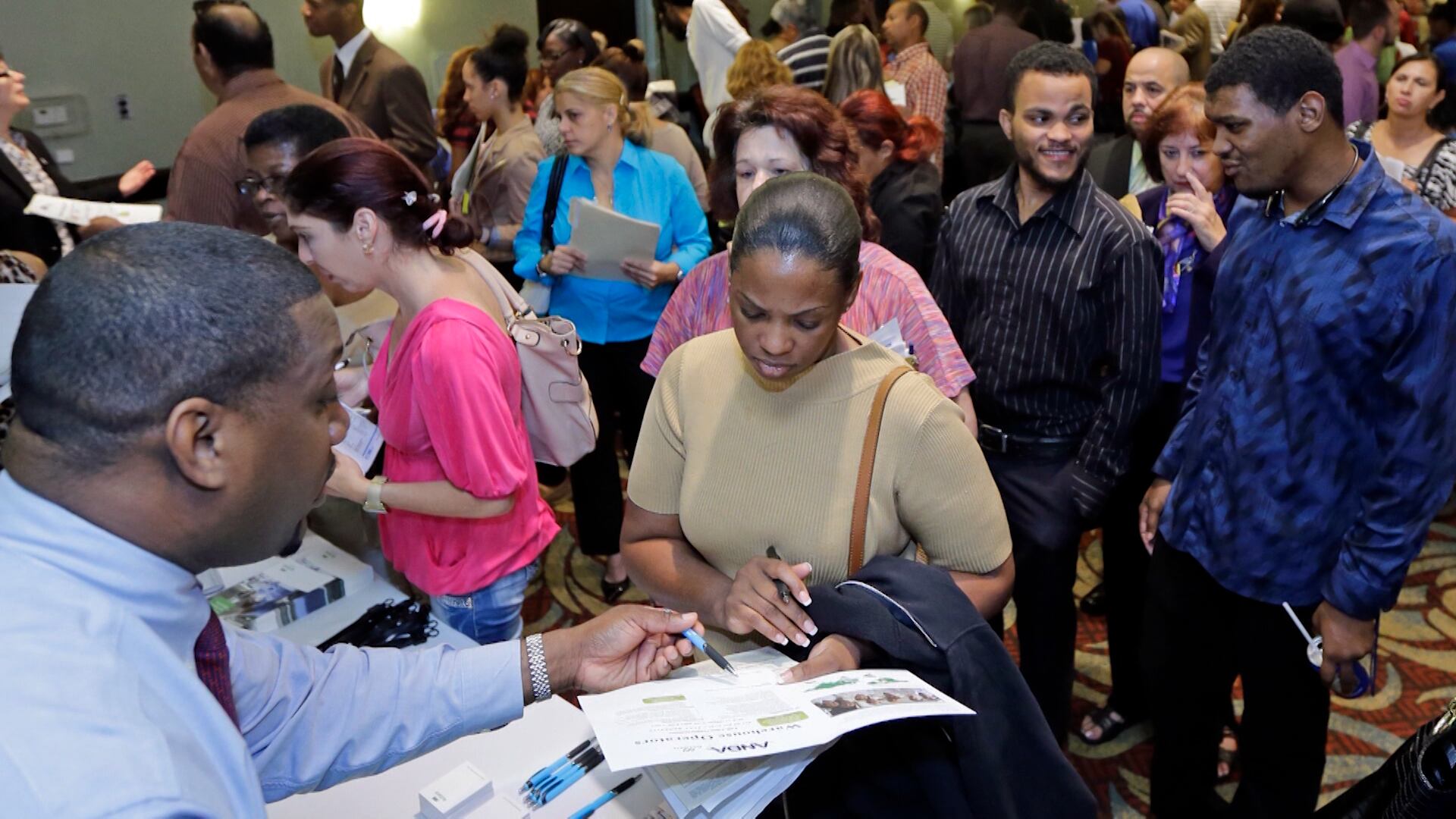
The relatively robust March jobs report showed that despite the low unemployment rate, Black, Hispanic, and women job seekers are still having difficulty finding work. William M. Rodgers III, the vice president and director of the Institute for Economic Equity at the Federal Reserve Bank of St. Louis noted that participation rates in the labor force ticked up for minorities, adding to other positive signs of growth. He also spoke to Cheddar News to discuss further the jobs figures, the state of the labor market, and rising inflation.
U.S. markets opened higher to kick off the second quarter, despite a miss on the March Jobs Report. The economy added $431,000 in the month, slightly lower than the $490,000 analysts had expected. The unemployment rate also ticked down to 3.6% from 3.8%. Kevin Simpson, Founder & Chief Investment Officer, Capital Wealth Planning joined Cheddar's Opening Bell to discuss.
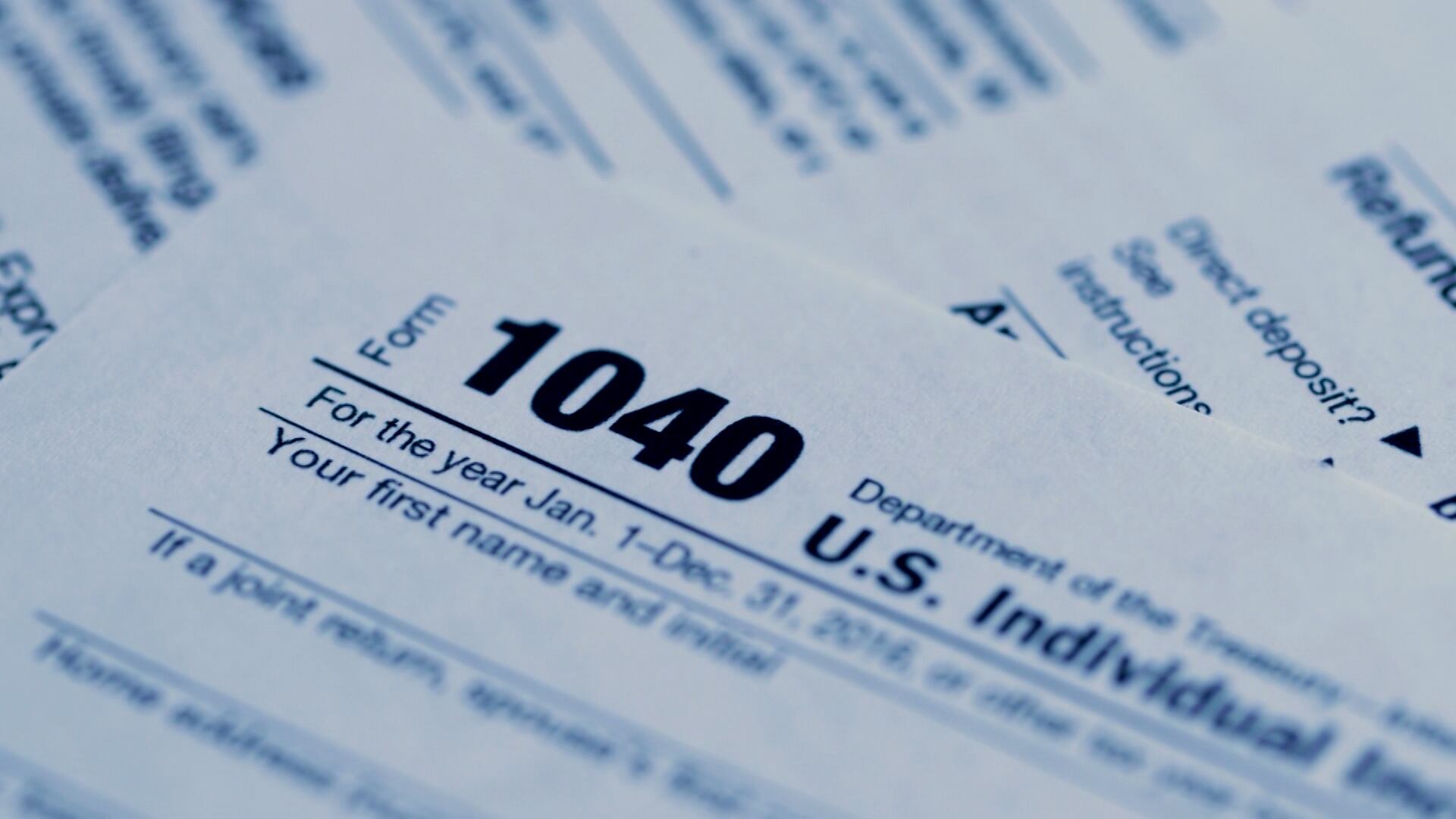
President Biden is going after billionaires in his 2023 budget request to congress. The proposal would establish a 20% minimum tax rate on all households worth more than $100 million, as well as raise the corporate tax rate from 21% to 28%. Rhett Buttle, Small Business for America's Future Senior Advisor, Business Policy Expert & Biden Campaign Business Advisor, breaks down the proposal, what it aims to accomplish, and how small businesses might feel about it.
The Biden administration has announced the U.S. will accept up to 100,000 refugees fleeing the war in Ukraine and provide more than 1 billion dollars in new funding for the growing humanitarian crisis. The move comes as President Biden meets with his western counterparts in Europe to demonstrate a united front against Russia and show support for Ukraine. Altagracia Pierre-Outerbridge, Immigration Attorney for Outerbridge Law, explains how this is going to work.
The DOJ has endorsed an antitrust bill targeting tech giants like Apple, Amazon, Meta, and Google. The legislation would ban the companies from favoring their own products and services over their competitor's, making it more difficult them to dominate the marketplace. Greg Day, Assistant Professor of Legal Studies at the University of Georgia, breaks down the bill and its potential impact on anti-competition in the tech sector.
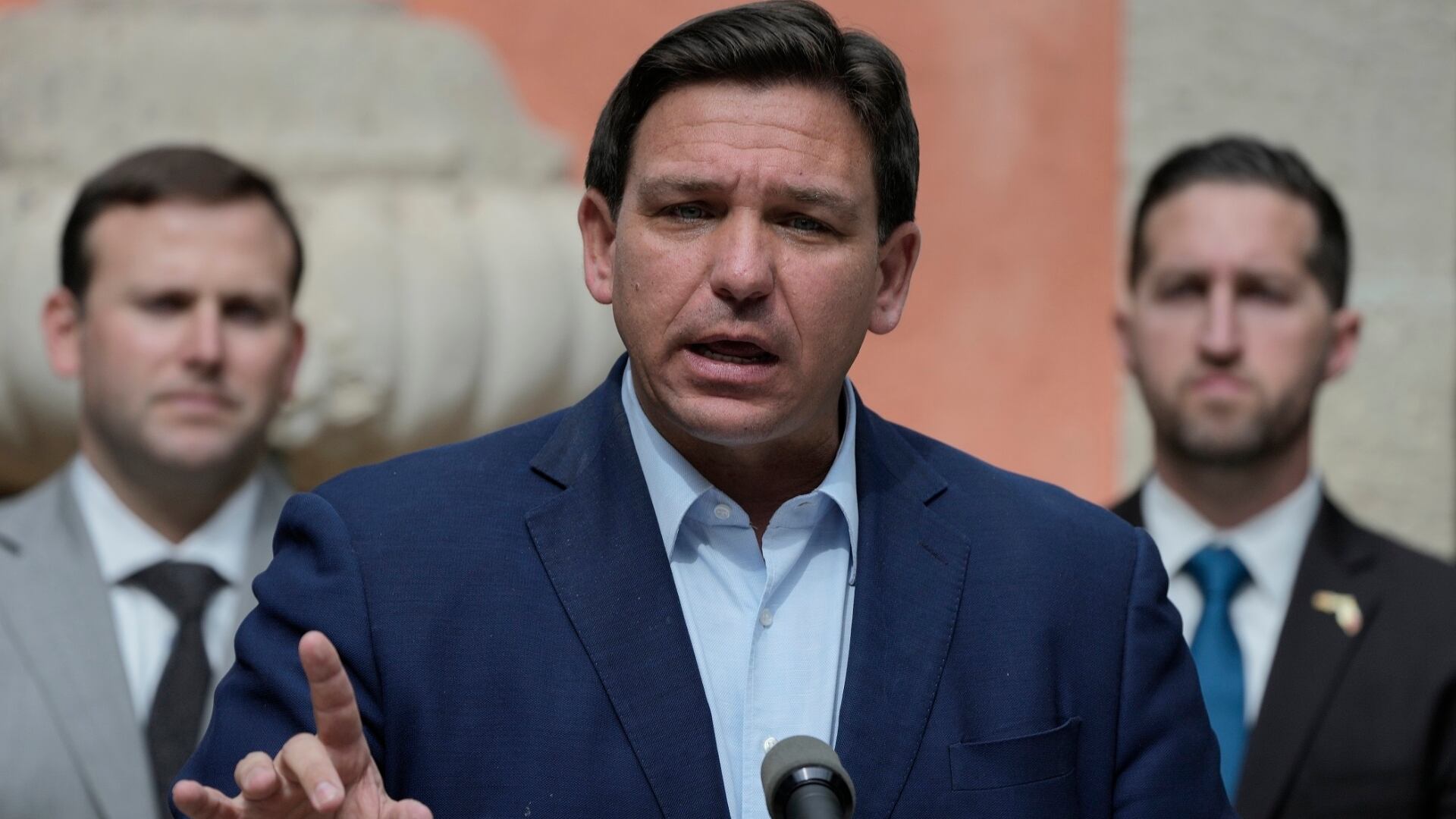
Catching you up with what you need to know on Apr 1, 2022, with Ukrainians hoping to flee the besieged city of Mariupol with a ceasefire is in place, President Biden orders the release of oil from U.S.reserves, LGBT activists suing Florida Governor Ron DeSantis over the "Don't Say Gay" Law, U.S. passports offering an "x" option for gender, and more.
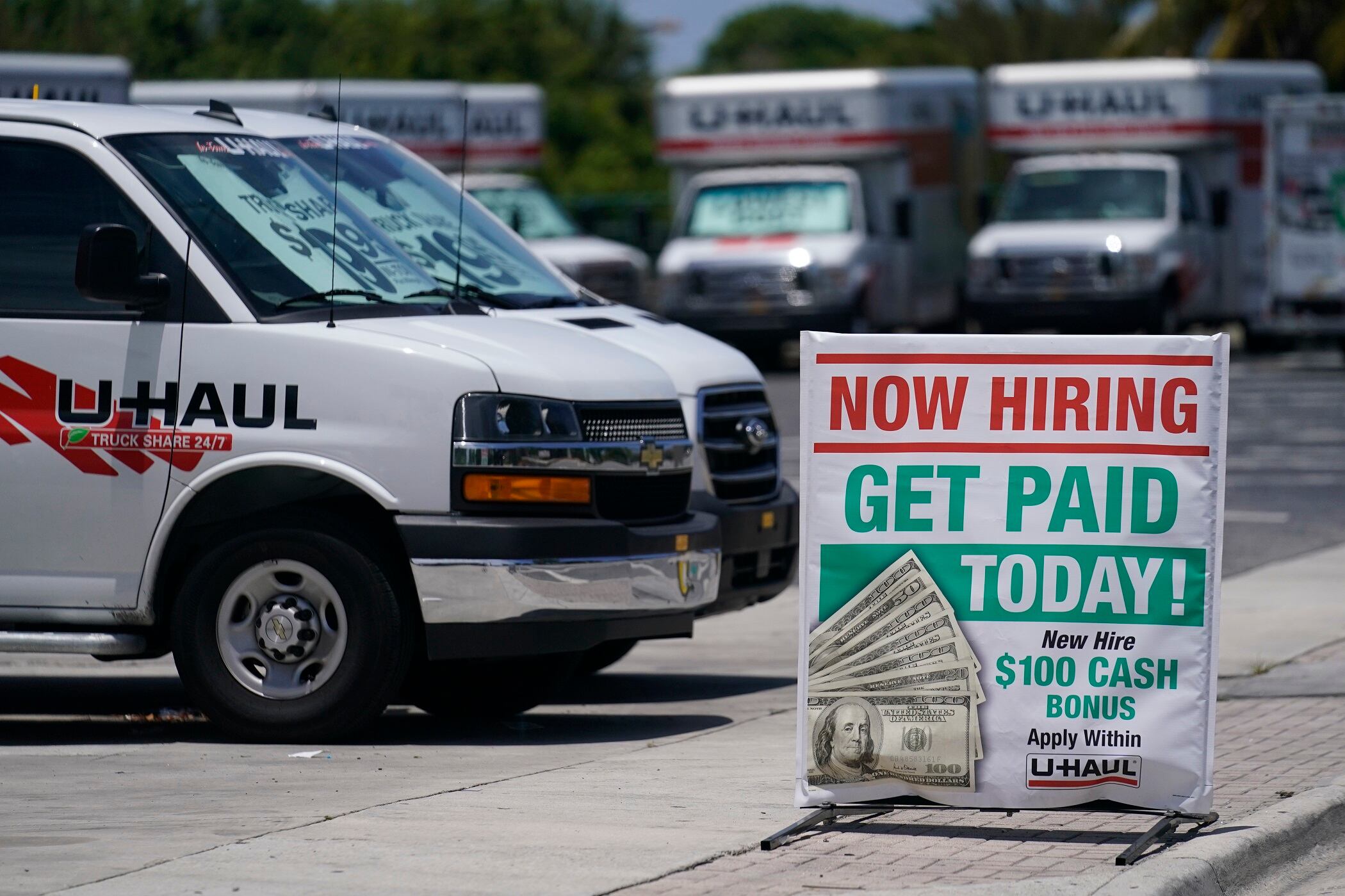
America’s employers extended a streak of robust hiring in March, adding 431,000 jobs in a sign of the economy’s resilience in the face of a still-destructive pandemic and the highest inflation in 40 years.