Foot Locker is planning to close 400 stores by 2026 as part of a "reset" of its retail brand. The relaunch could also introduce "experiential" new stores and shifting away from underperforming stores in malls, which currently account for 10 percent of its sales.
"We are entering 2023 with a focus on resetting the business – simplifying our operations and investing in our core banners and capabilities to position the Company for growth in 2024 and beyond," Mary Dillon, president and chief executive officer, told investors.
The company is calling the relaunch its "Lace Up" plan and entails a mix of rebranding, updated loyalty programs, expanded omnichannel options, and closing underperforming stores.
Foot Locker is also closing 125 underperforming Champs Sports stores.
"We are proud of Foot Locker's role in influencing and serving the global sneaker community, and next year, we will celebrate the 50th anniversary of the iconic Foot Locker brand," Dillion said. "We are incredibly excited to introduce our 'Lace Up' plan with a new set of strategic imperatives and financial objectives that are designed to set us up for success for the next 50 years."
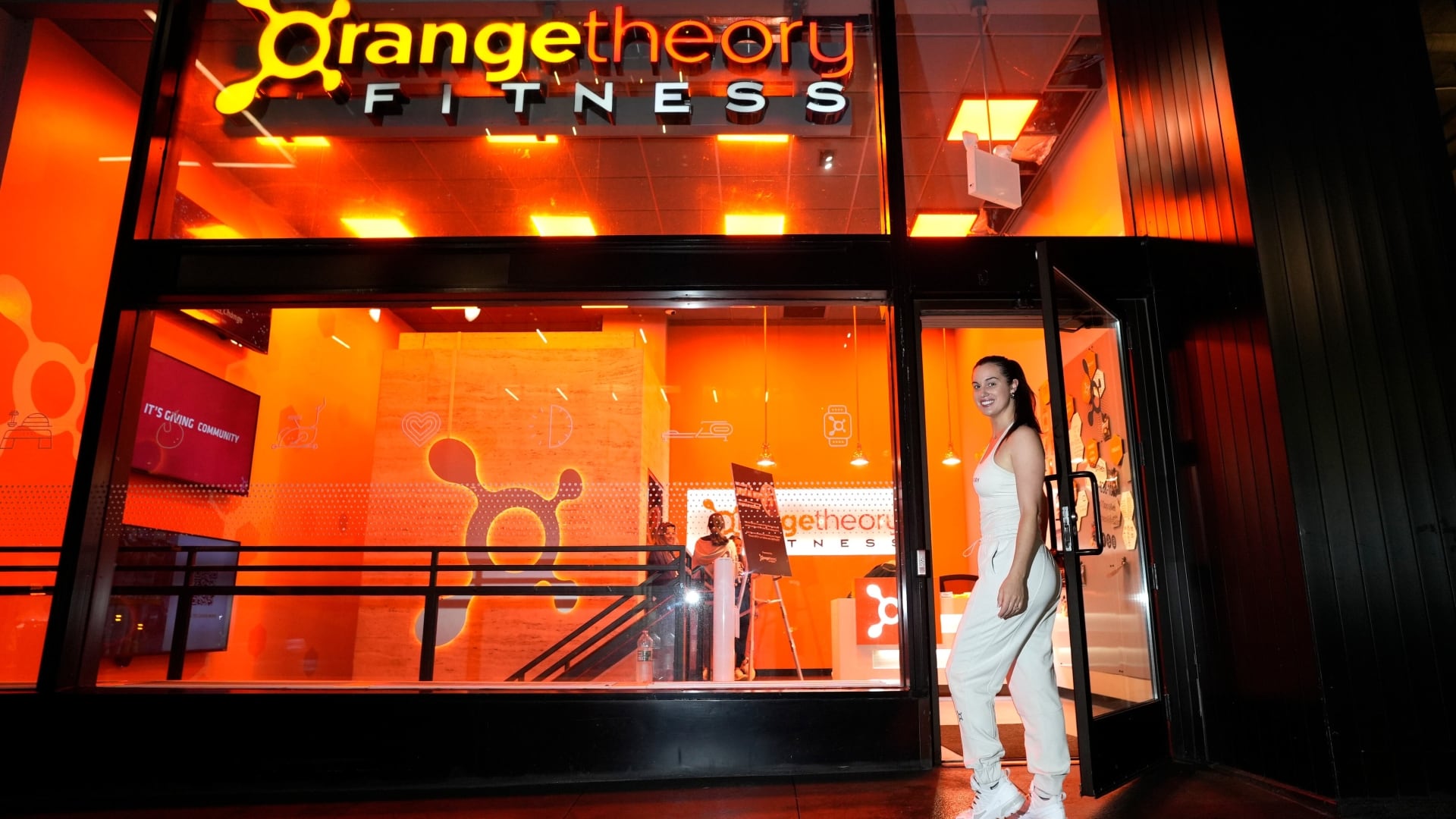
Orangetheory Fitness is redefining the future of workouts with smarter tech, strength-based programming, and community-driven studios built for what’s next.
Wealthfront’s CFO Alan Iberman talks the $2.05B IPO and the major moment for robo banking as the company bets on AI, automation, and “self-driving money."